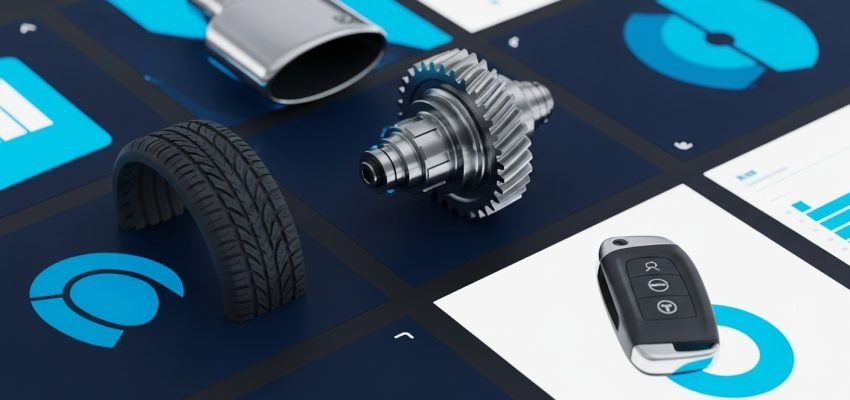

The modern automotive industry is being transformed by digital marketing strategies that leverage data analytics, customer behavior insights, and digital touchpoints to drive growth. In Holland, United States, this trend has led to the emergence of new market dynamics that automotive firms must strategically navigate. To succeed in this evolving landscape, understanding the economic impact of digital marketing is crucial. Here’s how digital strategies are reshaping the automotive sector in Holland and beyond.
Market Friction & Problem: Navigating the Digital Transformation Challenge
The automotive industry in Holland, United States, is facing a significant challenge: adapting to the digital transformation while maintaining traditional business models. Many automotive firms struggle to integrate digital marketing into their overall strategy, leading to missed opportunities in a fast-moving market.
The friction stems from a variety of factors, including the complexity of digital tools, the resistance to change from legacy systems, and the challenge of effectively measuring digital marketing performance. These challenges leave companies exposed to competitive threats from more agile, digitally-savvy competitors.
Strategic Resolution Protocol
Addressing these challenges requires a multi-pronged approach. Automotive firms must prioritize the integration of digital marketing technologies such as customer relationship management (CRM) systems, advanced analytics, and content management systems (CMS). By investing in these technologies, businesses can collect and analyze customer data to create personalized marketing strategies.
Future Economic Implications
Looking forward, the integration of digital marketing will be a key driver of economic growth for automotive firms. Companies that successfully implement data-driven digital strategies will have a distinct advantage in reaching and engaging customers, improving their conversion rates, and ultimately boosting their bottom line.
Historical Evolution: The Rise of Digital Marketing in the Automotive Sector
Over the past decade, digital marketing has gradually supplanted traditional advertising methods in the automotive sector. Initially, companies in Holland’s automotive industry relied heavily on print ads, radio, and television. However, the shift to online platforms has been accelerated by the increasing internet penetration and mobile device usage.
This historical evolution highlights the importance of staying ahead of digital trends. Firms that have already adopted digital marketing tools such as search engine optimization (SEO), pay-per-click (PPC) campaigns, and social media marketing are beginning to see the returns on their investments. However, many businesses are still lagging in their digital adoption, creating a growing divide between the leaders and the laggards.
Strategic Resolution Protocol
To overcome these historical barriers, automotive firms need to shift their mindset from traditional marketing approaches to more innovative, customer-centric strategies. Implementing omnichannel marketing – where brands engage customers across multiple touchpoints – is essential. This approach ensures that companies are not just present online, but are engaging customers in meaningful ways.
Future Economic Implications
The future of digital marketing in the automotive industry will be driven by greater automation and artificial intelligence (AI). As AI tools evolve, automotive firms will be able to use predictive analytics to anticipate customer behavior, streamline operations, and create hyper-targeted campaigns that maximize return on investment (ROI).
Strategic Resolution: How to Leverage Digital Marketing for Maximum ROI
Automotive companies in Holland, United States, must develop a clear digital marketing strategy to capitalize on the opportunities presented by the digital age. A strategic resolution for many businesses is adopting a customer-first approach. By aligning digital marketing efforts with customer needs and expectations, firms can create highly personalized experiences that foster brand loyalty.
Furthermore, data analytics plays a pivotal role in measuring the effectiveness of digital campaigns. Automotive companies should invest in tools that offer real-time insights into customer behavior, allowing them to optimize campaigns for better performance.
Strategic Resolution Protocol
A key resolution for many firms is leveraging AI-driven marketing tools, which enable businesses to craft tailored messages for specific segments of their audience. These tools help firms understand customer preferences, thereby enhancing the overall customer experience.
As automotive companies in Holland, United States, grapple with the necessity of digital adaptation, the implications of these transformations extend far beyond local borders, echoing in global automotive hubs like Berlin, Germany. The strategies employed by firms in these disparate markets reveal both unique challenges and shared opportunities in harnessing digital marketing. For instance, while businesses in Holland are learning to pivot towards data-driven customer engagement, those in Berlin are simultaneously redefining their own approaches to customer relationships through innovative digital touchpoints. The parallels in these evolving landscapes underscore the significance of understanding how digital marketing can catalyze change. This shared trajectory highlights the importance of insights derived from successful initiatives, such as those found in Digital marketing automotive Berlin, where strategies are not only reshaping local consumer interactions but also setting benchmarks for global standards in the automotive sector.
Future Economic Implications
The rise of AI and machine learning in digital marketing will continue to reduce costs while improving targeting and conversion rates. In the long term, this shift will lead to a more efficient use of marketing budgets, ultimately driving greater profitability for automotive firms.
Benchmarking Success: Key Performance Indicators (KPIs) for Automotive Firms
To measure the impact of digital marketing on their bottom line, automotive companies must define clear key performance indicators (KPIs). These metrics will help firms assess the effectiveness of their digital strategies and make data-driven decisions. Common KPIs in the automotive sector include lead generation, customer engagement, and return on ad spend (ROAS).
By tracking these metrics, businesses can gain valuable insights into which marketing channels are performing best, allowing them to optimize their efforts. For instance, a successful digital campaign might result in increased website traffic, which can then be converted into qualified leads or sales.
Strategic Resolution Protocol
Automotive firms should implement tools such as marketing automation platforms and customer data platforms (CDPs) to streamline the collection and analysis of these KPIs. These platforms provide comprehensive views of customer behavior, allowing businesses to optimize their digital strategies.
Future Economic Implications
The future of digital marketing will see an increased reliance on real-time data and predictive analytics. This will allow firms to adjust campaigns on the fly, ensuring that they remain relevant and effective in an increasingly competitive market.
Dynamic Capabilities: Adapting to Digital Disruption
The automotive industry is facing a digital disruption that is reshaping the way businesses interact with customers. Firms must develop dynamic capabilities to sense market changes, seize new opportunities, and transform their operations. This requires a commitment to continuous learning, experimentation, and adaptation.
By building these capabilities, automotive firms can position themselves for long-term success. Companies that are able to quickly adopt and scale digital marketing strategies will be better equipped to withstand competitive pressures and capitalize on new market trends.
Strategic Resolution Protocol
Building dynamic capabilities requires an investment in talent, technology, and processes. Automotive firms should focus on fostering a culture of innovation and agility, ensuring that their teams can quickly adapt to changes in the digital landscape.
Future Economic Implications
As the digital landscape continues to evolve, the ability to sense and respond to changes will become increasingly critical. Firms that cultivate a mindset of continuous improvement and adaptability will be better positioned to thrive in the future economy.
Strategic Recommendations: Digital Marketing Strategies for Automotive Firms in Holland
Based on the insights gathered from this analysis, automotive firms in Holland, United States, should consider implementing the following strategic recommendations to maximize the impact of digital marketing:
- Focus on building a customer-first strategy that leverages data analytics to create personalized experiences.
- Adopt AI-driven tools to enhance targeting and improve ROI.
- Invest in omnichannel marketing to engage customers across multiple touchpoints.
- Implement real-time data tracking to measure the effectiveness of digital campaigns.
- Build dynamic capabilities to adapt to digital disruption and seize new opportunities.
These strategies will help automotive firms thrive in an increasingly digital world and maximize their return on marketing investments.
730 Eddy Studios exemplifies the kind of innovative video production services that automotive firms can leverage to create high-performing digital content that resonates with their target audience.