
That dreaded check-engine light, a grinding noise when you brake, or a car that will not start on a cold morning, auto repairs are stressful enough without the added anxiety of not knowing what they will cost. So what do car repairs actually cost in the USA in 2026? This guide breaks down average mechanic prices for the most common services, what drives the bill up or down, and how to avoid overpaying.
Average Car Repair Costs in 2026
The average US car repair bill lands between $300 and $500, though costs vary enormously by job. Routine maintenance like oil changes and tire rotations sit well under $150, while major work like transmission rebuilds or engine replacements can run $2,000 to $7,000+. Labor rates are the biggest variable: independent shops typically charge $75 to $130 per hour, while dealerships charge $130 to $200+ per hour.
Common Car Repairs and Their Prices
Oil Change: $50 to $120
Conventional oil changes run $50 to $75; full synthetic costs $70 to $120. Most 2026 vehicles need service every 5,000 to 10,000 miles. Skipping oil changes is the fastest way to turn a $75 service into a $5,000 engine replacement.
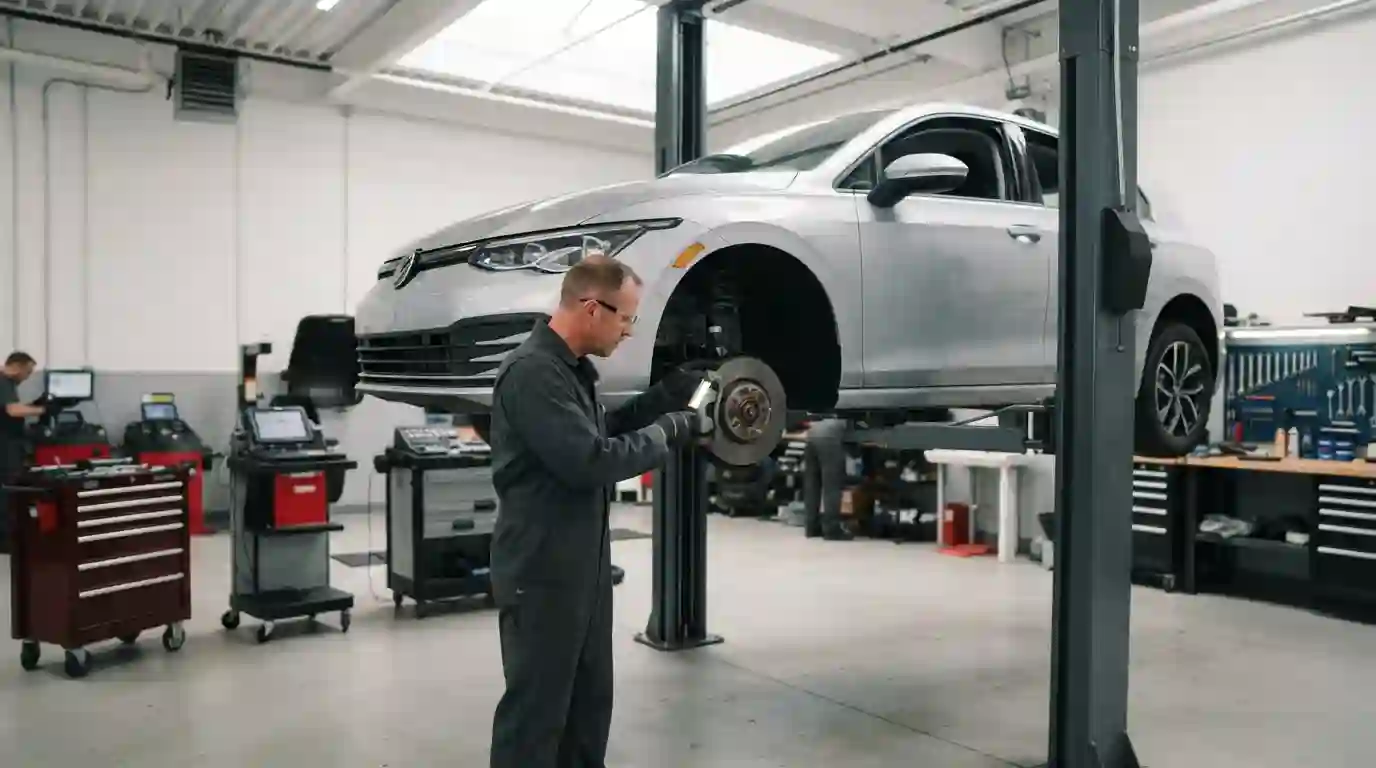
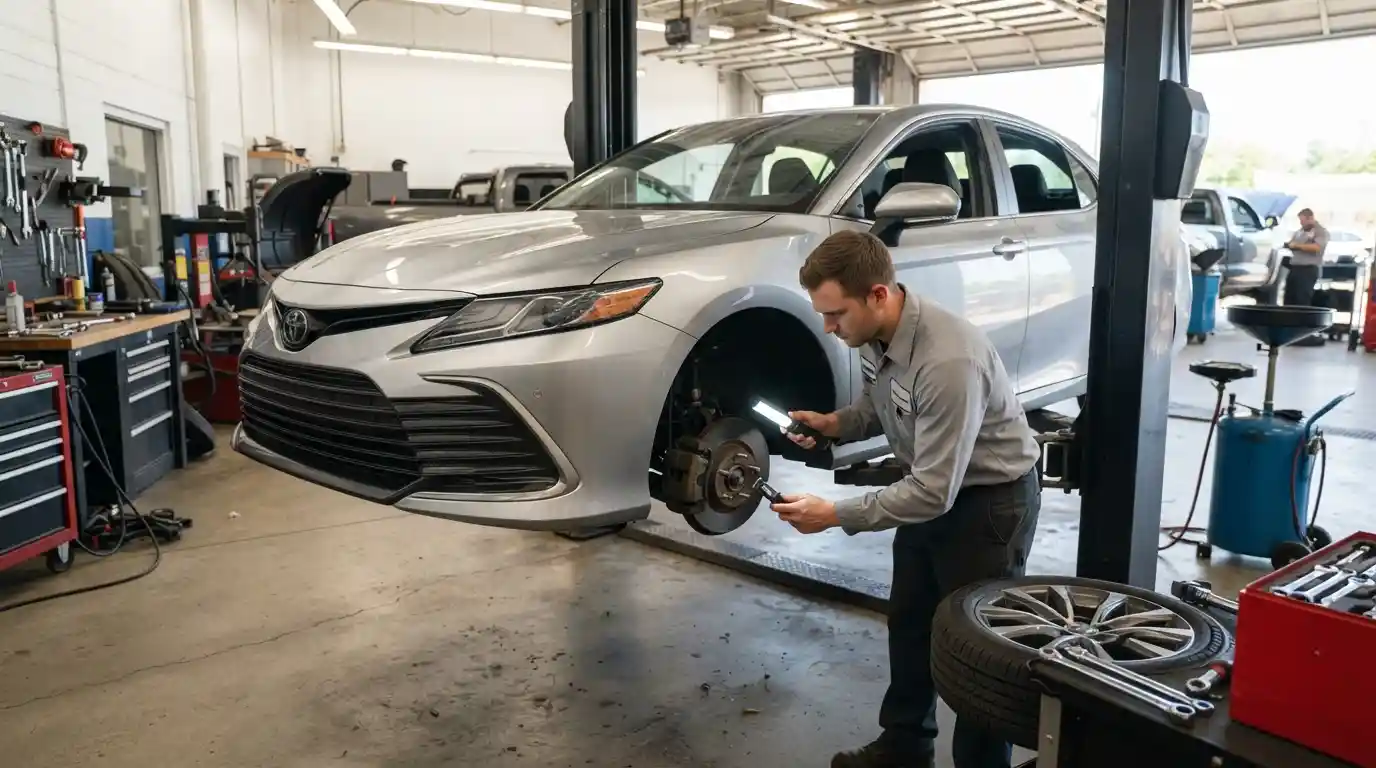
Brake Pads and Rotors: $250 to $600 per Axle
Brake pad replacement alone costs $150 to $300 per axle. If rotors need replacing too, expect $250 to $600 per axle. Grinding, squealing, or a soft pedal means do not wait, brake failure is not a budget item.
Tires: $100 to $300 per Tire
Standard all-season tires run $100 to $200 each; performance or truck tires cost $200 to $300+. Mounting, balancing, and alignment add $100 to $200. For expert tire services including rotation and inspection, trusted auto care providers in your area can advise on the right tires for your driving conditions.
Battery Replacement: $150 to $300
Most car batteries last 3 to 5 years. Replacement including installation runs $150 to $300. Many auto parts stores install batteries free with purchase.
Alternator Replacement: $400 to $800
Dimming lights, warning indicators, and a dead battery that keeps recurring point to alternator trouble. Parts and labor typically total $400 to $800.
Timing Belt: $500 to $1,000
Due every 60,000 to 100,000 miles on many vehicles. A broken timing belt can destroy an engine, so this is maintenance you never defer.
Transmission Service: $150 to $300 (Fluid) / $2,000 to $4,000 (Rebuild)
Fluid changes are cheap insurance at $150 to $300. A full rebuild or replacement runs $2,000 to $4,000+, among the priciest common repairs.
Check Engine Light Diagnosis: $100 to $200
Most shops charge a diagnostic fee of $100 to $200 to read codes and pinpoint the issue. Many apply this fee toward the repair if you proceed with them.
Dealership vs. Independent Mechanic
Independent shops typically cost 20 to 40 percent less than dealerships for the same work. Dealerships make sense for warranty repairs, recalls, and complex electronics specific to your brand. For everything else, a well-reviewed independent mechanic, the kind known for professional vehicle maintenance and honest diagnostics, usually delivers better value. Reliable car care is about the technician’s skill and integrity, not the size of the sign out front.
What Affects Your Repair Bill?
- Vehicle make and model: Luxury and European brands (BMW, Mercedes, Audi) cost 30 to 60 percent more to repair than mainstream brands, with pricier parts and specialized labor.
- Parts choice: OEM (original equipment) parts cost the most. Quality aftermarket parts often perform identically for 30 to 50 percent less. Ask your mechanic about options.
- Location: Shop rates in major metros run far higher than in smaller towns.
- Problem complexity: Intermittent electrical gremlins take diagnostic hours; a worn brake pad is obvious in minutes.
- Urgency: Emergency or after-hours repairs carry premiums, just like any trade.
How to Avoid Overpaying for Car Repairs
- Get a second opinion on big jobs. Any repair over $500 deserves another quote. Diagnostic fees are cheap compared to unnecessary work.
- Ask for the old parts back. This simple request discourages billing for work not performed.
- Request itemized estimates. Parts, labor hours, and shop fees should be broken out separately.
- Check for TSBs and recalls. Technical Service Bulletins and recalls (check nhtsa.gov with your VIN) can mean free repairs.
- Maintain on schedule. The automotive service industry exists largely because deferred maintenance turns small issues into big ones. Follow your owner’s manual intervals.
- Find your mechanic before you need one. Build a relationship with a trusted shop when nothing is broken, so you are not choosing blindly in a crisis.
Warning Signs You Need a Mechanic Now
Do not delay when you notice: grinding or squealing brakes, steering pull or vibration, fluid leaks (especially red, green, or dark brown), overheating, the check engine light flashing (not just on), or any sudden change in how the car drives, sounds, or smells. These signal safety issues or problems that worsen fast.
Final Thoughts
In 2026, budget $300 to $500 for a typical car repair, with routine maintenance well under $150 and major work climbing into the thousands. Independent shops beat dealerships on price for most jobs, second opinions protect you on big tickets, and preventive maintenance remains the cheapest repair of all. Find a mechanic you trust before trouble strikes, and you will drive with confidence instead of repair-bill anxiety.