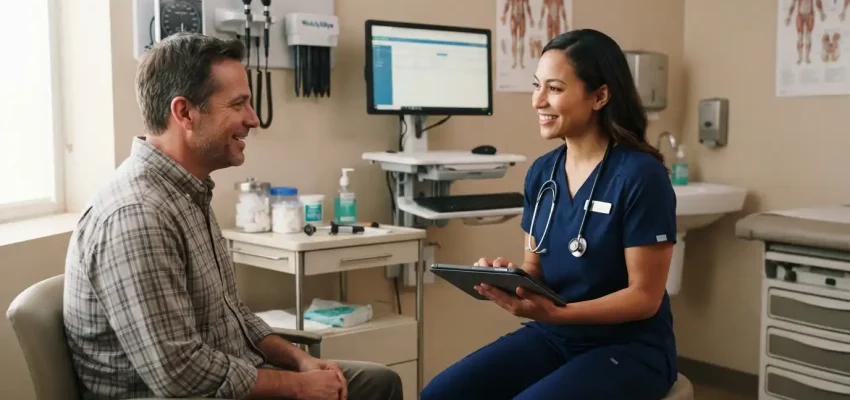

For people researching the clinic, understanding its approach to patient care, available services, accessibility, and overall healthcare experience can make it easier to decide whether its model fits their needs. This guide takes a closer look at what makes patient-focused medical care valuable and what to consider when evaluating a clinic.
What Makes Caring Hearts Medical Clinic Different?
A strong medical practice combines clinical knowledge with communication, continuity, and respect for the patient. Instead of treating every appointment as an isolated transaction, patient-centered care considers the individual’s health concerns, history, lifestyle, and long-term goals.
This approach is especially important for people managing ongoing health concerns. Patients may need routine screenings, preventive services, monitoring, follow-up appointments, or help understanding treatment options over time.
The broader healthcare environment also continues to place greater emphasis on accessible and coordinated care. For example, home healthcare services demonstrate how care can extend beyond traditional clinical settings when patients require additional support.
Patient-Centered Care Starts With Communication
One of the most important elements of a positive healthcare experience is communication. Patients should feel comfortable explaining symptoms, asking questions, discussing concerns, and understanding what happens next.
Good communication also helps patients participate in healthcare decisions. Rather than simply receiving instructions, patients can become active participants in conversations about preventive care, testing, lifestyle changes, and treatment planning.
This philosophy connects with the broader importance of health education. Resources focused on wellness conversations and health communication highlight why meaningful discussions can play an important role in helping people make informed health decisions.
Primary Care and Preventive Health
Primary care is often the foundation of a person’s long-term healthcare strategy. Regular visits can provide opportunities to discuss changes in health, identify potential concerns, review risk factors, and stay current with recommended preventive services.
Preventive care can include health screenings, immunizations, physical examinations, blood pressure monitoring, cholesterol checks, diabetes screening, and other assessments depending on a patient’s age, health history, and individual circumstances.
Preventive healthcare is valuable because some conditions can develop without obvious symptoms. Regular monitoring can help patients and healthcare professionals recognize changes earlier and determine whether additional evaluation is appropriate.
Health Screenings and Early Detection
Health screenings are an important part of modern primary care. The exact screenings a patient needs depend on individual factors, including age, sex, family history, existing health conditions, and other risk factors.
A clinic offering a broad range of screening options can make routine healthcare more convenient. Patients may be able to discuss multiple preventive needs during their ongoing care rather than managing every concern through separate healthcare providers.
Healthcare accessibility also matters for specific communities. Occupational health resources, for example, show how preventive and safety-focused healthcare can support people in different environments. Patients interested in this area can also explore occupational health and workplace safety services.
Managing Ongoing Health Conditions
Healthcare does not end after a diagnosis. Patients living with ongoing conditions may require regular monitoring, medication management, lifestyle adjustments, laboratory testing, and follow-up appointments.
A patient-centered clinic can help organize this process by keeping healthcare discussions focused on the individual’s needs. Consistent follow-up can also make it easier to identify changes that should be discussed with a qualified healthcare professional.
Chronic and preventive care should be approached as an ongoing process rather than a single appointment. Patients should follow individualized medical advice and seek urgent care when symptoms require immediate attention.
Mental and Emotional Well-Being Matters Too
Physical health and mental well-being are closely connected. Patients may experience stress, anxiety, depression, sleep difficulties, or other concerns that influence their overall quality of life.
A comprehensive healthcare approach recognizes that emotional and behavioral health concerns deserve appropriate attention. Depending on the patient’s circumstances, a primary care provider may discuss symptoms, recommend supportive strategies, or suggest evaluation by an appropriate specialist.
For readers interested in the professional side of mental healthcare, our guide to mental health careers and opportunities provides another perspective on the healthcare field.
The Importance of Qualified Healthcare Professionals
The quality of a healthcare experience depends heavily on the people delivering care. Physicians, nurses, physician assistants, medical assistants, technicians, and administrative professionals can all influence how efficiently and comfortably patients move through the healthcare process.
Professional development is particularly important in medicine because clinical knowledge and healthcare practices continue to evolve. A strong healthcare organization therefore benefits from professionals who maintain appropriate training and stay current within their areas of responsibility.
The wider healthcare industry is also changing through new approaches to care delivery and technology. Readers interested in this evolution can explore our discussion of the future of digital transformation in medical enterprises.
Technology and the Modern Healthcare Experience
Technology has changed how many patients interact with healthcare organizations. Online scheduling, electronic records, digital communication, appointment reminders, and other tools can make administrative processes more convenient.
However, technology should support patient care rather than replace meaningful human interaction. A digital system is useful when it helps patients communicate, access information, manage appointments, or understand their care more efficiently.
The relationship between healthcare and technology continues to expand. Broader discussions of the impact of digital innovation on medical enterprises show how digital systems can influence the way healthcare organizations communicate and operate.
Accessibility Is Part of Quality Care
A clinic can offer excellent medical services, but accessibility still determines whether patients can realistically use them. Convenient appointment processes, understandable communication, reasonable scheduling options, and appropriate support can make a significant difference.
Accessibility also includes cultural and communication considerations. Patients should be able to explain their concerns clearly and understand the information provided to them.
Healthcare organizations increasingly recognize that patient needs vary considerably. The broader healthcare landscape includes organizations focused on wellness, preventive care, workplace health, home services, and community support, each addressing different aspects of patient needs.
Specialized Healthcare Needs Require Individual Attention
Some patients require care that goes beyond a standard physical examination. Women’s health, reproductive health, chronic disease management, preventive screenings, and other specialized concerns may require additional evaluation or referral.
For example, people researching breastfeeding-related healthcare may find our guide on whether a lactation consultant can prescribe medication useful for understanding the distinction between lactation support and prescribing authority.
Similarly, patients should understand their rights and options when considering medical treatment. Our discussion of the refusal of medical care and patient autonomy explores another important aspect of healthcare decision-making.
Skincare and Medical Aesthetics
Some medical clinics also provide services related to skincare and medical aesthetics. These services can include treatments intended to address specific cosmetic or dermatological concerns.
Patients considering aesthetic treatments should distinguish between general skincare products and procedures that require professional assessment. Understanding the purpose, risks, expected results, and suitability of any treatment is important before proceeding.
For additional reading about skincare, see our guide to anti-aging skincare and our Medicube skincare review.
Readers interested in broader skincare trends can also explore our guide to natural skincare companies and beauty products and our overview of natural skincare approaches.
Healthcare Should Consider the Whole Person
One of the strongest ideas behind patient-centered care is that a person is more than a diagnosis. Lifestyle, nutrition, stress, physical activity, work, family responsibilities, and access to healthcare can all influence health outcomes.
This broader perspective can help healthcare professionals have more meaningful conversations with patients. Instead of focusing exclusively on an isolated symptom, clinicians can consider how different factors may affect the patient’s overall well-being.
Health and wellness resources can complement professional medical care by encouraging people to develop healthier habits. They should not, however, be treated as a substitute for individualized medical advice when a healthcare professional is needed.
What Patients Should Look for in a Medical Clinic
When comparing medical clinics, patients can evaluate several practical factors before choosing where to receive care.
- Range of services: Consider whether the clinic provides the types of primary and preventive services you are likely to need.
- Qualified professionals: Look for appropriately credentialed healthcare providers.
- Communication: Patients should feel comfortable asking questions and discussing concerns.
- Accessibility: Consider appointment availability, location, communication options, and other practical factors.
- Continuity of care: Ongoing relationships with healthcare professionals can be valuable for long-term health management.
- Preventive services: Screening and preventive care can be important components of maintaining health.
- Privacy: Patients should expect appropriate handling of personal and medical information.
- Billing clarity: Understanding insurance coverage, expected costs, and payment policies can reduce unpleasant surprises.
How Caring Hearts Fits Into the Broader Healthcare Landscape
The healthcare industry includes many different models of care. Primary care clinics, specialty practices, home healthcare providers, occupational health organizations, wellness services, and community programs can all play different roles.
For example, health and wellness programs can complement traditional medical care by focusing on broader well-being, while organizations providing home services can support patients who need care outside a conventional clinic environment.
The healthcare sector is also becoming increasingly connected to technology, data, and digital communication. This makes patient experience an important part of how modern medical organizations distinguish themselves.
Healthcare and the Importance of Trust
Trust is difficult to measure, but it is fundamental to a strong patient-provider relationship. Patients need confidence that their concerns will be heard, their information will be handled appropriately, and their questions will receive clear answers.
Trust also develops through consistency. A healthcare experience becomes stronger when patients receive respectful communication and understandable information across different interactions.
For this reason, patient-centered care should not be viewed simply as a marketing phrase. It represents an approach in which the patient’s needs, preferences, concerns, and participation are treated as important parts of the healthcare process.
Frequently Asked Questions
What type of healthcare does Caring Hearts Medical Clinic focus on?
Caring Hearts Medical Clinic is associated with primary and preventive healthcare, including routine medical services and health screening. Patients should confirm current services and availability directly with the clinic before scheduling care.
Why is preventive care important?
Preventive care helps identify health risks and conditions that may require attention before they become more serious. Appropriate screenings and checkups depend on individual circumstances.
What should I consider when choosing a medical clinic?
Consider the clinic’s services, qualified healthcare professionals, accessibility, appointment process, communication, continuity of care, privacy practices, and billing policies.
Can technology improve the patient experience?
Yes. Tools such as online scheduling, digital records, reminders, and secure communication can make healthcare administration more convenient when they are implemented appropriately.
Should online health information replace professional medical advice?
No. Online articles can help people understand general healthcare topics, but they should not replace individualized evaluation or treatment advice from a qualified healthcare professional.
Final Thoughts
Caring Hearts Medical Clinic represents the broader shift toward healthcare that combines clinical services with patient-centered communication, preventive care, accessibility, and long-term wellness. For patients evaluating a medical clinic, the most important consideration is not simply how many services are listed but how effectively those services address individual healthcare needs.
A strong healthcare relationship is built through communication, continuity, respect, appropriate clinical expertise, and informed decision-making. Patients should compare their options carefully, understand what services are currently available, and discuss personal medical concerns directly with qualified healthcare professionals.
Ultimately, the best healthcare experience is one in which patients feel informed, respected, heard, and supported throughout their care journey.