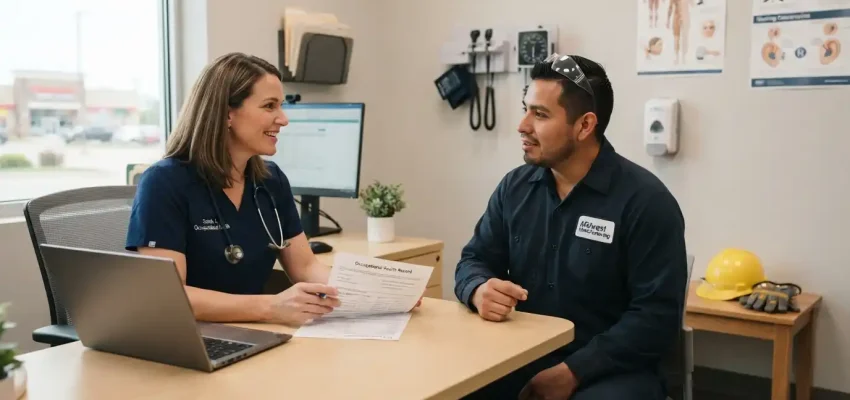

Maintaining a healthy and safe workforce is an essential part of running a successful organization. For employers in Elkhart, Indiana, occupational health services can help address employee health needs, support workplace safety, and manage issues that may affect productivity. Beacon Occupational Health Elkhart is associated with workplace-focused healthcare services designed around the needs of employers and employees.
What Is Beacon Occupational Health Elkhart?
Beacon Occupational Health Elkhart focuses on healthcare needs connected to employment and workplace safety. Unlike general healthcare, occupational health is designed around the relationship between an employee’s health, job responsibilities, workplace conditions, and organizational requirements.
For businesses, this can mean having access to healthcare services that address employment-related screenings, workplace injuries, physical requirements, testing, and employee wellness. For workers, occupational health can provide a structured pathway for receiving appropriate care when a health concern is connected to their job.
This workplace-centered approach makes occupational health relevant across many industries, particularly organizations where employees perform physically demanding, safety-sensitive, or regulated work.
Why Occupational Health Matters for Employers
Employee health and workplace safety are closely connected. A workforce dealing with preventable injuries, untreated health concerns, or poorly managed return-to-work processes can create operational challenges for an organization.
A well-organized occupational health program can help businesses create a more consistent process for handling health-related workplace matters. It can also give employers a structured way to address employee concerns while keeping health and safety considerations at the center of workplace planning.
Businesses interested in broader wellness strategies can also explore related resources such as health and wellness programs and practical approaches to maintaining healthier lifestyles.
Key Occupational Health Services
The exact services available through an occupational health provider can vary, but several areas are particularly important for employers and employees.
Pre-Employment Health Screenings
Pre-employment screenings can help employers evaluate whether an applicant can safely perform the physical or functional requirements associated with a particular position. Depending on the role, an assessment may involve a medical evaluation, physical examination, testing, or other job-related requirements.
These evaluations can be especially relevant for positions involving physical activity, equipment operation, transportation, manufacturing, or other safety-sensitive responsibilities.
Workplace Injury Care
When an employee experiences a workplace injury, timely evaluation and appropriate follow-up are important. Occupational health services can help establish a process for assessing the injury, documenting relevant information, recommending appropriate care, and supporting a safe return to work when appropriate.
Effective injury management is not simply about treating an immediate problem. It can also involve communication between healthcare professionals, employees, and employers so that work-related restrictions and recovery considerations are properly understood.
Drug and Alcohol Testing
Some workplaces have testing requirements because of industry rules, company policies, or safety-sensitive job responsibilities. Occupational health providers can support employers with testing processes that are appropriate for their particular workplace requirements.
Because testing requirements can vary according to industry and jurisdiction, employers should establish clear policies and ensure that their procedures are appropriate for the positions and regulations involved.
Physical Examinations
Physical examinations may be required for certain jobs where employees need to meet specific health or functional requirements. Occupational health providers can help businesses organize these assessments as part of their broader employee health processes.
For employees, the purpose of a work-related examination is generally connected to the requirements of the position rather than replacing their regular primary healthcare relationship.
Hearing and Vision Screening
Hearing and vision are important considerations in many workplace environments. Employees working around machinery, vehicles, industrial equipment, or other hazards may have job responsibilities where appropriate sensory function is particularly important.
Workplace screening programs can help employers identify situations that may require further evaluation or workplace adjustments.
DOT Physicals and Transportation-Related Health Requirements
Employees working in commercial transportation may have additional medical requirements connected to their roles. Occupational health providers can assist with physical examinations and other employment-related health services where applicable.
Employers should always make sure transportation-related health requirements are handled according to the rules applicable to their specific operations and employees.
Workplace Wellness and Preventive Health
Occupational health is not limited to responding to injuries. Preventive health and employee wellness can also form an important part of a workplace health strategy.
Wellness initiatives may encourage healthier habits, increase awareness of common health risks, and give employees opportunities to take a more proactive approach to their well-being. Organizations looking for broader wellness ideas can also review resources such as health and wellness conversations and holistic health approaches.
Fitness can also contribute to an overall workplace wellness strategy. Employers interested in the relationship between physical activity and well-being may find sports and fitness resources useful when developing employee wellness initiatives.
How Occupational Health Supports Workplace Safety
Workplace safety involves more than equipment, procedures, and employee training. Health considerations can also influence whether employees are able to perform their responsibilities safely.
Occupational health services can contribute by providing health evaluations, injury management, testing, and other workplace-focused services. When these processes are integrated into an organization’s safety planning, employers can respond more consistently to health-related workplace issues.
For organizations with employees performing demanding work, maintaining a culture that takes health seriously can complement other safety initiatives. Broader workplace and employee-care resources, including quality healthcare services, can also help readers understand the wider role healthcare plays in supporting people beyond the workplace.
Managing Workplace Injuries Effectively
A workplace injury can affect an employee, their team, and the organization. Having a defined process before an incident occurs can make it easier to respond quickly and consistently.
An effective workplace injury process may include immediate assessment, appropriate medical care, documentation, communication with relevant parties, follow-up, and a carefully managed return-to-work process.
The goal should be to support the employee’s recovery while helping the organization maintain a safe working environment. Employees with health concerns outside of workplace injuries may also benefit from understanding general healthcare decision-making, including the considerations discussed in medical care decisions and patient autonomy.
Employee Wellness Beyond the Workplace
Workplace health does not exist in isolation. Sleep, nutrition, exercise, stress, preventive care, and everyday lifestyle choices can all influence how employees feel and function.
For example, nutrition is one part of maintaining an overall healthy routine. Readers interested in dietary options can explore lactose-free breakfast ideas as one example of how food choices can fit into a broader wellness routine.
Physical activity is another important component. Employees who struggle to maintain exercise habits may find practical ideas in strategies for getting back into a fitness routine.
Skincare and personal wellness can also form part of everyday self-care. Related resources include this guide to personal skincare planning and an overview of natural skincare companies.
Occupational Health and Employee Support
A strong workplace health strategy should recognize employees as people rather than simply treating health as a compliance requirement. Clear communication, accessible resources, and appropriate healthcare pathways can contribute to a workplace culture where employees understand the importance of looking after their health.
Different employees may have different healthcare needs. Resources covering specialized areas of healthcare, such as patient-focused medical care or lactation and healthcare questions, demonstrate why workplace health programs should be flexible enough to recognize individual circumstances.
Organizations can also consider how employee mental well-being intersects with work. Career and healthcare professionals interested in mental health-related employment opportunities may find mental health career resources useful for understanding the wider field.
Why Local Occupational Health Access Matters
For Elkhart-area employers, access to workplace-focused healthcare can simplify the process of coordinating services that are specifically relevant to employees and their job responsibilities.
A local occupational health provider can be particularly useful when a business needs recurring screenings, injury-related care, employment examinations, or other workplace health services. Having an established healthcare resource can also make it easier for organizations to develop consistent procedures rather than handling every situation on an ad hoc basis.
Choosing an Occupational Health Partner
Businesses evaluating an occupational health provider should consider several practical factors. These include the range of services offered, appointment availability, experience with workplace-related healthcare, communication processes, documentation procedures, and the needs of the industries served.
Employers should also consider whether the provider can support both immediate workplace needs and longer-term employee wellness goals. A provider that fits the organization’s operational requirements can become a useful component of its broader health and safety strategy.
For organizations looking at healthcare from a wider perspective, resources such as wellness solutions and holistic health information can provide additional context around the broader wellness landscape.
Building a Stronger Workplace Health Strategy
Occupational health works best when it is connected to the organization’s wider approach to safety, employee support, and operational planning. Employers can strengthen their programs by clearly defining workplace health procedures, communicating expectations to employees, keeping documentation organized, and reviewing their approach as business needs change.
Prevention should remain an important part of the strategy. Regular health screenings, appropriate workplace training, wellness initiatives, and timely attention to employee concerns can all contribute to a healthier working environment.
At the same time, businesses should avoid treating occupational health as a substitute for an employee’s personal healthcare provider. Workplace healthcare and primary healthcare serve different purposes, and employees may need both depending on their individual circumstances.
Final Thoughts on Beacon Occupational Health Elkhart
Beacon Occupational Health Elkhart represents the type of workplace-focused healthcare resource that can help employers address employee health, injury management, screenings, testing, and wellness needs in a structured way.
For Elkhart businesses, a thoughtful occupational health strategy can support safer workplaces while creating clearer processes for handling health-related employment matters. From pre-employment assessments and physical examinations to injury care and wellness initiatives, workplace health services can form an important part of a company’s broader employee-support system.
The most effective approach is one that combines occupational healthcare with strong workplace safety practices, clear communication, preventive thinking, and respect for each employee’s individual healthcare needs.