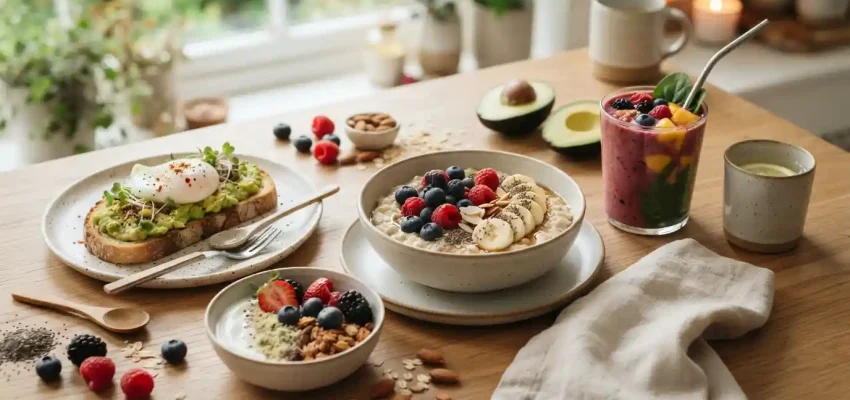

From oat milk and coconut yogurt to eggs, avocado, fruit, whole grains, smoothies, and dairy-free pancakes, a lactose-free breakfast can be both convenient and nutritious. The key is knowing which ingredients provide protein, fiber, healthy fats, and lasting energy while avoiding hidden dairy ingredients.
This guide compares popular lactose-free breakfast choices, explains what makes them different, and provides practical ideas you can adapt to your own routine.
What Makes a Breakfast Lactose-Free?
Lactose is the natural sugar found in milk and many traditional dairy products. People who have difficulty digesting lactose may experience symptoms after consuming foods containing significant amounts of it.
A lactose-free breakfast replaces conventional dairy ingredients with naturally dairy-free foods or suitable alternatives. That can include plant-based milk, dairy-free yogurt, eggs, fruit, vegetables, grains, nuts, seeds, and other minimally processed ingredients.
It is also important to remember that lactose-free and dairy-free are not always identical. Some lactose-free products are still made from cow’s milk but have the lactose removed or broken down. People who need to avoid milk proteins for allergy-related reasons may need genuinely dairy-free products instead.
For broader wellness inspiration, readers may also explore practical wellness conversations and the site’s coverage of health and wellness.
20 Lactose-Free Breakfast Foods to Try
1. Oatmeal With Fresh Fruit
Oatmeal is one of the easiest lactose-free breakfast foods to customize. Cook rolled or steel-cut oats with water or a plant-based milk such as oat, almond, or soy milk. Add berries, bananas, apples, chia seeds, cinnamon, or nuts for extra flavor and texture.
For a more filling meal, combine oatmeal with nut butter or seeds. This adds healthy fats and can make a simple bowl more satisfying.
2. Dairy-Free Overnight Oats
Overnight oats are ideal for busy mornings because they can be prepared the night before. Combine oats with your preferred plant-based milk, chia seeds, fruit, and a little cinnamon. Refrigerate overnight and add toppings in the morning.
Unlike a cooked breakfast, overnight oats require almost no morning preparation, making them useful for people who need something portable and convenient.
3. Avocado Toast
Avocado toast provides a creamy texture without using butter, cream cheese, or other dairy ingredients. Spread ripe avocado over whole-grain toast and finish with black pepper, tomato, cucumber, seeds, or a poached egg.
The combination of carbohydrates, fiber, and healthy fats can make avocado toast a more substantial breakfast than plain toast alone.
4. Eggs and Vegetable Scramble
Eggs are naturally lactose-free and can serve as the centerpiece of a protein-focused breakfast. Scramble them with spinach, mushrooms, bell peppers, tomatoes, onions, or herbs.
If you previously used milk to make scrambled eggs softer, you can simply experiment with cooking technique or use a small amount of unsweetened plant-based milk.
5. Liquid Egg White Omelet
Liquid egg whites can be useful for people who want a high-protein breakfast without dairy. Whisk them with vegetables, herbs, and seasonings, then cook them into an omelet or scramble.
Because egg whites are relatively lean, consider pairing them with avocado, whole-grain toast, nuts, or another source of healthy fat when you want a more complete meal.
6. Dairy-Free Smoothie
Smoothies make it easy to combine several breakfast ingredients in one glass. Start with almond, oat, soy, or coconut milk and add berries, banana, spinach, nut butter, chia seeds, or a suitable dairy-free protein powder.
For a thicker smoothie, frozen fruit works particularly well. You can also turn the mixture into a smoothie bowl and top it with granola, seeds, and fresh fruit.
7. Coconut Yogurt Parfait
Coconut-based yogurt can provide the creamy consistency many people associate with traditional yogurt. Layer it with berries, bananas, nuts, seeds, and granola for a colorful breakfast parfait.
Check the nutrition label before choosing a product because some flavored alternatives contain significant amounts of added sugar.
8. Almond Yogurt With Granola
Almond-based yogurt offers another option for people looking for a dairy-free alternative. Pair it with low-sugar granola and fresh fruit for a quick breakfast that requires almost no cooking.
If protein is important to you, compare labels because protein levels can vary considerably between plant-based yogurt products.
9. Dairy-Free Pancakes
You do not have to eliminate pancakes from a lactose-free diet. Replace conventional milk with oat, almond, soy, or another suitable plant-based alternative.
Top the pancakes with berries, sliced banana, nut butter, cinnamon, or a small amount of maple syrup. If a recipe calls for butter, use a suitable dairy-free spread or cooking oil instead.
10. Banana Oat Pancakes
Mashed banana and oats can create a naturally satisfying pancake base. Combine them with eggs and a suitable dairy-free ingredient to create a simple breakfast without conventional milk.
Bananas provide natural sweetness, reducing the need for large amounts of added sugar.
11. Chia Seed Pudding
Chia seeds absorb liquid and develop a pudding-like texture after several hours. Combine them with almond, coconut, oat, or soy milk and refrigerate overnight.
In the morning, add berries, kiwi, mango, coconut flakes, or nuts. Chia pudding is particularly useful when you want a breakfast that can be prepared ahead of time.
12. Peanut Butter Banana Toast
For a fast breakfast, spread peanut butter over whole-grain toast and add sliced banana. The result combines carbohydrates, plant-based protein, healthy fats, and natural sweetness.
Always check the ingredient labels on flavored nut butters and bread if you need to avoid dairy completely.
13. Breakfast Burrito Without Dairy
A breakfast burrito can easily be made lactose-free by combining scrambled eggs, beans, avocado, salsa, vegetables, and a whole-grain tortilla.
Traditional cheese and sour cream can be omitted or replaced with suitable dairy-free alternatives. Fresh salsa and avocado provide enough moisture and flavor to keep the burrito satisfying.
14. Sweet Potato Breakfast Bowl
Roasted sweet potatoes can form the foundation of a hearty breakfast bowl. Add eggs, avocado, spinach, black beans, pumpkin seeds, and fresh herbs for a savory combination.
This option works particularly well for people who prefer a substantial breakfast rather than something sweet.
15. Fruit and Nut Breakfast Bowl
When you need something simple, combine several types of fruit with almonds, walnuts, pumpkin seeds, sunflower seeds, or another preferred topping.
For additional energy and staying power, add nut butter or serve the fruit alongside a protein source such as eggs or a suitable dairy-free yogurt.
16. Quinoa Breakfast Bowl
Quinoa is not limited to lunch and dinner. Its mild flavor makes it a useful breakfast grain that can be served with fruit, cinnamon, nuts, seeds, and plant-based milk.
You can prepare a batch in advance and reheat individual portions throughout the week.
17. Dairy-Free Breakfast Sandwich
A breakfast sandwich can remain completely satisfying without cheese. Use whole-grain bread or an English muffin, then add eggs, avocado, tomato, spinach, and a dairy-free spread.
For a savory option, season the eggs with black pepper, paprika, garlic, or fresh herbs.
18. Apple Cinnamon Oat Bowl
For a warm and comforting breakfast, cook oats with diced apple and cinnamon. Add walnuts, chia seeds, or almond butter after cooking.
This combination is especially useful when you want a naturally sweet breakfast without relying heavily on refined sugar.
19. Breakfast Hash
A breakfast hash can combine potatoes or sweet potatoes with vegetables and eggs. Add onions, peppers, spinach, mushrooms, or tomatoes to create a colorful skillet meal.
Since the dish does not require cheese or cream, it is easy to keep lactose-free while still delivering plenty of flavor.
20. Dairy-Free Breakfast Wrap
Breakfast wraps are another flexible option. Fill a tortilla with eggs, beans, avocado, vegetables, and salsa, then roll everything together for a portable meal.
For people with busy schedules, preparing several wraps in advance can simplify weekday breakfasts.
Lactose-Free Milk Alternatives Compared
Choosing the right milk alternative can change the flavor and nutritional profile of a breakfast. Almond, oat, soy, and coconut milk each work differently.
- Almond milk: Light, mildly nutty, and useful for cereal, smoothies, and coffee.
- Oat milk: Creamier and naturally sweeter, making it particularly popular for oatmeal and coffee.
- Soy milk: A useful option when you want a plant-based milk with comparatively more protein.
- Coconut milk: Rich and distinctive, especially useful in smoothies and tropical-inspired breakfasts.
Nutrition can vary significantly between brands, so compare labels for added sugar, protein, calories, and ingredients before choosing a daily staple.
Lactose-Free Yogurt: What Should You Look For?
Plant-based yogurts can make breakfast more convenient, but they are not nutritionally identical. Some varieties are primarily designed for texture and flavor, while others are fortified or formulated to provide more protein.
When comparing options, look at protein, added sugar, calcium, vitamin D, and serving size. Unsweetened varieties can provide more flexibility because you can add sweetness with fruit rather than relying entirely on added sugars.
If you are building a broader health-focused lifestyle, combining breakfast improvements with regular movement can also be useful. AnchorEra’s guides on fitness motivation, getting back into the gym, and understanding what your body can handle provide related lifestyle reading.
How to Build a Balanced Lactose-Free Breakfast
A useful breakfast does not need to contain every possible nutrient in equal amounts. Instead, think about combining several food groups.
Start With Protein
Eggs, beans, tofu, seeds, nuts, soy products, and suitable dairy-free protein products can help create a more substantial meal.
Add Fiber-Rich Carbohydrates
Whole-grain bread, oats, quinoa, fruit, vegetables, and sweet potatoes can provide carbohydrates along with varying amounts of fiber.
Include Healthy Fats
Avocado, nuts, seeds, olive oil, and nut butters can add richness and help transform a light breakfast into something more satisfying.
Finish With Fruit or Vegetables
Adding produce gives breakfast more color, texture, flavor, and nutritional variety. Berries, bananas, apples, spinach, tomatoes, mushrooms, and peppers are all easy choices.
Common Mistakes When Choosing Lactose-Free Foods
Removing dairy does not automatically make a food healthier. A lactose-free cookie, sweetened plant-based yogurt, or highly processed dairy substitute may still contain substantial amounts of sugar, sodium, or other ingredients you may want to limit.
Another common mistake is focusing so heavily on avoiding lactose that protein and overall meal balance are overlooked. A breakfast consisting only of fruit, for example, may not be as satisfying as fruit combined with nuts, seeds, eggs, or another suitable protein source.
It is also worth checking ingredient labels carefully. Dairy ingredients can appear in packaged foods where you may not expect them, while lactose-free products may still contain milk proteins.
Meal-Prep Ideas for Busy Mornings
Lactose-free breakfast planning becomes easier when you prepare a few ingredients in advance.
- Cook a batch of oatmeal or quinoa for several mornings.
- Prepare overnight oats in individual containers.
- Wash and portion fruit ahead of time.
- Roast sweet potatoes for breakfast bowls.
- Prepare chopped vegetables for omelets and scrambles.
- Keep nuts, seeds, and nut butter available for quick toppings.
- Prepare smoothie ingredients in freezer-ready portions.
For additional lifestyle inspiration, you can explore yoga and wellness practices or read about sports, fitness, and active living.
When Eating Out
Eating a lactose-free breakfast at home is usually straightforward, but restaurant menus require more attention. Ask whether eggs are prepared with butter or milk, whether pancakes contain dairy, and whether sauces or spreads include cream or cheese.
Restaurants may also use butter on toast, griddles, or vegetables even when the dish description does not emphasize it. Clear communication with restaurant staff can help you identify suitable choices.
For readers interested in food experiences beyond breakfast, AnchorEra also covers restaurants such as Okinawa Restaurant Yorktown, Pinconning restaurants, and Upside Restaurant Corolla.
Lactose-Free Does Not Have to Mean Boring
The biggest advantage of lactose-free eating is the variety available today. You can build a breakfast around traditional whole foods or experiment with plant-based alternatives depending on your preferences.
Oatmeal, eggs, avocado toast, smoothies, chia pudding, dairy-free yogurt, breakfast wraps, pancakes, quinoa bowls, and vegetable hashes all offer different textures and flavors. Rotating between sweet and savory options can prevent your morning routine from becoming repetitive.
For anyone interested in food trends from a broader industry perspective, AnchorEra also explores the digital transformation of the food and beverage industry.
Frequently Asked Questions
What are the best lactose-free breakfast foods?
Some of the most versatile options include oatmeal, eggs, avocado toast, dairy-free yogurt, smoothies, chia pudding, fruit, nuts, seeds, sweet potatoes, quinoa, and dairy-free pancakes.
Can I eat eggs on a lactose-free diet?
Yes. Eggs are naturally lactose-free. However, recipes containing milk, cream, cheese, or butter may add dairy ingredients, so preparation matters.
Is oat milk lactose-free?
Pure oat milk is made from oats and water rather than cow’s milk, so it does not naturally contain lactose. Check the product label if you have additional dietary restrictions.
Is Greek yogurt lactose-free?
Traditional Greek yogurt is made from milk and can contain lactose, although it may contain less lactose than some other dairy products. If you need to avoid lactose, choose a clearly labeled lactose-free or dairy-free alternative.
What can I use instead of milk in pancakes?
Unsweetened oat, almond, soy, or coconut milk can often be used in place of conventional milk, depending on the recipe and desired flavor.
Are lactose-free foods automatically dairy-free?
No. Lactose-free products can still contain milk proteins. People who need to avoid dairy entirely should look specifically for dairy-free products and review ingredient labels.
Final Thoughts
Building a satisfying breakfast without lactose is easier when you focus on ingredients rather than restrictions. Start with a protein source, add fiber-rich carbohydrates, include healthy fats, and finish with fruit or vegetables.
Whether you prefer a warm bowl of oatmeal, a vegetable omelet, avocado toast, a smoothie, or a make-ahead chia pudding, there are plenty of ways to create a breakfast that tastes good and fits your dietary needs.
The best lactose-free breakfast is ultimately the one that fits your preferences, routine, nutritional goals, and tolerance. With a little preparation and label awareness, mornings can remain convenient, varied, and genuinely enjoyable.