
Your roof is the single most important protective system on your home, and choosing the wrong contractor can turn a straightforward project into a financial nightmare. Knowing how to choose a roofing contractor in USA markets in 2026 means understanding licensing, insurance, warranties, pricing structures, and the red flags that separate reputable professionals from storm-chasing scammers. With the average roof replacement costing $8,000 to $20,000, this is not a decision to rush.
Every year, thousands of American homeowners fall victim to roofing fraud — from contractors who take deposits and disappear to companies that install substandard materials and refuse to honor warranties. The good news is that a systematic vetting process eliminates nearly all of this risk. This guide walks you through every step to choose a roofing contractor in USA neighborhoods with confidence, from the first Google search to the final inspection.
Why Choosing the Right Roofing Contractor Matters
A roof installation is only as good as the crew that installs it. Industry studies consistently show that most premature roof failures stem from poor workmanship, not defective materials. A misaligned shingle, improperly nailed flashing, or inadequate underlayment can cut a 30-year roof’s life in half — and manufacturer warranties will not cover installation errors.
The financial stakes are enormous. A full roof replacement on a typical American single-family home runs $8,000 to $20,000 depending on size, material, and region. Repairs, while smaller, still cost hundreds to thousands. Choosing a contractor based on price alone is the most common and most expensive mistake homeowners make. Learning how to choose a roofing contractor in USA cities protects the biggest investment most families will ever make: their home.
Verify Licensing and Insurance First
Before discussing a single shingle, confirm the contractor is legally qualified to work on your roof. Requirements vary by state, and this is where many homeowners get tripped up.
State Licensing Requirements
Most US states require roofing contractors to hold a specific license or registration. Texas and a handful of other states have no state-level roofing license, which makes vetting even more critical there — check with your city or county for local requirements. In states like California, Florida, and Illinois, you can verify a license number online through the state contractor board in under two minutes. Never accept “my license is pending” or “I work under someone else’s license” — both are major red flags.
Ask for the license number upfront and verify it yourself. Check that it is active, in good standing, and covers roofing specifically (a general handyman license may not authorize roofing work). If you are comparing metal roof vs shingles cost options, make sure the contractor is experienced with your chosen material — metal roofing requires specialized skills that shingle-only crews may lack.
Insurance: The Non-Negotiable
Demand proof of two policies: general liability insurance (minimum $1 million) and workers’ compensation. Roofing is among the most dangerous construction trades, and if an uninsured worker falls from your roof, you could be held liable for medical bills. Ask the contractor to have their insurer email you a certificate of insurance directly — never accept a photocopy the contractor provides, as these can be forged.
Also confirm the policy is current and names the contracting company (not just an individual). This single step filters out a huge percentage of fly-by-night operators. Any hesitation to provide insurance documentation means you should keep looking.
Research Reputation and Track Record
Online Reviews and Ratings
Start with Google Business reviews, the Better Business Bureau, and Yelp. Look for contractors with 50+ reviews averaging 4.5 stars or better. Read the negative reviews carefully — how a company responds to complaints reveals its character. A pattern of complaints about leaks after installation, refused warranty claims, or poor communication should send you elsewhere.
Check how long the company has been in business under its current name. Some disreputable contractors close and reopen under new names every few years to shed bad reviews. A company with a decade or more of continuous operation in your area has a reputation to protect — and will still be around if warranty issues arise. This matters enormously when you need roof leak repair five years after installation.
Local References and Past Work
Ask for at least three references from jobs completed in the past year, ideally in your neighborhood. Call them. Ask specific questions: Did the crew show up on schedule? Was the site cleaned daily? Were there surprise charges? Would you hire them again? Drive by a recent job if possible to see the finished work with your own eyes.
Local presence matters for another reason: manufacturer warranties often require the installer to be certified, and storm damage claims go smoother with a contractor who knows local adjusters and building codes. A contractor who understands hail damage roof repair in Texas may not know the first thing about ice dam prevention in Minnesota — hire local expertise.
Get Multiple Detailed Estimates
What a Good Estimate Includes
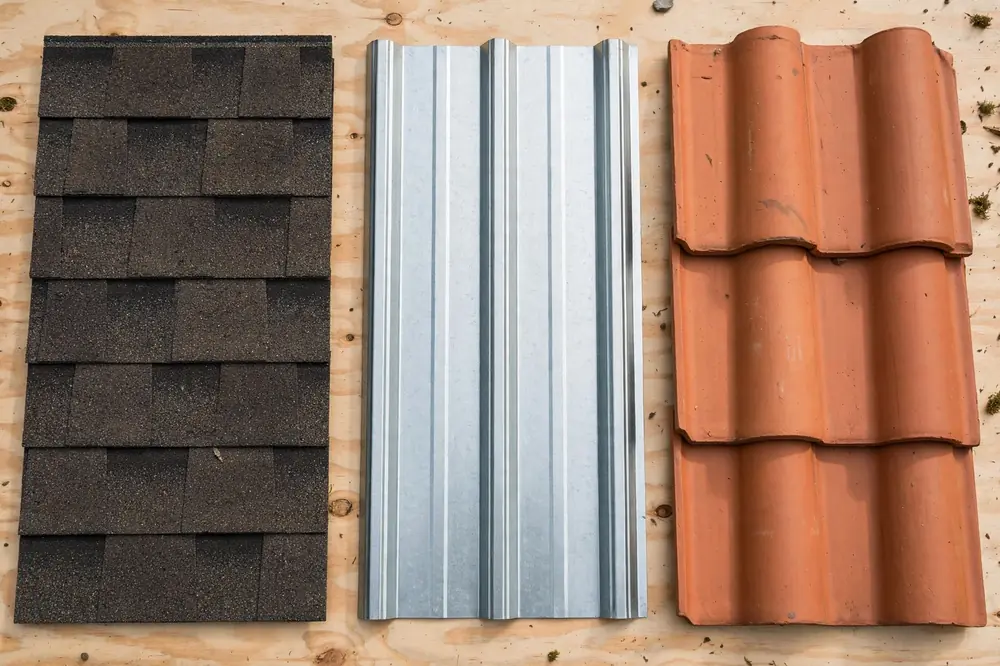
Collect at least three written estimates. Each should itemize: the exact roofing material (brand, style, color), underlayment type, flashing replacement scope, ventilation work, tear-off and disposal fees, permit costs, project timeline, payment schedule, and warranty terms. Vague one-page quotes that just say “new roof: $12,000” are worthless for comparison.
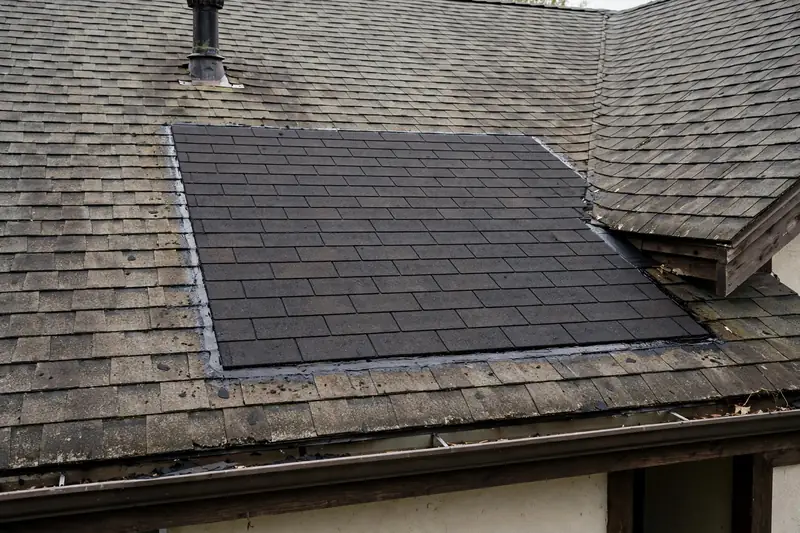
Pay attention to what is included versus excluded. Does the price cover replacing damaged decking (and at what per-sheet cost)? Is gutter installation or gutter reattachment included? What about roof flashing repair around chimneys and skylights? The cheapest bid often excludes items the others include, making it the most expensive choice once change orders pile up.
Understanding Pricing
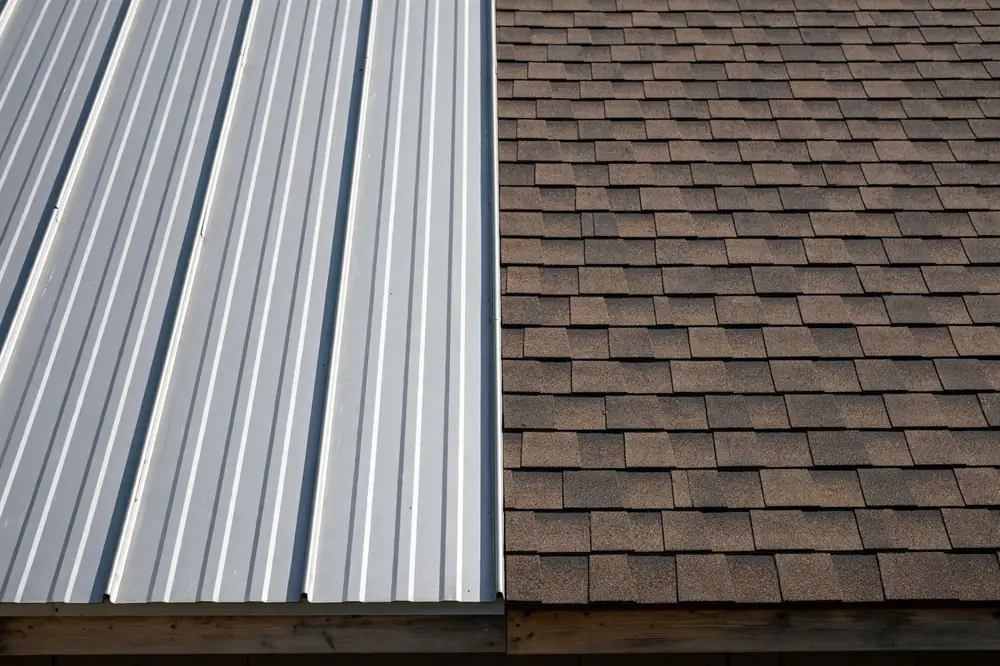
In 2026, expect $4.50 to $8.50 per square foot for architectural shingles installed, $9 to $16 for metal, and higher for tile or slate. Bids far below market rate signal corner-cutting — uninsured labor, reused flashing, skipped underlayment. Bids far above may include unnecessary upsells. If one estimate is dramatically different from the others, ask why before deciding.
Never choose based on price alone. A $2,000 saving on installation means nothing if poor workmanship forces a flat roof replacement-level expense a decade early. The best value is a fairly priced job done right the first time.
Ask the Right Questions
When you meet each contractor, these questions separate professionals from pretenders:
Who will actually be on my roof? Some companies sell the job then subcontract to unknown crews. Ask whether the workers are company employees or subcontractors, and who supervises the site daily.
What is your tear-off and disposal process? Reputable contractors remove all old layers (most codes allow max two), inspect the decking, and protect landscaping with tarps. Ask how they handle unexpected deck rot and what it costs per sheet.
What underlayment and ventilation do you recommend? The answers reveal expertise. A contractor who brushes off roof ventilation questions does not understand building science — and poor ventilation voids many manufacturer warranties.
What warranties do you offer? There are two: the manufacturer’s material warranty (20-50 years) and the contractor’s workmanship warranty (demand at least 5 years, preferably 10). Get both in writing. Understand what roof warranty coverage actually includes before you sign.
Will you pull the permit? The answer must be yes. Permits trigger inspections that verify code compliance. A contractor who suggests skipping permits is asking you to accept uninspected work — walk away.
What is the payment schedule? Standard practice: 10-30% deposit, progress payments tied to milestones, final payment only after your satisfaction and final inspection. Never pay in full upfront.
Red Flags: When to Walk Away
Door-to-door solicitation after a storm. Storm chasers flood neighborhoods after hail or wind events, offering “free inspections” and pressuring quick signatures. Some are legitimate; many vanish after collecting insurance checks. Always vet independently — never sign with someone who knocked on your door without doing your own research on hail damage roof repair first.
Demanding cash or full payment upfront. This is the classic scam setup. Legitimate contractors accept checks and cards and tie payments to completed work.
No physical business address. A P.O. box or residential address with no office suggests a transient operation. You need a company that will exist in five years when you call about a leak.
High-pressure “today only” pricing. Reputable contractors give you time to compare bids and check references. Urgency tactics mean they fear scrutiny.
Unwillingness to provide references or insurance. Professionals provide these cheerfully. Evasion is disqualifying.
Asking you to sign an Assignment of Benefits. In some states, shady contractors use AOB forms to take control of your insurance claim. Understand what you are signing — or better, do not sign it.
Understanding Warranties
Material warranties from manufacturers like GAF, Owens Corning, and CertainTeed range from 25 years to lifetime, but they cover defects — not installation errors, which cause most failures. That is why the contractor’s workmanship warranty matters more in practice. Get it in writing with clear terms: duration, what is covered, and the process for filing a claim.
Ask whether the contractor is a manufacturer-certified installer. Certification (like GAF Master Elite) often unlocks enhanced warranties covering both materials and workmanship for up to 25-50 years. Only a small percentage of contractors earn these designations, and they are worth seeking out. Keep all warranty documents, contracts, and permits in one folder — you will need them if you ever file a roof insurance claim.
After You Choose: Managing the Project
Once you have chosen your contractor, get everything in writing: scope of work, materials, timeline, payment schedule, warranties, and cleanup expectations. Confirm the start date and daily work hours. Ask how the crew will protect your landscaping, siding, and attic belongings from debris.
During installation, the project manager should update you daily and be reachable by phone. A typical shingle replacement takes 1-3 days; metal takes longer. Do not make the final payment until the job passes municipal inspection, the site is clean (run a magnet over the yard for nails yourself), and you have received warranty paperwork.
Schedule a professional roof inspection annually after installation, keep gutters clean, and address small issues promptly. Even the best roof needs maintenance — knowing how long a roof lasts by material helps you plan for the future. A great contractor becomes a long-term partner in protecting your home, not just a one-time vendor.
Frequently Asked Questions
How many estimates should I get?
Three is the minimum for a fair comparison. Five is ideal for large or complex projects. Fewer than three means you cannot spot outliers in pricing or scope.
Should I choose the lowest bid?
Rarely. The lowest bid often excludes necessary work or uses inferior materials and labor. Choose the best value — fair price, strong warranty, verified reputation — not the lowest number.
Can I negotiate with a roofing contractor?
Yes, within reason. Ask whether they can match a competitor’s price on identical scope, or throw in upgrades like better underlayment. Do not push so hard that the contractor cuts corners to preserve margin.
What if my contractor finds hidden damage?
Decking rot is common and legitimate. Your contract should state the per-sheet replacement cost upfront ($75-$200 per sheet typical). The contractor should photograph damage and get your approval before proceeding.
Learning how to choose a roofing contractor in USA markets is the highest-leverage step in any roofing project. Take your time, verify everything, get it in writing — and your new roof will protect your home for decades. For ongoing care, explore our guides on cleaning roof shingles safely and gutter installation cost in USA to keep your entire roofing system in top shape.