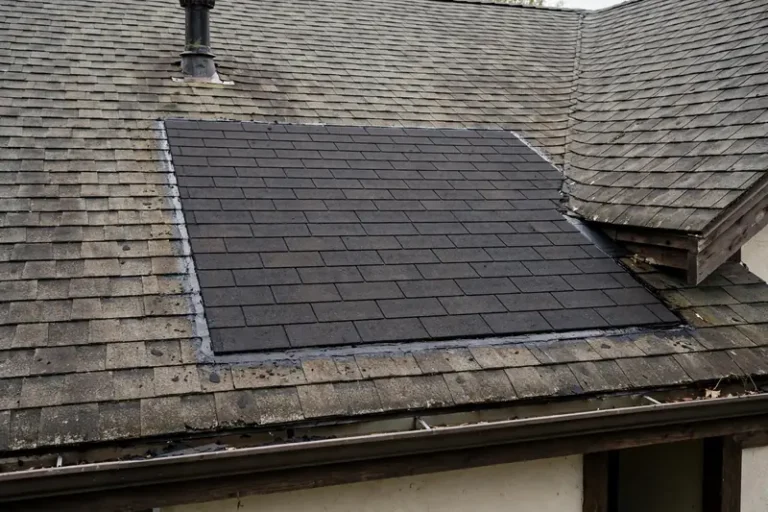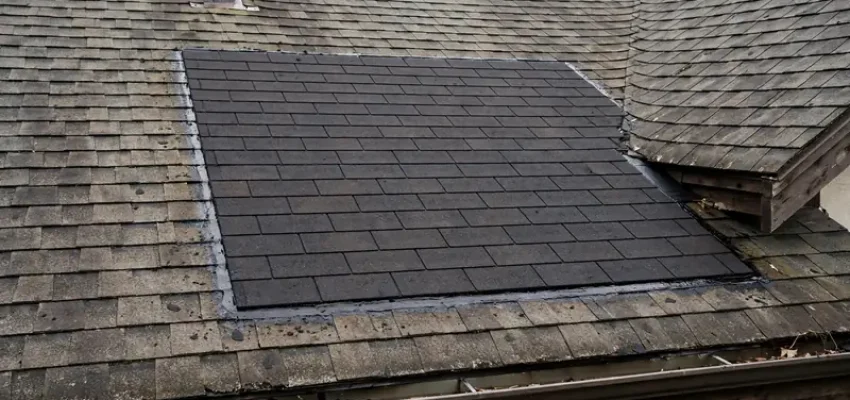

A water stain spreading across your ceiling, the drip-drip-drip in the attic during a rainstorm, a musty smell that was not there last month — roof leaks demand fast action. Understanding the roof leak repair cost in USA markets in 2026 helps you act quickly without overpaying, distinguish minor fixes from major problems, and know when a “simple leak” signals the need for full replacement.
Roof leaks are among the most common — and most consequential — home repairs in America. Left unaddressed, a small leak rots decking, breeds mold, destroys insulation, and damages interiors. The difference between a $200 repair caught early and a $5,000 restoration after months of neglect is simply speed of response. This guide covers everything: costs, causes, the repair process, and how to prevent the next leak.
Average Roof Leak Repair Cost USA 2026
Most roof leak repairs in the USA cost $350 to $1,200 in 2026, with the national average around $650. Minor repairs — resealing flashing, replacing a few shingles, patching a small puncture — run $200-$500. Moderate repairs involving flashing replacement or deck patching cost $500-$1,500. Extensive repairs with significant deck rot or structural issues can reach $2,000-$5,000+.
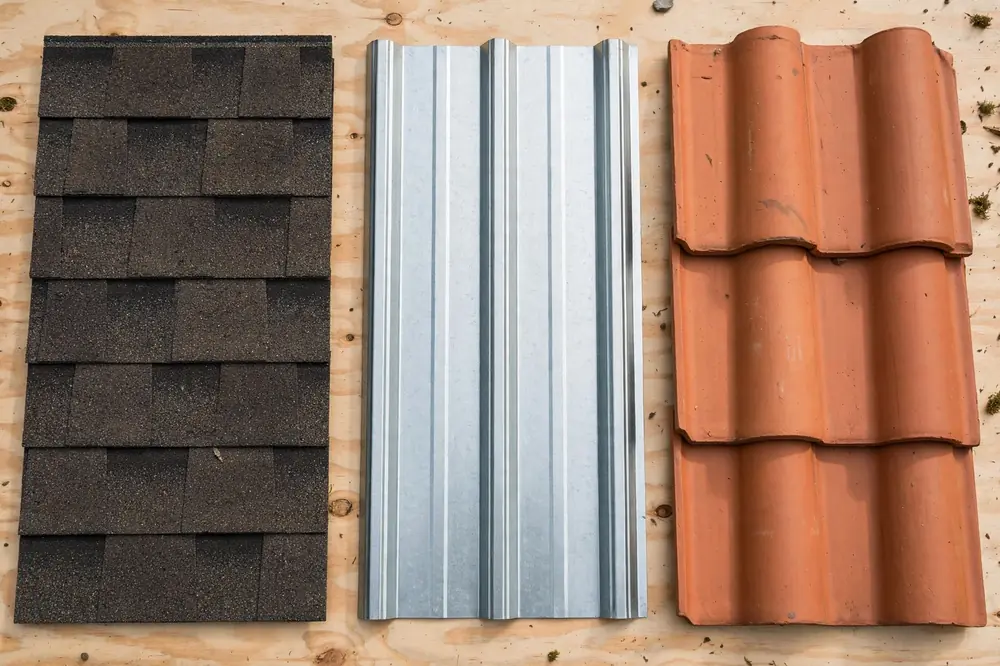
Several factors drive where your repair falls in this range. Roof pitch matters: steep roofs require safety equipment and slower work, adding 20-40% to labor. Material matters: tile and slate repairs cost more than shingle repairs due to material price and specialized labor. Accessibility matters: a leak over a simple ranch roof costs less to fix than one buried in a complex valley system on a three-story home. And region matters: labor rates in coastal metros run far higher than in the Midwest or South.
Emergency service commands a premium — typically 1.5 to 2 times standard rates for nights, weekends, or holidays. A temporary tarp installation ($200-$500) can stop active leaking until a permanent repair can be scheduled during business hours, often saving money overall versus emergency repair rates.
Common Causes of Roof Leaks
Failed Flashing
Flashing — the metal strips sealing roof penetrations and transitions — causes more leaks than any other single component. Chimney flashing, vent pipe boots, valley flashing, and skylight flashing all deteriorate over time. Rubber pipe boots crack after 8-12 years. Step flashing corrodes. Sealant dries and shrinks. A professional roof flashing repair costs $200-$600 per location and resolves the majority of leak calls.
Damaged or Missing Shingles
Wind lifts shingles, hail cracks them, and age curls them — each creating entry points for water. Individual shingle replacement costs $150-$400 per repair area. Widespread shingle damage across large roof sections, however, suggests the roof is nearing end of life; compare repair estimates against replacement using our guide on how long a roof lasts by material.
Clogged or Damaged Valleys
Roof valleys channel enormous water volumes and are leak-prone by design. Debris accumulation, deteriorated valley flashing, or improper original installation all cause valley leaks. Valley repairs run $400-$1,000 depending on length and complexity. Keeping valleys clear of leaves and branches is essential preventive maintenance.
Ice Dams
In northern states, ice dams — ridges of ice at the eaves that trap meltwater — force water backward under shingles. A single ice dam event can cause thousands in interior damage. Prevention (insulation, ventilation, ice-and-water shield) beats repair every time. See ice dam prevention for US homes for a complete strategy.
Skylight Leaks
Skylights are beautiful and leak-prone in roughly equal measure. Most “skylight leaks” are actually flashing failures around the skylight, not the skylight itself — a $300-$700 flashing repair versus a $1,500+ skylight replacement. Proper diagnosis matters. If the skylight itself has failed (fogged glass, cracked frame), see skylight installation cost in USA for replacement budgeting.
Poor Original Installation
Unfortunately common: missing underlayment, improperly lapped shingles, inadequate nailing, or skipped ice-and-water shield. Installation-defect leaks often appear within the first 5 years and may be covered by the contractor’s workmanship warranty — another reason to carefully choose a roofing contractor in USA markets and keep warranty documentation.
The Leak Repair Process: What to Expect
Step 1: Leak Detection
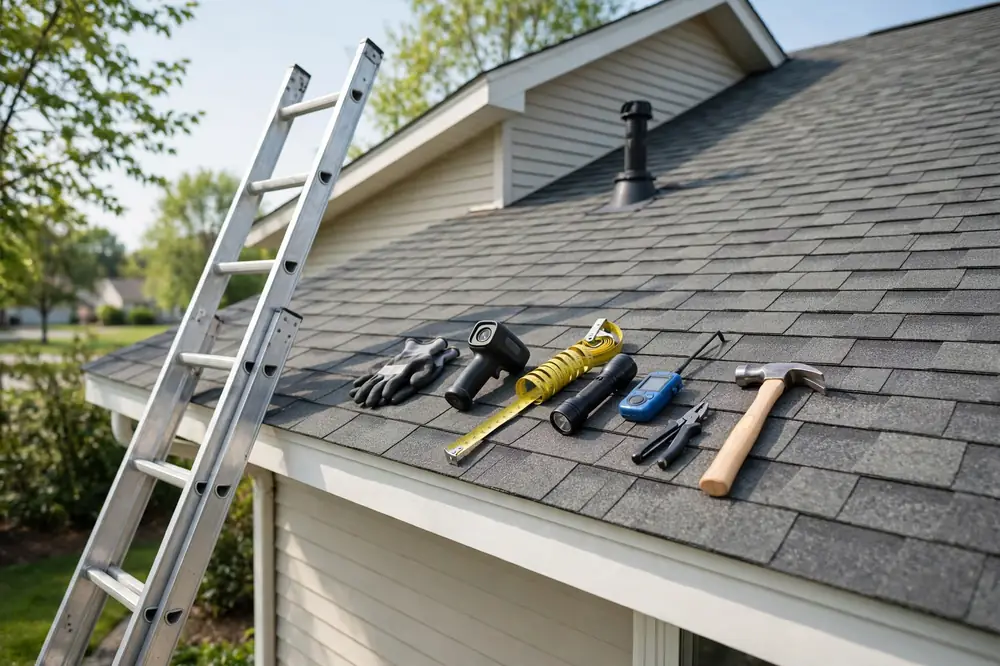
Finding the leak’s source is often harder than fixing it — water travels along decking and rafters, so the interior stain may be feet away from the actual entry point. Professionals use systematic water testing (controlled hose application from low to high), attic inspection during rain, and sometimes infrared or moisture-meter technology. Diagnostic visits cost $150-$350, often credited toward the repair.
Be wary of anyone who diagnoses from the ground without attic access. Proper leak detection requires getting eyes on both the roof surface and the underside of the decking. A thorough roof inspection frequently identifies the source when the leak’s origin is unclear.
Step 2: Repair Execution
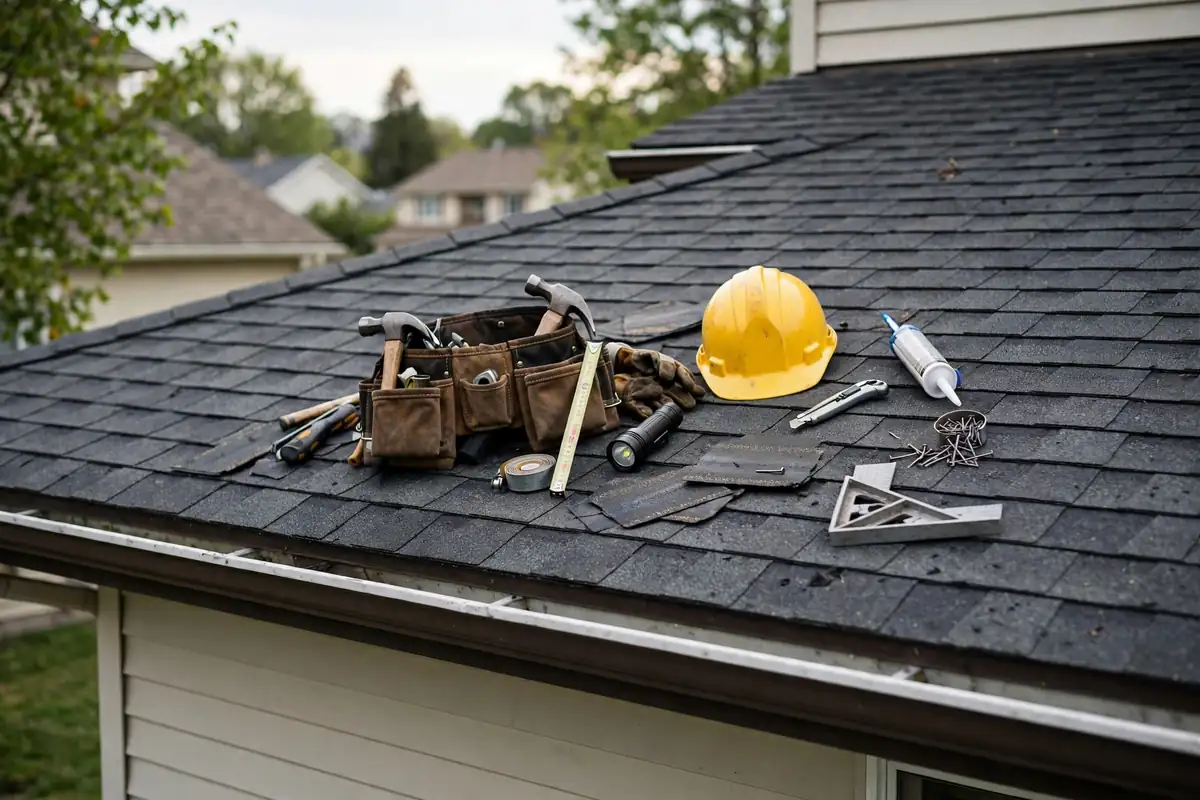
Most repairs take 2-4 hours. The roofer removes damaged materials, inspects and replaces rotted decking as needed, installs new flashing or shingles with proper underlayment, and seals everything to manufacturer specifications. For flashing work, quality contractors use new metal flashing rather than smearing sealant over old flashing — sealant-only “repairs” fail within a year or two.
Step 3: Interior Damage Assessment
Do not forget the inside. Water-damaged drywall, insulation, and framing need attention too. Wet insulation loses effectiveness and breeds mold — it should be replaced, not dried in place. Budget $500-$2,000 for typical interior restoration after a moderate leak. If mold has developed, professional remediation may be needed; our mold inspection cost guide helps you budget for assessment.
Roof Leak Repair Cost by Scenario
Minor shingle repair (few shingles): $150-$400. Quick fix, often completed in under two hours.
Pipe boot replacement: $200-$450. One of the most common repairs; the rubber boot around a vent pipe cracks with age.
Chimney flashing repair: $400-$900. Involves step flashing and counter-flashing; more labor-intensive.
Valley repair (10-foot section): $400-$1,000. Includes new valley flashing and surrounding shingles.
Skylight flashing rebuild: $300-$700. Fixes most skylight leaks without replacing the unit.
Decking replacement (4×8 section): $500-$1,200 including materials and labor. Required when rot is discovered.
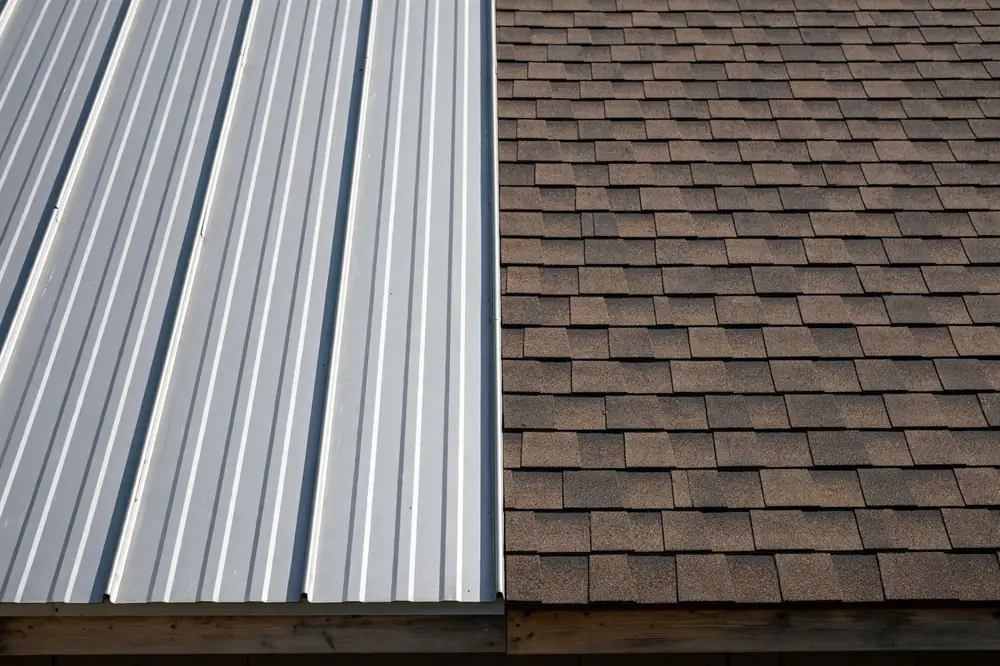
Multiple leak points / widespread issues: $1,500-$5,000+. At this level, get replacement bids too — the metal vs shingles cost comparison may show replacement is smarter long-term.
When Repair Is Not Enough: Signs You Need Replacement
Repair makes sense for isolated problems on a roof with substantial remaining life. Replacement is smarter when: the roof is past 75% of its rated lifespan with widespread issues, decking rot is extensive (multiple soft areas), repairs are needed annually (the “good money after bad” trap), or storm damage is severe enough that insurance covers replacement. A trusted contractor gives honest guidance here — which is why the vetting process to choose a roofing contractor matters so much.
If damage came from a storm, do not pay out of pocket before exploring insurance. Document everything with photos, get a professional assessment, and review how to file a roof insurance claim before authorizing major work.
How to Prevent Future Leaks
Annual professional inspections catch 90% of leak sources before they fail. Clean gutters twice yearly — overflowing gutters back water under shingles at the eaves. Trim overhanging branches that abrade shingles and drop debris into valleys. Maintain flashing by resealing exposed sealant every 3-5 years. Ensure proper attic ventilation — heat and moisture buildup deteriorates roofing from below (see roof ventilation why it matters). Address small issues immediately — a $200 fix today prevents a $2,000 repair next year.
After any repair, keep documentation: photos, invoices, and warranty terms. If the same area leaks again, you need records to enforce warranty claims. And maintain your roof warranty coverage in good standing with documented maintenance.
Dealing with Insurance
Homeowner’s insurance covers sudden, accidental roof damage (storms, fallen trees) but not wear and tear or neglected maintenance. If your leak resulted from a covered peril, file promptly — most policies have deadlines. The insurer sends an adjuster; having your own contractor’s assessment strengthens your position. Know your deductible and whether your policy pays actual cash value (depreciated) or replacement cost — the difference can be thousands.
Never sign a contract with a contractor before understanding your insurance position, and never let a contractor “handle everything” with your insurer without your active involvement. You can learn more in our roof insurance claim guide.
Frequently Asked Questions
Can I just put a bucket under it and wait?
No. Every day a leak continues, damage compounds — decking rots, mold grows, insulation saturates. What starts as a $300 repair becomes a $3,000 restoration within weeks or months. Act immediately.
Will a roof leak repair match my existing shingles?
Reasonably well, though exact color matching on aged roofs is impossible — sun fading changes shingle color over time. Repairs in inconspicuous areas are barely noticeable; highly visible areas may show slight variation. Discuss this with your contractor beforehand.
How long does a roof leak repair last?
A proper repair (new flashing, correctly installed shingles) lasts as long as the surrounding roof. A sealant-only patch lasts 1-3 years. Insist on proper repair, not caulk band-aids.
Should I file an insurance claim for a leak?
Only if the cause is a covered peril (storm, falling object) and the damage exceeds your deductible by a comfortable margin. Wear-and-tear leaks are not covered, and small claims can raise premiums. When in doubt, get a professional assessment first.
Roof leaks reward speed and punish delay. Know the warning signs, keep a trusted roofer’s number handy, and act the moment you spot trouble. For ongoing protection, schedule regular roof inspections, maintain your gutters, and address the small stuff before it becomes big stuff. Your roof protects everything you own — return the favor.