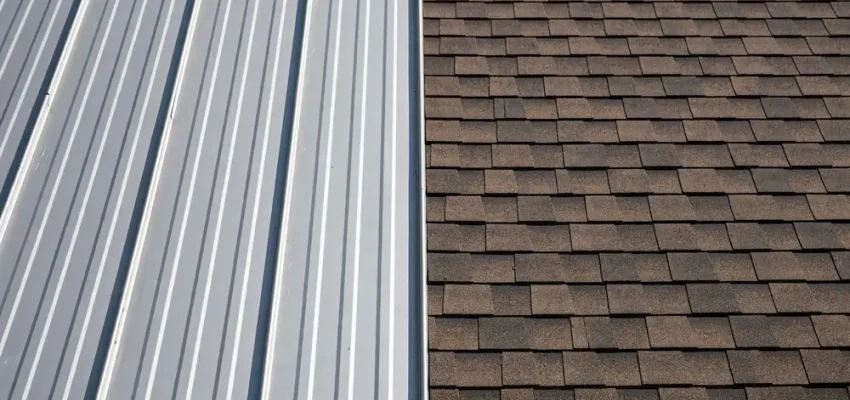

When it is time for a new roof, American homeowners face one major decision that affects cost, longevity, and curb appeal for decades: metal or shingles? A detailed metal roof vs shingles cost comparison for USA homes in 2026 shows that while metal costs two to three times more upfront, its lifespan can be two to three times longer — making the lifetime math surprisingly close. This guide breaks down every cost factor so you can choose with confidence.
Asphalt shingles cover roughly 80 percent of American homes because they are affordable and familiar. Metal roofing, once reserved for barns and commercial buildings, has surged in residential popularity thanks to improved aesthetics, energy efficiency, and durability. Understanding the true metal roof vs shingles cost picture — installation, maintenance, energy savings, and replacement timing — is essential before you commit tens of thousands of dollars.
Metal Roof vs Shingles Cost: The Headline Numbers
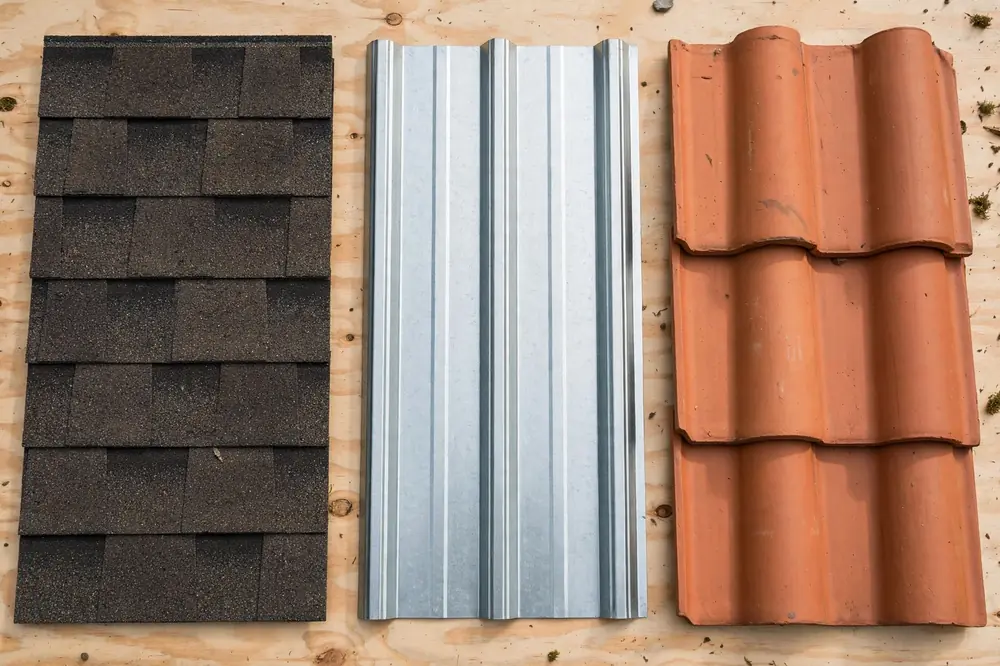
For a typical 2,000-square-foot American home in 2026, architectural asphalt shingles cost $8,000 to $16,000 installed ($4.50-$8.50 per square foot). A standing-seam metal roof on the same home runs $18,000 to $36,000 installed ($9-$18 per square foot). Metal shingles (stamped metal that mimics slate or tile) fall in between at $14,000 to $25,000.
That upfront gap looks dramatic, but lifespan changes the equation. Quality architectural shingles last 25-30 years. A metal roof lasts 40-70 years — meaning you will likely replace shingles twice (or even three times) before a metal roof needs replacement. Over 60 years, two shingle replacements can cost $20,000-$35,000 in future dollars, while one metal roof costs $18,000-$36,000 once. The lifetime costs are closer than most homeowners expect.
Asphalt Shingles: Costs and Considerations
Types and Price Tiers
Three-tab shingles ($3.50-$5.50 per square foot installed) are the budget option but last only 15-20 years — rarely the best value despite the low price. Architectural (dimensional) shingles ($4.50-$8.50 installed) are the sweet spot for most USA homes: thicker, better-looking, and rated 25-30 years. Premium designer shingles ($7-$12 installed) mimic slate or wood shake at a fraction of the weight and cost.
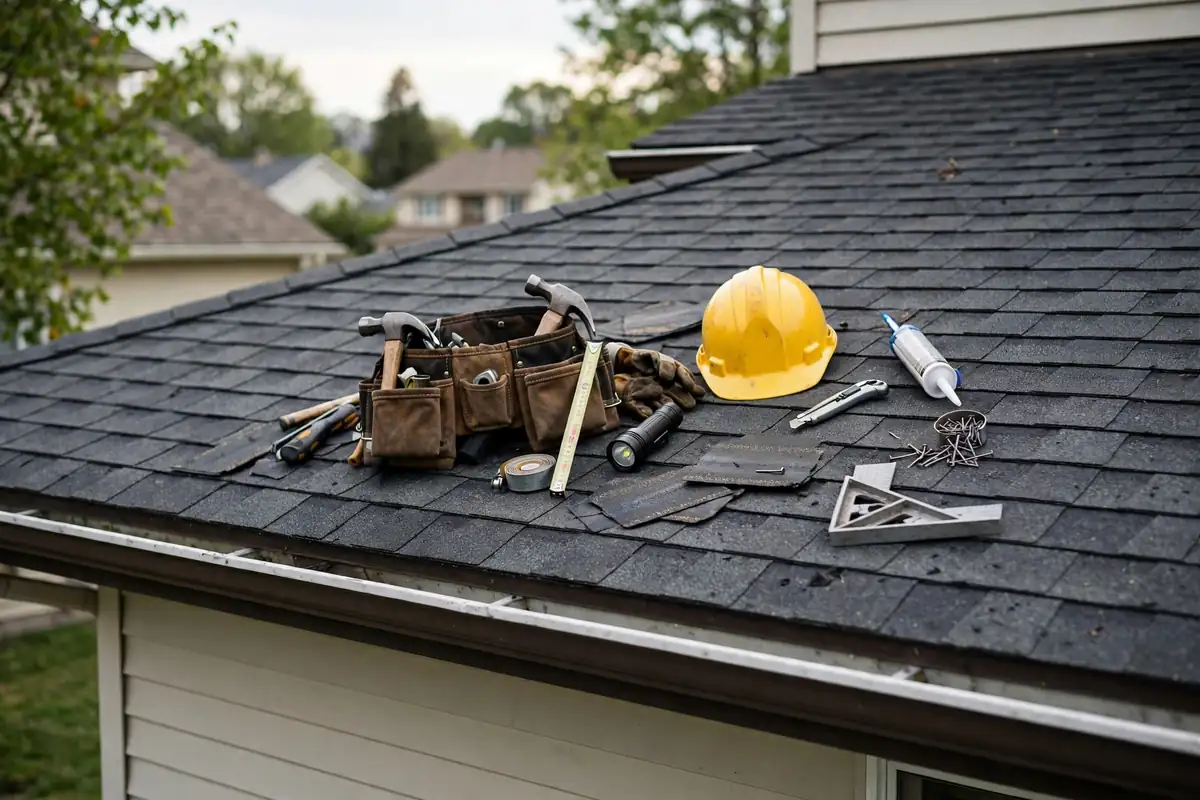
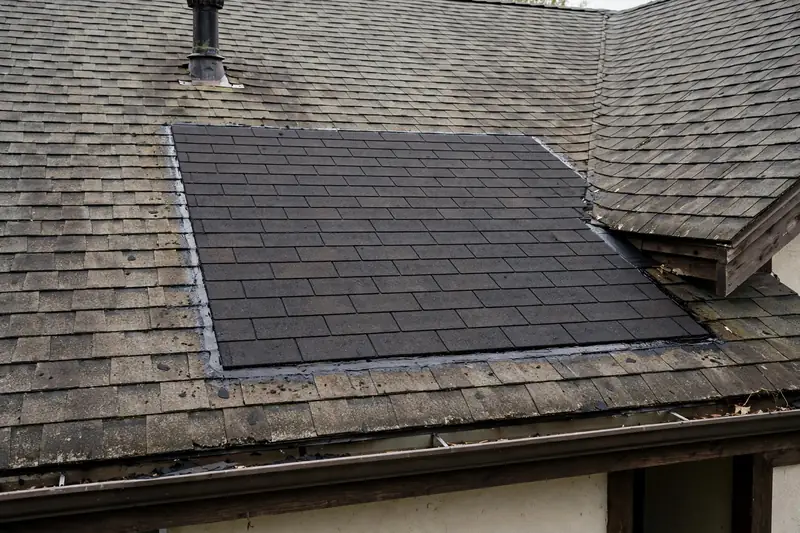
Installation is fast — most shingle roofs complete in 1-3 days — and every roofing contractor in USA knows how to install them. Repairs are simple and cheap: individual shingles can be replaced for $150-$400 per repair area. If you ever need roof leak repair, shingle fixes are the most affordable in the industry.
Shingle Pros and Cons
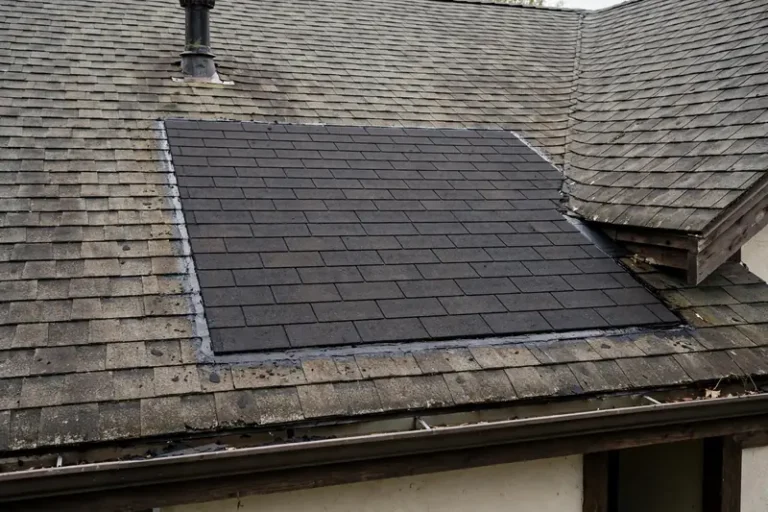
Shingles win on upfront cost, installer availability, repair simplicity, and design variety (hundreds of colors and styles). They lose on lifespan, weather vulnerability (hail, high wind, and heat degrade them faster), and energy efficiency (dark shingles absorb heat). In hail-prone states like Texas and Colorado, shingle roofs may need hail damage roof repair every decade — a hidden cost that narrows the gap with metal.
Metal Roofing: Costs and Considerations
Types and Price Tiers
Standing-seam metal ($9-$18 per square foot installed) is the premium choice: concealed fasteners, clean lines, 50+ year lifespan. Corrugated or exposed-fastener metal ($6-$11 installed) costs less but needs fastener maintenance every 10-15 years. Metal shingles and stone-coated steel ($8-$14 installed) replicate traditional looks while delivering metal durability.
Material choice affects price significantly. Steel is most common and affordable; aluminum resists coastal corrosion (ideal for Florida and Gulf Coast homes); copper and zinc are luxury options costing $15-$30+ per square foot. Your climate should drive this decision — a point worth discussing when you choose a roofing contractor in USA markets.
Metal Pros and Cons
Metal wins on lifespan (40-70 years), weather resistance (rated for 140+ mph winds, excellent hail resistance, sheds snow effortlessly), energy efficiency (reflective coatings cut cooling costs 10-25%), and fire safety (Class A fire rating). It loses on upfront cost, installation complexity (fewer qualified installers, longer project timelines of 1-2 weeks), noise concerns (mitigated by proper underlayment and attic insulation), and denting from large hail (cosmetic, but visible).
Side-by-Side Cost Comparison
Installation Costs
On a 2,000 sq ft roof: architectural shingles $8,000-$16,000; standing-seam metal $18,000-$36,000. The metal premium reflects both material cost and specialized labor — metal installation takes 2-3 times longer and requires precise craftsmanship. Fewer contractors do it well, which is why vetting matters even more for metal projects.
Maintenance Costs Over Time
Shingles need periodic attention: replacing curled or missing shingles, resealing flashing, and cleaning roof shingles safely to prevent algae and moss. Budget $200-$500 per year in maintenance averaged over the roof’s life. Metal needs far less: occasional fastener checks (exposed-fastener systems), keeping valleys clear, and repainting only after 30+ years. Budget $100-$200 per year.
Energy Savings
This is metal’s hidden financial advantage. Cool-metal roofing with reflective coatings reduces attic temperatures dramatically, cutting summer cooling bills by 10-25% according to Department of Energy studies. In hot climates like Arizona, Texas, and Florida, that can mean $300-$600 per year in savings — $9,000-$18,000 over a 30-year period. Shingles, especially dark ones, absorb heat and increase cooling loads. If energy costs concern you, also evaluate roof ventilation upgrades regardless of material.
Insurance and Resale Impact
Many insurers offer discounts of 5-15% for impact-resistant metal roofing, particularly in hail and hurricane zones. Over decades, these discounts add up to thousands. At resale, a metal roof typically recoups 60-85% of its cost in added home value versus 55-65% for shingles, according to remodeling industry data. Buyers recognize they will not face a roof replacement for decades.
Which Is Better for Your Situation?
Choose shingles if: your budget is tight, you plan to sell within 10-15 years, your neighborhood is predominantly shingle-roofed (matching matters for resale), or you live in a mild climate where roofs face less stress. Shingles remain a perfectly respectable choice — most American homes have them for good reason.
Choose metal if: you plan to stay 20+ years, you live in an area with hail, hurricanes, wildfires, or heavy snow, energy bills are a major concern, or you want the last roof you will ever buy. The math strongly favors metal for long-term owners in harsh climates. Homeowners in hurricane zones should also review hurricane season roof preparation regardless of material.
Consider your roof’s structure. Metal is lightweight (1-3 pounds per square foot) — lighter than shingles (2-4 psf) — so structural concerns are rare. This surprises many homeowners who assume metal is heavier. In fact, metal can often be installed over one existing shingle layer, saving tear-off costs.
What About Other Materials?
While the metal roof vs shingles cost debate covers 95% of USA residential decisions, tile ($12-$25 per square foot, 50-100 year lifespan) and slate ($15-$30+, 75-150 years) exist for luxury and historic homes. Both are extremely heavy, requiring structural verification. For flat or low-slope sections, see our guide on flat roof replacement options in USA — neither metal nor shingles work well below a 3:12 pitch.
Getting Accurate Quotes
Prices vary enormously by region, roof complexity (pitch, valleys, dormers, chimneys), and contractor. Get at least three itemized bids specifying the exact material brand and gauge. For metal, confirm the panel gauge (26-gauge minimum for residential; 24-gauge is better) and coating type (Kynar 500/PVDF outperforms polyester). For shingles, confirm architectural grade from a major manufacturer.
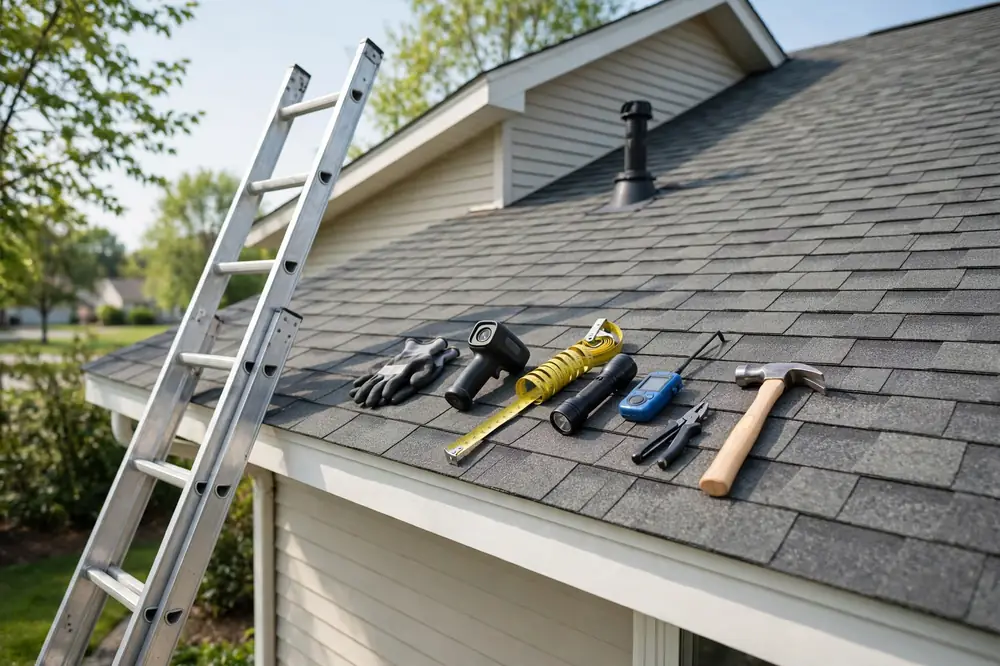
Ask each bidder about underlayment (synthetic underlayment outperforms felt), ice-and-water shield in valleys and eaves, and ventilation improvements. These details matter more than most homeowners realize — and they are where low bidders cut corners. A proper roof inspection before replacement helps you understand exactly what your roof needs.
Maintenance Differences Over the Years
Long-term upkeep is another area where the metal roof vs shingles cost story diverges. Asphalt shingles need hands-on attention throughout their life: replacing wind-damaged tabs after storms, resealing exposed nail heads, clearing moss in shaded areas, and monitoring flashing as sealant ages. Most shingle owners spend a weekend or a few hundred dollars on professional service every couple of years. Neglect accelerates deterioration fast — a shingle roof ignored for a decade in a harsh climate can lose a third of its expected life.
Metal roofing asks far less of you. An annual visual check from the ground, keeping valleys and gutters clear of debris, and touching up any scratched coating are usually enough. Exposed-fastener systems need their screws checked and retightened roughly every ten to fifteen years as thermal cycling loosens them — a half-day job for a professional. Standing-seam systems have no exposed fasteners at all, which is a major reason they last so long with minimal intervention. Over thirty years, the average shingle owner will spend two to three times more on maintenance than the average metal roof owner, a gap that belongs in any honest lifetime cost comparison.
Frequently Asked Questions
Is a metal roof worth the extra cost?
For homeowners staying 20+ years, usually yes — lifetime costs are comparable or lower when you factor in avoided replacements, energy savings, and insurance discounts. For short-term owners, shingles typically make more financial sense.
Does a metal roof make noise in rain?
With proper underlayment and attic insulation, a metal roof is no noisier than shingles. The “tin roof” noise reputation comes from barns and sheds without insulation — not modern residential installations.
Can you install metal over shingles?
Often yes, if building codes allow and the existing roof has only one layer in decent condition. This saves $1,000-$3,000 in tear-off costs. However, a full tear-off lets the contractor inspect decking and install proper underlayment — worth considering.
How long does each type really last?
See our detailed breakdown of how long a roof lasts by material in USA — but the short version: architectural shingles 25-30 years, standing-seam metal 40-70 years, with climate and maintenance being major variables.
The metal roof vs shingles cost decision ultimately comes down to timeline, climate, and budget. Run the lifetime numbers for your situation, get quality bids, and choose the material that serves your home best for the years you will own it. Whichever you pick, proper installation and maintenance — including understanding your roof warranty coverage — determine how well that investment performs.