
Every roof has an expiration date — but that date varies enormously depending on what it is made of. Understanding how long a roof lasts by material helps USA homeowners plan replacements, evaluate repair-versus-replace decisions, negotiate home purchases, and budget for the future. A 15-year roof and a 70-year roof demand completely different financial strategies.
In 2026, American homes sport a wide range of roofing materials, each with distinct lifespans, cost profiles, and maintenance needs. This guide covers realistic longevity expectations for every common material, the factors that shorten or extend roof life, and how to tell where your roof stands in its lifecycle.
How Long Does a Roof Last by Material: Quick Reference
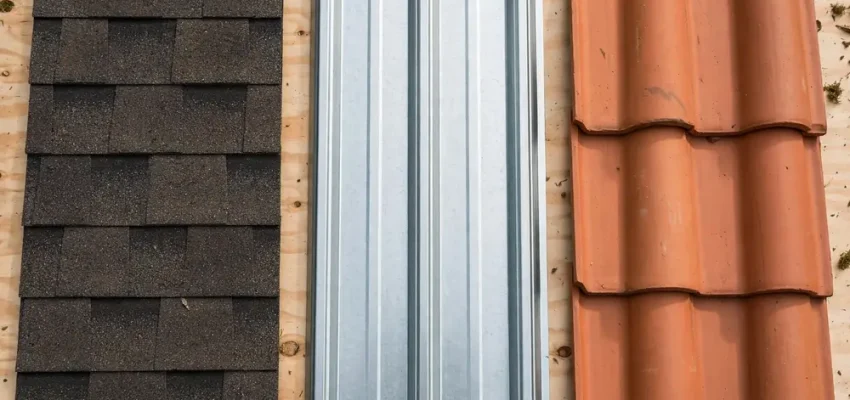
Here are the realistic lifespan ranges for roofing materials common in USA homes, based on manufacturer data and industry experience:
3-tab asphalt shingles: 15-20 years. The budget option with the shortest life. Rarely the best value despite low upfront cost.
Architectural asphalt shingles: 25-30 years. The most common USA roofing material and the baseline most homeowners should plan around.
Standing-seam metal: 40-70 years. Excellent longevity; often the last roof a home will ever need.
Corrugated/exposed-fastener metal: 25-40 years. Shorter than standing seam due to fastener exposure and maintenance needs.
Clay and concrete tile: 50-100 years. Extremely durable; the underlayment beneath typically fails long before the tiles.
Natural slate: 75-150 years. The longevity champion — many slate roofs outlive the buildings they cover.
Wood shake/shingle: 20-40 years. Highly variable; dry climates favor longer life, humid climates shorten it dramatically.
EPDM rubber (flat roofs): 20-35 years. The workhorse of low-slope roofing.
TPO/PVC membrane (flat roofs): 20-30 years. Modern single-ply options with heat-welded seams.
Built-up roofing / modified bitumen: 15-30 years. Traditional flat-roof systems still common on older buildings.
Asphalt Shingles: The American Standard
Why Lifespan Varies So Much
Not all shingle roofs are equal. Three-tab shingles use a single thin layer and last 15-20 years. Architectural shingles are thicker, multi-layered, and rated 25-30 years — sometimes marketed as “lifetime” (which really means 30-50 years under ideal conditions, not literally forever). Installation quality matters enormously: the same shingle installed poorly may fail in 12 years, while expert installation with proper roof ventilation can push it past 30.
Climate is the biggest external variable. Intense UV exposure in Arizona and Florida degrades shingles faster. Freeze-thaw cycles in the Midwest and Northeast cause cracking. Hail in Texas and Colorado physically destroys shingles regardless of age — which is why hail damage roof repair is a recurring expense in those states, not a once-in-a-lifetime event.
Signs Your Shingle Roof Is Aging Out
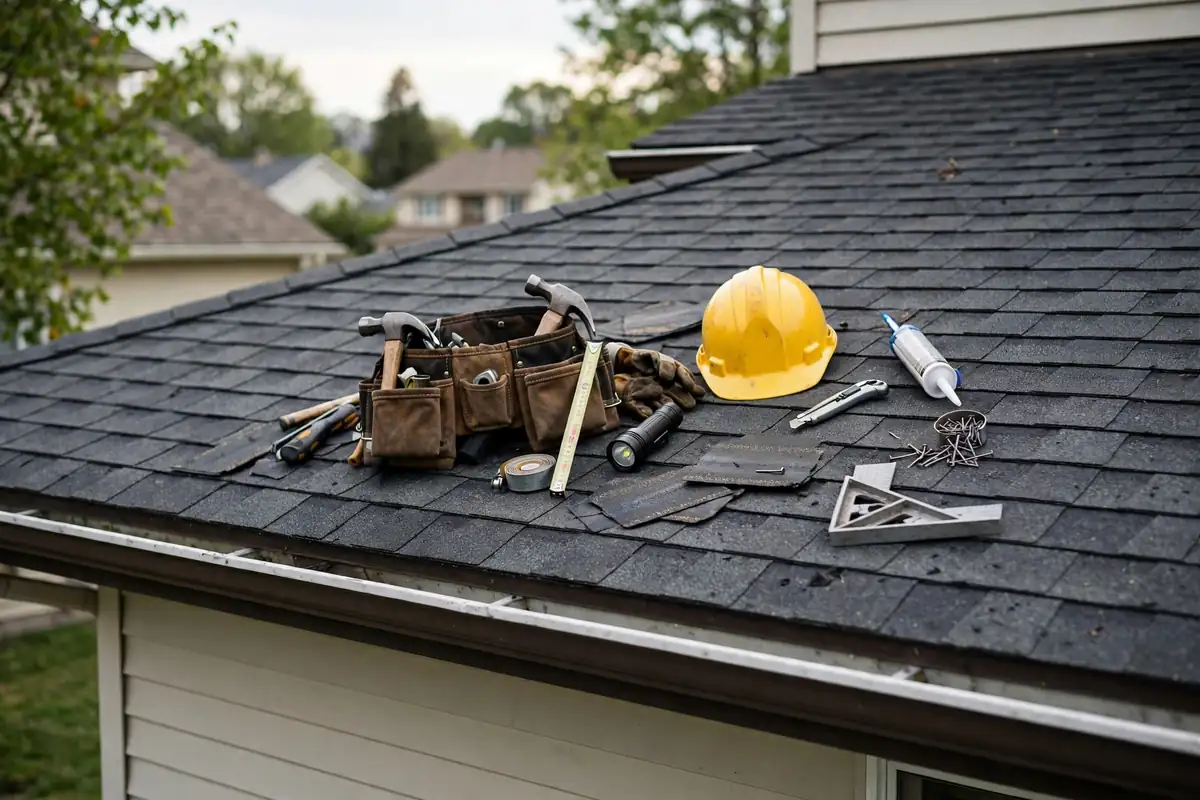
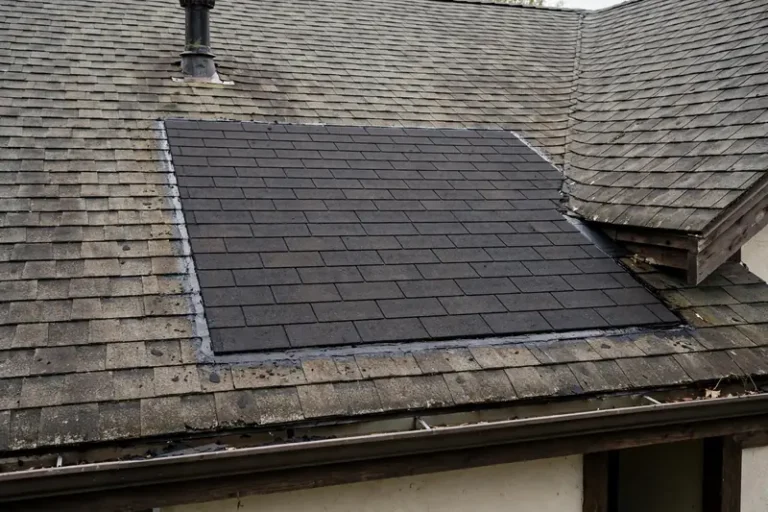
Watch for: widespread granule loss (check gutters for sand-like accumulation), curling or cupping shingle edges, cracked or missing shingles across multiple areas, bald spots where granules have worn away, and moss or algae that keeps returning despite cleaning roof shingles safely. When these signs appear across large roof areas (not isolated spots), replacement is approaching. A professional roof inspection can pinpoint exactly how much life remains.
Metal Roofing: The Longevity Leader
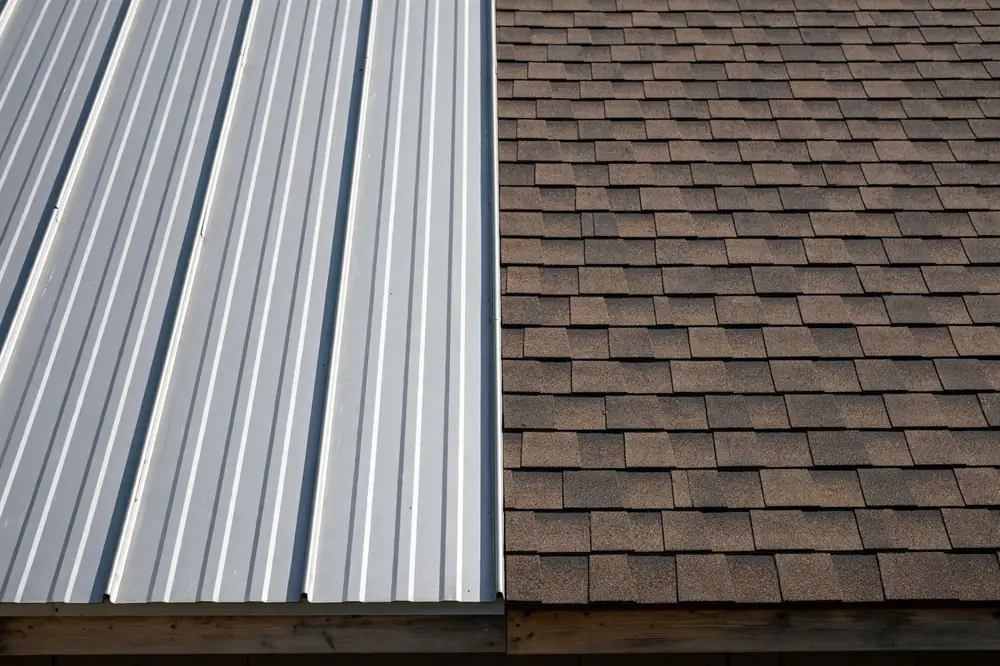
Standing-seam metal roofs routinely last 40-70 years with minimal maintenance. The concealed fastener system eliminates the primary failure point of older metal roofs. Quality coatings (Kynar 500/PVDF) resist fading and chalking for decades. In coastal areas, aluminum panels avoid the corrosion that can shorten steel roof life — an important specification for Florida, Gulf Coast, and California coastal homes.
Exposed-fastener metal (corrugated panels) lasts 25-40 years but requires fastener replacement or resealing every 10-15 years as rubber washers degrade. Skip this maintenance and leaks develop around fastener penetrations. Factor this into your decision when comparing metal roof vs shingles cost — the maintenance profile differs significantly between metal types.
Tile and Slate: Century Roofs
Clay tile, concrete tile, and natural slate are the marathon runners of roofing. Clay tiles last 50-100+ years; concrete tiles 50-75 years; natural slate 75-150 years. The catch: these materials are extremely heavy (600-1,500+ pounds per square), requiring structural verification before installation. They are also expensive ($12-$30+ per square foot installed) and require specialized installers.
The practical reality: on tile roofs, the tiles themselves rarely fail — the underlayment beneath them does, typically after 20-30 years. Re-underlayment (removing tiles, replacing underlayment, reinstalling tiles) costs $5-$10 per square foot. Budget for this mid-life service when owning a tile roof. Individual cracked tiles can be replaced for $200-$500 per tile, keeping the system watertight for decades.
Wood Shake: Beautiful but Demanding
Cedar shake roofs last 20-40 years depending heavily on climate and maintenance. In dry western states, they can reach 40 years. In humid southeastern states, 20 years is optimistic — moisture promotes rot, moss, and insect damage. Many municipalities and insurers restrict or surcharge wood roofing due to fire risk; some areas require fire-retardant treatment.
Wood demands the most maintenance of any common material: regular cleaning, treatment, and replacement of individual shakes. For most USA homeowners in 2026, wood is chosen for aesthetics on specific architectural styles rather than practical longevity.
Flat and Low-Slope Roofing
Flat roofs use entirely different materials with their own lifespan expectations. EPDM rubber (20-35 years) remains popular for its simplicity and repairability. TPO and PVC membranes (20-30 years) offer heat-welded seams and reflective surfaces that reduce cooling costs. Modified bitumen (15-25 years) and built-up roofing (15-30 years) are older technologies still found on many buildings.
Flat roof longevity depends critically on drainage — ponding water is the number one killer. Regular inspections and prompt seam repairs dramatically extend membrane life. For a deeper dive, see our guide on flat roof replacement options in USA.
Factors That Shorten Roof Life
Poor Ventilation
The silent roof killer. Inadequate attic ventilation traps heat and moisture, cooking shingles from below in summer and promoting ice dams in winter. Poor ventilation can cut shingle life by 30-50% and voids most manufacturer warranties. It is also one of the cheapest problems to fix ($300-$1,000). If you learn one thing from this guide, let it be the importance of roof ventilation.
Installation Defects
Under-driven or over-driven nails, missing starter strips, improperly flashed valleys, reused flashing, skipped underlayment — installation shortcuts slash lifespan dramatically. This is why vetting matters so much when you choose a roofing contractor in USA markets. The cheapest bid often buys the shortest roof life.
Climate and Weather Events
You cannot control the weather, but you can choose materials suited to it. Hail zones favor impact-resistant shingles (Class 4) or metal. Hurricane zones demand high-wind-rated systems with proper fastening. Wildfire areas need Class A fire-rated materials. Desert Southwest homes benefit from reflective “cool roof” options. Match material to climate and your roof will reach its full rated lifespan.
Neglected Maintenance
Skipped gutter cleaning causes water backup under shingles. Untrimmed branches abrade surfaces and drop debris. Ignored minor leaks rot decking. Small problems compound: a $200 flashing fix ignored becomes a $5,000 deck replacement. Annual maintenance is the highest-ROI home spending there is.
Factors That Extend Roof Life
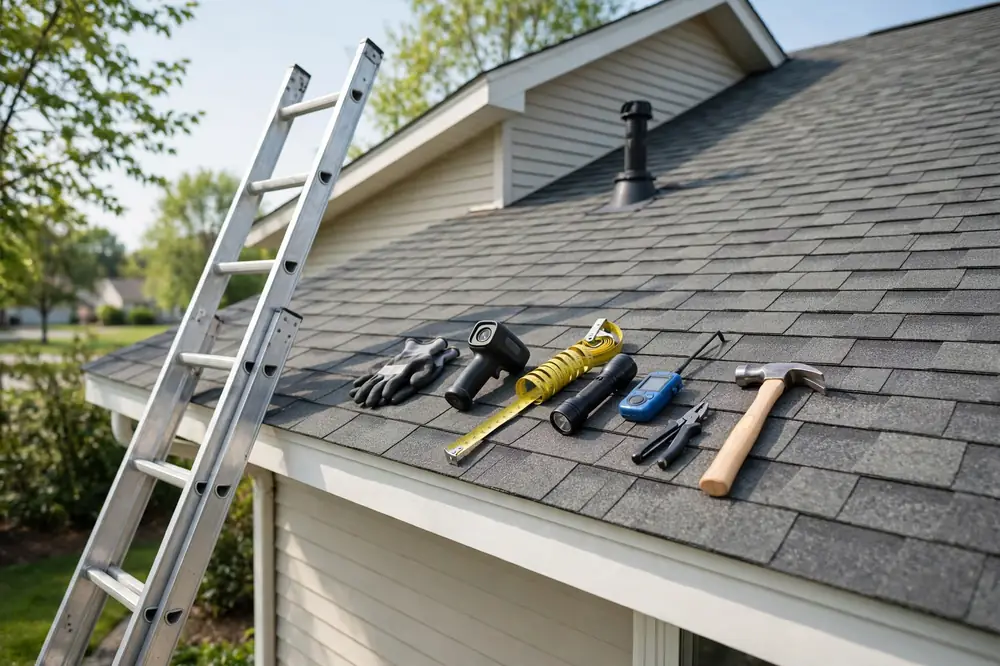
Quality installation by a certified contractor is the foundation. Proper ventilation regulates temperature and moisture. Regular inspections (annual plus post-storm) catch problems early. Prompt repairs prevent cascade failures. Clean gutters ensure proper drainage — budget for gutter installation or maintenance as needed. Algae-resistant shingles (copper-infused granules) prevent the black streaking common in humid climates. Cool roof coatings on flat roofs reflect UV and reduce thermal cycling.
Repair vs. Replace: Using Lifespan to Decide
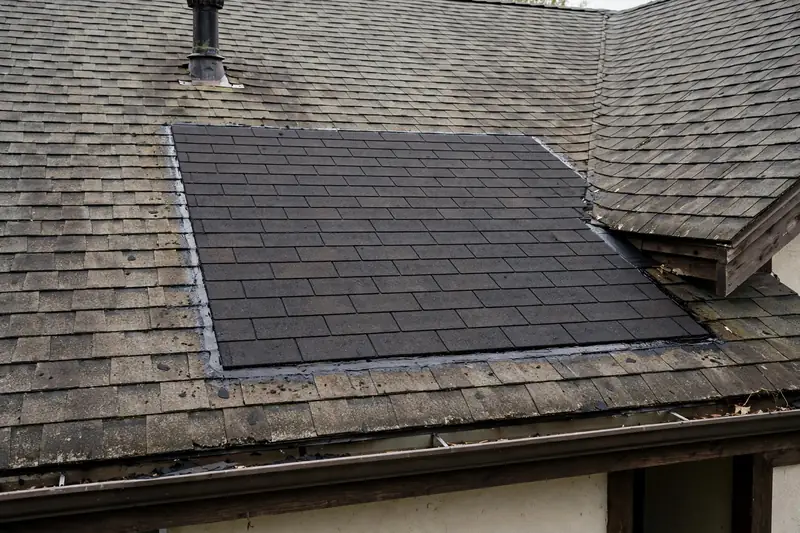
The lifespan framework makes the repair-or-replace decision straightforward. If your architectural shingle roof is 12 years old with an isolated leak, repair it — you have 15+ years of life left. If it is 24 years old with widespread granule loss and multiple leaks, replacement is smarter than pouring money into a dying system. The general rule: if repair costs exceed 30% of replacement cost and the roof is past 75% of its rated lifespan, replace.
For storm damage, the calculus differs — insurance may cover replacement regardless of age. Document everything and understand how roof insurance claims work before deciding. And always verify what your roof warranty covers; some prorated warranties make replacement more attractive at certain ages.
Frequently Asked Questions
Can a roof last longer than its rated lifespan?
Yes, with excellent installation, ideal climate, and diligent maintenance, roofs often exceed ratings by 20-30%. Conversely, poor conditions can cut life in half. Ratings assume average conditions and competent installation.
Does roof color affect lifespan?
Modestly. Darker colors absorb more heat, accelerating aging slightly in hot climates. In practice, ventilation quality matters far more than color. Choose the color you like.
How do I find out how old my roof is?
Check home disclosure documents, building permits, or ask previous owners. A professional roof inspection can estimate age from material condition and installation details. Some shingle manufacturers stamp date codes on the back of shingles visible in the attic.
Knowing how long a roof lasts by material turns roofing from a crisis into a plan. Assess your current roof’s age and condition, understand its realistic remaining life, maintain it properly, and budget for replacement on your timeline — not the weather’s. Start by checking your home’s disclosure documents or building permits for the installation date, then schedule a professional evaluation to confirm remaining life. Setting aside a small monthly amount toward the eventual replacement transforms a five-figure surprise into a manageable planned expense. For next steps, explore roof leak repair costs for immediate issues or metal vs shingles comparisons when planning a replacement.