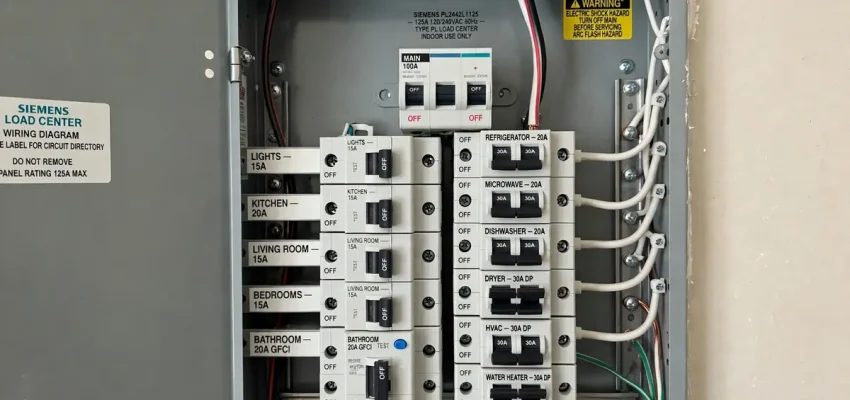

Your electrical panel is the heart of your home’s electrical system, distributing power to every outlet, light, and appliance. When it becomes outdated, undersized, or unsafe, replacement is not optional — it is essential. The electrical panel upgrade cost in USA homes ranges from $1,500 to $3,000 in 2026 for a standard 200-amp upgrade, with most homeowners paying around $2,000 to $2,500 including the new panel, breakers, labor, permits, and inspection.
Understanding the electrical panel upgrade cost helps you budget for this critical safety improvement and recognize when your panel needs attention. This guide covers cost factors, panel types, warning signs of a failing panel, the upgrade process, and how to save money.
Average Electrical Panel Upgrade Cost USA 2026
The most common upgrade — replacing a 100-amp panel with a 200-amp panel — costs $1,500 to $3,000 in most USA markets. This includes the new panel ($200–$500 for the equipment), circuit breakers ($5–$20 each, with 20–40 needed), labor ($800–$1,500), permit fees ($50–$200), and inspection. The job typically takes 4 to 8 hours for an experienced electrician.
Upgrading from 200 amps to 400 amps (usually for very large homes or homes with significant electrical demands like workshops, ADUs, or multiple EV chargers) costs $2,500 to $5,000. This often requires utility company involvement to upgrade the service entrance cable, which adds time and cost. Some utilities charge $500 to $2,000 for service upgrades on their end.
A simple panel replacement (same amperage, just replacing an old or unsafe panel) runs $1,000 to $2,000. This is common when replacing known fire-risk panels like Federal Pacific, Zinsco, or Challenger — the amperage stays the same, but the dangerous panel is eliminated. If you are also rewiring your house, panel replacement is often bundled at a reduced marginal cost.
Regional variations follow typical USA electrical labor patterns. High-cost metros (New York, San Francisco, Boston, Seattle) run 30 to 50 percent above average. The Midwest and Southeast run 10 to 20 percent below. Always get three itemized quotes from licensed electricians. See our how to hire an electrician in USA checklist for vetting guidance.
Electrical Panel Upgrade Cost by Amperage
100-Amp Panel Replacement: $1,000–$2,000
If your home’s electrical demands are modest and you simply need to replace an unsafe or failing 100-amp panel with a new 100-amp panel, costs are lowest. However, most electricians recommend upgrading to 200 amps while you are at it — the incremental cost is small ($300–$500 more) and 200 amps provides headroom for future needs like EV chargers, heat pumps, or home additions.
100-Amp to 200-Amp Upgrade: $1,500–$3,000
The standard upgrade for most USA homes. Two hundred amps handles modern electrical loads comfortably — central air, electric dryer, electric range, and room for additions. This is the upgrade most homeowners need and the best value. The electrical panel upgrade cost at this level is well-established and predictable.
200-Amp to 400-Amp Upgrade: $2,500–$5,000
Needed for very large homes (4,000+ square feet), homes with all-electric heating, multiple EV chargers, workshops with heavy equipment, or properties with accessory dwelling units. This upgrade often requires the utility to replace the service drop (the overhead or underground cable from the street), which adds $500 to $2,000 and 2 to 4 weeks for utility scheduling.
Signs You Need an Electrical Panel Upgrade
Recognizing the warning signs helps you act before a panel failure causes damage or fire. If you notice any of these, get a professional assessment of your electrical panel upgrade cost sooner rather than later.
Frequent breaker trips. If your tripped breaker keeps tripping even after reducing the load, your panel may be undersized or failing. Occasional trips are normal; frequent trips indicate a problem.
Federal Pacific, Zinsco, or Challenger panel. These panels, installed widely from the 1950s through 1980s, have documented safety defects. Federal Pacific Stab-Lok breakers fail to trip in up to 60 percent of overload situations according to independent testing. If you have one of these panels, replacement is urgent — many insurance companies will not insure homes with these panels.
Burning smell or scorch marks. Any burning odor near your panel, visible scorching, or melted insulation is an emergency. Turn off the main breaker and call an electrician immediately. Do not wait for a convenient time — this is a fire risk.
Panel is warm to the touch. Your electrical panel should never feel warm. Warmth indicates overheating connections or overloaded circuits. This needs immediate professional attention.
Flickering lights throughout the house. While isolated flickering may be a bulb issue, whole-house flickering or dimming when large appliances start suggests panel or service issues. This is especially common with undersized 60-amp or 100-amp panels in homes with modern electrical demands.
You are adding major electrical loads. Installing an EV charger, hot tub, central air, or home addition? Your existing panel may not have capacity. An electrician can perform a load calculation to determine if an upgrade is needed before you invest in the new equipment.
Panel is over 25 years old. Even without obvious problems, panels degrade over time. Connections loosen, breakers wear out, and older panels lack modern safety features like AFCI protection. If your panel is 30+ years old, have it inspected annually.
What Is Included in a Panel Upgrade?
A complete electrical panel upgrade cost quote should include the new panel (200-amp, 40-space is standard for most homes), all new circuit breakers (every circuit gets a new breaker — never reuse old breakers in a new panel), proper labeling of every circuit, grounding system inspection and upgrade if needed, surge protection (many electricians now include a whole house surge protector — ask if it is included), permit fees and inspection scheduling, and utility coordination if the service entrance needs upgrading.
As homeowners prioritize essential upgrades to maintain the safety and efficiency of their residences, it is crucial to consider various aspects of property maintenance that often go overlooked. Just as an electrical panel upgrade safeguards your home’s electrical integrity, regular maintenance tasks such as cleaning gutters are vital for protecting your property from water damage and other potential hazards. In 2026, understanding the financial implications of home upkeep, including the gutter cleaning cost, is imperative for prudent budgeting. By investing in these necessary services, homeowners can not only enhance their living environment but also prolong the life of their home systems, ensuring a functional and secure space for years to come.
Just as an outdated electrical panel can jeopardize the safety and functionality of your home, neglecting your roof can lead to significant structural issues that may require costly repairs. Homeowners must be vigilant, as many roofing problems begin with minor issues that, if left unchecked, can escalate into serious and expensive disasters. Understanding the signs of wear and tear on your roof is crucial, much like recognizing when your electrical panel needs an upgrade. Engaging in regular maintenance and inspections is essential to safeguard your home’s integrity. For a comprehensive overview of what to look for during an inspection, consider exploring this detailed guide on Roof inspection: what to expect, which can help you identify potential problems before they become overwhelming. By staying proactive in both electrical and roofing matters, you can protect your investment and ensure the longevity of your home.
As homeowners navigate the complexities of electrical upgrades, the importance of maintaining a safe and efficient home extends beyond just the electrical panel. With the rising costs of utility bills and the increasing emphasis on energy efficiency, many are also considering how their heating systems impact overall comfort and expenses. The decision between traditional heating methods and modern alternatives can be daunting, especially when evaluating long-term benefits and installation costs. For those weighing their options, understanding the nuances of different heating solutions is crucial. A comparative analysis of heating technologies, such as the differences between a heat pump and a furnace, can guide homeowners in making informed choices that align with both their budget and comfort needs. To delve deeper into this pivotal decision, explore the insights available in the discussion on Heat pump vs furnace: which is better.
As homeowners invest in vital upgrades like electrical panel replacements, it’s also crucial to consider the broader spectrum of home enhancements that significantly impact both functionality and aesthetics. For instance, once your electrical system is up to code and capable of supporting modern appliances, the next logical step might be to elevate your home’s exterior appeal and safety through effective outdoor illumination. Well-planned outdoor lighting not only enhances the visual charm of your property but also provides essential security and extends usable outdoor space during evenings. Understanding the financial implications of such improvements, including the Outdoor lighting installation cost, can help homeowners make informed decisions that balance investment with long-term value. Investing in both electrical upgrades and exterior enhancements can ultimately create a safer, more inviting living environment.
What may cost extra: service entrance cable replacement (if the utility requires it, $500–$2,000), drywall repair if the new panel is larger than the old, relocating the panel (if the current location does not meet code, $500–$1,500), and bringing other electrical deficiencies up to code discovered during the upgrade.
Ask for an itemized quote. The panel and breakers are commodities — the main cost variable is labor. If one quote is dramatically lower, verify that it includes permits, inspection, and all new breakers. Some cut-rate electricians reuse old breakers or skip permits to lower their price.
The Panel Upgrade Process
Knowing what to expect helps you prepare for the electrical panel upgrade cost investment and the day of work.
Before work day: Your electrician pulls the permit and coordinates with the utility if a power shutoff is needed. You should back up any sensitive electronics, charge your phones, and plan for 4 to 8 hours without power. If you work from home, arrange an alternate location. Notify your alarm company — the power outage will trigger backup batteries.
Work day morning: The utility disconnects power (or the electrician pulls the meter with utility authorization). The old panel is removed, the new panel is mounted, and circuits are reconnected one by one with new breakers. The electrician verifies proper grounding, labels every circuit clearly, and tests all circuits.
Work day afternoon: Power is restored and every outlet, switch, and appliance is tested. The electrician walks you through the new panel, explains the labeling, and shows you how to reset breakers. You should receive documentation of the work for your records and insurance company.
Inspection: Within a few days, the municipal inspector verifies the installation meets code. Your electrician should be present. Once approved, you receive a certificate of completion — keep this for your records and provide a copy to your homeowner’s insurance.
How to Save on Electrical Panel Upgrade Costs
While safety is paramount, smart planning can moderate your electrical panel upgrade cost.
Bundle with other electrical work. If you also need house rewiring, EV charger installation, or recessed lighting, doing it all at once saves on the electrician’s trip charges and may qualify for a project discount. The panel upgrade is often the foundation for other electrical improvements.
Do not delay on safety issues. This sounds counterintuitive for saving money, but a failing panel that causes a fire costs orders of magnitude more than a proactive upgrade. If your electrician identifies a Federal Pacific or Zinsco panel, or signs of overheating, prioritize replacement immediately.
Get multiple quotes. Panel upgrade quotes for the same home can vary by $500 to $1,000. Get three itemized quotes from licensed electricians. Verify each includes the same scope — panel amperage, number of spaces, all new breakers, permits, and inspection.
Notify your insurance company. After upgrading, especially from a known-risk panel, contact your homeowner’s insurance. Many insurers offer discounts of 5 to 10 percent for updated electrical panels. Some insurers that refused coverage with a Federal Pacific panel will now insure you — potentially saving hundreds annually and expanding your options.
Check for utility rebates. Some USA utilities offer rebates or low-interest financing for electrical upgrades, particularly when paired with energy-efficient improvements like heat pumps or EV chargers. Check the DSIRE database for programs in your state.
Frequently Asked Questions
How long does a panel upgrade take?
Most residential panel upgrades take 4 to 8 hours. Complex upgrades involving service entrance replacement or panel relocation can take a full day. Plan for the power to be off the entire time.
Can I upgrade my panel myself?
No. Panel upgrades involve working with the main service entrance, which carries lethal voltage even with the main breaker off. This work requires a licensed electrician and permits in every USA jurisdiction. DIY panel work is illegal, dangerous, and will void your homeowner’s insurance.
Will a panel upgrade lower my electric bill?
Not directly — your panel distributes electricity but does not consume it. However, an upgraded panel enables energy-efficient improvements (heat pumps, LED lighting throughout, smart controls) that do lower bills. The real savings come from avoided fire damage and reduced insurance premiums.
Do I need 200 amps?
Most modern USA homes benefit from 200-amp service. If you have central air, electric dryer, electric range, and any plans for an EV charger or addition, 200 amps is the right choice. Homes under 1,200 square feet with gas appliances may be fine with 100 amps, but the cost difference to go to 200 is small enough that most electricians recommend it for future-proofing.
Understanding the electrical panel upgrade cost empowers you to make this critical safety investment with confidence. Do not gamble with an outdated or unsafe panel — the cost of prevention is a fraction of the cost of an electrical fire. Get quotes from licensed electricians, prioritize safety over savings, and enjoy the peace of mind that comes with a modern, code-compliant electrical heart for your home. For more USA electrical guides, see our articles on house rewiring cost, tripped breaker troubleshooting, and electrical inspection cost.