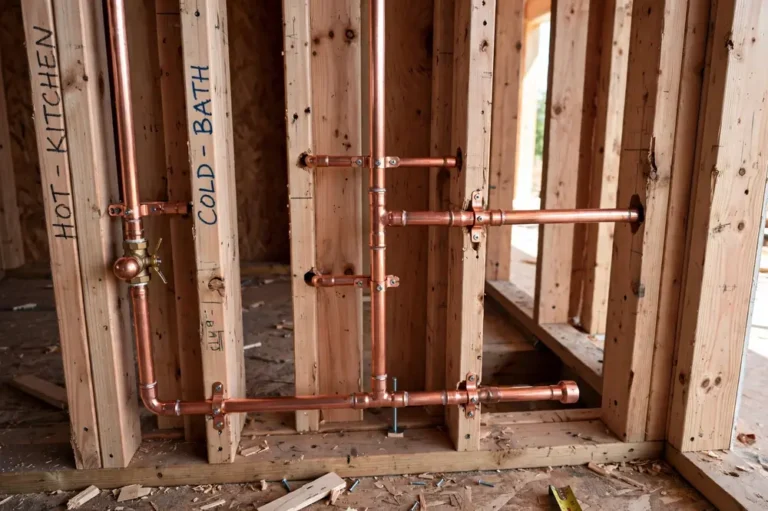
Running a new gas line opens the door to upgrades homeowners love: a gas range that cooks like a professional kitchen, an efficient tankless water heater, a cozy gas fireplace, or an outdoor grill that never runs out of propane. But first you need a realistic picture of the gas line installation cost home owners across the USA actually pay in 2026. This guide covers national averages, the factors that push prices up or down, safety rules you must follow, and smart ways to keep the project affordable.
Average Gas Line Installation Cost Home Owners Pay in 2026
For a typical residential project, the gas line installation cost home budgets need to account for in 2026 ranges from $500 to $2,500 for a standard run, with a national average of about $1,200. A short, simple extension of an existing line to a nearby appliance, such as adding a gas dryer hookup in the laundry room, can cost as little as $300 to $600. On the other hand, running a brand-new line from the meter across a large home to a far kitchen, especially through finished walls and ceilings, can reach $2,500 to $5,000 or more.
Most pros price by the linear foot: $15 to $35 per foot in 2026 for black iron or CSST (corrugated stainless steel tubing), plus fittings, valves, and labor minimums. The total almost always includes a pressure test, permit, and final inspection, which are non-negotiable in every US state. Materials for a medium run usually cost $200 to $600, with labor making up the rest.
One thing to know upfront: gas line work is not a casual DIY project. In most jurisdictions, only a licensed professional can legally install or modify gas piping, and for good reason. When you search for a reliable plumber near you, confirm the contractor specifically carries a gas fitting license or endorsement, since not every plumber is certified for gas work.
What Affects the Gas Line Installation Cost Home Projects Require
Several variables determine where your quote lands. Understanding them helps you plan the route, choose the right materials, and recognize a fair bid when you see one.
Length and Route of the Line
Distance is the biggest cost driver, and the route matters as much as the length. A straight run through an unfinished basement or crawl space is fast and cheap, while a route snaking through finished drywall and multiple rooms can double labor hours. Keep the gas meter in mind when planning: the closer the appliance, the cheaper the run.
Pipe Material: Black Iron vs. CSST
Traditional black iron pipe is durable and code-approved everywhere, but it is heavy and slow to install since every joint must be threaded and sealed by hand. CSST, the flexible yellow-jacketed tubing, installs much faster because it bends around obstacles with far fewer joints, often cutting labor time by 25 to 40 percent. Note that some local codes have specific bonding and grounding requirements for CSST to protect against lightning strikes.
Appliance Type and BTU Demand
Different appliances need different pipe sizes. A gas range might need a 1/2-inch line, while a high-BTU furnace or large tankless water heater may require 3/4-inch or 1-inch pipe. If you plan to add multiple gas appliances, size the main run generously the first time rather than redoing it later. Tell your contractor about every appliance you might add within five years.
Permits, Inspections, and Pressure Testing
Every US jurisdiction requires a permit for new gas line work, typically $50 to $250, plus a pressure test and inspection before the line can be put into service. The pressure test involves capping the line, pressurizing it with air, and verifying it holds pressure for a set period, which proves there are no leaks. Reputable contractors include these steps in their quote automatically. If a bid seems suspiciously low, ask whether permits and testing are included; a contractor who skips them is cutting corners on safety, not saving you money.
Common Gas Line Projects and Their 2026 Price Ranges
To make budgeting concrete, here are typical 2026 price ranges. A gas stove or range hookup near an existing line runs $300 to $800. Extending a line 20 to 30 feet to a new kitchen location costs $800 to $1,800. A gas dryer hookup is usually $300 to $700, while a gas fireplace line runs $500 to $1,500 depending on venting and distance.
Outdoor projects have their own pricing. Running a gas line to a patio for a built-in grill or fire pit typically costs $500 to $1,500, with trenching adding $200 to $600 if the line must go underground. A line for a whole-house standby generator is one of the priciest residential jobs at $1,500 to $4,000, since generators demand high BTU capacity.
Converting a home from electric to gas appliances is the biggest undertaking, often $3,000 to $8,000 total, since it may involve a new service line from the street, a meter upgrade, and multiple interior runs. Before committing, check with your gas utility about connection fees and whether gas service is even available at your address; some suburban and rural areas have no gas mains at all.
Safety Rules You Cannot Skip
Natural gas is safe when handled correctly and dangerous when it is not, so the rules around gas line work exist for very good reasons. First, hire a licensed and insured professional, and verify the license with your state or city. Second, never skip the permit and inspection; the inspector is your independent second set of eyes. Third, make sure a sediment trap, also called a drip leg, is installed before each appliance to catch moisture and debris, as most codes require it.
Fourth, the installer must perform a proper pressure test and document the results. Fifth, every gas appliance needs adequate combustion air and proper venting, which your contractor should verify rather than assume. Finally, install carbon monoxide detectors on every level of your home if you have any gas appliances, and know the signs of a gas leak: the rotten-egg smell of added odorant, hissing near a line, or dead vegetation above an underground run. If you ever suspect a leak, leave the house immediately and call your gas utility or 911 from outside.
Indoor vs. Outdoor Gas Line Installation
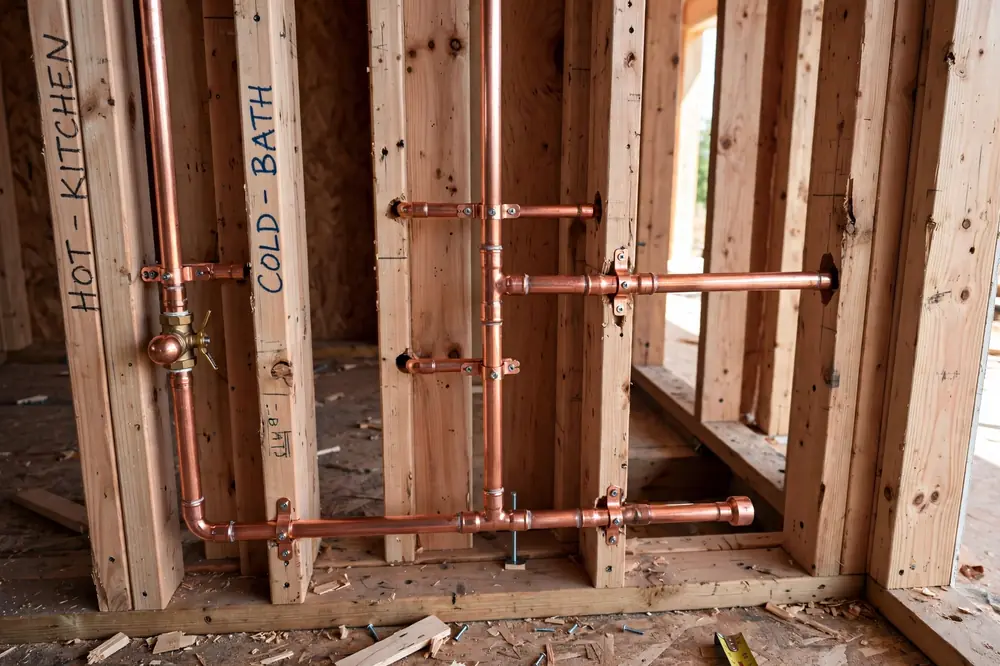
Indoor gas lines run through basements, crawl spaces, attics, or inside walls to reach appliances. The main cost factors are accessibility and finish work. An unfinished basement makes for a quick, affordable run, while fishing pipe through finished walls adds patching and painting costs. Indoor lines must be protected from physical damage, properly supported with hangers at code-specified intervals, and kept away from electrical wiring per local rules.
Outdoor gas lines serve grills, fire pits, patio heaters, pool heaters, and generators. Underground runs must be buried at the depth your local code requires, commonly 12 to 18 inches for residential lines. Trenching through landscaping, driveways, or patios adds cost and restoration work.
How to Get Accurate Quotes and Save Money
Start by getting three written quotes from licensed gas fitters or plumbers with gas endorsements. Give each one the same information: the appliance, its BTU rating from the manufacturer plate, the proposed location, and any future appliances you might add. Ask each bidder to itemize materials, labor, permit fees, and testing so you can compare honestly.
You can save meaningfully by keeping the run short and simple, choosing an appliance location near the meter or an existing line, and scheduling during the contractor’s slower season. Bundling helps too: if you are already having other plumbing work done, adding a gas line in the same visit shares trip and permit overhead. Avoid the temptation to hire the cheapest unlicensed handyman; gas work done wrong can void your homeowners insurance and, far worse, endanger your family.
Finally, call your gas utility early in the process. Some utilities offer free or discounted meter upgrades, run seasonal promotions on new gas appliance connections, or maintain lists of approved contractors.
Frequently Asked Questions
Can I install a gas line myself?
In almost all US jurisdictions, no. Gas piping must be installed by a licensed professional, permitted, pressure-tested, and inspected. DIY gas work is illegal in most places, will fail inspection, can void your insurance, and creates serious safety risks. This is one project to leave entirely to the pros.
How long does a gas line installation take?
A simple appliance hookup takes two to four hours. A 30-foot run through a basement takes most of a day. Complex jobs involving finished walls, trenching, or multiple appliances can take two to three days including inspection scheduling.
How much does it cost per foot to run a gas line in 2026?
Expect $15 to $35 per linear foot installed for standard residential pipe in 2026, with CSST often at the lower end of labor cost and black iron at the higher end. This per-foot figure excludes permit fees, appliance connection valves, and any drywall repair.
Do I need a permit to add a gas line for a stove?
Yes. Virtually every city and county in the USA requires a permit for any new gas piping, including a simple stove hookup, plus a pressure test and inspection. Your contractor should handle the permit as part of the quoted price.
Conclusion
The gas line installation cost home owners pay in 2026 is very manageable when the project is planned well, with most single-appliance runs landing between $500 and $2,500 installed, permitted, and inspected. Keep runs short, size the pipe for future appliances, hire a properly licensed gas fitter, and never skip the permit and pressure test. Whether you are dreaming of a professional-style gas range, a cozy fireplace, or an outdoor kitchen that never needs a propane refill, a safely installed gas line is the foundation that makes it all possible.