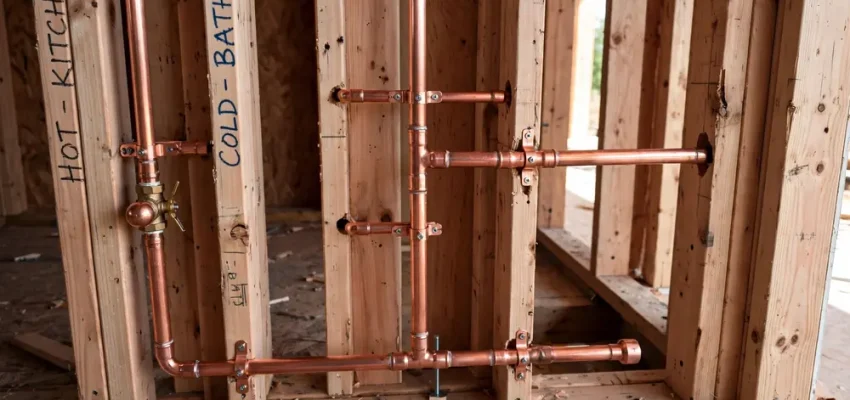

If your home was built before the 1990s and still has original plumbing, you have probably met the warning signs: rusty water, weak shower pressure, or pinhole leaks that keep appearing. At some point, patching individual leaks stops making sense. Understanding the repiping house cost USA homeowners pay in 2026 helps you plan this major project with confidence, choose the right pipe material, and hire the right contractor for a job that should serve your home for the next 50 years.
Average Repiping House Cost USA in 2026
For a typical American single-family home, the repiping house cost USA market shows in 2026 ranges from $4,000 to $15,000, with a national average of about $8,000. Smaller homes under 1,500 square feet often land between $4,000 and $8,000, while larger homes over 2,500 square feet commonly run $10,000 to $18,000.
Most contractors price by the fixture: $600 to $1,000 per fixture in 2026, counting each sink, toilet, shower, dishwasher, and hose bibb. A two-bathroom home typically has 10 to 12 fixtures, which is how the math lands near that $8,000 average. Always confirm what is included before you sign, and get quotes from at least three licensed contractors who specialize in repiping. A good starting point is a find a reliable plumber near me search filtered for companies that advertise whole-house repiping as a core service.
Signs Your House Needs Repiping
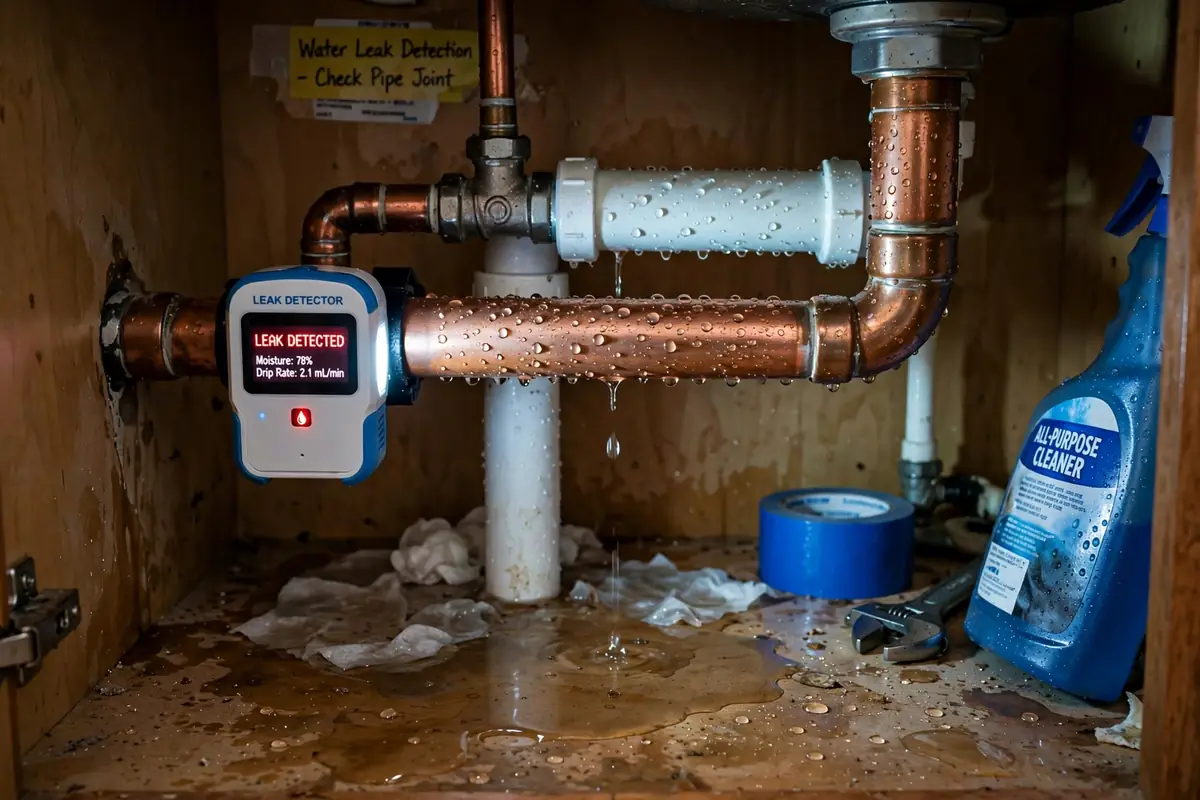
How do you know whether you need a full repipe or just a repair? Discolored water is the most visible sign: brown or rusty water when you first turn on a tap means galvanized steel pipes are corroding from the inside. Low pressure throughout the house, not just at one fixture, indicates mineral scale narrowing the pipes, a problem no fixture cleaning will fix. If leaks have already stained walls, review how to detect a water leak in your home to find every affected spot before the repipe begins.
Recurring pinhole leaks are another classic sign, particularly in copper systems over 20 years old. If you have repaired two or three leaks in the past couple of years, more are coming, each costing $300 to $800 while the system keeps deteriorating. Finally, know your pipe material and age: galvanized steel lasts 40 to 50 years, so a 1970s home on original galvanized is overdue, and polybutylene pipe from the late 1970s to mid-1990s is notorious for sudden failure and should be replaced on sight.
Pipe Material Options and Their Costs
Your choice of pipe material is the biggest cost lever in the project after the size of your home. Each option has distinct trade-offs in price, lifespan, and performance.
PEX: The Modern Standard
PEX, or cross-linked polyethylene, has become the most popular repipe material in the USA. It costs $0.50 to $2 per linear foot, making a whole-house PEX repipe the most affordable option at roughly $4,000 to $10,000. PEX is flexible, so installers snake long runs through walls with far fewer joints, which means less drywall demolition and faster installation, often just two to three days. It resists scale, will not corrode, and handles freezing better than rigid pipe. For most homeowners, PEX delivers the best value in 2026.
Copper: The Premium Classic
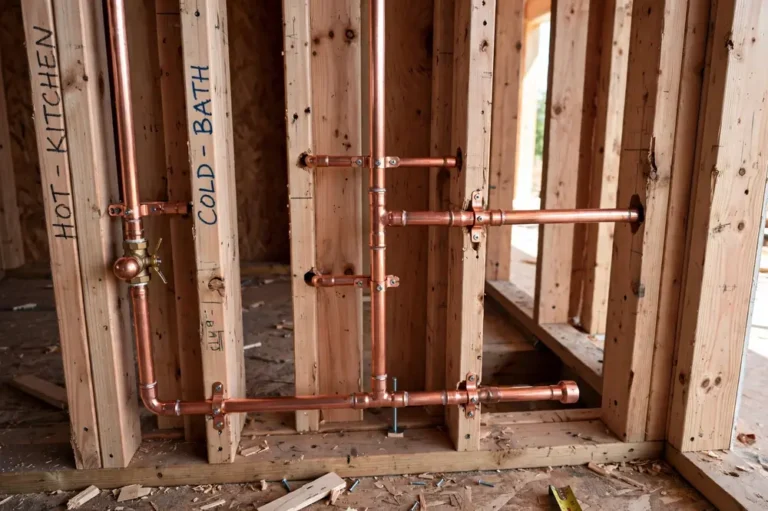
Copper remains the premium choice, prized for its 50 to 70-year lifespan and excellent heat tolerance. The catch is cost: $2 to $8 per linear foot in 2026 plus skilled soldering labor pushes a copper repipe to $8,000 to $20,000 or more. Copper is rigid, so installation needs more wall openings and takes longer. Choose copper if you plan to stay in the home for decades and want the longest-proven track record.
CPVC: The Budget Alternative
CPVC costs even less than PEX at $0.50 to $1 per linear foot, with a typical repipe running $3,500 to $8,000. However, CPVC becomes brittle with age, especially in hot water lines, and many plumbers consider it a step down from PEX in durability. It can suit a rental property or tight budget, but for your own long-term home, PEX usually wins on value.
What Affects the Total Repipe Price
Beyond material choice, several factors move your quote. Home size and fixture count are primary: more bathrooms and fixtures mean more pipe and labor. A single-story ranch on a crawl space is the easiest and cheapest repipe scenario thanks to open access underneath. A two-story home on a concrete slab is the hardest, since pipes must be routed through walls and attics, a challenge shared with sump pump installation cost USA 2026 projects in slab homes.
Accessibility matters enormously: finished basements and tile walls slow the work and increase patching costs. Location plays its role too: repiping in high-cost metros like San Francisco or New York can run 30 to 50 percent above the national average, while Houston, Phoenix, or Atlanta often come in below it. Permits add $100 to $500, and most cities require an inspection before walls are closed.
Timing and bundling offer savings opportunities. Scheduling during a contractor’s slower season can yield better pricing, and combining the repipe with other planned work, such as a toilet installation cost in USA upgrade or a bathroom remodel, shares the demolition and patching overhead. If your sewer line is also aging, asking about sewer line replacement cost USA 2026 during the same contractor visit can sometimes unlock package pricing on the excavation side of the project.
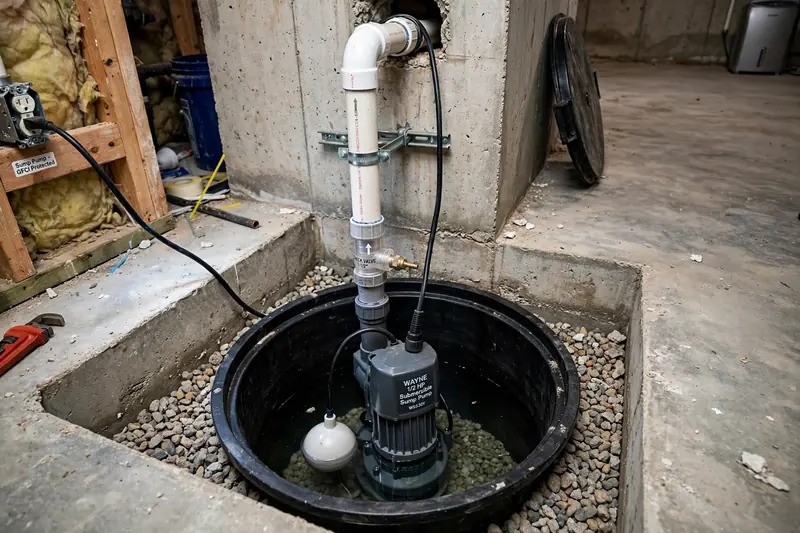
As homeowners grapple with the significant financial implications of repiping, it’s essential to consider other critical plumbing investments that can enhance the overall functionality and safety of their properties. One such investment is the installation of a sump pump, particularly for those in areas prone to flooding or water accumulation. Understanding the associated costs is crucial for effective budgeting. In 2026, homeowners can expect the average expenses for this installation to range widely, influenced by factors such as the type of sump pump chosen and the specific installation requirements. For a detailed breakdown of these costs, including insights on various pump types and ways to economize, exploring sump pump installation cost USA 2026 can provide valuable guidance, ensuring that your home is safeguarded against water damage while complementing the extensive plumbing upgrades you may be undertaking.
The Repiping Process: What to Expect
Knowing the process removes the anxiety from a project that sounds intimidating. A professional repipe follows a predictable sequence. First comes the estimate visit, where the contractor counts fixtures, inspects access points, checks your water pressure, and discusses material options. Reputable companies provide a detailed written quote with the material specified, the fixture count, the patching scope, and the timeline.
On installation day, the crew shuts off the main water, protects floors and furniture, and runs the new lines, usually starting in the attic or crawl space and branching to each fixture. They cut access openings in drywall as needed. The new system gets pressure-tested before any wall is closed, and the municipal inspection typically happens at this stage. Then the crew connects each fixture, a good time to consider a kitchen sink installation cost USA 2026 upgrade if the old sink is dated, and installs new shut-off valves at every location.
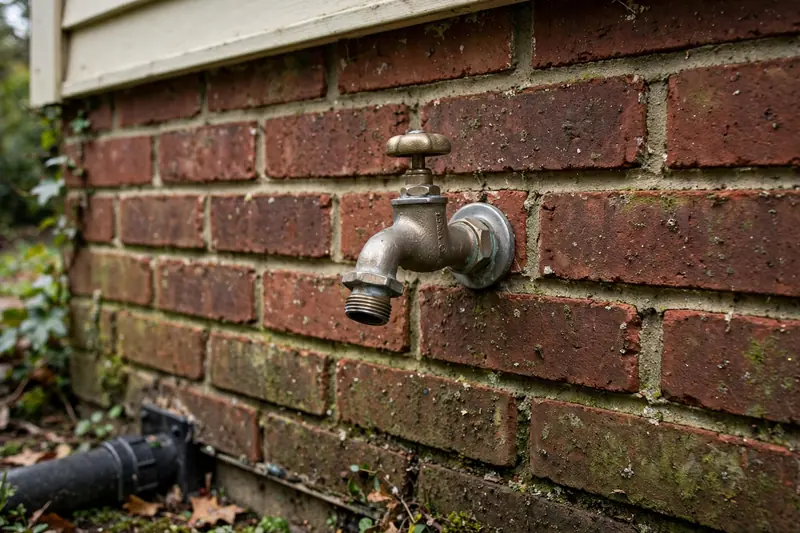
Patching and finishing come last. Most repiping specialists include basic drywall patching in their quote, returning walls to a paint-ready finish, though final painting is often left to you. The whole project typically takes two to four days for PEX and four to seven for copper. Plan for water to be off during working hours, and expect some dust despite the crew’s protection efforts. Many homeowners also add an outdoor faucet installation guide USA refresh while walls are open and the plumbers are on site.
PEX vs. Copper: Making the Final Decision
For most American homeowners in 2026, the decision comes down to PEX versus copper. PEX wins on cost, typically 40 to 60 percent cheaper installed, on speed, on freeze resistance, and on immunity to corrosion and scale. Its main drawback is that it cannot be used outdoors in direct sunlight, since UV degrades it. PEX certified to NSF standards is approved for potable water throughout the USA.
Copper wins on proven longevity and heat tolerance. Its drawbacks are price, longer installation, and vulnerability to pinhole leaks in aggressive water. A practical middle path is PEX for hidden runs with copper stub-outs at fixtures. Whichever you choose, verify the warranty: reputable specialists offer 10 to 25-year workmanship warranties on top of the manufacturer’s pipe warranty. If a new water heater is in your plans, compare water heater replacement cost in USA 2026 options now, and weigh tankless water heater pros and cons for US homes before the plumbers leave.
How to Choose a Repiping Contractor
This is a specialized job, so choose a specialist. Look for companies that do repiping full-time, not as an occasional sideline, and ask how many whole-house repipes they complete per year. Verify the state plumbing license and insurance, and check reviews specifically mentioning repiping, cleanliness, and patching quality. Ask for addresses of recent jobs you can drive by, or better, references you can call.
During the estimate, a good contractor counts every fixture, explains the routing plan, and specifies the exact pipe brand in writing. Be wary of quotes dramatically lower than the others; they often exclude patching or underestimate the fixture count. If a bathroom remodel is on your horizon, ask how the work coordinates with bathroom plumbing rough-in cost USA plans. Never pay the full amount upfront: a reasonable deposit is 10 to 30 percent, with the balance due on completion. Since soft water extends the life of any piping system, many homeowners also review water softener installation cost USA during the same project.
Frequently Asked Questions
How long does it take to repipe a house?
A PEX repipe typically takes two to four days for an average home, while copper takes four to seven days due to soldering and more wall openings. Patching and paint-ready finishing may add another day or two depending on the number of access holes.
Can I live in the house during repiping?
Yes, in most cases. Water is shut off during working hours but usually restored each evening. Expect noise, dust, and workers moving through the house, so families with small children or home offices sometimes plan day trips during the loudest phases.
Does repiping increase home value?
Generally yes. A new plumbing system with a transferable warranty is a strong selling point, especially for older homes where buyers fear hidden pipe problems. While you may not recover the full cost at sale, it removes a major buyer objection and can prevent deals from falling apart during inspection.
Should I replace my water heater during a repipe?
If your water heater is over 10 years old, doing it during the repipe is smart economics. The plumbers are already there, the connections are being redone anyway, and you avoid paying for a separate service call later. Many contractors offer bundle pricing for the combination.
Conclusion
The repiping house cost USA homeowners face in 2026 is significant, averaging around $8,000 for a PEX repipe of a typical home, but it buys something invaluable: decades of clean water, strong pressure, and freedom from the drip-by-drip anxiety of failing pipes. Choose PEX for the best value or copper for maximum tradition, hire a true repiping specialist with a written warranty, and time the project with any other plumbing upgrades you have planned. Done right, a repipe is a once-in-a-generation project you will never have to think about again.