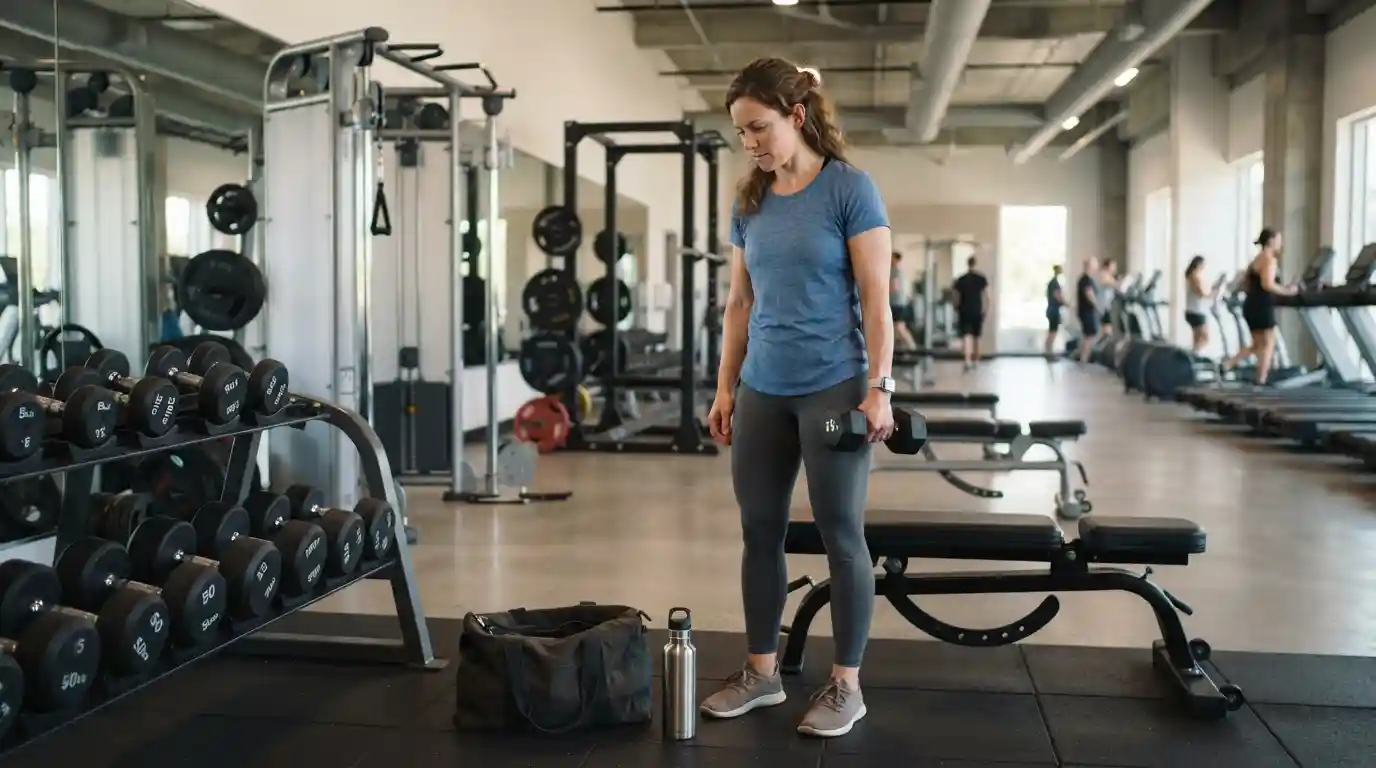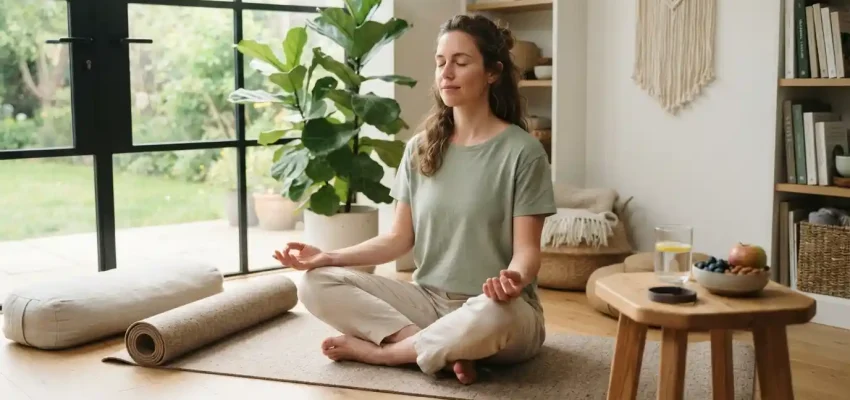

Rather than treating wellness as a collection of disconnected trends, a holistic approach considers how physical health, mental well-being, lifestyle habits, recovery, and the surrounding environment can work together. This guide explores the major themes shaping modern holistic wellness and explains how readers can approach new developments thoughtfully.
What Are the Bodyholistic Latest Updates Archives?
The idea behind a wellness archive is simple: health information develops over time. New ideas emerge, existing practices are reevaluated, and consumers gain access to more tools for understanding their daily habits.
The Bodyholistic latest updates archives can therefore be viewed as a starting point for exploring topics connected to holistic health. These topics may include nutrition, mindfulness, exercise, sleep, personal optimization, natural wellness, and technology-assisted health tracking.
For readers, the most useful approach is not to follow every wellness trend. Instead, it is to understand which developments have practical relevance and how they fit into an individual’s broader lifestyle.
Why Holistic Wellness Continues to Gain Attention
Modern wellness increasingly focuses on the connection between different aspects of everyday life. Physical activity can influence energy and mood, sleep can affect daily performance, and eating patterns can influence how people feel throughout the day.
This broader perspective has helped holistic wellness move beyond a narrow focus on individual symptoms. People are increasingly interested in prevention, healthy routines, stress management, recovery, and sustainable lifestyle choices.
Readers interested in broader health and wellness conversations can also explore health and wellness conversations for another perspective on building healthier everyday habits.
Mindfulness Remains an Important Wellness Trend
Mindfulness continues to attract attention because it can be incorporated into ordinary routines without requiring complicated equipment or major lifestyle changes. Meditation, focused breathing, reflective practices, and mindful movement are commonly used as ways to create more intentional periods during the day.
The goal is not necessarily to eliminate stress completely. Instead, mindfulness can encourage people to become more aware of their thoughts, surroundings, reactions, and habits.
Yoga can complement this approach by combining movement, breathing, and concentration. Readers interested in the subject can explore yoga practices and deeper wellness concepts as part of their broader exploration.
For people returning to physical activity after a long break, practical motivation matters as well. Our guide on getting motivated to return to the gym offers another useful wellness angle.
Personalized Wellness Is Becoming More Accessible
One of the biggest changes in modern wellness is the growing interest in personalization. Instead of following a single routine recommended for everyone, individuals increasingly want strategies that reflect their schedules, preferences, activity levels, goals, and existing habits.
Wearable devices, health-tracking applications, fitness platforms, and personalized nutrition tools have made it easier to collect information about daily behavior. However, more data does not automatically mean better decisions.
Personal wellness information should be interpreted carefully. Tracking can be useful for identifying patterns, but it should complement sensible lifestyle choices rather than encourage constant monitoring or unrealistic expectations.
Biohacking and Personal Optimization
Biohacking is another term frequently associated with modern wellness. It broadly describes attempts to use lifestyle changes, technology, data, or structured routines to improve aspects of physical or mental performance.
Examples may include sleep tracking, exercise monitoring, structured nutrition, recovery routines, and experimentation with daily habits. The appeal comes from the idea that individuals can learn more about their own responses and make gradual adjustments.
However, wellness optimization works best when it remains practical. A complicated routine that cannot be maintained may be less useful than simple habits involving regular movement, balanced meals, adequate rest, and consistent recovery.
Nutrition and the Growing Interest in Gut Health
Nutrition remains central to holistic wellness because eating habits influence many parts of daily life. Current wellness discussions frequently focus on balanced dietary patterns, digestive health, fermented foods, fiber, and the relationship between food choices and overall well-being.
Gut health has also become a popular area of interest. People may encounter discussions about probiotics, prebiotics, fermented foods, and dietary fiber when researching digestive wellness.
Rather than treating a single food or supplement as a universal solution, it is more useful to consider the overall dietary pattern. Variety, balance, adequate hydration, and sustainable eating habits generally provide a stronger foundation for long-term wellness.
Readers exploring nutrition-related lifestyle choices can also review our guide to lactose-free breakfast foods for practical meal inspiration.
Natural Wellness and Supplements Require a Thoughtful Approach
Natural wellness remains an important part of the broader holistic health conversation. Herbal products, adaptogens, functional foods, and supplements are often promoted as ways to support different aspects of well-being.
However, the word “natural” does not automatically mean that a product is appropriate for everyone. Individual circumstances, medications, allergies, dietary needs, and other factors can influence whether a supplement or wellness product is suitable.
Consumers should therefore evaluate wellness claims carefully and avoid assuming that an appealing trend is automatically supported by strong evidence. When a health decision involves a medical condition, medication, pregnancy, or another significant concern, professional medical guidance is especially important.
For a broader look at wellness-oriented organizations and services, readers can also explore patient care and medical wellness services.
Sleep Is a Foundation of Holistic Health
Sleep deserves a prominent place in any discussion of holistic wellness. Rest affects how people approach work, exercise, concentration, mood, and everyday responsibilities.
Modern wellness technology has also made sleep tracking more common. Smartwatches, dedicated sleep devices, and mobile applications can provide information about sleep patterns, although the numbers should be treated as indicators rather than absolute measurements.
A practical sleep routine often begins with consistent sleep and wake times, a comfortable environment, limited distractions, and a wind-down period before bed. These basic habits can provide a more sustainable foundation than constantly searching for the newest sleep product.
Technology Is Reshaping the Wellness Experience
Technology has become closely connected with modern wellness. Mobile applications can help people organize workouts, track habits, record meals, follow meditation sessions, and monitor selected health metrics.
Artificial intelligence is also influencing the wider wellness technology conversation. AI-powered tools may help organize information or generate personalized suggestions, but users should understand the difference between general wellness guidance and professional medical advice.
Technology is most useful when it supports healthy decision-making without replacing human judgment. Readers interested in the wider role of innovation can also explore digital innovation and emerging technology.
Fitness Still Plays a Central Role
Holistic wellness does not mean ignoring physical fitness. Regular movement remains one of the most practical ways to support general health and physical function.
The right activity depends on an individual’s preferences and circumstances. Walking, strength training, cycling, swimming, mobility work, recreational sports, and structured fitness programs can all contribute to an active lifestyle.
Readers looking for additional fitness inspiration can explore fitness ideas and motivation, along with information about sports, fitness, and active living.
For a different perspective on recreation and physical activity, active recreation and sports facilities can also provide ideas for making movement more enjoyable.
Skin Care Is Part of the Broader Wellness Conversation
Personal care is another area where wellness and lifestyle increasingly overlap. Skin care routines can involve cleansing, moisturizing, sun protection, and products selected according to individual needs.
The growing popularity of ingredient-focused beauty content has encouraged consumers to pay closer attention to what they apply to their skin. However, more products do not necessarily create a better routine.
Readers exploring this part of the wellness landscape can learn more through our guide to anti-age skin care, our Medicube skin care discussion, and our overview of natural skin care companies.
There is also growing interest in grooming and personal-care routines outside traditional skin care. Our guide to natural grooming and skin care provides another related topic to explore.
Wellness at Home Matters Too
Holistic health is not limited to gyms, clinics, or wellness centers. The home environment can influence routines, comfort, sleep, organization, and stress levels.
Creating a supportive environment may involve improving sleep conditions, organizing frequently used spaces, maintaining comfortable temperatures, or establishing areas dedicated to relaxation and exercise.
For readers interested in services that can improve the home environment, home services and everyday comfort provide a related area of exploration.
Those planning larger improvements can also review home expansion ideas and services.
Wellness Should Be Practical, Not Overwhelming
One challenge with following the latest wellness developments is information overload. Every year brings new products, techniques, diets, apps, devices, and routines claiming to improve health.
A more sustainable strategy is to prioritize fundamentals before adding complexity. Regular movement, nutritious food, sufficient sleep, stress-management practices, social connection, and appropriate professional care can form the foundation of a balanced lifestyle.
New wellness tools can then be evaluated according to whether they genuinely improve that foundation. If a trend makes healthy living easier, more enjoyable, or more consistent, it may have practical value. If it creates unnecessary stress or unrealistic expectations, it may not be worth adopting.
How to Evaluate a New Wellness Trend
Before adopting a new health or wellness trend, consider a few basic questions:
- What problem is it supposed to solve? Be clear about the actual goal rather than following a trend simply because it is popular.
- Is the claim realistic? Be cautious of products or practices promising dramatic results with little effort.
- Does it fit your lifestyle? A sustainable routine should be practical enough to maintain.
- Could there be risks? Supplements, restrictive diets, intense exercise programs, and other interventions may not be appropriate for everyone.
- Does it complement your existing habits? New practices should ideally strengthen rather than disrupt a balanced routine.
This approach makes it easier to separate useful wellness developments from short-lived hype.
The Future of Holistic Wellness
The future of holistic wellness is likely to combine traditional lifestyle practices with increasingly personalized technology. Consumers have more access than ever to information, tracking tools, fitness platforms, nutrition resources, and wellness services.
At the same time, the growing amount of information makes critical thinking more important. People need to distinguish between useful educational content, commercial claims, personal experiences, and professional medical advice.
Wellness may also become increasingly personalized. Instead of one universal routine, people are likely to build flexible systems around their schedules, preferences, goals, activity levels, and environments.
Readers interested in the wider relationship between technology and personal improvement can explore health, wellness, and personal development as another related topic.
Final Thoughts on Bodyholistic Latest Updates
The most valuable lesson from following Bodyholistic latest updates archives is that wellness is not defined by one product, trend, or technique. It is an ongoing process involving everyday choices across nutrition, movement, sleep, mindfulness, personal care, technology, and the environment in which people live.
Instead of trying to adopt every new development, focus on the changes that are practical, sustainable, and appropriate for your circumstances. Small improvements that become consistent habits can be more meaningful than complicated routines that quickly disappear.
As wellness technology and lifestyle research continue to evolve, staying informed can help you make more thoughtful choices. The key is to remain curious while approaching new claims with balance, context, and common sense.
Frequently Asked Questions
“`
What does holistic wellness mean?
Holistic wellness takes a broad view of well-being by considering physical activity, nutrition, sleep, mental wellness, lifestyle habits, and other factors together rather than treating them as completely separate areas.
Why are holistic health updates important?
Regular updates can help readers understand changing wellness conversations, discover practical ideas, and evaluate emerging approaches without relying on a single trend.
Is biohacking suitable for everyone?
Biohacking covers many different practices, so suitability depends on the specific activity and the individual. Simple habit tracking may be relatively straightforward, while supplements or intensive interventions can involve additional considerations.
How can technology support wellness?
Technology can help users track selected habits, organize workouts, monitor activity, practice mindfulness, and identify patterns. It should support healthy decision-making rather than replace qualified professional care.
What is the best way to follow wellness trends?
Focus on trends that have a clear purpose, fit your lifestyle, and can be adopted sustainably. Avoid making major health decisions based solely on social media popularity or promotional claims.
“`