
The right choice depends on more than simply wanting longer hair. Your natural hair condition, desired result, maintenance routine, budget, styling habits, and comfort level all influence which method makes sense. This guide explores the latest hair extension methods, how they work, what makes each one different, and how to choose an option that complements your overall look.
What Are Hair Extensions?
Hair extensions are additional strands of human or synthetic hair attached to natural hair to increase length, volume, or both. Depending on the method, extensions may be attached using clips, tape, small beads, keratin bonds, or other specialized techniques.
Modern extensions are available in different lengths, textures, densities, and colors. This makes it possible to create anything from subtle volume around the sides of the head to a dramatic transformation with significantly longer hair.
Hair extensions can also complement a wider personal style. For example, someone experimenting with a new fashion direction may use extensions to change their hairstyle without committing to permanent changes to their natural hair.
Why Modern Hair Extensions Are So Popular
The appeal of modern extensions comes from their versatility. A suitable method can provide a noticeable transformation without requiring months of natural hair growth.
- Instant length: Extensions can create longer hair immediately.
- Additional volume: They can make fine or low-density hair appear fuller.
- More styling options: Extra length can make braids, waves, ponytails, and updos easier to create.
- Color experimentation: Extensions can introduce highlights or contrasting shades without chemically treating all of the natural hair.
- Flexible commitment: Temporary and semi-permanent options allow people to choose how long they want the transformation to last.
Hair is also an important part of personal presentation, alongside clothing and accessories. Exploring topics such as street style, 80s-inspired fashion, and emerging fashion trends can provide inspiration for coordinating a new hairstyle with an overall aesthetic.
Latest Hair Extension Methods to Know
1. Clip-In Hair Extensions
Clip-ins remain one of the most accessible options because they can generally be installed and removed without a long-term commitment. Small sections of extension hair are attached to clips, which are positioned close to the roots of natural hair.
They are particularly useful for occasional events, photographs, nights out, or experimenting with a longer hairstyle. Because they can be removed after use, they also offer considerable flexibility.
The key to a natural appearance is placement. Extensions should be distributed evenly and concealed beneath layers of natural hair rather than concentrated in one visible section.
2. Tape-In Extensions
Tape-in extensions use thin sections of extension hair attached between layers of natural hair using adhesive strips. Their flat profile can make them less noticeable when installed correctly.
They can be a practical choice for people seeking a semi-permanent solution with a relatively lightweight feel. As natural hair grows, the extensions typically need professional maintenance and repositioning.
3. Keratin or Fusion Extensions
Fusion extensions attach small strands of extension hair to natural hair using a keratin-based bonding material. The individual attachment points can create a highly customizable result because hair can be added in smaller sections.
This method can provide considerable styling flexibility, but professional installation and maintenance are important. Improper application or excessive tension can place unnecessary stress on natural hair.
4. Micro-Bead and I-Tip Extensions
Micro-bead and I-tip systems use small beads or rings to secure extension strands to natural hair without relying on adhesive. The attachment points can be adjusted as the natural hair grows.
These systems can work well for people who want a reusable extension solution, although installation requires precision. The beads should not be placed too close to the scalp or tightened excessively.
5. Sew-In Extensions
Sew-in extensions are commonly associated with textured and tightly curled hair, although the technique can be adapted to different hair types. Natural hair is generally braided into a foundation, after which extension wefts are sewn onto the braids.
A well-installed sew-in can provide substantial volume and length. However, scalp comfort, proper installation, cleansing, and removal are important considerations.
6. Halo Extensions
Halo extensions use a lightweight band that sits around the head, with extension hair positioned beneath the natural hair. They can provide an easy way to add volume and length without attaching numerous individual pieces directly to the hair.
Because the system can generally be removed after use, halo extensions are particularly appealing to people who want a temporary transformation without daily commitment.
How to Choose the Right Hair Extension Method
There is no universal extension method that works perfectly for everyone. Start by considering the condition and density of your natural hair.
If your hair is fine or fragile, a heavy extension system may create unnecessary tension. A lighter option with professional placement may be more appropriate. If your natural hair is dense, you may have more flexibility in selecting a method and matching extension weight.
Your lifestyle also matters. Someone who wants extensions only for occasional styling may prefer removable clip-ins or halo extensions. Someone seeking a longer-term change may investigate tape-ins, fusion, micro-beads, or sew-ins with a qualified stylist.
Color matching is equally important. Instead of choosing a shade based only on the ends of your hair, consider your natural root, mid-lengths, highlights, and undertones. A blended result generally looks more natural than a single flat color.
Matching Extensions With Your Personal Style
A hairstyle does not exist separately from the rest of an outfit. Long, voluminous hair can change the visual balance of an entire look, so consider how the extensions interact with your wardrobe and accessories.
For a casual aesthetic, softer waves and moderate volume may work well. A more dramatic fashion-forward look might benefit from longer extensions paired with structured clothing or statement accessories.
If you enjoy experimenting with accessories, articles about statement necklaces can provide ideas for coordinating jewelry with longer hairstyles. Likewise, dress styling can influence whether a sleek, voluminous, wavy, or braided hairstyle works best.
Fashion inspiration can also come from professional clothing, comfortable everyday outfits, and contemporary clothing collections.
How to Make Hair Extensions Look Natural
The installation itself is only part of achieving a believable result. Blending is one of the most important steps.
- Choose the correct color. Match the extension to the overall tone of your natural hair.
- Match the texture. Straight extensions may look obvious against naturally curly hair unless they are styled together.
- Use appropriate placement. Avoid positioning attachment points where they can easily be seen.
- Blend the layers. A professional trim can help integrate extension lengths with natural hair.
- Consider density. Too much extension hair can create an unnatural transition.
Hair is only one component of a complete beauty routine. People interested in broader personal-care trends may also explore anti-age skincare routines, skincare product discussions, and natural skincare approaches.
Hair Extension Maintenance Tips
Maintenance requirements vary significantly depending on the installation method. Removable extensions generally need to be taken out before sleeping and stored properly. Semi-permanent systems require more consistent care and professional appointments.
- Brush gently from the lower sections upward.
- Use tools and products appropriate for the specific extension type.
- Avoid excessive heat whenever possible.
- Keep attachment points clean and free from excessive product buildup.
- Follow the stylist’s recommended maintenance schedule.
- Do not ignore persistent pulling, pain, or scalp discomfort.
When caring for extensions, avoid treating them exactly like untreated natural hair. Extension hair may not receive the same natural oils from the scalp, making appropriate conditioning and gentle handling especially important.
Can Hair Extensions Damage Natural Hair?
Hair extensions do not automatically damage natural hair, but poor installation, excessive weight, tight attachment, aggressive brushing, or prolonged tension can contribute to breakage and discomfort.
The condition of the natural hair should therefore be considered before installation. If the hair is already severely damaged or experiencing significant breakage, adding extensions may not be the best immediate option.
A qualified stylist can evaluate the hair, recommend an appropriate method, and determine how much additional weight it can reasonably support.
Hair Extensions and Modern Beauty Trends
Today’s beauty trends increasingly focus on personalization rather than a single definition of attractive hair. Extensions allow people to move between different lengths, textures, and silhouettes without permanently changing their natural hair.
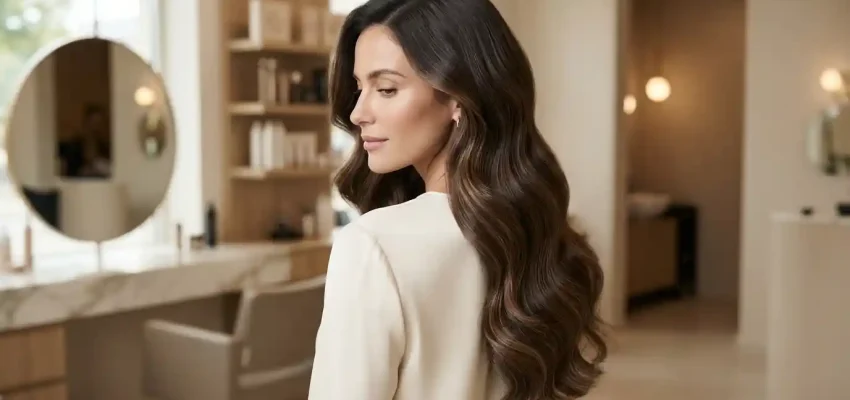
They can also complement different fashion eras and aesthetics. Someone inspired by classic styling can choose polished waves, while someone drawn to contemporary trends can experiment with dramatic length, layers, or blended colors.
This broader approach to personal style can be seen across fashion, from fresh fashion concepts to evolving global style movements. Hair extensions simply provide another way to customize the finished look.
Frequently Asked Questions
Which hair extension method looks the most natural?
The most natural-looking result depends on proper color matching, texture matching, placement, density, and blending. Several methods can look natural when professionally selected and installed.
Are clip-in extensions good for beginners?
Clip-ins are often a convenient starting point because they can be removed without maintaining a permanent attachment. They are especially useful for occasional styling.
How long do hair extensions last?
The lifespan varies by method, hair quality, maintenance, frequency of use, and installation. Removable extensions can last through many uses when stored and cared for properly, while semi-permanent systems require periodic maintenance and replacement.
Can extensions be styled?
Many high-quality human-hair extensions can be styled similarly to natural hair, although excessive heat can shorten their usable life. Always follow the care instructions for the specific extension system.
Should I install extensions myself?
Temporary systems such as clip-ins can be relatively straightforward to use at home. More permanent methods are better handled by a trained professional because incorrect placement or excessive tension can damage natural hair.
Final Thoughts
The latest hair extension methods offer far more flexibility than a simple length boost. Whether you want temporary volume, longer hair for a special occasion, a new everyday style, or a way to experiment with your appearance, there are multiple systems to consider.
The best approach is to match the extension method to your natural hair, lifestyle, styling goals, and maintenance preferences. Prioritize comfortable installation, appropriate weight, quality hair, and professional guidance when needed. With the right combination of method, color, texture, and blending, extensions can become a versatile part of a personalized beauty and fashion routine.