
For people who appreciate individuality, imperfect jewelry can offer something that mass-produced accessories often lack: character. A necklace with an unusual pendant, intentionally uneven links, weathered metal, or an artfully repaired element can become more than an accessory. It can become a visual expression of personal style and a reminder that beauty does not always depend on flawless symmetry.
This guide explores what makes a beautifully broken necklace appealing, how to style one, what symbolism can be associated with imperfect jewelry, how to care for delicate designs, and how to choose a piece that feels authentic to your wardrobe.
What Is a Beautifully Broken Necklace?
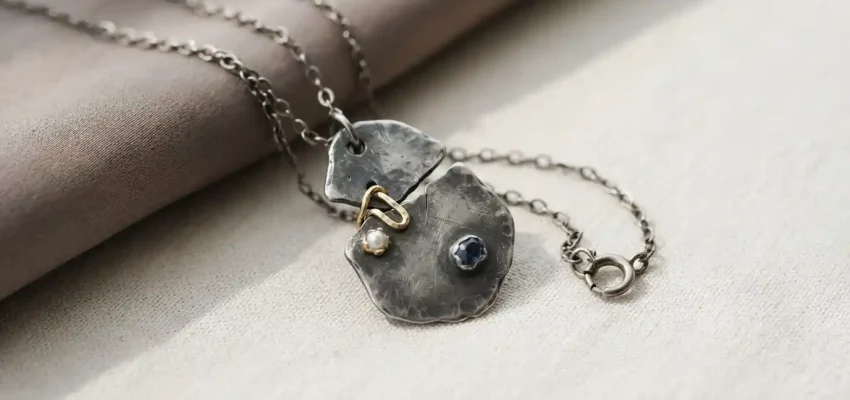
The phrase “beautifully broken necklace” can describe jewelry that incorporates the visual language of imperfection. That may include deliberately distressed finishes, asymmetrical pendants, fragmented shapes, repaired components, irregular chains, cracked-looking surfaces, or designs inspired by objects that have been aged or weathered.
Not every imperfect-looking necklace is actually damaged. In many designs, the irregularity is intentional. Designers may use uneven forms, unconventional materials, or visible joins to create a distinctive aesthetic.
This approach fits naturally into the broader world of expressive fashion, where accessories can communicate personality just as strongly as clothing. Readers interested in the evolution of personal style can also explore fashion’s new beginnings and the ways changing design ideas influence modern wardrobes.
Why Imperfect Jewelry Can Feel So Special
Traditional jewelry often emphasizes symmetry, polish, precision, and consistency. Those qualities remain appealing, but imperfect jewelry introduces a different visual language. Instead of asking the wearer to appreciate flawless construction alone, it encourages attention to texture, individuality, history, and artistic expression.
A slightly uneven pendant can create visual interest. A distressed metal finish can add depth. An asymmetrical arrangement can make a simple outfit feel more considered. Even a visible repair can become an intentional focal point when it has been incorporated thoughtfully into the design.
This philosophy also connects with the idea of finding beauty in things that are temporary, aged, or incomplete. In that sense, an imperfect necklace can feel more intimate than a perfectly standardized accessory.
The Emotional Meaning Behind a Broken Necklace
Jewelry frequently carries emotional meaning. People wear necklaces to remember important relationships, celebrate milestones, express beliefs, or mark significant periods in their lives. An imperfect necklace can naturally take on additional symbolism because its appearance may suggest resilience, transformation, or a history of change.
A repaired pendant, for example, can represent restoration. An irregular chain may symbolize individuality. A weathered finish can suggest the passage of time. These interpretations are personal rather than universal, which is part of what makes symbolic jewelry interesting.
The meaning becomes especially powerful when the wearer chooses a piece because it reflects a personal experience rather than simply following a fashion trend.
Beautifully Broken Jewelry and Wabi-Sabi
The aesthetic of imperfect jewelry is often discussed alongside wabi-sabi, a Japanese concept commonly associated with appreciating imperfection, impermanence, simplicity, and the marks of time. While a necklace should not automatically be described as wabi-sabi simply because it looks distressed, the philosophy provides a useful way to understand why irregular forms can be visually compelling.
Under this perspective, a small flaw does not necessarily reduce an object’s appeal. Instead, its unusual characteristics can contribute to its identity.
This idea can be particularly appealing in an era when digital images and mass-market fashion often emphasize polished, standardized appearances. An imperfect necklace provides an alternative: something that looks individual rather than uniform.
How Fashion Influences the Appeal of Imperfect Necklaces
Fashion constantly moves between refinement and experimentation. One season may emphasize minimalism, while another embraces bold accessories, unusual silhouettes, vintage references, or layered styling.
Street style demonstrates how accessories can transform otherwise simple outfits. A distinctive necklace can become the element that gives a basic shirt, jacket, or dress a recognizable personality. For more inspiration, explore street style and contemporary fashion looks.
Fashion history also shows that transformation does not always require an entirely new wardrobe. Accessories can change the character of familiar clothing. A necklace with an unconventional shape can make a classic outfit feel artistic, modern, vintage-inspired, or deliberately edgy.
Choosing the Right Beautifully Broken Necklace
Choosing an imperfect necklace should still involve careful attention to craftsmanship and practicality. “Broken-looking” should not mean genuinely unsafe or poorly constructed.
Look at the Materials
Consider whether the necklace is made from sterling silver, stainless steel, gold-toned metal, beads, glass, ceramic, resin, gemstones, wood, or another material. Each material reacts differently to moisture, friction, cleaning products, and everyday wear.
Examine the Construction
Look closely at the chain, clasps, pendant attachment, and any intentionally distressed sections. If the design includes a visible repair, make sure it appears secure rather than structurally weak.
Consider Your Existing Wardrobe
A statement necklace is most useful when it works with clothing you already own. If your wardrobe is primarily minimalist, an unusual pendant can become a focal point. If your clothing is already highly detailed, a more restrained imperfect necklace may provide balance.
Think About Your Personal Style
Do not choose a necklace simply because it is unusual. Choose one that feels consistent with the way you like to dress. Personal style becomes more convincing when accessories feel intentional rather than randomly selected.
Readers exploring distinctive fashion aesthetics can also look at global fashion style and changing design influences for broader inspiration.
How to Style a Beautifully Broken Necklace
The versatility of an imperfect necklace depends largely on its size, material, color, and visual complexity. A subtle design can work with everyday outfits, while a dramatic pendant can become the centerpiece of a formal look.
With a Simple T-Shirt
A plain white, black, gray, or neutral-colored T-shirt creates an uncomplicated background for a distinctive necklace. This approach allows the accessory to attract attention without competing with patterns or elaborate details.
With Denim
Denim provides a natural pairing for distressed or unconventional jewelry. Try an imperfect necklace with jeans, a denim jacket, and a simple top for a relaxed outfit with visual character.
With a Little Black Dress
An unusual necklace can give a classic black dress a more artistic direction. If the necklace has metallic details or a sculptural pendant, keep other accessories relatively restrained so the necklace remains the focal point.
With Tailored Clothing
Imperfection can create an interesting contrast against structured clothing. A deliberately irregular necklace worn with a blazer, tailored trousers, or a crisp shirt can combine polished tailoring with creative accessories.
As Part of Layered Jewelry
Layering can work particularly well when one necklace has a distinctive shape and the other chains are simpler. Use different lengths to prevent the pieces from visually merging together.
Using Imperfect Accessories to Create a Personal Look
The strongest accessory choices often reflect a person’s broader style rather than existing in isolation. Clothing, hair, skin care, bags, and jewelry can work together to create a consistent presentation.
For example, someone interested in modern beauty and personal presentation may also explore modern hair extension styles or learn about anti-age skincare routines. These subjects are different from jewelry, but they share the same underlying theme: developing a personal appearance that feels intentional.
For another perspective on everyday beauty, readers can explore modern skincare routines and natural skincare companies and beauty approaches.
Beautifully Broken Necklaces for Different Occasions
Everyday Wear
For everyday use, choose a lightweight necklace with secure hardware and a design that does not easily catch on clothing. A subtle irregular pendant can add personality without becoming difficult to wear.
Work and Professional Settings
In professional environments, understated designs are usually easier to integrate. Consider a refined chain with a small asymmetrical pendant rather than an extremely large or fragile statement piece.
Evening Events
Evening clothing gives you more room to experiment. A sculptural necklace can complement a simple dress, while metallic or gemstone details can create contrast against darker fabrics.
Creative and Casual Events
Art shows, casual gatherings, markets, and creative events can be excellent opportunities to experiment with unusual accessories. A necklace that looks intentionally different can become a conversation starter.
Fashion exhibitions have also demonstrated how jewelry can exist between personal style, craftsmanship, art, and cultural expression. AnchorEra’s coverage of a major jewelry design exhibition offers a useful example of jewelry being presented as more than a simple accessory.
How Imperfect Jewelry Connects With Fashion History
Fashion repeatedly revisits older ideas and transforms them for new audiences. Vintage-inspired clothing, retro accessories, distressed materials, and reconstructed garments can all bring history into contemporary styling.
Even movie costumes demonstrate how accessories contribute to character development and visual storytelling. The discussion of movie makeovers and fashion transformations shows how a change in clothing and styling can completely alter a visual identity.
Similarly, a necklace can change the impression created by an outfit without requiring any alteration to the clothing itself.
Pairing a Beautifully Broken Necklace With Other Accessories
When wearing a statement necklace, consider the visual weight of other accessories. Large earrings, an elaborate bracelet, and a dramatic necklace may compete for attention.
A more balanced approach is to select one primary statement piece and let the remaining accessories support it. If the necklace has a complex pendant, simple earrings may work better. If the necklace is delicate, you have more freedom to experiment with rings or bracelets.
Clothing accessories can also influence the overall result. A structured bag, distinctive belt, or unusual pair of shoes can complement an artistic necklace when the colors and proportions are coordinated.
For practical fashion inspiration, you can also explore stylish educator shirts and fashionable functional bags, both of which demonstrate how practical items can still contribute to personal style.
How to Care for a Beautifully Broken Necklace
Care depends on the necklace’s material and construction, but unusual or delicate designs deserve particular attention.
- Store it separately: Keep the necklace in a soft pouch or compartment to reduce scratching and tangling.
- Avoid unnecessary moisture: Remove jewelry before swimming, showering, or activities that expose it to excessive water.
- Limit contact with chemicals: Perfume, hairspray, lotions, and cleaning products can affect some metals and finishes.
- Handle fragile elements carefully: Jagged-looking or intentionally fragmented components may require more careful handling.
- Clean according to the material: Use an appropriate soft cloth or cleaning method rather than assuming every jewelry material can tolerate the same products.
- Inspect the clasp: Check the fastening mechanism periodically, especially if the necklace is worn frequently.
When a Broken Necklace Should Be Repaired
There is an important difference between intentional imperfection and actual structural damage. A necklace may have a distressed appearance while remaining fully functional. If the chain is separating, the clasp is failing, or a pendant is at risk of falling, repair should take priority over aesthetics.
For sentimental jewelry, professional repair can sometimes preserve the original character while restoring structural integrity. Ask a qualified jeweler about the safest approach, particularly when precious metals, gemstones, delicate chains, or unusual construction methods are involved.
Why Imperfection Can Make Jewelry More Memorable
Perfect jewelry can be beautiful, but unusual jewelry can be memorable. An asymmetrical pendant or distinctive repair detail gives the eye something to notice. It can also create a personal story that becomes associated with the piece.
This is one reason accessories remain such an important part of fashion. Clothing establishes the foundation of an outfit, while jewelry can add the small details that make the final appearance feel individual.
Even broader fashion trends demonstrate this principle. From retro-inspired fashion to contemporary clothing movements, distinctive details often determine whether a look feels generic or personal.
Beautifully Broken Necklace as a Gift
An imperfect necklace can make a thoughtful gift when its design connects with the recipient’s personality or story. Rather than choosing a piece only because it looks unusual, consider what its shape, material, or symbolism might mean to the person receiving it.
A repaired-looking pendant could represent resilience. An asymmetrical design might suit someone with an unconventional fashion sense. A vintage-inspired piece could work well for someone who enjoys historical or nostalgic aesthetics.
The most meaningful jewelry gifts are usually those that feel connected to the recipient rather than selected solely because they are currently fashionable.
What Makes a Beautifully Broken Necklace Timeless?
Trends change, but personal meaning can last much longer. A necklace becomes timeless when it continues to feel relevant to the person wearing it, regardless of whether its particular design is currently popular.
Imperfection can contribute to that longevity because the piece does not necessarily depend on a narrow seasonal trend. A distinctive shape, meaningful repair, unusual material, or personal story can continue to make the necklace interesting years after it was purchased.
This idea also connects with the broader appeal of enduring clothing and accessories. Pieces that reflect individual taste rather than a single trend are often easier to incorporate into evolving wardrobes.
Final Thoughts
A beautifully broken necklace represents an alternative approach to jewelry: one that appreciates character, asymmetry, texture, history, and individuality. Whether the imperfect appearance is intentionally designed, inspired by repair, or influenced by aged materials, it can create an accessory that feels more personal than a perfectly standardized piece.
The key is to distinguish intentional imperfection from genuine damage. A well-designed necklace should remain wearable, secure, and thoughtfully constructed even when its appearance celebrates irregularity.
When styled thoughtfully, an imperfect necklace can complement everything from casual denim to formal clothing. It can serve as a subtle personal detail or become the central statement of an outfit.
Ultimately, the appeal of beautifully broken jewelry comes down to individuality. Not every beautiful object needs to look flawless. Sometimes the details that make a piece different are precisely the details that make it worth remembering.