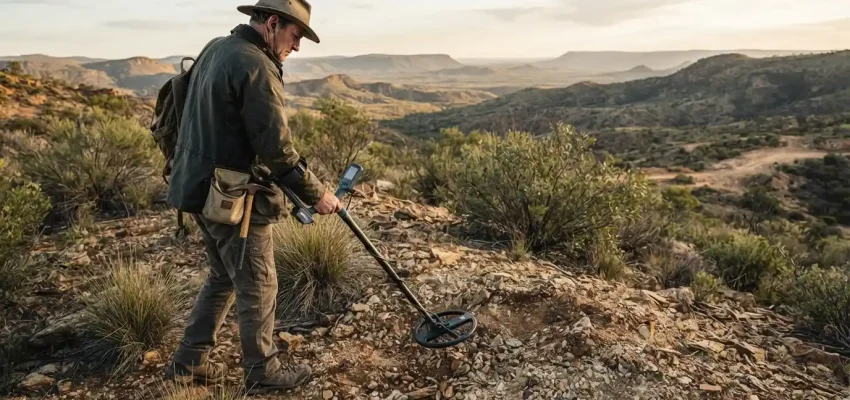

For hobbyists, outdoor explorers, and serious prospectors, the goal is not simply to make a detector produce a signal. The real objective is to distinguish useful targets from ground interference, understand changing terrain, work efficiently, and make better decisions before beginning an excavation.
That shift has made modern detection equipment part of a much broader exploration landscape. Advances in electronics, portable technology, materials, and user-interface design are influencing how people approach gold prospecting and general metal detection.
How Gold and Metal Detection Has Changed
Earlier generations of metal detectors were relatively straightforward devices. They detected changes in electromagnetic conditions and communicated those changes primarily through audible tones. While this basic principle remains important, modern systems can provide users with substantially more control over how signals are interpreted.
Contemporary detectors are designed with the realities of outdoor exploration in mind. Soil mineralization, electrical interference, moisture, target size, target depth, and the type of metal being sought can all influence detector behavior.
This is why modern prospecting increasingly depends on understanding both the equipment and the environment.
The wider technology industry has followed a similar path. Portable electronics have become more capable while remaining easier to operate, and advances in hardware have created new opportunities for specialized field equipment. Readers interested in the broader evolution of consumer technology can also explore budget-friendly gadgets and the development of innovative chipset technology.
What Makes Modern Gold Detection Different?
Gold presents a particular challenge for detector users because naturally occurring gold can appear in different forms and sizes. Small pieces, larger nuggets, mineralized ground, and other metallic targets can produce different responses.
A detector intended for serious gold exploration therefore needs to work effectively in conditions where the ground itself can create strong signals.
Modern detection systems typically focus on several important areas:
- Ground response and mineralization management
- Sensitivity adjustment
- Signal stability
- Target response analysis
- Search-coil performance
- Ergonomic handling
- Control flexibility
- Resistance to demanding outdoor conditions
These features do not eliminate the need for experience. Instead, they give an experienced operator more information and control when evaluating a target.
Understanding Ground Mineralization
Ground mineralization is one of the biggest challenges in serious metal detection. Certain soils contain naturally occurring minerals that can respond to a detector’s electromagnetic field. When that response becomes strong, it can make legitimate targets harder to identify.
Highly mineralized environments can produce unstable behavior, inconsistent responses, or increased background noise. A detector that performs well in relatively neutral soil may require different settings when used in mineral-rich terrain.
This is where ground balancing and appropriate sensitivity become particularly important.
Rather than simply increasing sensitivity as high as possible, experienced users generally aim for a practical balance between sensitivity and stability. A highly sensitive detector that produces excessive interference may be less useful than a slightly less sensitive detector producing clear and repeatable information.
The Importance of Signal Interpretation
Modern detection is not just about hearing a tone. Signal interpretation is a major part of the process.
A useful response should ideally be repeatable when the operator approaches the target from different directions. Changes in tone, intensity, target identification information, and response consistency can all contribute to an operator’s assessment.
However, no detector can guarantee that every signal represents gold. Target identification should therefore be treated as guidance rather than absolute confirmation.
The most effective approach combines detector information with practical observation. Soil conditions, location, target behavior, previous findings, and the characteristics of the search area can all influence the decision to investigate further.
Why Detector Design Matters in the Field
Detection sessions can last for several hours, particularly when searching large outdoor areas. As a result, physical design is almost as important as electronic capability.
A detector that is difficult to carry, poorly balanced, or uncomfortable to operate can reduce productivity over time. Weight distribution, handle design, control placement, and search-coil configuration can all influence how easily an operator can cover an area.
Modern portable technology provides useful examples of this design philosophy. Devices such as the Sony Alpha a6000 demonstrate how sophisticated technology can be incorporated into a relatively compact form. Metal detectors follow a comparable design objective: delivering useful technical capability without making field operation unnecessarily complicated.
Choosing Between Gold Detection and General Metal Detection
Not every detector is intended for the same purpose.
General-purpose metal detectors may be suitable for searching for coins, jewelry, relics, or other metallic objects in parks, beaches, fields, and similar environments. Gold-focused equipment is generally designed with prospecting conditions and the detection of naturally occurring gold in mind.
The correct choice therefore begins with the intended use.
Before buying equipment, consider:
- What type of targets you expect to search for
- The soil conditions in your search area
- Whether you expect to search for natural gold or manufactured metal objects
- How frequently you will use the detector
- How much ground you need to cover
- Whether adjustable settings are important to you
- How portable the equipment needs to be
- Whether you are a beginner or experienced operator
Price alone should not determine the decision. A less expensive detector may be perfectly suitable for occasional recreational use, while serious prospecting can justify equipment with more advanced controls and specialized capabilities.
The Role of Modern Electronics
Electronic development has played a major role in improving metal detection. Faster processing, better circuit design, improved power management, and more sophisticated signal analysis can all contribute to the overall user experience.
The same trend can be seen throughout modern technology. Innovations in processors and electronic components continue to make specialized devices smaller, more efficient, and more capable.
For readers interested in how technology continues to reshape everyday equipment, the wider discussions around technology solutions and innovation provide useful context.
Technology companies such as those discussed in modern technology business solutions and cutting-edge technology innovation illustrate the broader movement toward smarter and more integrated electronic systems.
Portable Technology and Exploration
Exploration equipment has benefited from the broader movement toward portable technology. Field users increasingly expect devices to be practical to carry, simple to configure, and capable of delivering useful information without requiring bulky supporting equipment.
This trend is not limited to metal detectors. Portable drones, cameras, navigation devices, and communication equipment have all changed how people approach outdoor exploration.
For example, the discussion of drone ownership and modern aerial technology highlights another category of equipment where portability and advanced electronics work together.
Likewise, developments in modern technology solutions demonstrate how digital capabilities increasingly influence tools used for practical tasks.
Exploration Is About More Than Equipment
A sophisticated detector cannot replace good field practices. Successful exploration requires patience, observation, preparation, and a systematic approach.
Before beginning a search, users should understand the terrain and determine whether metal detecting is permitted in the intended area. Land ownership, protected sites, public-land rules, and local regulations can vary considerably.
Once the location has been selected appropriately, creating a consistent search pattern can help prevent large sections of ground from being overlooked.
Walking slowly and maintaining consistent coil coverage is often more useful than moving rapidly over a large area. Detectorists should also pay attention to changes in terrain and areas where natural processes may concentrate material.
Search Strategy for Different Environments
Different environments can require different approaches.
Open ground may allow systematic grid searches, while rocky terrain can make coil movement more difficult. Areas with heavy vegetation may require slower movement and more careful target investigation.
Outdoor exploration also benefits from proper preparation. Weather, terrain, water availability, navigation, footwear, and communication should all be considered before entering a remote area.
The broader subject of outdoor travel and exploration is covered in resources such as modern adventure travel and nature destinations around the world.
For U.S.-based explorers, understanding the characteristics of different regions can also help when planning outdoor activities. Articles covering tropical places in the United States, U.S. destinations in fall, and places to visit in Oregon provide broader destination context.
Safety and Responsible Detection
Metal detecting should always be approached responsibly. A detectorist may encounter uneven ground, abandoned structures, water, sharp objects, wildlife, unstable terrain, or other hazards.
Responsible operators should also avoid disturbing protected archaeological locations or digging where permission is not granted.
Personal safety is particularly important when exploring unfamiliar or remote environments. Planning the route, checking weather conditions, carrying sufficient water, and informing someone about your intended location can reduce avoidable risks.
Those researching outdoor destinations may also find broader guidance in resources about safer places to visit in the United States.
How Technology Can Improve the User Experience
One of the most important developments in modern detection is the movement toward user-centered controls. Instead of requiring operators to understand every technical detail, newer equipment increasingly attempts to present useful information in an accessible way.
Clear controls can make it easier to adjust sensitivity, respond to ground conditions, and understand changes in detector behavior.
This is part of a wider digital design principle: technology works best when advanced capabilities are presented through interfaces that users can understand.
The concept is also relevant to broader discussions about the user journey in digital transformation. Although a metal detector is a physical field device rather than a conventional digital service, the underlying design objective is similar: reduce unnecessary complexity while giving users useful control.
Managing Long Detection Sessions
Long sessions require more than technical equipment. Operators need to manage their pace and avoid unnecessary fatigue.
Taking regular breaks, maintaining comfortable posture, adjusting equipment correctly, and organizing accessories can make extended searches more manageable.
Planning also improves efficiency. Instead of repeatedly covering the same area without a clear strategy, detectorists can divide a search location into manageable sections and record which areas have already been examined.
Structured planning is useful in many high-output activities, and the principles discussed in effective timeline management can also inspire a more organized approach to field exploration.
Gold Detection as a Modern Outdoor Hobby
Metal detecting combines technology with outdoor exploration. That combination is one reason the activity continues to appeal to people with different levels of experience.
For some users, the attraction is the possibility of discovering gold. Others enjoy researching locations, learning how detectors work, exploring historical landscapes, or simply spending time outdoors.
The equipment can therefore be viewed as one part of a larger experience rather than the entire hobby.
Outdoor recreation has many forms. The broader connection between physical activity, exploration, and modern equipment can also be seen in resources covering sports, fitness, and active lifestyles and destinations such as recreation-focused outdoor spaces.
The Future of Metal Detection
The next stage of metal detection is likely to continue the industry’s movement toward better signal interpretation, improved portability, more intuitive controls, and greater integration between hardware and software.
As electronic components become increasingly capable, manufacturers can potentially deliver more information without requiring larger or more complicated equipment.
Artificial intelligence and advanced data processing may also influence future detector development. However, practical field performance will remain the ultimate measure of usefulness. A technology is valuable only when it helps the operator make better decisions under real-world conditions.
The wider technology sector provides plenty of evidence of this continuing transition. From portable entertainment systems such as the Combi mobile entertainer to broader innovation in digital products, technology increasingly emphasizes portability, usability, and practical performance.
What to Look for Before Buying a Detector
If you are considering your first serious detector, avoid choosing equipment solely because a specification sheet contains impressive numbers.
Instead, evaluate the complete system.
- Operating environment: Consider the soil and terrain where you will search.
- Target type: Decide whether your primary interest is natural gold, coins, jewelry, relics, or general metal objects.
- Ground handling: Look for equipment capable of maintaining useful performance under the conditions you expect to encounter.
- Controls: Make sure the settings are understandable and practical.
- Ergonomics: Consider weight, balance, and comfort during long sessions.
- Portability: Think about how far you will carry the equipment before reaching the search area.
- Experience level: Advanced equipment can offer more control, but beginners may benefit from simpler operation.
- Long-term value: Consider durability and whether the detector can continue to meet your needs as your skills improve.
Why the Axiom Fits Into This Modern Landscape
The Axiom represents the type of modern detection equipment designed around precision, control, and field usability. Its relevance comes from the broader development of professional metal-detection technology, where stability and practical signal interpretation matter as much as raw sensitivity.
For users exploring advanced gold detection, the Axiom can be considered within the larger category of professional equipment rather than as a simple entry-level detector.
That distinction is important because experienced users often need equipment that can adapt to different ground conditions and provide consistent feedback during extended exploration.
The right detector ultimately depends on the user’s goals, environment, experience, and budget. No single device is ideal for every type of search.
Final Thoughts
Modern gold and metal detection is a combination of technology, field knowledge, patience, and responsible exploration. Advances in electronics have made today’s detectors more capable, but successful detection still depends heavily on understanding the environment and interpreting signals carefully.
For serious prospectors, the most useful equipment is not necessarily the detector with the longest specification list. It is the system that provides stable performance, practical controls, comfortable handling, and useful information under the conditions where it will actually be used.
As technology continues to develop, metal detection is likely to become even more precise and user-friendly. The fundamentals, however, will remain important: choose the right equipment, understand the terrain, search systematically, respect regulations, and treat every signal as information rather than an automatic promise of discovery.