If you are looking for the best nature places to visit in the world, the choices can feel almost endless. The right destination depends on whether you prefer hiking, wildlife, beaches, scenic drives, photography, peaceful landscapes, or adventurous outdoor experiences.
This guide brings together some of the world’s most remarkable natural destinations and explains what makes each one worth visiting. It also connects several destinations that can help you plan a broader international nature-focused itinerary.
What Makes a Nature Destination Worth Visiting?
A great nature destination is more than a beautiful photograph. The most memorable places usually combine spectacular scenery with opportunities to explore the landscape responsibly.
- Distinctive scenery: Mountains, forests, glaciers, coastlines, waterfalls, deserts, and unusual geological formations create memorable experiences.
- Outdoor activities: Hiking, wildlife watching, kayaking, scenic drives, snorkeling, camping, and photography can make a natural destination more rewarding.
- Accessible experiences: Some destinations offer easy viewpoints and short walks, while others are better suited to experienced hikers and adventurers.
- Wildlife: National parks and protected areas can provide opportunities to see animals in their natural habitats.
- Seasonal appeal: A landscape can look completely different in spring, summer, autumn, or winter.
25 Best Nature Places to Visit in the World
1. Yellowstone National Park, United States
Yellowstone is one of the most iconic natural destinations in the United States. Its landscape combines geothermal features, forests, mountains, rivers, lakes, and wildlife.
Visitors can explore geothermal areas, scenic viewpoints, hiking trails, and expansive wilderness. Wildlife enthusiasts may also encounter bison, elk, bears, wolves, and other species depending on the location and season.
If you are building a wider American nature itinerary, you can also explore our guide to must-visit places in Yellowstone National Park.
2. Banff National Park, Canada
Banff is famous for its dramatic Rocky Mountain scenery, clear alpine lakes, forests, and towering peaks. The combination of mountain landscapes and accessible outdoor activities makes it one of Canada’s most popular nature destinations.
Lake Louise and the surrounding mountain scenery are particularly impressive, while hiking trails provide opportunities to experience the landscape away from the busiest viewpoints.
Travelers interested in Canadian destinations can also compare Banff with other options through our guide to the top places to visit in Quebec and our guide on the best places to stay while visiting Montreal.
3. Fiordland National Park, New Zealand
New Zealand’s Fiordland region is known for steep mountains, deep fiords, waterfalls, rainforest, and remote wilderness. Milford Sound is one of its best-known landscapes, but the wider region offers far more than a single viewpoint.
Hiking is one of the best ways to experience the area’s scenery, although weather conditions can change quickly and visitors should plan accordingly.
For more New Zealand inspiration, see our guide to the top places to visit in New Zealand’s South Island and explore the Lord of the Rings places to visit in New Zealand.
4. Patagonia, South America
Patagonia stretches across southern Argentina and Chile and is one of the world’s great wilderness regions. The area is known for rugged mountains, glaciers, turquoise lakes, windswept plains, and enormous national parks.
Patagonia is especially appealing to travelers who want challenging hikes and dramatic landscapes. Torres del Paine and Los Glaciares are among the best-known protected areas in the region.
5. Swiss Alps, Switzerland
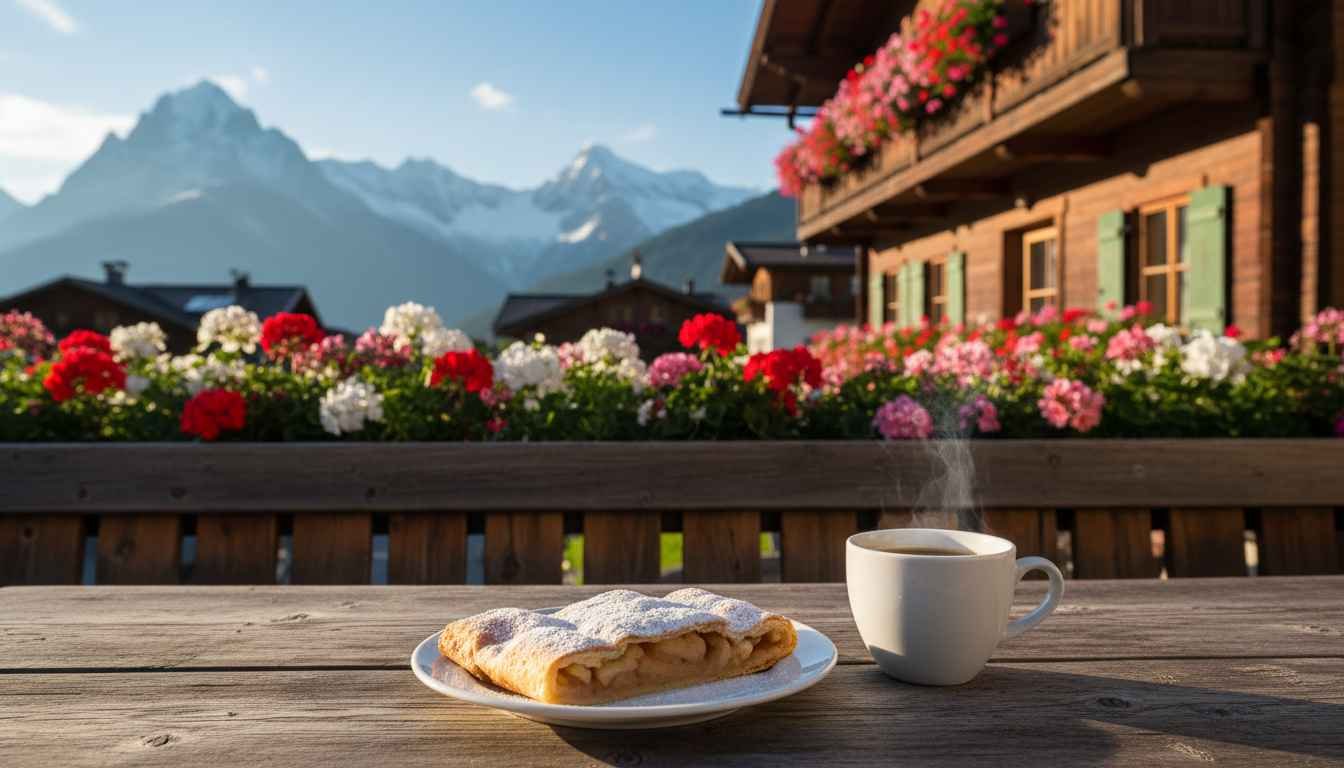
The Swiss Alps offer a spectacular combination of snow-covered peaks, green valleys, alpine lakes, villages, and scenic mountain railways. The region works particularly well for travelers who want nature without completely disconnecting from comfortable infrastructure.
Summer brings hiking and mountain activities, while winter transforms many areas into major skiing and snow-sports destinations.
For another European landscape-focused trip, consider our guide to the best places to visit in Austria.
6. Norwegian Fjords, Norway
Norway’s fjords are among Europe’s most recognizable natural landscapes. Deep waterways surrounded by steep mountains create dramatic scenery that can be explored by boat, road, hiking trail, or scenic railway.
The combination of waterfalls, cliffs, small settlements, and mountain landscapes makes the fjord region particularly attractive to photographers.
If Norway is on your travel list, our guide to the most popular places to visit in Norway can help you expand your itinerary.
7. Costa Rica
Costa Rica is an excellent choice for travelers who want biodiversity alongside tropical scenery. Rainforests, volcanoes, beaches, rivers, and protected wildlife areas create a diverse natural environment within a relatively compact country.
Travelers can combine rainforest adventures with coastal relaxation, hiking, wildlife observation, and other outdoor experiences.
Safety-conscious travelers may also want to explore our guide to the safest places to visit in Costa Rica.
8. The Canadian Rockies
The Canadian Rockies deserve special attention because of their enormous scale and variety. Mountain peaks, glacier-fed lakes, forests, and wildlife create an impressive setting for road trips and outdoor adventures.
Summer is popular for hiking and sightseeing, while winter provides a completely different experience for visitors interested in snow-covered landscapes.
9. South Island, New Zealand
New Zealand’s South Island combines several types of natural scenery in one region, including mountains, lakes, coastlines, glaciers, forests, and open countryside.
It is particularly attractive for road-trip travelers because many scenic areas can be connected through carefully planned driving routes.
Travelers can also combine a South Island trip with the destinations featured in our South Island travel guide.
10. Kerala and the Western Ghats, India
Southern India offers a different type of nature experience. Kerala’s lush landscapes, waterways, plantations, forests, and surrounding Western Ghats provide a mixture of tropical scenery and mountain environments.
The Western Ghats are particularly appealing to travelers interested in biodiversity, waterfalls, forests, and mountain landscapes.
For more ideas, explore our guide to the best places to visit in the Western Ghats and discover places to visit in Sri Lanka for another South Asian nature-focused trip.
11. Ella, Sri Lanka
Ella is surrounded by green mountains, tea plantations, valleys, waterfalls, and hiking trails. Its cooler hill-country environment makes it a refreshing alternative to Sri Lanka’s coastal destinations.
Hiking and scenic exploration are among the main reasons travelers visit the region, particularly those looking for dramatic views without planning a highly technical expedition.
You can continue planning a Sri Lankan itinerary with our guide to the best places to visit in Ella and our guide to Nuwara Eliya.
12. Iceland
Iceland is one of the world’s most distinctive nature destinations because volcanic and glacial landscapes exist side by side. Travelers can encounter waterfalls, black-sand beaches, lava fields, glaciers, geothermal areas, and rugged coastlines.
The country’s landscapes are ideal for scenic road trips, photography, hiking, and sightseeing.
13. South Africa
South Africa offers an unusually broad range of natural experiences. Visitors can explore mountains, coastlines, wetlands, savannas, and wildlife-rich protected areas.
The country’s diversity means a nature-focused itinerary can include both spectacular landscapes and wildlife experiences without limiting the trip to a single environment.
For broader planning, see our guide to the best places to visit in South Africa.
14. South Island of Australia
Australia offers an enormous variety of natural landscapes, from beaches and rainforests to mountains and national parks. Travelers interested in combining city exploration with nature can consider Melbourne as a starting point for broader regional adventures.
Our guide to the best places to visit in Melbourne can be useful when building an Australia itinerary.
15. Santorini and the Greek Islands
Greece is widely known for its coastlines, islands, cliffs, and Mediterranean scenery. Santorini stands out for its volcanic landscape, dramatic caldera views, and striking coastline.
Although Santorini is famous for its villages and architecture, the island’s geological setting is an important part of its appeal.
For more Greek travel inspiration, explore the top places to visit in Santorini and learn more about why Greece is considered a great place to visit.
16. Oregon Coast, United States
The Oregon Coast offers a different side of American nature travel. Rocky shorelines, beaches, forests, cliffs, sea stacks, and scenic viewpoints create an excellent environment for road trips.
The coast is especially appealing to travelers who enjoy photography and relaxed outdoor exploration rather than high-altitude adventures.
Our guide to the best places on the Oregon Coast provides additional ideas.
17. California in Autumn
California is often associated with beaches and major cities, but the state also contains mountains, forests, deserts, lakes, and spectacular seasonal scenery.
Autumn can be particularly attractive for travelers looking for changing foliage, cooler temperatures, and scenic outdoor experiences.
See our guide to the best places to visit during fall in California for seasonal ideas.
18. Yellowstone and the American West
The American West contains some of the country’s most recognizable wilderness landscapes. Beyond Yellowstone, travelers can explore deserts, mountain ranges, forests, canyons, and national parks across several states.
If safety is an important consideration when choosing an American destination, our guide to the safest places to visit in the US provides another useful starting point.
19. Joshua Tree, California
Joshua Tree National Park offers a completely different visual experience from the forested mountain destinations on this list. Desert landscapes, distinctive rock formations, and Joshua trees create a memorable environment for hiking, photography, and stargazing.
Travelers planning a Southern California road trip can also explore our guide to places to visit near Joshua Tree National Park.
20. Utah’s National Landscapes
Utah is one of the strongest choices for travelers who love dramatic geological scenery. Red-rock formations, canyons, desert landscapes, and high-elevation environments create an extraordinary range of outdoor experiences.
The state is especially well suited to road trips that combine several national parks and scenic areas.
Families planning a trip can also explore our guide to the best places to visit in Utah with kids.
21. San Diego and Southern California
San Diego provides a useful combination of coastline, parks, beaches, and outdoor attractions. Its mild climate makes outdoor exploration possible throughout much of the year.
Visitors who want to explore beyond the main city can use our guide to unique places to visit in San Diego for additional ideas.
22. The South of Spain
Southern Spain combines Mediterranean coastline, mountain landscapes, countryside, and distinctive natural environments. The region is suitable for travelers who want nature alongside historic towns and cultural experiences.
Explore our guide to the best places to visit in southern Spain when planning a wider trip.
23. South Europe
Southern Europe contains an impressive mixture of coastlines, mountains, forests, islands, and rural landscapes. Countries across the Mediterranean can be especially rewarding for travelers who want to combine nature with food, history, and culture.
Our guide to the best places to visit in South Europe can help expand your options.
24. Colombia
Colombia offers remarkable geographic diversity, including tropical forests, mountains, Caribbean coastlines, valleys, and other ecosystems. This makes it a strong choice for travelers who want varied scenery rather than a single type of landscape.
For itinerary inspiration, explore our guide to the best places to visit in Colombia.
25. The World’s Most Desirable Nature Escapes
For travelers who have not yet chosen a specific country, starting with a broad list can make the planning process easier. Some destinations are ideal for mountains and hiking, others for tropical wildlife, while others are best suited to scenic road trips or peaceful coastal escapes.
You can explore more international inspiration through our guide to the most desirable places to visit in the world, along with our collection of amazing places to visit around the world.
Best Nature Destinations by Travel Style
Best for Mountains
Travelers who prioritize dramatic mountain scenery should consider the Swiss Alps, Canadian Rockies, Patagonia, New Zealand, Norway, and Utah. These destinations offer different combinations of peaks, valleys, glaciers, lakes, and hiking opportunities.
Best for Wildlife
Costa Rica, South Africa, Yellowstone, and New Zealand are strong choices for travelers who want wildlife experiences alongside natural scenery. Always follow local wildlife guidelines and maintain a respectful distance from animals.
Best for Scenic Road Trips
New Zealand, Iceland, the Oregon Coast, California, Utah, and Norway are particularly appealing for road-trip travelers. A vehicle can provide flexibility to stop at viewpoints, trails, beaches, and smaller communities along the way.
Best for Tropical Nature
Costa Rica, Sri Lanka, Colombia, Kerala, and parts of South Africa provide warmer environments with forests, coastlines, wildlife, and diverse ecosystems.
Best for Families
Families may prefer destinations where scenic experiences are easy to access and activities can be adjusted for different ages and abilities. Yellowstone, Utah, California, New Zealand, and selected areas of Canada can work well when the itinerary is planned around manageable activities.
How to Choose the Best Nature Place for Your Trip
The best destination is not necessarily the one with the most famous landscape. It should match your available time, budget, preferred activities, travel season, and comfort level.
- Choose your landscape: Decide whether you prefer mountains, forests, beaches, deserts, waterfalls, glaciers, or wildlife areas.
- Check the season: Weather can dramatically affect hiking conditions, road access, wildlife activity, and accommodation availability.
- Consider travel time: A spectacular destination may not be practical for a short vacation if reaching it requires several long connections.
- Match activities to your ability: Some natural areas offer easy viewpoints, while others require long hikes or specialized equipment.
- Plan around conservation: Follow park rules, stay on designated trails, avoid disturbing wildlife, and minimize waste.
- Build in flexibility: Nature is unpredictable. Weather, road closures, trail conditions, and local restrictions can affect plans.
When Is the Best Time to Visit Nature Destinations?
There is no single best month for every natural destination. Summer may provide long daylight hours and easier access to mountain trails, while autumn can bring colorful landscapes and cooler temperatures. Winter can transform destinations into snow-covered scenery, while spring often brings fresh vegetation and seasonal waterfalls.
Before booking flights or accommodation, check the seasonal conditions of your chosen destination and confirm whether major trails, roads, parks, or attractions are open.
Tips for Responsible Nature Travel
Beautiful natural environments depend on responsible tourism. Visitors can reduce their impact by staying on marked trails, carrying reusable water bottles, avoiding single-use waste, respecting wildlife, and following local regulations.
Do not remove rocks, plants, shells, or other natural materials from protected areas. When visiting popular destinations, consider traveling during less crowded periods and choosing lesser-known trails where appropriate.
Final Thoughts
The best nature places to visit in the world range from the mountains of Switzerland and Canada to the tropical ecosystems of Costa Rica and Sri Lanka, the deserts of the American Southwest, the fjords of Norway, and the wilderness of New Zealand and Patagonia.
The most rewarding choice depends on what you want from your trip. Whether you are looking for a challenging hike, a peaceful landscape, a wildlife encounter, or a scenic road trip, there is a natural destination that can match your travel style.
Instead of trying to see everything at once, choose one region, research its seasons and access requirements, and give yourself enough time to experience the landscape responsibly. A well-planned nature trip can be more memorable than a rushed itinerary filled with too many destinations.