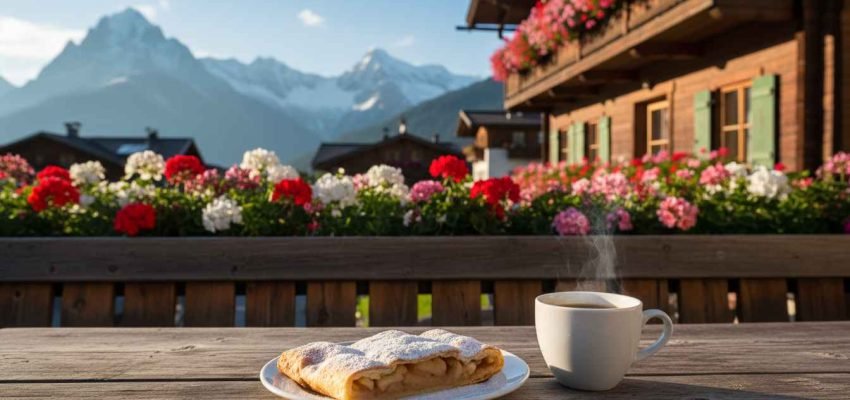

Choosing the best places to visit in Austria depends on what kind of trip you want. City travelers can explore palaces, museums, cafés, and historic neighborhoods, while nature lovers can hike through Alpine valleys, visit mountain lakes, and enjoy scenic rail journeys. Austria also works well for families, couples, photographers, food lovers, and travelers planning a European road trip.
This guide explores some of the most worthwhile destinations in Austria and explains what makes each place special, when to visit, and what type of traveler may enjoy it most. If you’re comparing Austria with other European destinations, you may also enjoy our guides to the best places to visit in South Europe and other travel inspiration on AnchorEra.
1. Vienna
Vienna is the natural starting point for many Austria itineraries. The country’s capital combines imperial history with an energetic contemporary culture, making it one of Europe’s most versatile city destinations.
Visitors can explore Schönbrunn Palace, the Hofburg, St. Stephen’s Cathedral, the Vienna State Opera, and the historic city center. Vienna is also famous for its traditional coffeehouse culture, classical music, museums, galleries, elegant streets, and distinctive culinary traditions.
For first-time visitors, spending at least two or three days in Vienna provides enough time to experience the major landmarks without rushing. The city also makes an excellent base for exploring nearby destinations.
2. Salzburg
Salzburg is one of the most beautiful cities in Austria and a favorite for travelers interested in music, architecture, history, and dramatic scenery. The city is closely associated with Wolfgang Amadeus Mozart and offers a strong musical identity throughout its historic center.
The Old Town is filled with Baroque architecture, attractive squares, narrow streets, and historic buildings. Hohensalzburg Fortress provides impressive views across the city, while Mirabell Palace and its gardens are among the area’s most recognizable attractions.
Salzburg is also a convenient gateway to the surrounding mountains and lakes. Travelers who enjoy combining urban sightseeing with nature can easily build several different day trips around the city.
3. Hallstatt
Hallstatt is perhaps the most instantly recognizable destination in Austria. Located beside Lake Hallstatt and surrounded by mountains, the village is known for its waterfront setting, historic houses, and peaceful Alpine atmosphere.
The village is especially appealing to photographers and travelers looking for picturesque scenery. A walk along the lakefront provides some of the area’s classic views, while nearby mountain attractions add opportunities for sightseeing and outdoor activities.
Because Hallstatt can become busy during peak travel periods, visiting earlier in the day or during a quieter season can provide a more relaxed experience.
4. Innsbruck
Innsbruck is an excellent choice for travelers who want to combine a historic European city with easy access to the mountains. Located in the Tyrol region, the city is surrounded by impressive Alpine peaks.
The Golden Roof is one of Innsbruck’s best-known landmarks, while the Old Town provides a pleasant setting for walking, shopping, and sightseeing. The city’s mountain location also makes it popular for skiing, hiking, cycling, and other outdoor activities.
Innsbruck is particularly attractive for travelers who don’t want to choose between city sightseeing and mountain adventures. Both experiences can be enjoyed within the same trip.
5. The Austrian Alps
No list of the best places to visit in Austria would be complete without the Austrian Alps. The mountains define much of the country’s landscape and provide year-round opportunities for recreation.
During winter, ski resorts attract visitors looking for downhill skiing, snowboarding, snowshoeing, and traditional Alpine experiences. Summer brings hiking trails, mountain biking, scenic cable-car rides, lakes, and opportunities to explore small mountain communities.
Tyrol, Vorarlberg, Salzburg’s mountain regions, and parts of Styria are particularly appealing for travelers searching for dramatic scenery. The best region depends on whether your priority is skiing, hiking, sightseeing, or a combination of activities.
6. Zell am See
Zell am See is a beautiful lakeside destination surrounded by mountains. Its combination of Lake Zell and the nearby Alpine landscape makes it appealing in both summer and winter.
In warmer months, visitors can enjoy walking, cycling, boating, swimming, and mountain excursions. Winter transforms the area into a popular base for snow sports and Alpine holidays.
The destination works particularly well for travelers who want a scenic resort environment without giving up access to outdoor activities. It can also fit comfortably into a broader Austria itinerary.
7. Graz
Graz offers a different side of Austria. As the capital of Styria, it combines historic architecture with a lively student population, contemporary culture, and a strong food scene.
The historic center and Schloss Eggenberg are major attractions, while the Schlossberg provides one of the city’s most recognizable viewpoints. Visitors can also explore local markets, cafés, restaurants, and museums.
Graz is a good choice for travelers who want to experience an Austrian city beyond the country’s most famous tourist destinations. Its atmosphere is generally more relaxed than that of Vienna.
8. Wachau Valley
The Wachau Valley is an attractive choice for travelers interested in landscapes, villages, history, and food. Located along the Danube, the region is known for vineyards, historic settlements, rolling hills, and riverside scenery.
Visitors can explore towns such as Dürnstein and Melk, enjoy scenic drives, cycle along the Danube, or sample regional wines and food. The area is particularly attractive during spring and summer when the landscape is vibrant and outdoor activities are comfortable.
The Wachau Valley is also useful for travelers who want to experience rural Austria without traveling deep into the mountains.
9. Salzkammergut
The Salzkammergut region is famous for its lakes, mountains, villages, and scenic landscapes. It is an excellent option for travelers who want a slower-paced Austrian experience centered around nature.
The region includes numerous lakes and mountain communities, creating opportunities for boating, hiking, cycling, swimming, and photography. Hallstatt is one of its best-known destinations, but there are many quieter areas worth exploring as well.
Travelers interested in European lakes and mountain scenery may also want to compare this region with lake destinations around Geneva or other Alpine areas across Europe.
10. Kitzbühel
Kitzbühel is one of Austria’s best-known mountain resort towns. It is particularly famous as a winter destination, but its attractive historic center and surrounding scenery make it worth considering throughout the year.
Winter visitors can enjoy skiing and other snow activities, while summer travelers can explore hiking trails, mountain viewpoints, cycling routes, and nearby Alpine landscapes.
The town also has an upscale atmosphere, making it attractive for travelers looking for a more polished mountain getaway.
11. Bregenz and Lake Constance
Bregenz sits on the eastern shore of Lake Constance and offers a different perspective on Austria. The city is known for its lakefront setting, cultural events, and access to nearby mountain landscapes.
The Pfänder mountain is particularly popular because it provides panoramic views over Lake Constance and the surrounding Alpine region. Visitors can combine a city break with scenic walks and mountain excursions.
Bregenz is a good choice for travelers who have already explored Vienna and Salzburg and want to discover a less frequently visited part of Austria.
12. Klagenfurt and Lake Wörthersee
Klagenfurt is an attractive destination in southern Austria, particularly for travelers interested in lakeside relaxation and outdoor activities. Lake Wörthersee is the area’s major attraction and becomes especially appealing during the warmer months.
Visitors can enjoy waterfront walks, swimming, cycling, boating, and day trips around the lake. The city itself offers historic architecture, pleasant public spaces, cafés, and a relaxed atmosphere.
This region is especially suitable for summer vacations and travelers who want a balance between city amenities and time beside the water.
13. Linz
Linz is located along the Danube and has developed a reputation for combining historic heritage with modern culture and technology. It offers a different urban experience from Vienna and Salzburg.
The city’s attractions include the historic center, riverside areas, museums, cultural venues, and viewpoints around Pöstlingberg. Linz can also be a useful stop when traveling through Austria by train or road.
Travelers interested in exploring different sides of European cities may find Linz particularly rewarding because its identity extends beyond traditional imperial architecture.
14. Bad Ischl
Bad Ischl is a historic spa town in the Salzkammergut region. Its elegant buildings, surrounding mountains, and connection with Austria’s imperial history make it an interesting stop for travelers exploring the lake district.
The town is well suited to a slower itinerary. Visitors can walk through the center, explore historic sites, enjoy cafés, and use Bad Ischl as a base for exploring nearby lakes and mountain communities.
Its location also makes it possible to combine a visit with Hallstatt and other Salzkammergut destinations.
15. Hohe Tauern National Park
For travelers whose priority is nature, Hohe Tauern National Park is one of the strongest choices in Austria. The protected Alpine landscape features dramatic mountains, valleys, waterfalls, glaciers, and diverse wildlife habitats.
The park provides opportunities for hiking, scenic drives, photography, and mountain exploration. It is best suited to visitors who want to spend substantial time outdoors rather than focusing exclusively on museums and historic buildings.
Nature lovers can also compare Austria’s Alpine landscapes with Yellowstone’s famous natural attractions, Oregon’s outdoor destinations, or California’s scenic fall destinations.
Best Places to Visit in Austria for Different Travelers
Austria has enough variety to accommodate different travel styles. Choosing the right destinations can make a major difference to your itinerary.
Best for First-Time Visitors
Vienna and Salzburg are excellent starting points. They provide a strong introduction to Austrian history, architecture, music, food, and culture.
Best for Mountain Scenery
Innsbruck, Zell am See, the Austrian Alps, and Hohe Tauern National Park are strong choices for dramatic landscapes and outdoor adventures.
Best for Photography
Hallstatt, the Salzkammergut region, the Wachau Valley, and Alpine villages provide some of Austria’s most visually impressive scenery.
Best for Couples
Vienna, Salzburg, Hallstatt, and the lakes of Salzkammergut can work particularly well for romantic trips, especially when combined with scenic walks, cafés, historic architecture, and comfortable accommodations.
Best for Families
Austria’s mountain regions and lakes offer plenty of family-friendly activities. Innsbruck, Zell am See, Salzburg, and the Salzkammergut are useful choices because they combine sightseeing with outdoor experiences.
Best Time to Visit Austria
The best time to visit Austria depends largely on what you want to do.
Spring: Spring is a pleasant period for city sightseeing, gardens, countryside exploration, and moderate hiking. Crowds can also be lighter than during peak summer.
Summer: Summer is ideal for hiking, cycling, lake activities, mountain excursions, and exploring villages. Popular destinations can become busy, so advance planning is useful.
Fall: Fall brings changing foliage, comfortable temperatures in many areas, and attractive conditions for city breaks and countryside trips. Travelers interested in autumn destinations can also explore our guide to places to visit in the US in fall for comparison.
Winter: Winter is the season for skiing, snowboarding, Christmas markets, and cozy Alpine experiences. Mountain resorts are especially popular during this period.
How Many Days Do You Need in Austria?
A short trip of four to five days can cover Vienna and Salzburg, but a longer itinerary provides a much better opportunity to experience Austria’s regional diversity.
With seven days, travelers can combine Vienna, Salzburg, and one Alpine destination such as Innsbruck or Zell am See. With ten to fourteen days, it becomes easier to include Hallstatt, the Salzkammergut, the Wachau Valley, and additional mountain regions.
If Austria is part of a larger European trip, you can also connect it with destinations in neighboring countries. Travelers planning broader international itineraries may find our guide to top places to visit outside the US useful for generating additional ideas.
Getting Around Austria
Austria is relatively easy to explore because its major cities and many tourist destinations are connected by rail and road networks. Trains are particularly convenient for journeys between major cities such as Vienna, Salzburg, Innsbruck, and Linz.
For mountain villages and rural areas, renting a car can provide greater flexibility. A road trip can also make it easier to stop at scenic viewpoints, lakes, small towns, and less touristy areas along the way.
Public transportation is generally a practical option for travelers who prefer not to drive, while a rental car can be especially useful when exploring remote Alpine destinations.
What to Eat in Austria
Austrian travel is not complete without trying some of the country’s traditional dishes. Wiener Schnitzel, Tafelspitz, goulash, dumplings, and hearty Alpine specialties are common choices.
Dessert lovers should look for classics such as apple strudel and other traditional pastries. Vienna’s coffeehouse culture also provides an excellent opportunity to experience Austrian desserts alongside coffee in a historic setting.
Regional food can vary, so travelers moving from Vienna to the Alpine regions should take advantage of local specialties rather than limiting themselves to familiar dishes.
Tips for Planning an Austria Trip
- Choose destinations based on the season and your preferred activities.
- Allow extra time for mountain regions because travel can take longer than expected.
- Book popular accommodations early during summer and winter peak periods.
- Consider trains for major city-to-city journeys.
- Use a rental car if you want to explore smaller villages and remote mountain areas.
- Wear comfortable walking shoes because historic centers often involve considerable walking.
- Plan flexibility into your schedule for weather-dependent mountain activities.
- Explore beyond the most famous attractions to discover quieter Austrian towns and landscapes.
Austria vs. Other European Destinations
Austria is particularly appealing because it combines several types of travel in one country. You can begin with imperial architecture in Vienna, experience musical heritage in Salzburg, explore Alpine landscapes around Innsbruck, and relax beside a lake within the same vacation.
Travelers comparing Austria with other European destinations may also want to explore European travel ideas, Amsterdam for a short city break, London attractions, or Malta’s travel highlights.
For travelers interested in Mediterranean destinations, Santorini and Greece offer a very different experience from Austria’s mountains and historic cities. Those planning a wider European itinerary can also consider Austria as a central stop between neighboring destinations.
Frequently Asked Questions
What are the best places to visit in Austria for first-time travelers?
Vienna, Salzburg, Hallstatt, and Innsbruck are among the strongest choices for first-time visitors because they offer a combination of culture, history, scenery, and outdoor experiences.
Is Austria worth visiting for nature lovers?
Yes. The Austrian Alps, Hohe Tauern National Park, Salzkammergut, Zell am See, and numerous mountain valleys provide extensive opportunities for hiking, skiing, photography, and sightseeing.
What is the most beautiful place in Austria?
There is no single answer because beauty is subjective, but Hallstatt, the Salzkammergut region, the Austrian Alps, and the area around Innsbruck are frequently appealing to travelers seeking scenic landscapes.
How long should I spend in Austria?
Five to seven days can provide a useful introduction, while ten to fourteen days allows travelers to explore several cities, lakes, valleys, and mountain regions at a more comfortable pace.
Is Austria good for a family vacation?
Yes. Austria offers museums, historic attractions, lakes, mountain activities, scenic rail journeys, parks, and outdoor experiences that can work well for families.
Final Thoughts
The best places to visit in Austria are not limited to one city or region. Vienna delivers imperial history and culture, Salzburg adds music and Baroque architecture, Hallstatt offers postcard-worthy lake scenery, and Innsbruck provides direct access to the Alps.
Beyond these famous destinations, Austria’s lakes, valleys, vineyards, mountain resorts, and historic towns give travelers plenty of opportunities to build a personalized itinerary. Whether you’re planning a short European city break, a family vacation, a romantic getaway, or an outdoor adventure, Austria offers the variety needed for a memorable trip.
For more destination inspiration, you can also explore some of the world’s most desirable places to visit, amazing destinations around the world, and the best nature places to visit worldwide.