
When the temperature drops below freezing, your home’s plumbing becomes vulnerable to one of the most expensive winter disasters: burst pipes. Knowing how to prevent frozen pipes in winter can save you thousands of dollars in repairs and protect your home from devastating water damage. Every year, frozen pipes cause billions of dollars in property damage across the United States, and the worst part is that most of these incidents are completely preventable with the right preparation.
Pipes freeze when the water inside them drops below 32°F, expands, and creates enough pressure to crack or burst the pipe. This typically happens in unheated areas of your home like crawl spaces, attics, garages, and exterior walls. But with a solid plan to prevent frozen pipes in winter, you can keep your plumbing safe all season long. This guide covers everything from simple DIY tricks to professional-grade solutions, plus what to do if your pipes do freeze.
Why Pipes Freeze and Where It Happens Most
Understanding the science behind frozen pipes is the first step to preventing them. Water expands by about 9% when it freezes, and this expansion creates tremendous pressure inside your pipes — up to 2,000 PSI or more. Most residential pipes simply cannot withstand this force, especially at joints and elbows where the pipe walls are weakest.
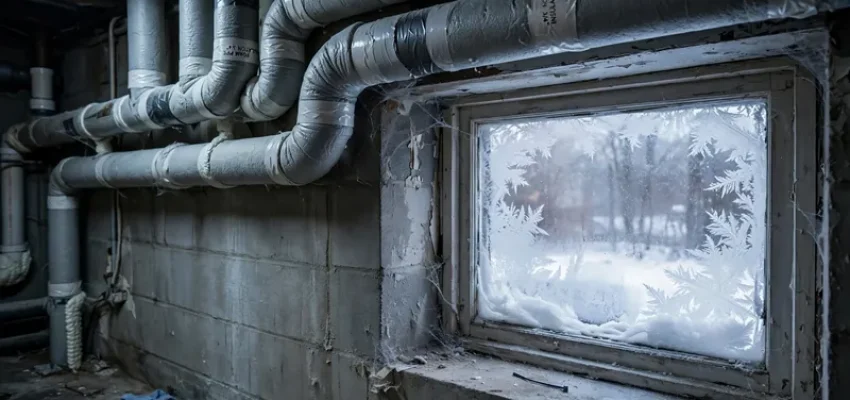
The most vulnerable pipes in American homes are those located in unheated or poorly insulated areas. Exterior walls are the number one danger zone, particularly in kitchens and bathrooms where plumbing often runs through outside walls. Crawl spaces and attics are also high-risk areas, especially in older homes across the Midwest and Northeast where insulation may be inadequate. Garages, basements with poor heating, and any pipes near drafty windows or doors face elevated risk too.
Certain pipe materials are more susceptible to freezing than others. Copper pipes and PVC pipes are both vulnerable, though copper tends to burst more dramatically while PVC may crack. PEX tubing offers slightly more freeze resistance because it can expand a bit, but it is not freeze-proof. No matter what type of plumbing your home has, taking steps to prevent frozen pipes in winter is essential.
Insulate Exposed Pipes Before Winter Arrives
Pipe insulation is the single most effective way to prevent frozen pipes in winter, and it is also one of the cheapest. Foam pipe sleeves, available at any home improvement store for a few dollars, slip over exposed pipes and provide a critical thermal barrier. Focus on pipes in your basement, crawl space, attic, garage, and any unheated utility rooms.
For the best results, use insulation with a high R-value and make sure there are no gaps. Pay special attention to pipe elbows and joints, which are the most common burst points. You can use pre-formed elbow insulation pieces or wrap these areas with fiberglass insulation tape. Seal any cracks or holes in your foundation, walls, and floors near pipes — even small drafts can drop the temperature around a pipe below freezing.
Heat Tape and Heat Cables for Extra Protection
In extremely cold climates like Minnesota, Wisconsin, or North Dakota, insulation alone may not be enough. Electric heat tape or heat cables wrap around pipes and provide active warming when temperatures plummet. These products have built-in thermostats that turn on automatically when the temperature drops near freezing, making them an excellent set-and-forget solution to prevent frozen pipes in winter.
When installing heat tape, follow the manufacturer’s instructions carefully. Never overlap the tape on itself, as this can create hot spots and fire hazards. Use only products that are UL-listed and designed for your specific pipe material. While heat tape costs more than basic insulation, it is far cheaper than repairing a burst pipe, which can easily run into the thousands. For a full cost breakdown of plumbing work, check our guide on bathroom plumbing rough-in cost to understand typical USA pricing.
Keep Your Home Warm During Cold Snaps
One of the simplest ways to prevent frozen pipes in winter is to maintain a consistent indoor temperature. Never set your thermostat below 55°F, even when you are away from home. The few dollars you save on heating are nothing compared to the cost of repairing burst pipes and water damage.
During extreme cold snaps — when temperatures drop into the single digits or below zero — consider raising your thermostat a few degrees above normal. Open cabinet doors under sinks, especially those on exterior walls, to allow warm air to circulate around the pipes. This simple trick is remarkably effective and costs nothing. If you have a particularly cold bathroom, leaving the door open can help warm air reach the plumbing.
For homes with rooms that are rarely used, do not close them off completely during winter. Closed-off rooms get cold fast, and any pipes running through them are at serious risk. Keep interior doors open to maintain even heat distribution throughout your home. This is especially important in split-level homes and houses with additions where heating may be uneven.
Let Faucets Drip During Extreme Cold
When the forecast calls for temperatures well below freezing, letting your faucets drip slightly can prevent frozen pipes in winter. Moving water is much harder to freeze than standing water, and the slight drip relieves pressure buildup inside the pipes. Focus on faucets served by pipes in exterior walls or unheated areas.
You do not need a heavy stream — a slow drip or pencil-thin stream is sufficient. Both hot and cold taps can benefit, though the cold water line is typically more vulnerable. Yes, this uses a small amount of water, but the cost is negligible compared to a burst pipe. Some homeowners collect the dripping water in buckets for plants or cleaning to avoid waste. If you are concerned about your water bill during a long cold snap, remember that most municipal water in the USA is very affordable compared to plumbing repairs.
Seal Drafts and Winterize Outdoor Plumbing
Cold air leaking into your home is a major contributor to frozen pipes. Walk through your house and seal any gaps around windows, doors, and where pipes or cables enter through exterior walls. Use caulk for small cracks and expanding foam for larger gaps. Pay special attention to the areas around dryer vents, outdoor faucets, and where the main water line enters your home.
Outdoor plumbing needs special attention before winter arrives. Disconnect all garden hoses from outdoor spigots — a connected hose can trap water in the pipe and cause it to burst inside your wall. Drain the hoses and store them indoors. If your home has frost-free hose bibs, make sure they are functioning properly. For standard outdoor faucets, shut off the interior valve and drain the line, then leave the outdoor faucet open so any remaining water can expand without causing damage.
Do not forget about your irrigation system if you have one. Underground sprinkler lines can freeze and crack, leading to expensive spring repairs. Have your system professionally winterized or blow out the lines with compressed air before the first hard freeze. This is standard practice across the northern USA and well worth the modest cost. While you are winterizing, it is also a good time to review other seasonal maintenance — our article on kitchen sink installation cost includes tips on inspecting under-sink plumbing before winter.
Protect Pipes When You Travel
Many frozen pipe disasters happen while homeowners are away on winter vacations. An empty, cold house is the perfect setup for burst pipes. If you plan to travel during winter, take extra precautions to prevent frozen pipes in winter while you are gone.
Never turn your heat off completely when traveling. Set the thermostat to at least 55°F, and consider 60°F if a severe cold snap is forecast. Ask a trusted neighbor, friend, or family member to check on your house every day or two. They should verify that the heat is working and run each faucet briefly to keep water moving. Some homeowners install smart thermostats that send phone alerts if the indoor temperature drops dangerously low — a worthwhile investment for frequent travelers.
For extended trips, consider shutting off the main water supply and draining your pipes. Open all faucets, flush toilets, and pour RV antifreeze into drains to protect the traps. If you take this approach, learn how to safely restore water service when you return.
What to Do If Your Pipes Freeze
Despite your best efforts to prevent frozen pipes in winter, you might still discover a frozen pipe. The key is to act quickly but carefully. First, turn on the faucet served by the frozen pipe — this gives melting water somewhere to go and helps you know when the pipe thaws. Then locate the frozen section, which is often in an unheated area or along an exterior wall.
Apply gentle heat to the frozen section using a hair dryer, heating pad, or towels soaked in hot water. Start from the faucet end and work backward toward the frozen blockage — this allows melting water to escape rather than building pressure. Never use an open flame, blowtorch, or propane heater on frozen pipes. These create serious fire risks and can damage pipes, especially PVC.
Be patient — thawing can take 30 minutes or more depending on how much pipe is frozen. If you cannot locate the frozen section, if multiple pipes are affected, or if you suspect a pipe has already burst, call a licensed plumber immediately. Check your home for signs of a burst pipe: water stains on ceilings or walls, unexplained puddles, or a sudden drop in water pressure. If you find a burst pipe, shut off your main water supply right away and call for professional help. Understanding typical repair expenses helps — see our guide on toilet installation cost in the USA for context on common plumbing price ranges.
Long-Term Upgrades to Prevent Frozen Pipes
If you deal with freezing pipes every winter, it may be time for permanent upgrades. Rerouting pipes away from exterior walls and into heated interior spaces is the gold standard solution, though it requires professional plumbing work. Adding insulation to your attic, basement, and crawl space not only protects pipes but also lowers your heating bills — a win-win for USA homeowners facing rising energy costs.
Consider upgrading to PEX piping during your next plumbing renovation. PEX is more flexible than copper or PVC and can expand slightly when water freezes, reducing burst risk. Many plumbers across the USA now recommend PEX for cold-climate homes. While repiping is a significant investment, it pays dividends in reliability and peace of mind. Pair this with a water softener installation to protect your entire plumbing system from hard water damage as well.
Finally, schedule an annual pre-winter plumbing inspection with a licensed plumber. A professional can spot vulnerabilities you might miss — aging joints, inadequate insulation, or water heater issues. Catching these in the fall is far cheaper than emergency repairs in January.
Final Checklist: Prevent Frozen Pipes in Winter
To prevent frozen pipes in winter effectively, work through this checklist every fall: insulate all exposed pipes, seal drafts around plumbing penetrations, disconnect outdoor hoses and winterize spigots, service your heating system, install heat tape on high-risk pipes, stock up on pipe insulation supplies, test your main water shutoff valve, and program your thermostat for consistent temperatures. Share your winter travel plans with a neighbor who can check on your home.
Frozen pipes are one of the most preventable home disasters in the USA. With proper insulation, consistent heating, and vigilance during cold snaps, you can get through even the harshest winter without a burst pipe. Start preparations early in the fall. For more ways to safeguard your plumbing year-round, explore our guides on preventing common plumbing emergencies, understanding bathroom plumbing costs, and winter home maintenance checklist before the next cold front arrives.