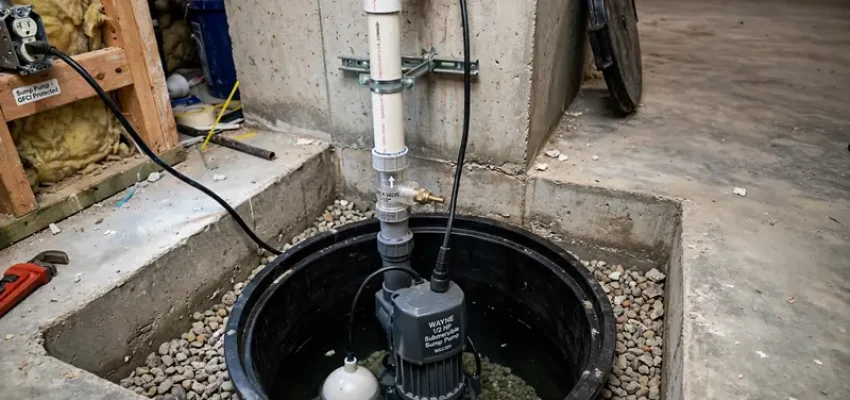

If your basement or crawl space floods every time a heavy storm rolls through, you know how stressful water damage can be. Understanding the sump pump installation cost USA homeowners pay in 2026 helps you budget wisely and avoid overpaying. Whether you live in flood-prone Houston, the rainy Pacific Northwest, or snow-melt regions around Chicago and Denver, this guide breaks down what you can expect to pay, what drives the price, and how to get the best value.
Average Sump Pump Installation Cost USA in 2026
For most American homeowners, the sump pump installation cost USA market shows in 2026 falls between $800 and $2,500 for a complete professional installation. This range covers the pump itself, the basin (sump pit), labor, and basic discharge piping. A simple pedestal pump installation on the lower end might cost $600 to $1,000, while a high-capacity submersible system with battery backup can run $2,000 to $3,500 or more. The national average that most homeowners actually pay lands around $1,200 to $1,700 when everything is included.
These 2026 figures reflect slightly higher labor rates and material costs than previous years. Prices swing by region: the Midwest, where basements are common, tends to be most affordable, while the Northeast and West Coast run higher.
When comparing quotes, always ask whether the price includes the basin, check valve, discharge line, electrical work, and any needed permits. Some contractors quote the pump alone, which makes their number look artificially low. A complete itemized written estimate lets you compare apples to apples across at least three bids.
What Drives the Cost Up or Down
Not every installation is the same, and several key factors determine where your project lands within that national range. Understanding these variables helps you spot a fair quote and recognize when an upsell is genuinely worth it.
Type of Sump Pump
The single biggest cost variable is the pump itself. Pedestal pumps, where the motor sits above the water on a long shaft, typically cost $150 to $300 for the unit. They are cheaper and easier to service, but they are louder, less powerful, and have a shorter lifespan of around 10 to 15 years. Submersible pumps, which sit inside the basin underwater, run $250 to $600 for a quality residential unit. They are quieter, handle more water per minute, and generally last 15 to 25 years with proper maintenance. For a primary pump protecting a finished basement, most American plumbing professionals recommend going submersible despite the higher upfront cost.
Basin and Pit Excavation
An existing sump pit saves you a few hundred dollars. Breaking through concrete and excavating a new basin adds $300 to $800 depending on slab thickness and soil conditions. The basin itself costs $50 to $150, and a larger basin gives the pump more capacity during sudden downpours.
Discharge Line and Drainage Work
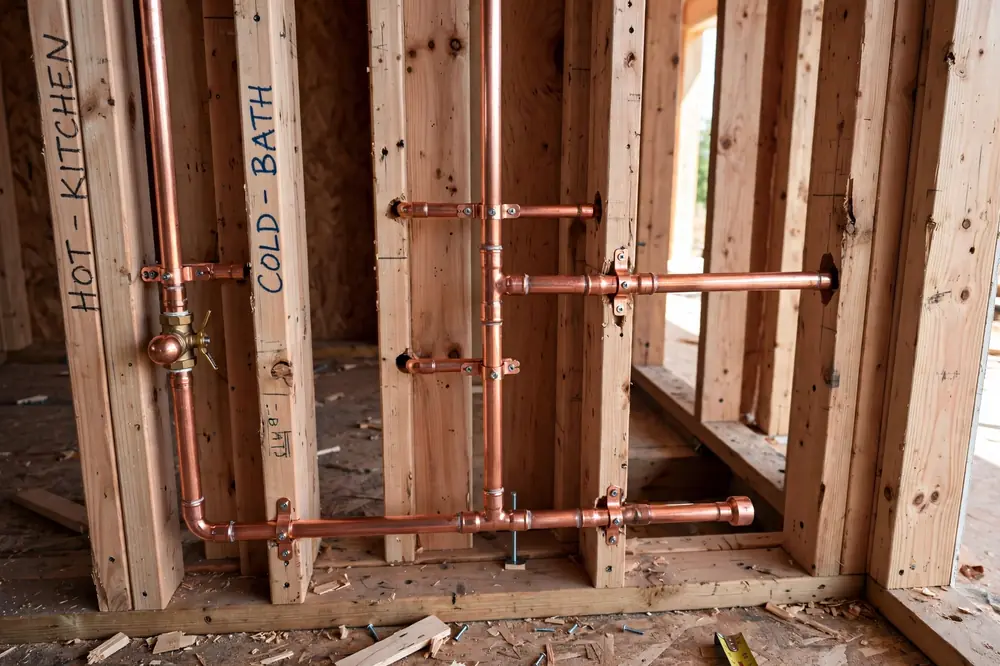
The discharge pipe carries water away from your foundation. A standard 10 to 20-foot PVC line costs $100 to $300 installed, while an underground run to a storm drain or dry well can reach $500 to $1,500. Many homeowners combine this stage with yard grading so water stays away from the foundation.
Labor and Permits
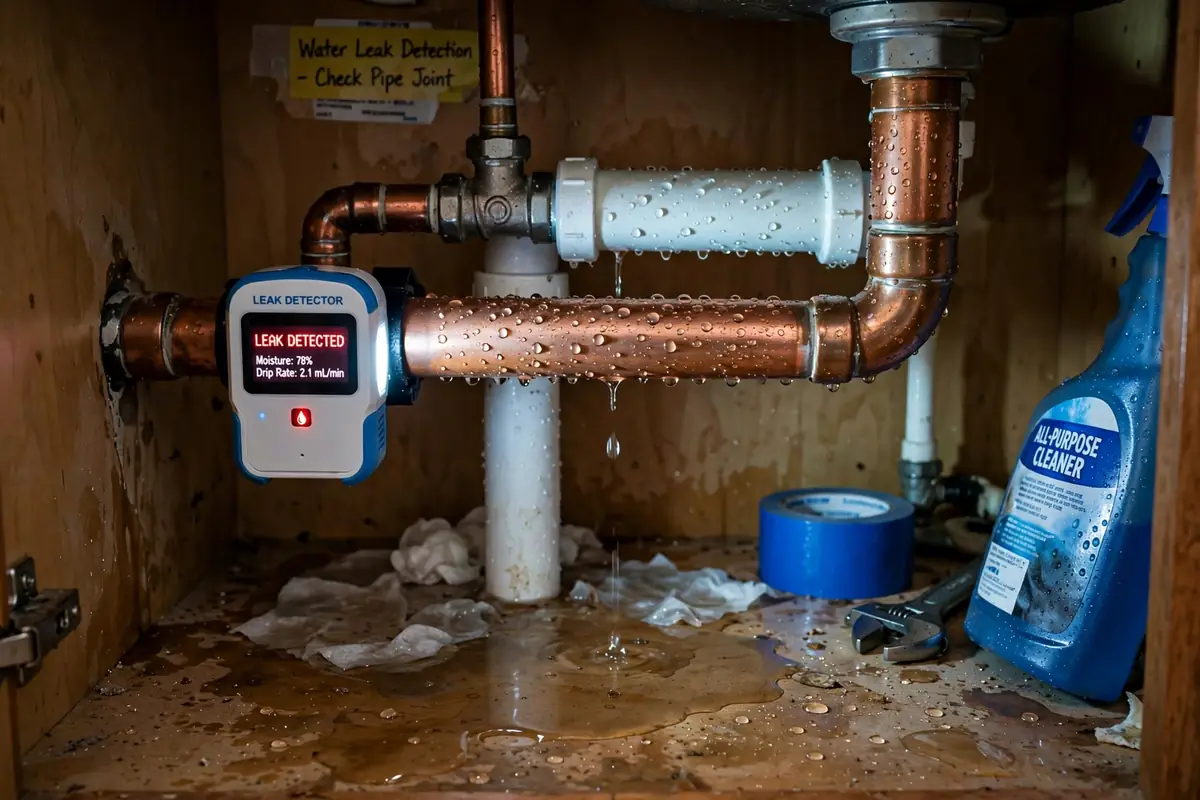
Professional labor usually accounts for $400 to $900 of the total in 2026, covering two to four hours of work for a standard replacement or four to eight hours for a brand-new installation with pit excavation. Many municipalities require a plumbing permit for new sump pump installations, typically $50 to $200, and an inspection afterward. Electrical work is often minimal since most pumps plug into a standard GFCI outlet, but if your basement lacks a nearby outlet, adding one costs $150 to $300. Some cities also restrict where discharge water can go, so a quick permit check protects you from fines later.
Pedestal vs. Submersible: Which Should You Buy?
Choosing between pump types is the decision most homeowners wrestle with, so here is a practical breakdown. Pedestal pumps make sense if you are on a tight budget, your basement floods only occasionally with small amounts of water, and noise is not a concern because the basement is unfinished. They are also easier for a handy homeowner to troubleshoot since the motor stays dry and accessible.
Submersible pumps suit finished basements, high-water-table areas like coastal Florida and the Gulf Coast, and anyone wanting maximum reliability. They move more gallons per minute, run quieter, and the sealed motor resists humidity and dust. If your basement holds anything valuable, the extra few hundred dollars is cheap insurance.
Whatever type you choose, look for a cast-iron or stainless-steel housing, a reliable float switch, and a matched horsepower rating. Most homes need 1/3 HP or 1/2 HP; oversized 3/4 HP models short-cycle and wear out faster.
Battery Backup Systems: Worth the Extra Cost?
Here is something many homeowners overlook: standard sump pumps run on electricity, and the heaviest storms are exactly when power is most likely to go out. A battery backup system kicks in automatically and typically adds $300 to $800, including the deep-cycle battery, charger, and secondary pump.
Is it worth it? If you live in an area with frequent power outages during storms, such as parts of the Midwest tornado belt, hurricane-prone Florida and the Carolinas, or ice-storm country in the Northeast, the answer is almost always yes. A single basement flood can cause $5,000 to $25,000 in damage to flooring, drywall, and belongings. Spending $500 on a battery backup to protect against that is simple math. Some homeowners also add a water-powered backup pump, which uses municipal water pressure instead of electricity and costs $200 to $500, though these are only practical if your home has city water with strong pressure.
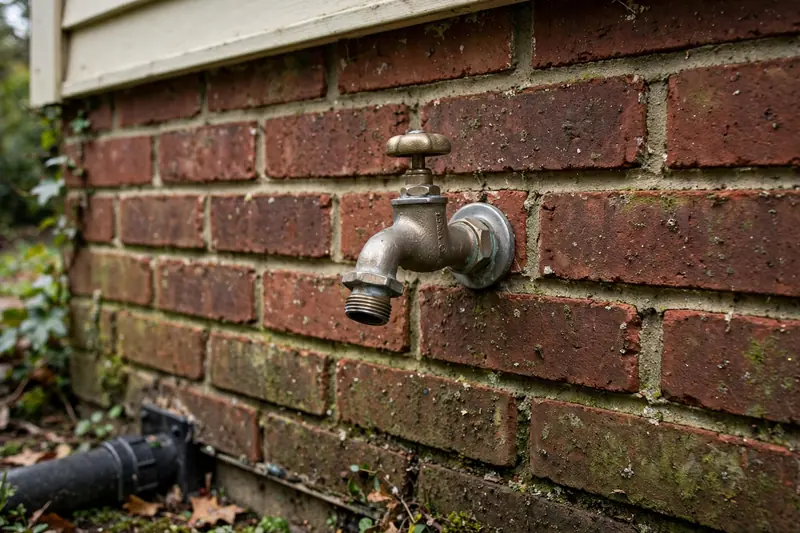
As you navigate the costs associated with sump pump installation, it’s essential to consider other home improvement projects that can enhance your property’s resilience against water damage. One such upgrade is the installation of outdoor water fixtures, which not only provides convenience for gardening and outdoor cleaning but also helps manage water flow around your home. Properly installed outdoor faucets can contribute to a well-rounded strategy in maintaining your home’s exterior integrity. For more detailed guidance on this installation process, refer to our comprehensive Outdoor faucet installation guide, which covers everything you need to know to ensure a successful project that complements your indoor water management efforts. Balancing these installations will ultimately lead to a more secure and efficient living environment.
Ask contractors to price the pump with and without backup so you can see the exact difference; bundle pricing is usually cheaper than adding it later.
Sump Pump Installation Cost by US Region
In the Midwest, where basements are everywhere, expect the most competitive pricing: $700 to $1,500 for a standard job. The Northeast runs higher at $1,200 to $2,800 due to steeper labor rates and older homes needing more pit work.
In the Southeast, including Atlanta, Charlotte, and Nashville, most homes sit on slabs or crawl spaces, so installations often involve crawl space encapsulation work or new pit excavation, landing around $1,000 to $2,200. On the West Coast, from Seattle to Portland, basements are uncommon but heavy winter rains create demand, and prices of $1,400 to $3,000 reflect the premium labor market. In the Southwest and Texas, where Houston flooding has made sump pumps a hot topic, costs run $900 to $2,000 depending on soil and foundation type.
Rural areas can go either way: some rural contractors charge less, but travel fees and fewer competing bids can push prices up. Always get three written quotes no matter where you live, and check that each contractor is licensed and insured in your state.
DIY vs. Hiring a Professional
A handy homeowner can buy a sump pump at a big-box store for $150 to $400 and install it in an existing pit over a weekend, bringing the total DIY cost to roughly $200 to $500 including fittings and a check valve. If you already have the pit, the plumbing skills are basic, and your local code allows homeowner installations, this is a legitimate way to save money.
However, digging a new pit through a concrete slab is a different story. It requires a concrete saw or jackhammer, careful excavation without damaging the foundation footing, proper basin bedding in gravel, and correct discharge routing. Mistakes here can crack your slab or create new water entry points, which defeats the entire purpose. For new installations, professional work is strongly recommended. Even for simple replacements, a pro will size the pump correctly, install a reliable check valve to prevent backflow, and make sure the discharge line slopes properly and terminates in a legal spot.
A middle-ground option: buy the pump yourself, then hire a plumber for labor only. You control pump quality while keeping the skilled work professional.
How to Save Money Without Cutting Corners
Get at least three detailed written quotes with identical questions about what is included. Schedule during the dry season, typically late summer or fall, when plumbers are less busy and pricing is better. Ask about bundling discounts with other work you need.
Choose a right-sized pump rather than the biggest on the shelf, and never skip the check valve. After installation, test the pump every few months with a bucket of water, clean the basin annually, and replace backup batteries every three to five years. Good maintenance adds years of life, which is the biggest savings of all.
Frequently Asked Questions
How much does it cost to replace an existing sump pump in 2026?
Replacing a pump in an existing pit is the cheapest scenario, typically $400 to $900 professionally installed, since no excavation is needed. If you are just swapping the unit yourself, budget $150 to $400 for a quality replacement pump plus about $30 for a new check valve.
How long does a sump pump installation take?
A straightforward replacement takes one to two hours. A new installation with pit excavation through concrete usually takes four to eight hours, or a full day if drainage work is extensive. Most contractors complete the job in a single visit.
Does homeowners insurance cover sump pump installation?
No, insurance does not pay for the installation itself, but many insurers offer a discount on your premium once a sump pump with battery backup is installed, since it lowers flood risk. Some policies also require a sump pump for basement water damage coverage to apply, so check your policy details.
How often should a sump pump be replaced?
Most residential sump pumps last 7 to 10 years with regular use, though quality submersible models can reach 15 years or more. If your pump is older than 10 years, runs constantly, makes unusual noises, or struggles to keep up during storms, it is time for a replacement before the next big rain.
Conclusion
The sump pump installation cost USA homeowners face in 2026 is a modest investment compared to the cost of a flooded basement, and with national averages running $800 to $2,500 for a complete professional job, most households can protect their homes without breaking the budget. Choose the right pump type for your situation, get multiple itemized quotes, seriously consider a battery backup if outages are common in your area, and keep up with simple maintenance once the system is in. Do that, and your basement will stay dry through storm season after storm season.