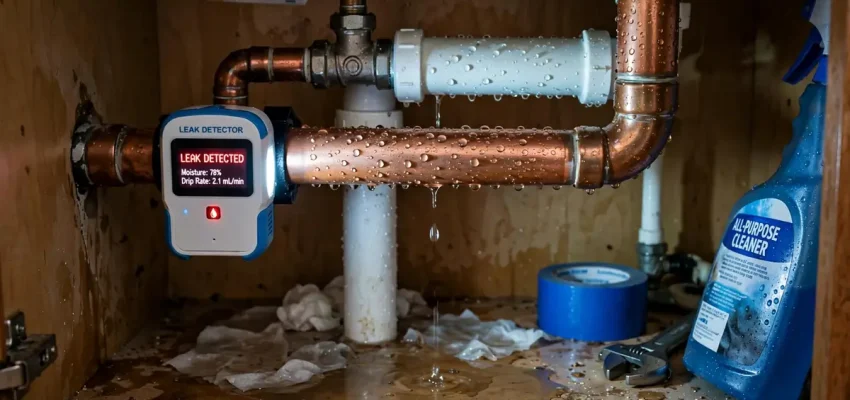

A small water leak can quietly cause thousands of dollars in damage before you ever notice a puddle. It rots subfloors, feeds mold inside walls, and can send your water bill climbing month after month. Learning how to detect water leak home problems early is one of the most valuable skills any American homeowner can have, and most detection methods cost little or nothing. This guide covers the warning signs, room-by-room inspection techniques, how to use your water meter as a leak detector, smart technology options, and exactly when to call a professional.
Why It Pays to Detect Water Leak Home Problems Early
Water damage is among the most common and expensive homeowners insurance claims in the United States, with the average claim running into the thousands of dollars. What makes leaks so destructive is not the water itself but the time it spends hidden. A pinhole leak inside a wall can spray a fine mist for months, soaking insulation and drywall while showing no visible sign indoors. By the time paint bubbles or a musty smell appears, the damage is often extensive.
Beyond structural damage, hidden leaks create ideal conditions for mold, which can trigger allergies and respiratory problems, especially in children and older adults. They also waste water and money: a faucet dripping once per second wastes over 3,000 gallons a year, and a running toilet can waste 200 gallons a day. Knowing how to detect water leak home issues promptly protects your house, your health, and your wallet at the same time. If a leak has already done damage, you may also need to look into sewer line replacement cost USA 2026 or repiping options for older plumbing systems.
Telltale Signs You Have a Hidden Water Leak
Your house usually whispers before it shouts. An unexplained spike in your water bill is the classic first clue: if usage jumps with no change in habits, water is going somewhere it should not. The sound of running or hissing water when every fixture is off is another red flag, especially at night when the house is quiet.
Visual and smell cues matter too. Look for discolored patches on ceilings and walls, peeling or bubbling paint, warped flooring, and baseboards pulling away from the wall. A persistent musty or earthy odor in a bathroom, basement, or closet often means mold growing behind a surface. Outside, unusually lush green patches in the yard, soggy spots that never dry, or the sound of water running near the main line can indicate an underground leak. Warm spots on a slab floor may point to a hot water line leaking beneath the concrete, a common issue in Sun Belt homes built on slabs.
Do not ignore your nose or your utility bill. Catching these signs early is the whole point of learning to detect water leak home problems before they escalate. Homeowners who spot trouble fast often contain the repair to a single fitting, and a quick check of emergency plumber when to call one USA guidance helps you decide whether it can wait for morning. Warm spots on a slab floor may point to a hot water line leak, sometimes first noticed during water heater replacement cost in USA 2026 inspections.
The Water Meter Test: Your Free Leak Detector
Every home with municipal water has a built-in leak detection tool: the water meter. This simple test takes about 30 minutes and can confirm whether you have a leak anywhere in your system. First, make sure no water is being used anywhere in the house: no dishwasher or laundry running, no ice maker cycling, no irrigation. Then locate your water meter, usually in a ground-level box near the street or in the basement, and write down the current reading or note the position of the sweep hand and the small leak-indicator dial.
Wait 30 minutes to two hours without using any water, then check the meter again. If the reading changed or the leak indicator moved, you have a leak. A fast-moving indicator suggests a significant leak, while a barely creeping dial points to a slow drip. This test confirms a leak exists, though not where it is.
If the meter test confirms a leak, the next move is isolation. Shut off the main valve to the house: if the meter stops, the leak is inside your plumbing; if it keeps moving, the leak is in the service line between the meter and your house. That distinction determines whether you need an interior plumber or a service-line repair, and it saves the diagnostic fee a pro would charge for the same answer.
Room-by-Room Leak Inspection Guide
Once you suspect a leak, a systematic walkthrough finds most problems. Work methodically so nothing gets missed.
Bathrooms
Bathrooms are leak central. Check toilets first: put a few drops of food coloring in the tank, wait 20 minutes without flushing, and if color appears in the bowl, the flapper is leaking. Inspect the toilet base for water or a spongy floor, which signals a failed wax ring, and compare any needed replacement against toilet installation cost in USA pricing. Look under sinks for dampness or warped cabinet floors, and check tub and shower caulking: cracked caulk lets water behind tiles where it rots the wall unseen.
Kitchen
Pull everything out from under the kitchen sink and inspect the cabinet floor and drain connections with a flashlight. Dishwasher leaks often show up as warped flooring or a musty smell; run it and watch underneath. Check the refrigerator’s ice-maker water line, a frequent slow-leak culprit. If your kitchen has a garbage disposal, feel its connections while it runs. Homeowners planning fixture upgrades often research kitchen sink installation cost USA 2026 at this stage, since a leaking old sink is a good excuse to modernize.
Basement, Crawl Space, and Utility Areas
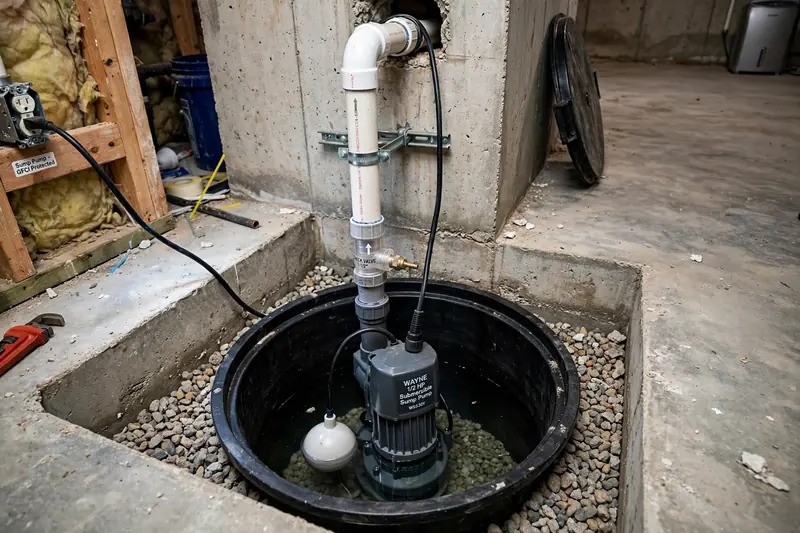
Head to the water heater and look for puddles, rust streaks, or corrosion on the tank and connections. Inspect exposed pipes for green corrosion on copper or white crusty buildup at joints, both signs of slow leaks. In the basement, check where pipes penetrate walls, and look for efflorescence, the white mineral deposit indicating water moving through concrete. A sump pit that runs constantly in dry weather can signal a plumbing leak feeding groundwater, worth cross-checking against sump pump installation cost USA 2026 if your system is aging.
Attic and Upper Floors
Attic leaks are usually roof-related, but plumbing vents and upstairs supply lines run through attics too. Look for water stains on the underside of the roof deck, damp insulation, and daylight peeking through. In cold climates, check for frost buildup on vent pipes, which can indicate condensation problems. Any staining on top-floor ceilings deserves prompt attention before the next rain.
Smart Leak Detectors and Technology
Technology has made it far easier to detect water leak home problems automatically. Battery-powered smart leak sensors, costing $20 to $50 each, sit on the floor near water heaters, washing machines, sump pits, and under sinks, and send instant phone alerts when they sense water. Place them anywhere a leak would be catastrophic or hard to notice: behind the washing machine, under the dishwasher, and at the water heater pan.
Whole-house systems go further. Smart water shut-off valves install on your main line for $500 to $1,500 professionally installed, monitor flow continuously, and automatically shut off water when they detect abnormal flow. Many insurers offer premium discounts for homes with automatic shut-off systems, which can offset the cost over a few years.
When to Call a Professional
DIY detection finds most visible leaks, but some situations demand professional equipment. Call a licensed plumber, see find a reliable plumber near me, if the meter test confirms a leak you cannot locate, if you suspect a slab leak, or if you see spreading stains or bulging drywall. Professionals use acoustic listening devices, thermal imaging cameras, and video inspection cameras for drain lines.
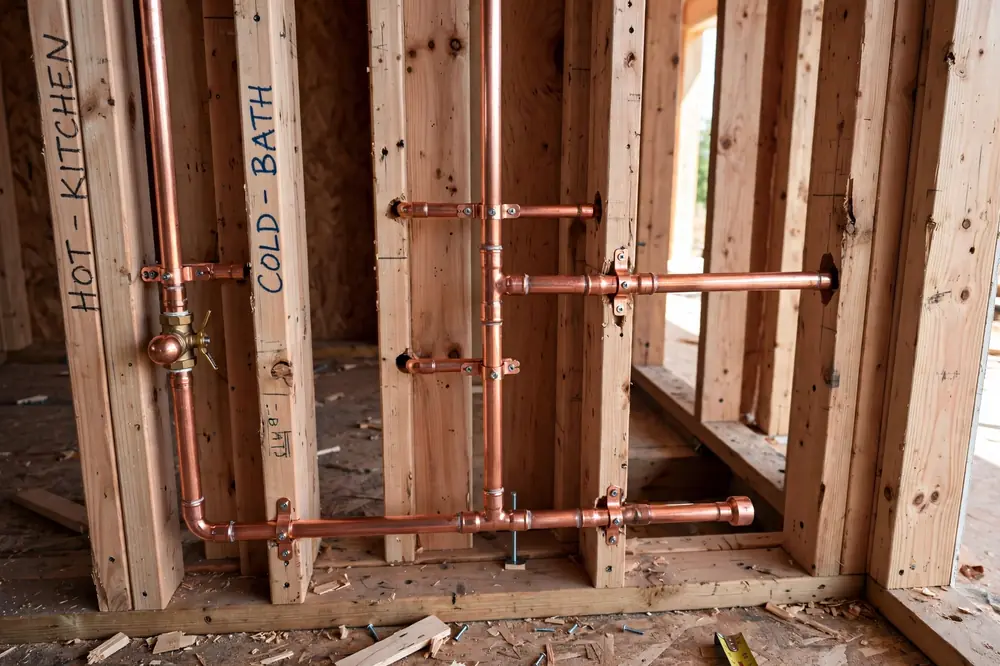
Slab leaks deserve special mention: they are common in warm states like Texas, Arizona, and Florida, and they require rerouting or tunneling work that is firmly in pro territory. Likewise, any leak involving the main service line from the street needs a plumber with excavation capability. Do not open walls indiscriminately hunting for a leak; a pro with a thermal camera can pinpoint the spot in minutes, saving you drywall repair costs. If the investigation reveals aging galvanized or polybutylene piping throughout the house, it may be time to research repiping house cost USA rather than chasing one leak after another.
Preventing Future Leaks
Detection is essential, but prevention is better. Replace rubber washing machine hoses with braided stainless steel lines. Install a water pressure regulator installation USA if your pressure exceeds 80 PSI, since high pressure stresses every joint in the system. Know the age of your plumbing: galvanized steel lasts 40 to 50 years and copper 50 to 70, so a 1960s home on original pipes is living on borrowed time. Note that slow drains are a separate issue from supply leaks; for those, review drain cleaning cost in USA instead.
Schedule a professional plumbing inspection every few years for homes over 25 years old, and watch your water bill monthly so spikes stand out. Maintain the simple stuff: recaulk tubs when caulk cracks, replace toilet flappers every few years, and drain your water heater annually per water heater maintenance guide USA best practices.
Frequently Asked Questions
What is the most common hidden water leak in a house?
Toilet flapper leaks are the most common, silently wasting hundreds of gallons a day. After that, supply line leaks under sinks, refrigerator ice-maker lines, and water heater seeps top the list. All are easy to check once you know where to look.
Can a water leak be detected without tearing open walls?
Yes. The water meter test confirms a leak exists, moisture meters detect dampness through drywall, and thermal imaging cameras reveal hidden moisture patterns without any demolition. Professionals use these tools daily to pinpoint leaks precisely.
How much water can a small leak waste?
A lot more than you would guess. A faucet dripping once per second wastes over 3,000 gallons per year, a running toilet can waste 200 gallons per day, and a 1/8-inch pipe crack can release 250 gallons per day. Even pinhole leaks add up to thousands of gallons over months.
Will homeowners insurance cover water leak damage?
Sudden and accidental water damage, like a burst pipe, is typically covered. Gradual damage from a long-term slow leak that you should have noticed often is not. This is exactly why learning to detect water leak home issues early matters: prompt discovery keeps you on the covered side of the line.
Conclusion
Knowing how to detect water leak home problems is not complicated, but it does require attention: watch your water bill, learn the water meter test, walk your home room by room a few times a year, and consider smart sensors for the spots you cannot see. Most leaks announce themselves early to homeowners who know what to look for, and catching them in days instead of months is the difference between a $150 repair and a $15,000 renovation. Make leak detection a habit, and your home will thank you for decades.