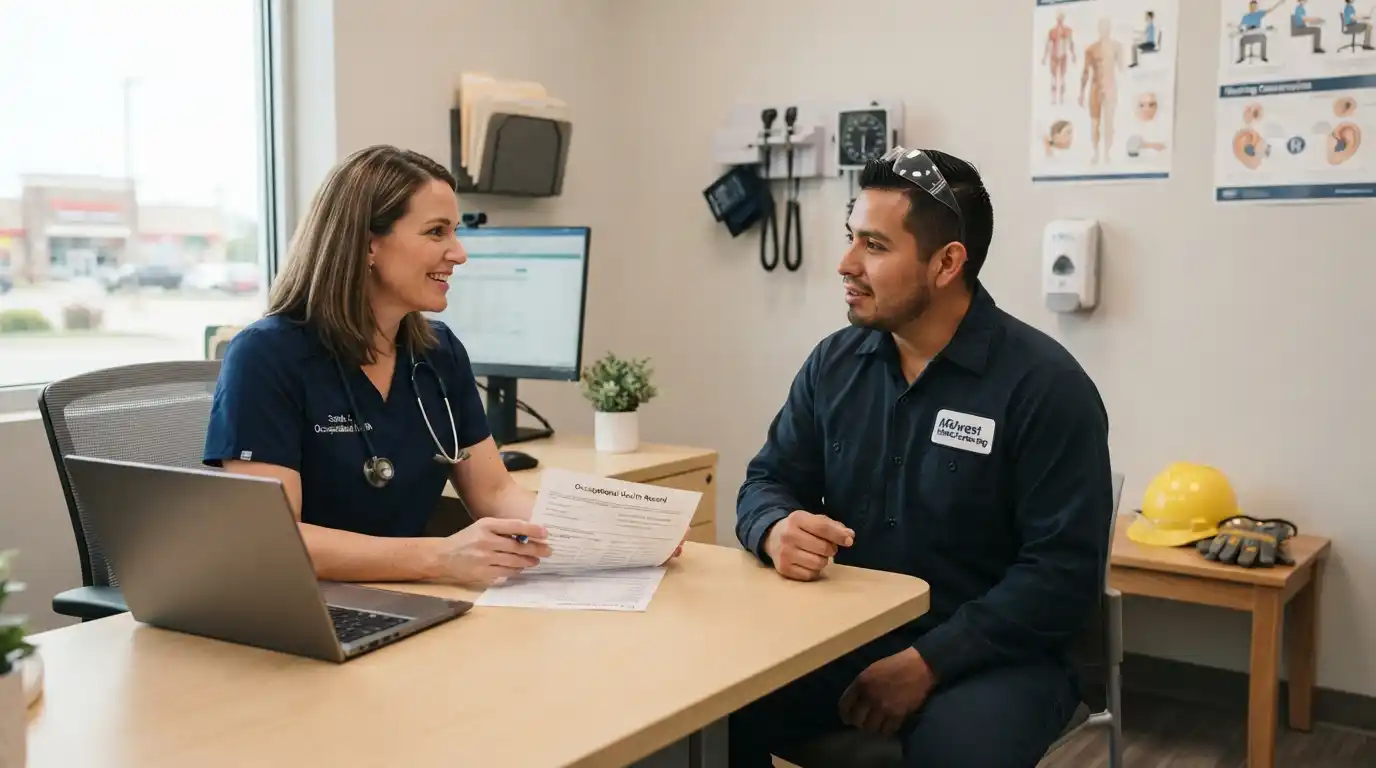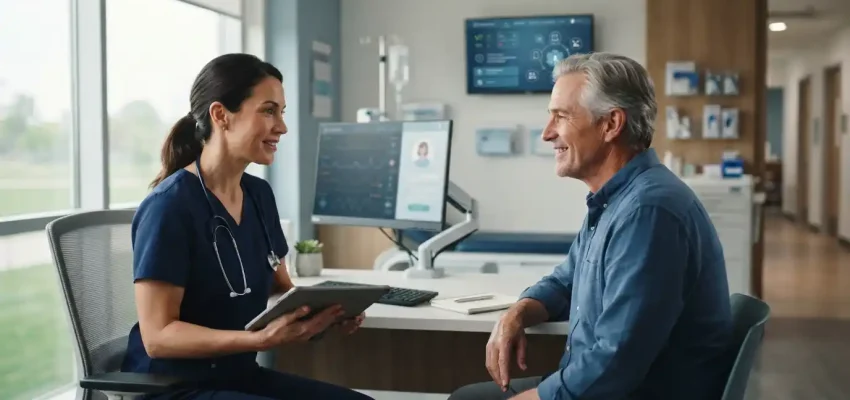

Rather than viewing modern healthcare as a collection of treatments and hospital procedures, the emerging model connects technology, accessibility, prevention, communication, and human-centered care. These trends are increasingly important as healthcare providers look for practical ways to improve how patients interact with medical services.
Understanding the Daniel Adler Lee Health Topic
The Daniel Adler Lee Health topic is presented around a central idea: healthcare innovation should improve the experience of patients while supporting better systems of care. The original discussion describes a vision that combines technological progress with compassion and a broader understanding of patient needs.
This approach reflects a wider shift in healthcare. Modern health systems increasingly consider not only diagnosis and treatment but also accessibility, communication, prevention, follow-up care, patient education, and long-term wellness.
For readers interested in broader health and wellness developments, related discussions such as health and wellness programs provide additional context for understanding how healthcare extends beyond traditional clinical settings.
Patient-Centered Care as a Core Healthcare Principle
Patient-centered care places the individual at the center of the healthcare experience. Instead of focusing exclusively on a diagnosis, providers consider communication, preferences, comfort, accessibility, education, and continuity of care.
This model can influence everything from appointment scheduling and communication to treatment discussions and post-care support. Patients are more likely to understand their options when healthcare professionals communicate clearly and provide information in an accessible manner.
The concept also connects with workplace health and safety. Resources such as occupational health and workplace safety demonstrate how modern healthcare services can address health needs in environments outside traditional hospitals.
Similarly, modern medical clinic care illustrates the importance of creating healthcare experiences that combine clinical services with communication and patient support.
The Growing Role of Healthcare Technology
Technology has become one of the most visible drivers of healthcare change. Electronic records, remote consultations, digital communication, diagnostic systems, automation, and data-driven tools can all influence how healthcare organizations deliver services.
The important consideration is not technology by itself. A digital tool becomes valuable when it solves a genuine problem for patients or healthcare professionals. Technology can help reduce unnecessary administrative work, improve access to information, support communication, and make certain forms of care more convenient.
The wider relationship between technology and transformation can also be explored through digital transformation and the user journey. Although the concept applies across industries, the same principle is relevant to healthcare: every digital interaction should make the overall experience clearer and more useful.
Telemedicine and More Accessible Care
Telemedicine has changed the way many patients interact with healthcare providers. Remote consultations can make certain types of care available without requiring a patient to travel to a medical facility for every appointment.
Virtual healthcare can be particularly useful for follow-up consultations, routine discussions, medication-related conversations, chronic-care management, and situations where a physical examination is not required. It does not replace every form of in-person medical care, but it can complement traditional services.
The expansion of remote healthcare also highlights the importance of digital accessibility. Patients need reliable communication channels, understandable instructions, and appropriate support when using virtual healthcare services.
Healthcare communication is another important part of this transformation. The discussion of health conversations and wellness communication provides a related perspective on how communication can support better engagement with health information.
Preventive Healthcare and Early Action
Healthcare is increasingly moving beyond treating illness after it develops. Preventive care emphasizes activities that can help identify health risks early and encourage healthier behaviors.
Screenings, routine checkups, vaccination, health education, physical activity, nutrition awareness, and appropriate risk assessment can all contribute to preventive healthcare. The exact services a person needs depend on age, medical history, risk factors, and professional guidance.
Wellness programs can complement clinical services by helping people understand practical aspects of maintaining healthy routines. Related content on sports, fitness, and wellness explores another part of this broader health ecosystem.
Holistic wellness is also increasingly discussed alongside conventional healthcare. The topic of holistic health and wellness highlights the broader idea that physical well-being can be connected with lifestyle, daily habits, and overall quality of life.
Community Health and Healthcare Access
A modern healthcare organization does not operate in isolation. Community health depends on access to appropriate medical services, health education, preventive programs, social support, and collaboration between different organizations.
Healthcare providers can contribute to community well-being by supporting education, improving access to services, working with local organizations, and identifying barriers that prevent people from receiving appropriate care.
Home-based services are another part of the broader healthcare landscape. The discussion of home healthcare services illustrates how care can extend beyond hospital and clinic environments.
Similarly, home support and care services demonstrate the importance of assistance for individuals who may need additional support outside traditional healthcare facilities.
Communication, Education, and Patient Empowerment
Healthcare innovation is not only about sophisticated equipment. Education and communication are equally important because patients need to understand their health, treatment options, follow-up requirements, and available services.
Clear communication can help patients prepare questions for healthcare professionals and participate more actively in conversations about their care. At the same time, healthcare information should be presented responsibly because online material cannot substitute for individualized medical advice.
This is particularly important when discussing medication or treatment decisions. For example, questions surrounding medication and lactation care show why patients may need to understand the roles and responsibilities of different healthcare professionals.
Another related issue is patient autonomy. The discussion of a refusal of medical care demonstrates how healthcare decisions can involve communication, informed choices, professional responsibilities, and ethical considerations.
Workforce Development in Modern Healthcare
Technology cannot replace the importance of a skilled healthcare workforce. Doctors, nurses, therapists, technicians, administrators, social workers, and other professionals all contribute to the patient experience.
As healthcare systems adopt new technologies, employees may need ongoing training to use digital platforms, understand new workflows, communicate effectively, and maintain high standards of patient care.
Workforce development also extends to specialized career paths. For readers exploring healthcare-related employment, mental health career opportunities provide an example of how specialized healthcare roles continue to form an important part of the wider system.
Education and professional development are similarly connected to long-term workforce capacity. The broader topic of adult education and lifelong learning provides useful context for understanding why continuous learning matters across professional fields.
Artificial Intelligence and the Future of Healthcare
Artificial intelligence is likely to remain an important part of healthcare discussions. AI can support areas such as information analysis, administrative workflows, pattern recognition, research, and decision-support systems when appropriately designed and validated.
However, healthcare AI requires careful implementation. Accuracy, privacy, security, transparency, bias management, clinical validation, and human oversight are important considerations. Technology should support qualified professionals rather than encourage patients to treat automated outputs as personalized medical diagnoses.
The future of healthcare will therefore depend not simply on adopting more technology, but on using technology responsibly. The strongest systems are likely to combine digital capabilities with human expertise and patient communication.
Healthcare Data and Digital Transformation
Healthcare organizations generate significant amounts of information. Properly managed data can support operational planning, research, quality improvement, and patient-care coordination.
At the same time, health information requires strong privacy and security protections. Patients should understand how their information is collected, stored, accessed, and used within the applicable healthcare environment.
The broader relationship between healthcare and digital business transformation can be seen in discussions about the future of digital transformation in medical enterprises. Digital systems can influence not only clinical operations but also communication and engagement.
Related analysis of the global impact of digital strategies in medical enterprises further illustrates how healthcare organizations are adapting to increasingly digital environments.
Building a More Human Healthcare Experience
The most important lesson from the Daniel Adler Lee Health discussion is the relationship between innovation and human-centered care. Technology can improve accessibility and efficiency, but healthcare remains fundamentally a people-centered service.
A modern healthcare experience should aim to make patients feel informed, respected, and supported. That means combining appropriate technology with clear communication, preventive care, professional expertise, and accessible services.
Health and wellness also extend into everyday life. Resources such as holistic health developments and wellness solutions show how the broader health industry continues to evolve around changing consumer and community needs.
What the Future Could Look Like
The future of healthcare is likely to involve a combination of connected digital services, preventive care, personalized treatment, remote access, advanced analytics, and stronger patient engagement.
Healthcare organizations will also need to balance innovation with practical considerations. New technology should be introduced because it provides measurable value, improves workflows, expands appropriate access, or supports better experiences—not simply because it is new.
For patients, the changing healthcare environment means there may be more ways to access information and services. For healthcare professionals, it means continuous learning and adaptation will remain important.
Final Thoughts on Daniel Adler Lee Health
The Daniel Adler Lee Health topic represents a broader conversation about how healthcare can evolve while preserving the human side of medicine. Patient-centered care, technology, prevention, community engagement, workforce development, and responsible innovation all have a role in shaping modern healthcare.
As healthcare continues to change, the most meaningful progress will come from connecting innovation with genuine patient needs. Digital tools can make services more accessible, preventive strategies can encourage earlier action, and compassionate professionals can ensure that technology never replaces the human connection at the heart of healthcare.
For anyone researching the future of healthcare, the Lee Health discussion provides a useful starting point for examining how innovation and patient-centered thinking can work together in an increasingly complex healthcare environment.