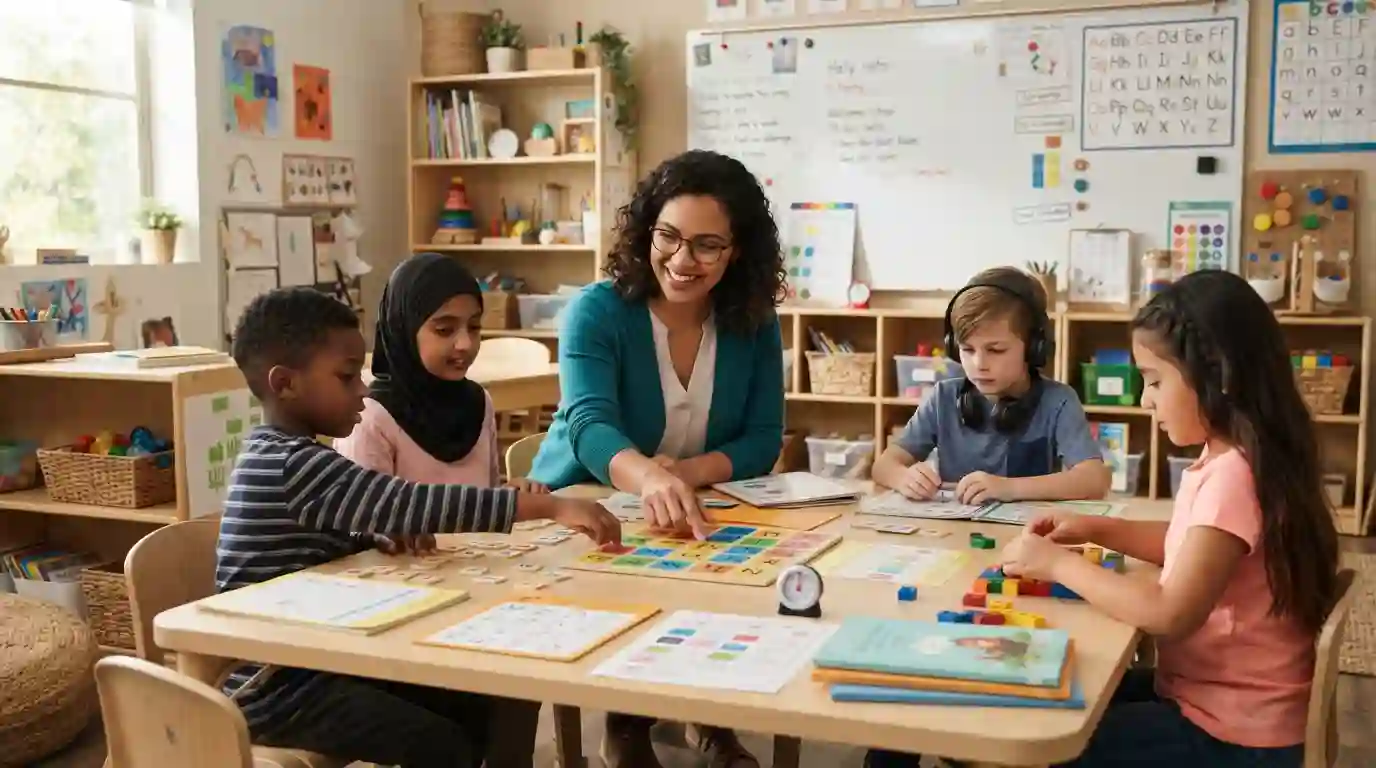

Adult education can be useful for someone completing a high school credential, preparing for additional education, developing workplace skills, learning a new language, or simply discovering a subject that has always been interesting. That flexibility is what makes lifelong learning valuable: the goal can be academic, professional, practical, or personal.
This guide explains what adult education can offer, how learners can choose an appropriate path, and how continuing education can contribute to long-term personal and professional development.
What Is Merrymeeting Adult Education?
Merrymeeting Adult Education is a community-focused adult learning program serving adults in the Midcoast Maine area. Rather than limiting learning to one academic pathway, adult education can bring together academic preparation, career development, workforce training, enrichment, and practical skills.
The broader adult-learning environment includes many different forms of education. Someone may be interested in completing a diploma, preparing for a career certificate, improving digital skills, learning a language, developing a creative hobby, or strengthening knowledge that can support a future educational goal.
This broad approach is similar to the idea explored in modern education and digital learning, where education increasingly serves people with different goals, schedules, and learning preferences.
Why Adult Education Matters
Adult learners often return to education because circumstances have changed. A person may have new career goals, need additional qualifications, want to complete an unfinished educational pathway, or simply have more time and motivation to learn something new.
Adult education creates an opportunity to approach learning according to current needs rather than following a traditional school-age timeline.
For some learners, education is directly connected to employment. Others may want to explore subjects that improve their everyday lives. The same lifelong-learning mindset can also be seen in specialized educational resources such as career-focused technical education, where learning combines knowledge with practical applications.
High School Completion and Equivalency Pathways
One of the most important roles of adult education is helping adults who want to complete a high school credential or pursue an equivalency pathway.
Returning to academic study as an adult can feel different from attending school as a teenager. Adults may have work, family responsibilities, transportation considerations, or other commitments. A flexible adult-learning environment can make it easier to approach education around those realities.
Completing a high school credential can also become a foundation for future goals. It may support applications for additional education, workforce training, or jobs that require a secondary-school credential.
For learners considering an education-related career, resources such as special education teacher career opportunities illustrate how additional education can connect with specialized professional pathways.
Preparing for College and Further Education
Adult education can also serve as a bridge between previous schooling and future academic opportunities. Adults who are considering college, certificate programs, or other forms of postsecondary training may benefit from strengthening academic foundations before taking the next step.
Preparation can include improving study habits, refreshing mathematics or writing skills, becoming more comfortable with technology, or learning how to approach a new academic environment.
Writing is particularly useful across almost every educational pathway. Resources such as essay writing and academic communication demonstrate how structured writing skills can support learning well beyond one specific subject.
The objective is not simply to accumulate another credential. A strong foundation can make future learning more manageable and help adults approach new educational challenges with greater confidence.
Career Development Through Lifelong Learning
Career development is another major reason adults return to education. Industries change, technology evolves, and employers increasingly look for people who can update their skills as responsibilities change.
Adult learners can use education to explore new occupations, strengthen existing professional abilities, or prepare for workforce training. Career-oriented learning can be especially useful when someone wants to move into a field that requires specific technical or academic knowledge.
For example, career and professional education can help demonstrate how qualifications, training, and continuing development intersect with employment opportunities.
Likewise, specialized career paths may require a combination of academic preparation, professional certification, practical experience, and ongoing learning.
Workforce Skills and Professional Training
Modern workplaces increasingly depend on adaptable employees. Digital tools, communication platforms, data systems, customer expectations, and industry practices can all change over time.
Adult education can therefore complement traditional employment experience by helping learners acquire knowledge that supports their current or future roles.
Workforce learning does not always have to mean entering an entirely new profession. It can involve improving communication, learning new technology, developing organizational skills, or understanding a specialized subject more deeply.
Technology is particularly important because digital knowledge now crosses nearly every industry. Adults interested in technology can explore resources such as IT learning and technology books as part of a broader self-directed learning strategy.
Learning New Languages
Language learning is another valuable form of adult education. Adults may study a language for travel, professional communication, family connections, cultural interest, or personal enrichment.
Language study can also encourage learners to develop broader communication skills. It requires regular practice, patience, listening, reading, and interaction—all abilities that can strengthen the overall learning process.
Adult learners do not necessarily need to pursue language study as a formal academic program. Community classes and continuing-education environments can provide a more approachable way to develop practical language skills alongside other responsibilities.
Personal Enrichment and Creative Learning
Not every educational goal needs to lead to a certificate or career change. Personal enrichment is an important part of lifelong learning.
Adults may want to explore art, writing, music, cooking, fitness, technology, outdoor activities, or another subject simply because they enjoy learning.
Creative education can provide a useful break from routine while encouraging concentration and curiosity. Similarly, health and fitness education can help people understand subjects connected to everyday wellbeing, as illustrated by resources such as fitness and personal development learning.
Learning for enjoyment can also create opportunities to meet other people with similar interests, making adult education both an educational and community experience.
Digital Skills for Today’s Adult Learners
Digital literacy has become an increasingly important part of modern life. Adults may need digital skills for employment, communication, education, financial management, research, or everyday services.
Learning how to navigate online platforms, organize digital information, use productivity tools, evaluate online information, and communicate professionally can make other forms of education easier to access.
Digital marketing is one example of a specialized area that combines communication, technology, research, and business knowledge. Educational resources such as digital marketing in education demonstrate how modern learning increasingly intersects with digital technology.
Adults who enjoy technology can also explore broader subjects such as technology innovation and emerging systems to continue developing their understanding beyond a formal classroom.
Business and Entrepreneurial Learning
Some adults return to education because they want to improve their understanding of business. Entrepreneurs and small-business owners may need knowledge in marketing, finance, customer service, operations, technology, or management.
Learning can help business owners identify areas where they need additional knowledge rather than relying entirely on trial and error.
Networking-oriented education can be useful as well. For example, business education and professional knowledge sharing can show how learning and networking can overlap in professional environments.
The goal can be practical: understand a new tool, improve a business process, develop stronger communication, or explore a potential business opportunity.
Financial and Practical Education
Lifelong learning can also include practical subjects that support everyday decision-making. Financial terminology, technology, consumer information, and other specialized topics can sometimes appear complicated without an accessible explanation.
Adults who want to strengthen their financial knowledge can explore subjects such as financial concepts and decision-making as part of a broader self-education routine.
Similarly, learning about new technologies and digital services can help adults make more informed choices as their personal and professional environments change.
Education Does Not Have to Stop at One Subject
One of the strengths of lifelong learning is that different subjects can complement one another.
A learner interested in business might study digital marketing. Someone pursuing a healthcare career might explore communication and technology. An educator might develop additional skills in digital tools. A retiree might combine language learning with art or travel-related interests.
This interdisciplinary approach can make education more meaningful because knowledge from one area can influence how a person understands another.
For learners interested in specialized academic subjects, resources such as law, history, and society demonstrate how education can connect multiple disciplines and encourage deeper exploration.
How to Choose the Right Adult Education Opportunity
Before enrolling in any adult education opportunity, it helps to identify the actual goal.
- Academic goal: Do you need to complete a credential or prepare for additional education?
- Career goal: Are you preparing for a new occupation or improving your current professional skills?
- Practical goal: Do you want knowledge that can help with everyday responsibilities?
- Personal goal: Are you learning because a subject genuinely interests you?
- Community goal: Would you benefit from learning alongside other people?
Once the goal is clear, consider schedule, location, learning format, expected workload, prerequisites, and the practical outcome of the course.
Adults should also think about how a particular learning opportunity fits into their existing responsibilities. A realistic schedule is often more sustainable than choosing a program based only on enthusiasm.
Building a Sustainable Lifelong Learning Routine
Lifelong learning does not require studying for hours every day. A consistent and manageable routine can be more effective.
Start with one clear objective. Break the subject into smaller learning activities and establish a realistic schedule. Keep notes, practice new skills, and periodically review progress.
Self-directed learning can complement formal adult education. Reading, online research, educational videos, workshops, community activities, and practical projects can all contribute to a broader learning routine.
Adults interested in productivity can also explore time management and productivity principles to think about how learning can fit into a busy schedule.
Why Community Matters in Adult Learning
Education can be more than an individual activity. Community-based learning gives adults opportunities to interact with instructors, classmates, professionals, and other learners.
Those interactions can encourage accountability and expose learners to perspectives they may not encounter when studying alone.
Community learning can also make education feel more accessible. Someone returning to education after many years may feel more comfortable in an environment designed specifically for adult learners and their varied experiences.
This community-oriented approach is especially relevant to lifelong learning because people can continue developing relationships and interests even after completing a particular course.
Adult Education and Changing Career Paths
Career changes are increasingly connected with ongoing learning. A person may discover that an existing occupation no longer matches their goals or may become interested in a completely different field.
Education cannot guarantee a particular employment outcome, but it can provide knowledge and preparation that support a planned career transition.
For example, someone interested in education, healthcare, technology, business, or specialized services can research the qualifications normally associated with that field and then identify appropriate learning steps.
Career exploration can also involve looking at specialized opportunities such as professional career pathways and specialized employment.
The Role of Education in Personal Confidence
Returning to education can also change how adults approach challenges. Learning a difficult subject, completing an assignment, developing a practical skill, or reaching a long-term academic goal can create a stronger sense of progress.
That does not mean every learning experience will be easy. Adult learners may encounter setbacks, competing responsibilities, or subjects that require additional practice.
The important part is treating learning as a process rather than expecting immediate mastery.
Small achievements can build momentum, while clear goals can help learners understand why a particular course or subject matters to their broader plans.
Making Lifelong Learning Part of Everyday Life
The idea behind adult education extends beyond the classroom. People can continue learning through work, community involvement, reading, conversations, hobbies, professional development, and personal projects.
Some subjects may eventually become formal courses, while others can remain personal interests.
The broader lesson is simple: education is not limited to a particular age. Adults can return to learning whenever their circumstances, interests, or goals change.
Final Thoughts on Merrymeeting Adult Education
Merrymeeting Adult Education represents the broader idea that learning can remain part of life at every stage. Whether the goal is academic completion, career preparation, workforce development, personal enrichment, language learning, or simply exploring a new interest, adult education provides a pathway for continued growth.
The most useful starting point is to identify what you want to accomplish and then choose learning opportunities that fit your goals, schedule, and circumstances. With a practical plan and a willingness to keep learning, education can become an ongoing part of personal and professional development rather than something that ends with traditional schooling.
For anyone considering a new educational direction, lifelong learning begins with a single step: identifying what you want to learn next and finding a realistic way to begin.