
This guide explains what to do when you find a pet in Albuquerque, how to identify an owner, where to look for lost-pet reports, how to safely handle the animal, and what to do if an owner cannot immediately be located.
What to Do First When You Find a Lost Pet in Albuquerque
Your first priority should be safety. A frightened animal may behave differently from how it normally behaves at home. Even a friendly dog or cat can become defensive when it is lost, injured, or surrounded by unfamiliar people.
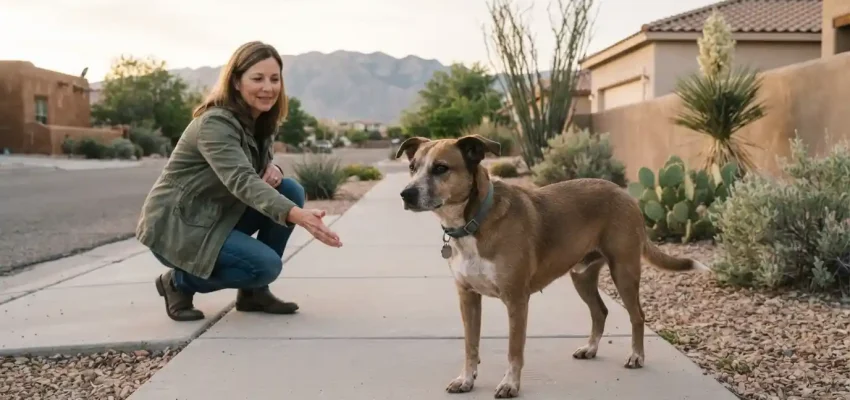
Move the animal away from traffic and other immediate hazards if you can do so safely. If the pet is calm enough to approach, offer water and keep it somewhere secure while you begin looking for its owner.
Do not assume that an animal without a visible collar is abandoned. Many lost pets escape without identification or may have slipped out of their collar during the incident.
Check for Identification
Look for a collar, identification tag, license information, or other visible identification. A phone number on a tag can provide the fastest route to the owner.
If there is no useful information on the collar, a veterinary clinic or animal shelter may be able to scan the pet for a microchip. A microchip can contain information that helps identify the registered owner even when the animal has no collar.
When transporting the animal for identification, use an appropriate carrier, leash, or other secure method. For larger animals, avoid attempting complicated handling techniques unless you are confident that the pet is comfortable with you.
Take Clear Photos of the Found Pet
Clear photographs can make a major difference when searching for an owner. Take several photos showing the animal’s face, body, markings, coat pattern, and any distinctive characteristics.
For dogs, include photographs that show the dog’s overall appearance, approximate size, coloring, and any unique markings. For cats, photographs of the face and coat pattern can be particularly helpful.
Do not include unnecessary personal information in a public post. The goal is to provide enough information for the correct owner to recognize the animal without exposing sensitive details.
Search for Lost-Pet Reports
One of the most important steps is checking whether someone has already reported the animal missing. Search local community groups, neighborhood pages, lost-and-found pet listings, and other online resources used by Albuquerque residents.
Compare the found pet with missing-pet descriptions carefully. Look beyond the animal’s breed because owners may describe mixed-breed pets differently. Coat color, age, sex, size, markings, collar type, and the area where the pet disappeared can all help establish a match.
Create a Found-Pet Post
If you cannot immediately identify the owner, create a clear found-pet notice. Include the general area where the pet was found, the date, and a useful description.
A strong post can include:
- Animal type and approximate breed or appearance
- Approximate size and age
- Color and distinctive markings
- Whether the animal was wearing a collar
- General Albuquerque area where it was found
- Date and approximate time it was discovered
- How the owner can safely provide identifying information
Avoid publishing every identifying detail. Keeping one or two details private can help you verify that a person claiming the pet is actually the owner.
How to Verify a Potential Owner
Receiving a message from someone who says the animal belongs to them is not enough by itself. Before handing over the pet, ask questions that a genuine owner should reasonably be able to answer.
Ask for details such as the pet’s name, approximate age, distinctive markings, previous collar color, veterinary information, or other characteristics that were not included in your public post.
Photos can also be useful for verification. An owner may have photographs showing the animal in a familiar environment or displaying a distinctive feature.
When arranging a reunion, choose a safe public location if you are uncomfortable meeting a stranger at your home. If there are concerns about ownership or safety, consider involving an appropriate animal-care organization.
What If the Found Pet Is Injured?
An injured animal needs a different approach. If the pet appears seriously hurt, has difficulty breathing, is bleeding heavily, has been struck by a vehicle, or appears unable to stand, seek professional veterinary assistance as quickly as possible.
Be cautious when handling an injured animal because pain and fear can cause even normally gentle pets to bite or scratch. Keep children and other animals away while you arrange appropriate assistance.
If you are caring for an animal temporarily, understanding basic pet wellness considerations can also be useful. Resources such as pet health and care information can provide additional context for responsible pet ownership.
Keep the Found Pet Secure
Once an animal is safely away from immediate danger, secure containment becomes important. Dogs should generally be kept in a secure enclosed area or controlled with an appropriate leash. Cats should be kept indoors in a quiet, secure room away from unfamiliar animals.
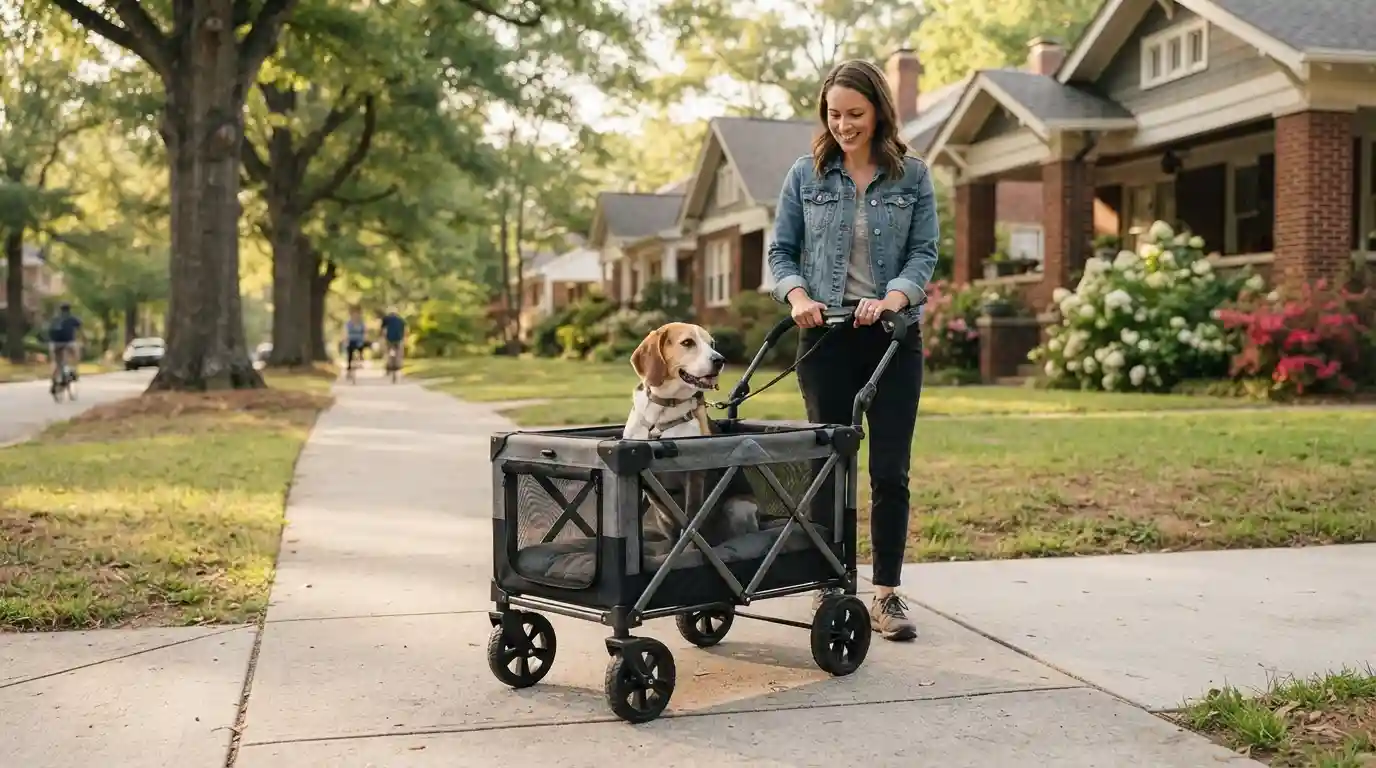
If you need transportation equipment or specialized pet mobility solutions, a resource such as Pet Wagon and pet transportation guidance may also be useful when considering safe movement of an animal.
Keep food changes conservative. A stressed animal may have digestive problems when suddenly given unfamiliar food. Fresh water and a calm environment are generally more useful while you determine the next step.
What If You Cannot Find the Owner?
Sometimes an owner cannot be located immediately. That does not necessarily mean that nobody is looking for the pet. Lost animals can travel significant distances, and owners may need time to discover where their pet went.
Continue checking lost-pet reports and update your found-pet notice when appropriate. If you cannot safely keep the animal, contact an appropriate local animal-care organization or shelter to ask about the proper intake process.
Do not simply release the pet back onto the street because the owner has not responded quickly. Returning an animal to an unsafe environment can make the situation more difficult.
Temporary Care While Searching for the Owner
If you are able to provide temporary care, create a quiet space where the animal can rest. Keep unfamiliar pets separated until you know more about their behavior and health status.
Temporary pet care can become more demanding if the owner is not located quickly. If you need professional boarding or pet-care options, the broader pet resort and pet-care guide can provide useful background on services designed for animals that need temporary accommodation.
If the animal eventually needs a longer-term arrangement, document the steps you have taken to locate its owner. Keep copies of relevant posts, dates, messages, and other information that may help establish what happened.
Be Careful About Rehoming a Found Pet
Finding a pet does not automatically mean that the animal is available for adoption. An owner may still be searching for the animal, even if the pet has been missing for several days.
Before considering permanent placement, make reasonable efforts to identify the owner and follow applicable local procedures. Animal shelters and local animal-care organizations can help explain the appropriate process when an owner cannot be located.
If the animal is eventually placed with a new caregiver, responsible pet ownership should include appropriate identification, secure containment, veterinary care, and a plan for preventing future escapes.
Preventing Another Lost-Pet Situation
Once a pet has been reunited with its owner, prevention becomes important. Owners can reduce future risks by keeping identification information current and making sure the animal has reliable identification.
Check gates, doors, windows, fences, and other potential escape routes around the home. Pets that are easily frightened may require additional precautions during fireworks, storms, construction, or other stressful situations.
For households that travel with pets, secure transportation is equally important. Planning ahead can reduce the chance of an animal escaping from an unfamiliar location.
Travel-related pet planning can also be considered alongside resources such as travel-center guidance when planning longer road journeys with an animal.
Found Pets and Responsible Pet Ownership
A found pet is often someone else’s family member, so patience and careful verification are essential. The most helpful approach is to protect the animal, search for identification, publicize the discovery responsibly, and work toward a safe reunion.
Pet owners can also learn from the experience by improving identification, transportation, and emergency-preparedness practices. Articles covering lost and found pet situations, pet care information, and pet transportation can all contribute to a broader understanding of responsible animal care.
Frequently Asked Questions About Found Pets in Albuquerque
What should I do immediately after finding a lost pet?
Move the animal away from immediate danger if it is safe to do so, provide water, look for identification, and begin checking for lost-pet reports.
Should I assume a pet without a collar has been abandoned?
No. A pet can lose its collar or escape without identification. Treat the animal as potentially lost and make reasonable efforts to locate its owner.
How can I prove that someone claiming the pet is the owner?
Ask the claimant for identifying details that were not publicly disclosed, such as distinctive markings, previous photographs, veterinary information, or other specific characteristics.
Can I keep a found pet permanently?
Not simply because you found it. Make reasonable efforts to locate the owner and follow applicable local procedures before considering permanent placement.
What should I do if the animal is injured?
Handle the animal cautiously and seek appropriate veterinary assistance for serious injuries. Injured animals may react defensively because of pain or fear.
Final Thoughts
Finding a lost pet in Albuquerque can feel overwhelming, but a structured approach can make the situation easier to manage. Protect the animal from immediate danger, check identification, search for missing-pet reports, create a responsible found-pet notice, verify anyone claiming ownership, and seek professional help when necessary.
The ultimate goal is not simply to find a temporary home for the animal. It is to give the lost companion the best reasonable opportunity to return safely to the people who are searching for it.