
When most Americans hear the words grease trap, they picture a restaurant kitchen — but a growing number of US homes have one too. If your house has a kitchen grease interceptor, usually installed because of local code or a history of sewer problems, keeping it clean is your responsibility. In this guide, we explain the grease trap cleaning homes with a kitchen interceptor need, in plain English: what a residential grease trap does, what grease trap cleaning homes cost in the USA in 2026, how often to do it, and the simple daily habits that keep yours working.
What Is a Residential Grease Trap?
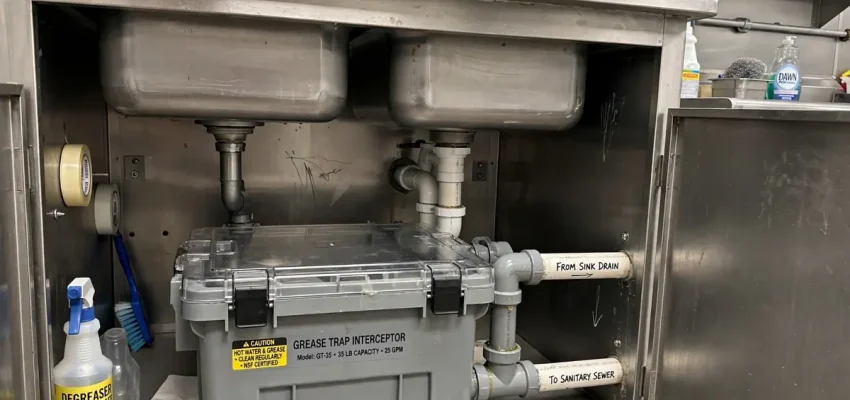
A grease trap is a small tank installed on your kitchen drain line that catches fats, oils, and grease — collectively called FOG — before they reach your sewer line or septic system. As kitchen wastewater flows through, the grease cools, floats to the top, and is trapped, while clearer water flows out the bottom to the drain. Residential units are much smaller than restaurant models, typically 10 to 50 gallons, and often sit under the kitchen sink, in a crawl space, or buried just outside the kitchen wall.
Why would a home have one? Some municipalities in states like California, Florida, and Texas require grease interceptors for homes with certain plumbing configurations or in areas with chronic sewer blockages. They are also common in homes that were once used as businesses, in-law suites with full kitchens, or houses where the owners do a lot of heavy cooking. If you have frequent kitchen drain clogs despite careful habits, a previous owner may have installed one as the fix — and if it has never been cleaned, it may now be the cause of your problems rather than the solution.
Grease Trap Cleaning Homes Need: 2026 USA Cost Guide
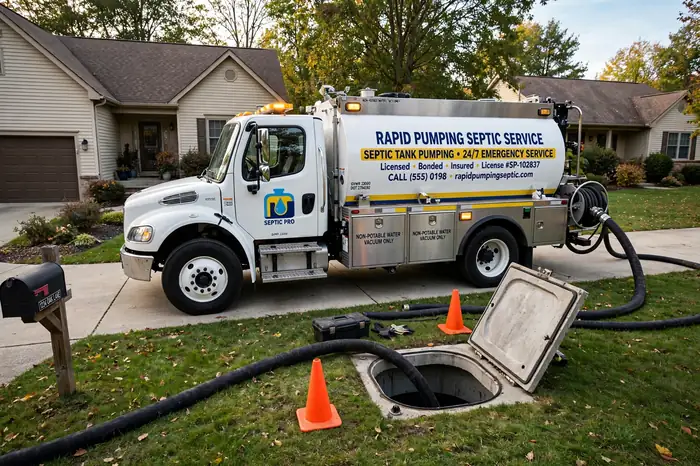
For a typical residential grease trap, the professional grease trap cleaning homes schedule regularly costs between $150 and $400 in 2026, with most homeowners paying around $250 per service. Small under-sink units are at the low end — a quick pump-out and scrape-down takes under an hour. Larger buried exterior interceptors cost more because the technician must open the access lids, pump the contents with a vacuum truck, scrape the walls and baffles, and dispose of the waste legally.
What the service includes matters more than the headline price. A proper cleaning removes all the contents — the floating grease cap, the wastewater, and the settled solids — then scrapes the interior walls and inspects the baffles. A cheap $99 special that only skims the top layer leaves most of the grease behind, which is money wasted. Always ask whether the quote covers a full pump-out, wall scraping, and disposal fees, the same way you would itemize any drain cleaning cost quote before approving it.
Some homeowners handle small under-sink traps themselves, scooping out the grease layer every few weeks with the unit’s baffles removed and cleaned. This light maintenance between professional cleanings is sensible, but the full pump-out and disposal still requires a licensed service — household trash and drains are not legal disposal routes for bulk grease in most US jurisdictions.
How Often Do Home Grease Traps Need Cleaning?
For most households, professional cleaning every 3 to 6 months keeps a residential trap working properly. Heavy-cooking households — big families, frequent entertainers, home food businesses — should lean toward every 2 to 3 months. The widely used industry guideline is the 25-percent rule: when the combined layer of floating grease and settled solids reaches a quarter of the trap’s liquid depth, it is time for service.
Your cooking habits are the biggest variable. A household that pan-fries daily and puts a garbage disposal to heavy use fills a trap far faster than one that mostly bakes and steams. Disposals deserve special caution here: grinding food waste sends a slurry of grease and solids straight into the trap. Our garbage disposal repair guide USA explains how disposals work, and the key takeaway for trap owners is to use yours sparingly. Scraping plates into the trash before rinsing is the single most effective habit for extending the interval between cleanings.
Warning Signs Your Home Grease Trap Needs Cleaning
A full grease trap announces itself. The kitchen sink drains slowly even though the P-trap is clear, and plunging does not help for long. Foul odors rise from the sink — decomposing grease smells distinctly rancid, worse than ordinary drain odor. You may hear gurgling from the drain as water struggles past the grease blockage, or see greasy residue backing up into the sink basin. (If fixtures beyond the kitchen are misbehaving too, the trouble may lie elsewhere — our how to detect a water leak in your home guide helps you track down hidden plumbing issues.)
Do not confuse a full trap with an ordinary clogged drain. If a single fixture is slow, the blockage is usually local and a standard drain service fixes it. When the whole kitchen side is sluggish and smells bad, the trap is the likely culprit. Persistent grease problems can also damage the sewer line downstream, and at that point you are looking at the kind of major work described in our sewer line replacement cost guide — far more expensive than routine trap maintenance. If your dishwasher is also draining poorly, the shared drain line may be affected; see our how to troubleshoot a dishwasher not draining USA article for the diagnostic steps.
What Happens During a Professional Cleaning
A proper residential service takes 45 minutes to two hours. The technician opens the trap, measures the grease and solids layers to document the condition, then pumps or scoops out the entire contents. The interior walls, baffles, and inlet/outlet fittings get scraped clean — this scraping step is what separates a real cleaning from a quick skim. The technician then checks the baffles for damage, confirms the flow, and closes everything up.
Disposal is a regulated part of the job. Pumped grease waste must go to a licensed rendering or treatment facility, and the disposal fee is baked into your quote. Reputable companies provide a service record noting the date, the condition found, and the volume removed. Keep these records: if your municipality requires the interceptor, inspectors may ask for proof of regular maintenance, and the paper trail also helps at resale time.
Daily Habits That Keep Your Grease Trap Cleaner Longer
The cheapest grease trap service is the one you postpone through good habits. Never pour cooking oil, bacon grease, or melted butter down the sink — pour it into a can, let it solidify, and throw it in the trash. Wipe greasy pans with a paper towel before washing. Use sink strainers to catch food scraps, and run cold water rather than hot when rinsing greasy dishes, since hot water melts grease that re-solidifies further down the line.
Be skeptical of enzyme or bacterial additives marketed as trap cleaners. They can help maintain a clean trap between services, but they cannot dissolve an existing grease blockage, and some products simply push the problem downstream. Mechanical cleaning remains the only reliable fix for a full trap. The same skepticism applies to chemical drain openers, which can damage trap baffles and pipes — a concern shared with any kitchen sink installation cost project where the new plumbing must be protected from harsh chemicals.
If you are planning a kitchen renovation, consider whether the trap is still in the right place. A remodel is the ideal time to relocate an awkward under-sink unit to an accessible exterior spot or to upsize an undersized trap. Our kitchen remodel cost in USA 2026 guide covers budgeting for the project, and folding trap work into the plumbing rough-in is far cheaper than a standalone retrofit later.
Grease Traps and Septic Systems: A Critical Warning
If your home has both a grease trap and a septic system, maintenance is doubly important. Grease that escapes a full trap flows straight into the septic tank, where it forms a thick scum layer that can clog the outlet baffle and migrate into the drain field. A ruined drain field costs $5,000 to $20,000 to replace — orders of magnitude more than regular trap cleaning. Septic owners should clean traps on the shorter end of the recommended interval and never treat the trap as a substitute for careful kitchen habits. Our septic tank pumping cost guide explains the full maintenance picture for septic households.
Choosing a Grease Trap Cleaning Service
Look for a company licensed for grease waste hauling in your state — requirements vary, but legitimate operators carry the proper permits and disposal manifests. Get a written quote that specifies full pump-out, scraping, and disposal, not just a skim. Ask how they document the service, since you may need records for code compliance. And as with any home-service hire, check reviews and verify insurance; our how to find a reliable plumber near me in USA checklist works just as well for vetting grease service companies.
Some full-service plumbers offer trap cleaning alongside drain work, which can be convenient if you already have a plumber you trust. And if a grease backup ever turns into an after-hours crisis, our emergency plumber: when to call one USA guide explains when urgent help is warranted. Just confirm they are equipped for grease waste disposal — a general drain cleaner without a vacuum truck or disposal arrangement cannot do a proper interceptor service.
FAQs About Grease Trap Cleaning for Homes
Do all homes need a grease trap?
No. Most American homes do not have one and do not need one — normal kitchen habits plus a clear drain line are sufficient. Grease traps appear in homes where local code requires them, where sewer history demanded it, or where heavy cooking makes them practical. If you are unsure whether your home has one, check under the kitchen sink and around the exterior kitchen wall for a small tank with access lids.
Can I clean my home grease trap myself?
You can do light maintenance on a small under-sink unit — scooping the grease layer and wiping the baffles every few weeks. But the full pump-out, wall scraping, and legal waste disposal should be left to a licensed service. Bulk grease cannot legally go in household trash or down drains in most jurisdictions.
What should never go down a kitchen drain with a grease trap?
Cooking oils, bacon grease, butter, coffee grounds, eggshells, and fibrous vegetables. Wipes and paper towels are also forbidden — they combine with grease to form stubborn blockages. When in doubt, scrape it into the trash, not the sink.
How do I know what size trap my home needs?
Sizing depends on the kitchen’s fixture count and expected flow, and local code often specifies minimums. A plumber can calculate the right size from your sink and dishwasher specifications. If your trap fills in weeks rather than months, it is probably undersized for your cooking volume.
Does a grease trap replace the need for drain cleaning?
No — they serve different purposes. The trap catches grease at the kitchen line; the rest of your drains still need normal care. If multiple fixtures beyond the kitchen are slow, the problem is downstream of the trap and needs standard drain service.
Conclusion
Grease trap cleaning homes stay on top of is a small, affordable maintenance task — typically $150 to $400 per service — that prevents some of the nastiest and most expensive plumbing problems a house can develop. Clean the trap every 3 to 6 months, keep grease out of the sink with simple daily habits, use your garbage disposal sparingly, and hire a licensed service that does a full pump-out with proper disposal. Do that, and your kitchen drains will run clear, your sewer line stays protected, and a minor maintenance item never gets the chance to become a five-figure repair.