
Knowing how to choose replacement windows is the difference between an upgrade you love for 30 years and an expensive regret. With dozens of brands, five frame materials, endless glass options, and quotes that can vary by thousands of dollars, the decision feels overwhelming. This guide simplifies it into a clear step-by-step process used by savvy American homeowners in 2026 — so you pick the right windows for your climate, budget, and home, and hire the right installer to put them in.
Step 1: Define Your Goals
Before shopping, get clear on what you want the windows to do. Are you fighting winter drafts and high heating bills? Prioritize insulation: fiberglass or vinyl frames with triple-pane glass. Is street noise the problem? Focus on STC ratings and laminated glass. Selling soon? Emphasize curb appeal and matching styles. Staying forever? Invest in durability and the best efficiency you can afford. Your goals determine every downstream choice, from material to glass package — and they keep salespeople from upselling features you do not need.
Write down your top three priorities and your budget range before any showroom visit. Homeowners who do this consistently report higher satisfaction, because the decision stays anchored to their actual needs rather than showroom dazzle. If budget is the binding constraint, our window replacement cost guide helps you set realistic expectations first.
Step 2: Choose the Right Frame Material
Vinyl: The Value Leader
Vinyl windows dominate US replacements because they deliver strong efficiency at the lowest price ($300–$700 installed). They never need painting and resist moisture perfectly. Buy from established manufacturers — cheap vinyl warps, fades, and gets brittle. Quality vinyl lasts 20 to 30 years and suits most American homes and budgets.
Fiberglass: The Performance Pick
Fiberglass ($600–$1,200 installed) is stronger than vinyl, expands minimally with temperature swings (so seals last longer), can be painted, and lasts 30 to 50 years. It is the choice of homeowners who plan to stay put and want the last windows they will ever buy. The premium over vinyl typically pays back in longevity alone.
Wood: Beauty With Upkeep
Wood ($700–$1,400 installed) offers unmatched aesthetics and natural insulation. Clad wood — wood interior with aluminum or vinyl exterior — cuts maintenance dramatically and is the practical way to get the wood look. Choose wood for historic homes, luxury builds, or when interior wood trim matters to you. Budget for periodic refinishing of any exposed wood.
Aluminum and Composite
Aluminum ($400–$900) suits modern designs and large openings but insulates poorly without thermal breaks — best in mild climates. Composite ($600–$1,100) blends wood fiber and polymer for a strong, stable, low-maintenance frame that mimics wood. Both are solid niche choices when their strengths match your situation.
Step 3: Match Glass to Your Climate
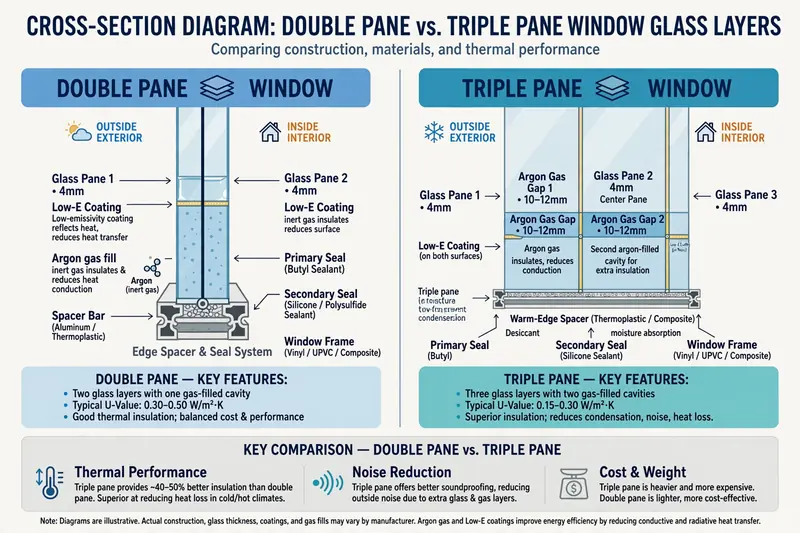
Glass selection matters as much as frame material — arguably more for energy performance. In cold northern climates (zones 5–7), choose triple-pane glass with high solar heat gain on south-facing windows to harvest winter sun; our double pane vs triple pane comparison details the trade-offs. In hot southern climates, prioritize low solar-heat-gain Low-E coatings that reject summer heat while preserving visible light.
Everywhere in between, double-pane Low-E with argon fill is the sweet spot for most homes. Add laminated glass on street-facing windows for noise and security, and consider impact glass in hurricane-prone regions — a consideration that pairs with hurricane season preparation for the whole home. Do not pay for triple-pane in mild climates where the payback stretches beyond the window’s life; match the glass to the actual weather you get.
Step 4: Pick Styles Room by Room
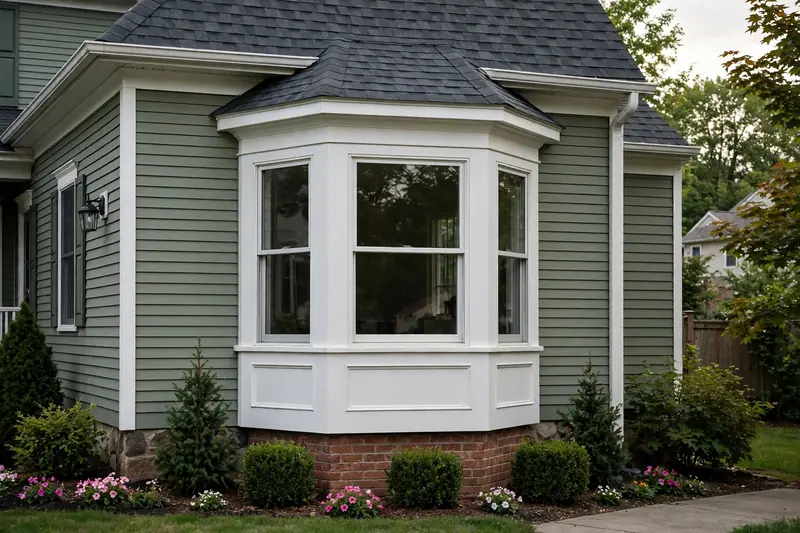
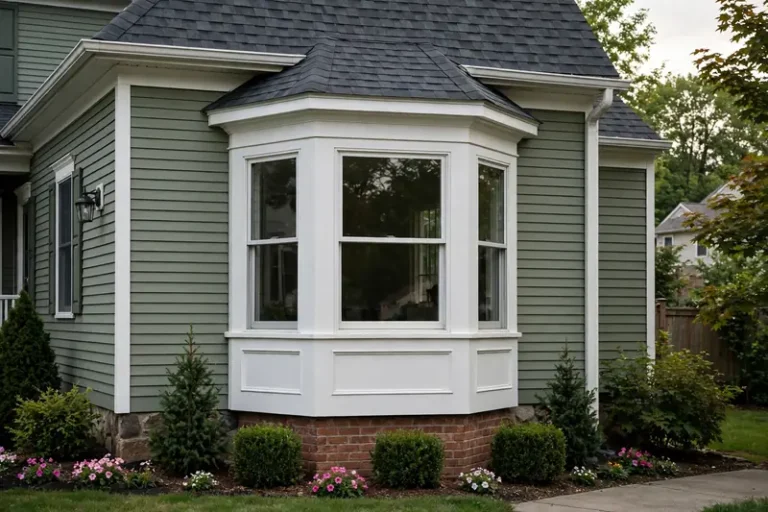
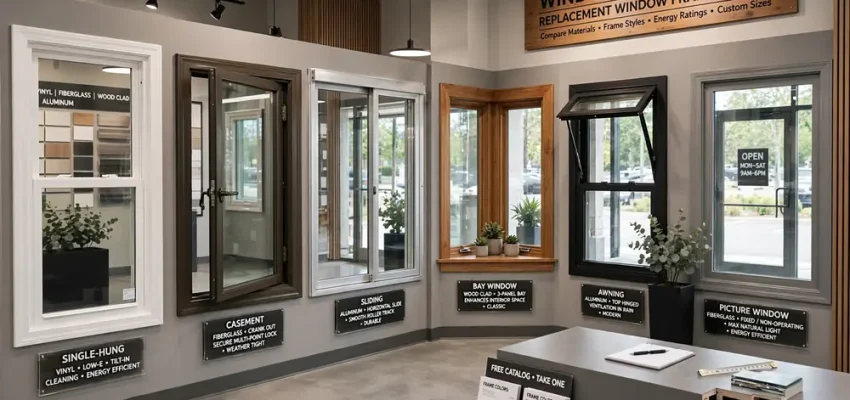
Different rooms want different windows. Double-hung windows suit traditional homes and allow easy cleaning of both sashes from inside — ideal for second floors. Casements crank open fully for maximum ventilation and seal tightest against drafts, perfect for kitchens and bathrooms. Sliding windows work well in wide, short openings. Picture windows frame views cheaply where ventilation is not needed. For dramatic openings, bay windows add space, light, and value — but budget two to four times a standard window.
Keep exterior styles consistent for curb appeal, but feel free to vary operation by room function. A common mistake is choosing style purely on price — a $50 saving per window is not worth 30 years of regretting windows that do not suit how you live. Operability matters daily; prioritize rooms where you actually open windows.
Step 5: Understand Energy Ratings
Two numbers matter most. U-factor measures insulation — lower is better; look for 0.30 or below in most climates, 0.22 or below for premium cold-climate performance. Solar Heat Gain Coefficient (SHGC) measures how much sun heat enters — lower blocks more heat (good in the South), higher admits more (good for passive solar heating in the North). Energy Star certification means the window meets regional efficiency thresholds; in 2026, the federal 25C tax credit can reward qualifying choices.
Do not obsess over tiny rating differences between quality windows — installation quality affects real-world performance more than a 0.02 U-factor gap. A perfectly installed mid-range window outperforms a sloppily installed premium one every time. Which brings us to the most important step.
Step 6: Vet Installers Ruthlessly
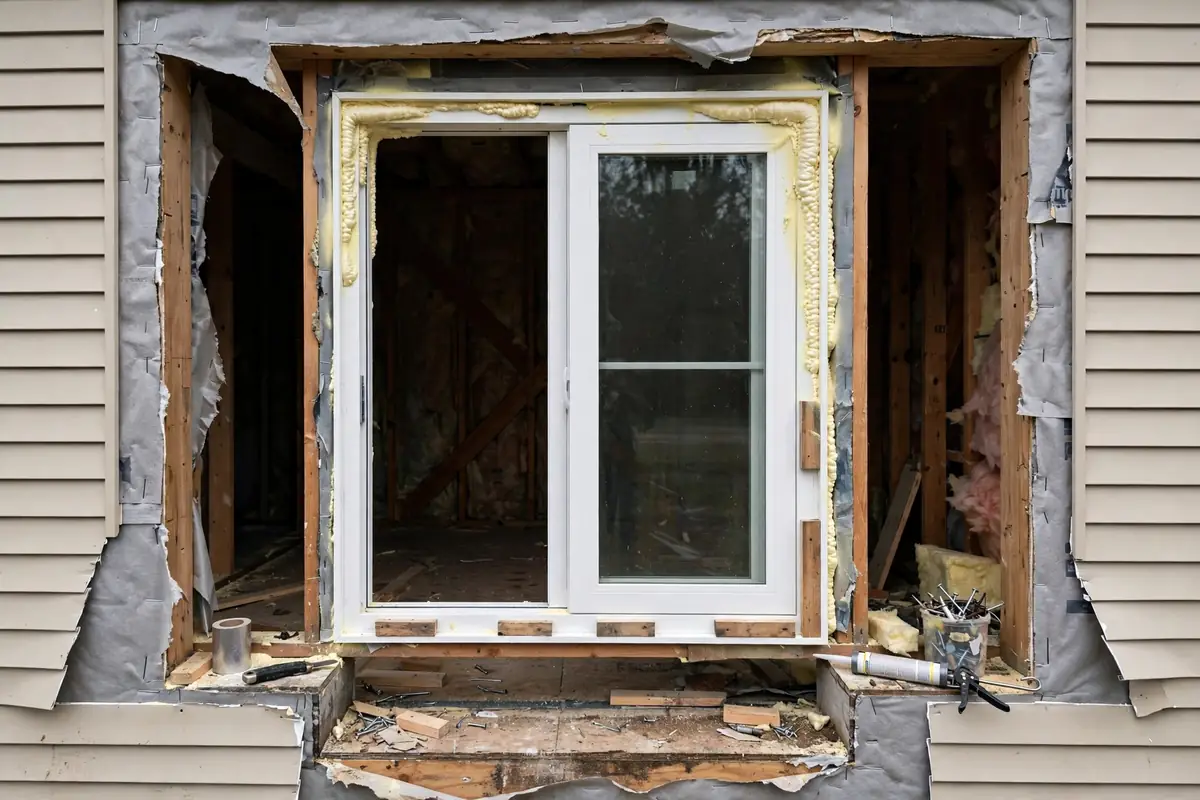
The installer matters as much as the window. Get at least three quotes, each specifying the exact window brand, model, glass package, and whether it is insert or full-frame installation. Ask how they flash and insulate the opening — this detail separates pros from hacks. Verify license and insurance, read recent reviews, and ask for addresses of nearby completed jobs you can drive by.
Red flags: quotes far below the pack, pressure tactics, vague specifications, full payment upfront, and reluctance to discuss the installation method. Good installers welcome technical questions. The vetting process mirrors our roofing contractor selection guide — thorough vetting is the universal rule of hiring trades. For what the job itself involves, see what to expect during window installation.
Step 7: Time It Right and Negotiate
Late fall and winter are the slow season for window installers, and discounts of 10 to 15 percent are common — crews work year-round, replacing one window at a time with minimal heat loss. Get competing quotes and let installers know you are comparing; polite competition sharpens pricing. Ask about manufacturer rebates, utility incentives, and 0% promotional financing. Bundling all windows into one project typically saves 10 to 20 percent versus phasing.
Negotiate on scope, not just price: upgraded glass, better screens, or premium hardware thrown in can be worth more than a small discount. And get everything in writing — model numbers, glass specs, installation method, timeline, payment schedule, and warranty terms for both product and labor.
Common Mistakes to Avoid
The classic errors: buying on price alone and getting builder-grade windows that fog in eight years; choosing the wrong glass for the climate; ignoring installation quality; replacing windows that only needed draft repair; mismatching styles that hurt curb appeal; and signing before checking references. Another subtle one: replacing all windows identically when different rooms have different needs — the street-facing bedroom wants noise control, the south-facing living room wants solar management, and the bathroom wants privacy glass. Room-by-room thinking beats one-size-fits-all.
When Replacement Is Overkill
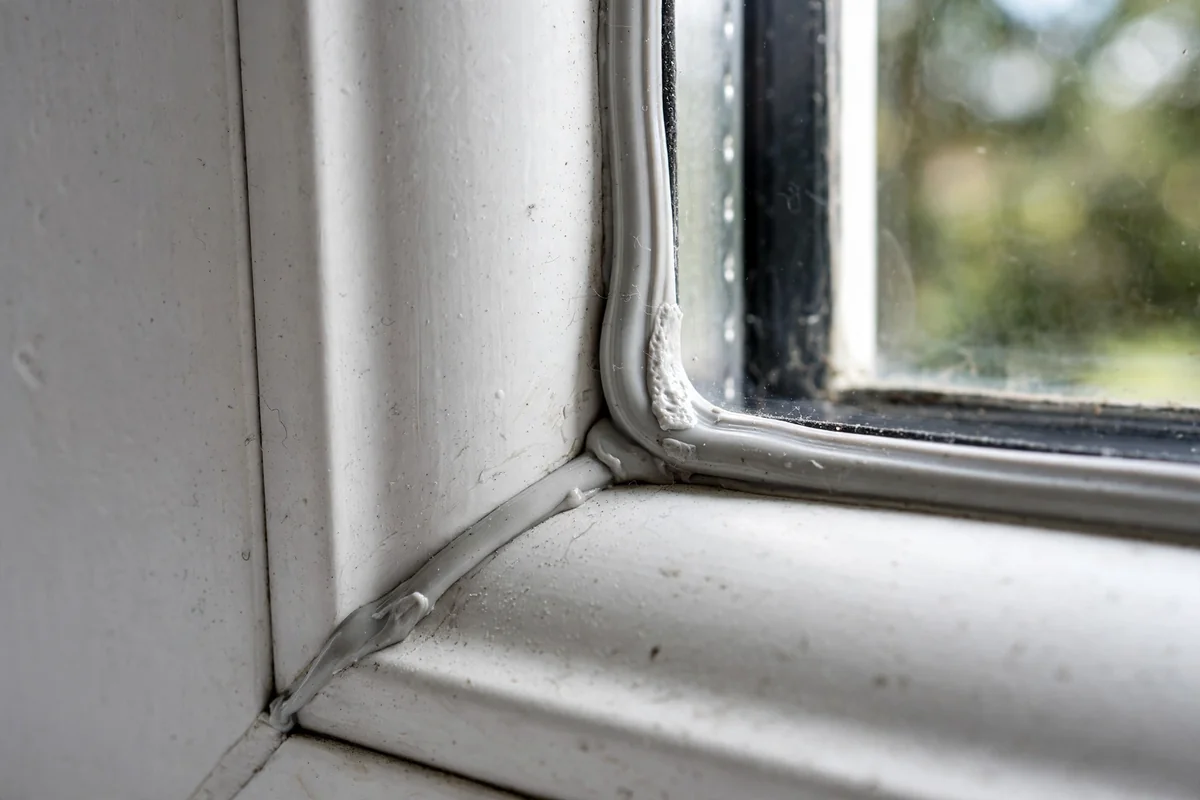
Not every old window needs replacement. If frames are solid and the issues are drafts, sticky operation, or worn finishes, repair often suffices at a fraction of the cost. Fixing drafty windows with weatherstripping, caulk, and storm windows can deliver most of the comfort gain for under $100 per window. Screen repair and hardware replacement revive functionality cheaply. Reserve full replacement for failed seals (fog between panes), rotted frames, or single-pane windows in harsh climates — situations where repair cannot deliver modern performance.
FAQs: How to Choose Replacement Windows USA
What is the best window brand?
There is no single best brand — Andersen, Pella, Marvin, Jeld-Wen, and Simonton all make excellent windows at different price points. Focus on the specific product line’s ratings and warranty rather than brand prestige alone, and weight installer quality equally.
Vinyl or fiberglass — which should I pick?
Choose vinyl for the best value and 20+ year service. Choose fiberglass if you plan to stay 20+ years, want paintable frames, or live in a climate with extreme temperature swings where dimensional stability matters.
How many quotes should I get?
At least three, from different types of companies — a big-box installer, a local window company, and a general contractor — so you see the full range of pricing and approaches.
Are expensive windows worth it?
Up to a point. The jump from builder-grade to quality mid-range pays clearly in durability and performance. The jump from mid-range to ultra-premium mostly buys aesthetics and marginal efficiency gains — worth it for forever homes, harder to justify otherwise.
Can I install replacement windows myself?
Insert replacements are DIY-able for skilled homeowners, but full-frame installation demands flashing and waterproofing expertise. Poor installation voids warranties and causes leaks — most homeowners are better off hiring pros for this one.
Conclusion
Learning how to choose replacement windows comes down to a clear sequence: define your goals, pick the right frame material, match glass to your climate, choose styles room by room, understand the ratings, vet installers hard, and time your purchase well. Do not forget the finishing details either — quality window measuring ensures perfect fit, and understanding window warranties protects your investment. Do that, and you will get windows that perform beautifully for decades. Skip steps, and you risk the most common remodeling regret — expensive windows that do not solve the problems you actually had.