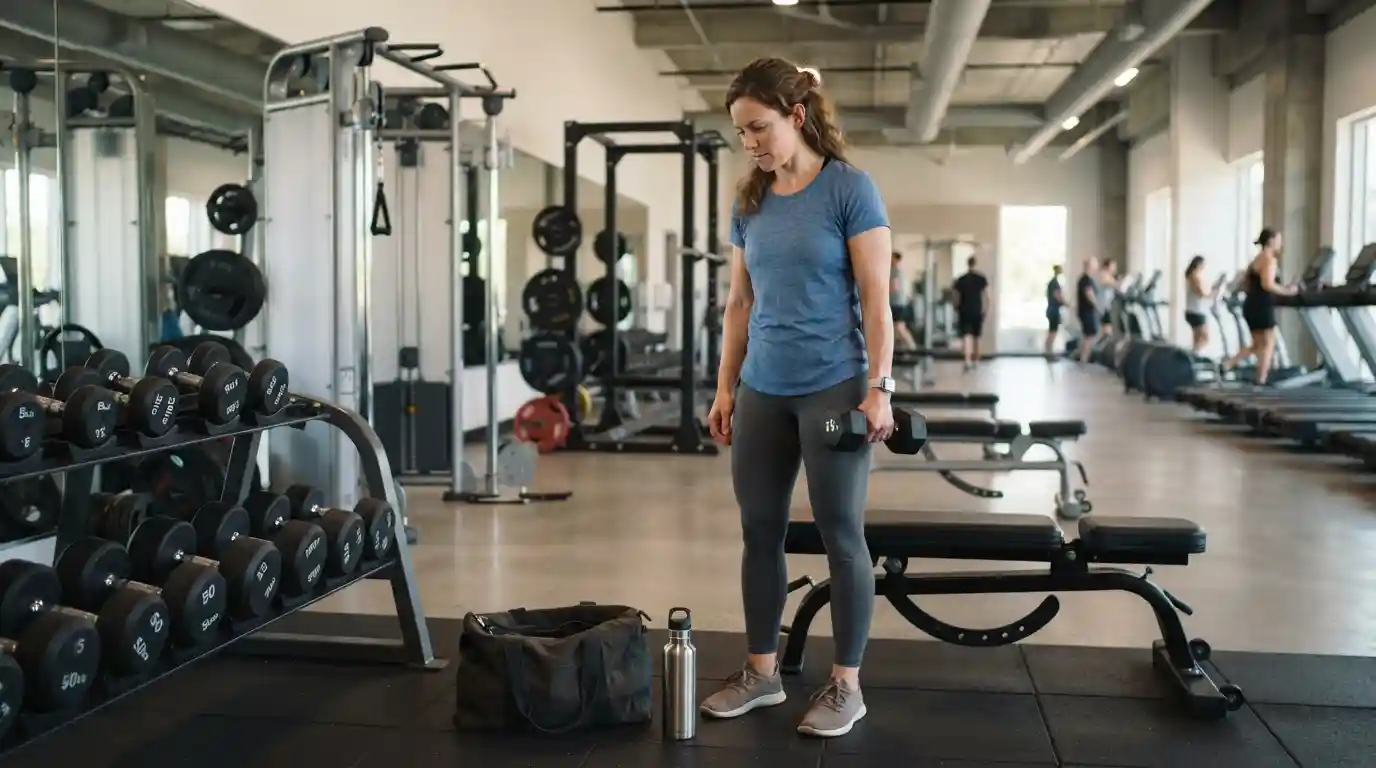
Motivation can come from many places, but some of the most powerful lessons come from people who understand discipline, pressure, setbacks, and long-term commitment. That is why some are from sports people, while others come from coaches, entrepreneurs, thinkers, and people who have built success through consistent effort.
Athletes provide a useful perspective because progress in sport rarely happens overnight. Training, recovery, repetition, patience, and mental preparation all play a role. Those same principles can help anyone who wants to become more active, return to the gym, or build a healthier routine.
AnchorEra currently places this topic within its Life & Fitness content area, alongside related fitness and wellness topics. The original page contains placeholder text, so this refreshed version focuses directly on the article’s intended fitness-motivation subject.
Why Sports People Can Be Powerful Sources of Motivation
Professional athletes deal with many of the same challenges that affect everyday fitness: inconsistent motivation, demanding schedules, disappointing results, fatigue, and the temptation to stop when progress feels slow.
The difference is that successful athletes learn to rely less on temporary motivation and more on habits. They show up for training even when the excitement has disappeared. They learn from poor performances instead of allowing one setback to define their progress.
That mindset is useful beyond competitive sport. Someone trying to exercise three times a week does not need the lifestyle of a professional athlete. However, adopting the principles of consistency, preparation, patience, and recovery can make a fitness routine easier to maintain.
Motivation Is Helpful, but Consistency Matters More
One of the biggest lessons from sport is that motivation changes. Some days feel productive and energetic. Other days feel difficult before the workout even begins.
A sustainable fitness routine therefore needs something stronger than motivation alone. A scheduled workout, realistic goal, supportive environment, and enjoyable form of exercise can make consistency easier.
The American College of Sports Medicine emphasizes that regular physical activity is more useful than sporadic high-intensity exercise and recommends choosing activities that can realistically fit into your schedule.
This is an important distinction. You do not need to feel highly motivated every morning. You need a routine that makes the next healthy action easier.
What We Can Learn From Athletes
1. Focus on the Process
Athletes cannot control every competition result. They can control preparation, effort, recovery, and how they respond to mistakes.
The same approach works in personal fitness. Instead of focusing exclusively on a number on the scale or a particular physical appearance, concentrate on actions you can repeat:
- Completing planned workouts
- Walking more during the day
- Practicing proper exercise technique
- Getting adequate recovery
- Gradually improving strength or endurance
- Maintaining a realistic schedule
Progress becomes easier to recognize when success is measured through behavior as well as outcomes.
2. Small Improvements Add Up
Competitive athletes often spend months or years developing their abilities. A person beginning a fitness routine should expect a similar principle: meaningful change usually comes from repeated effort rather than one extraordinary workout.
A slightly longer walk, another controlled repetition, a better warm-up, or an additional week of consistency may seem small individually. Over time, those actions can create a much stronger foundation.
This is one reason the mindset behind understanding what your body can handle is important. Training should challenge you without turning every session into a test of maximum effort.
Some Motivation Comes From Sports People
Sports figures can inspire people because their careers often involve visible examples of persistence. Their experiences show that setbacks do not necessarily mean a goal has failed.
A missed opportunity, poor performance, injury, or difficult training period can become part of a larger learning process. For everyday exercisers, this means one missed workout does not erase previous progress.
If you skip a session, restart at the next practical opportunity. If a routine becomes boring, modify it. If an exercise causes discomfort or is unsuitable for your current ability, seek appropriate guidance and choose a safer alternative.
The goal is not to imitate a professional athlete’s training schedule. The goal is to borrow the useful principles behind athletic preparation.
Use Athletic Discipline Without Making Fitness Miserable
Discipline does not mean forcing yourself through a routine you hate. In fact, enjoyment can be an important part of long-term exercise adherence.
Recent ACSM research found that enjoyment of exercise was strongly associated with meeting muscle-strengthening activity recommendations in the groups studied.
That gives beginners an important reason to experiment. You might prefer walking, cycling, swimming, resistance training, recreational sports, yoga, or group classes. The best activity is often one that you enjoy enough to repeat.
For readers interested in building a more flexible approach, fitness inspiration and practical motivation can provide another perspective on making exercise part of everyday life.
How to Build a Sports-Inspired Fitness Mindset
Set a Clear Goal
Choose a goal that can be understood easily. Instead of saying, “I want to get fit,” consider a specific target such as walking regularly, improving basic strength, completing a local event, or developing a consistent weekly routine.
Break the Goal Into Actions
A goal becomes more useful when it is connected to daily or weekly behavior. Decide when you will exercise, where you will do it, and what activity you will perform.
Track Your Progress
Simple tracking can make progress visible. Record workouts, walking time, repetitions, distance, or another measurement that makes sense for your goal.
Do not compare every session with your best performance. Compare your current habits with where you started.
Expect Difficult Days
Every fitness journey has periods when motivation drops. Planning for those days can prevent a temporary setback from becoming a permanent stop.
On difficult days, a shorter session may be more realistic than abandoning the routine entirely. The right choice depends on your health, fitness level, schedule, and recovery needs.
Why Recovery Is Part of Progress
Training is only one part of physical development. Recovery gives the body time to adapt to exercise.
Athletes often have structured recovery because their performance depends on managing fatigue. Everyday exercisers should also recognize that rest, sleep, nutrition, and sensible training volume matter.
Trying to exercise harder every day is not automatically better. A sustainable routine should leave room for recovery and adjustment.
Readers exploring broader wellness ideas may also find health and wellness conversations useful when thinking about the lifestyle factors surrounding physical activity.
Fitness Motivation When You Are Starting Again
Returning to exercise can be harder than starting for the first time because people often remember what they used to be capable of. Comparing your current ability with an older version of yourself can create unnecessary frustration.
Instead, treat your return as a new starting point.
Begin with manageable activities. Give your body time to adapt. Build frequency gradually and celebrate consistency. If you have been inactive for a long period or have health concerns, consider speaking with an appropriate healthcare professional before beginning a demanding program.
The challenge of lacking motivation to get back into the gym is common, but motivation often improves after a routine becomes familiar.
Strength Training and the Lesson of Repetition
Strength training provides a clear example of why consistency matters. You do not need an extremely complicated program to begin developing strength.
Current ACSM guidance emphasizes regular resistance training and notes that consistency matters more than chasing a perfect or unnecessarily complicated program.
That principle mirrors athletic preparation. Repeated practice allows skills and physical capacities to develop over time.
For people interested in sports and active living, sports and fitness performance provides another relevant perspective on the relationship between exercise and performance.
The Mental Side of Fitness
Physical training is only part of the equation. Confidence, focus, patience, and emotional control can influence how consistently someone follows a routine.
Mental preparation is also recognized within high-performance sport. Olympic-related resources describe mental well-being, mindfulness, emotional regulation, and recovery as important considerations for athletes.
For everyday fitness, mental preparation can be much simpler. Put the workout on your calendar, prepare your clothes beforehand, reduce unnecessary decisions, and create a routine that makes starting easier.
How to Stay Motivated Without Chasing Perfection
Perfection can become a barrier to consistency. If someone believes that every workout must be long, intense, and flawless, missing one session can feel like failure.
A better approach is to think in terms of continuity.
- Missed Monday? Start again Tuesday.
- Had a short workout? Count the effort.
- Changed your routine? Keep moving forward.
- Reached a plateau? Review your plan instead of quitting.
- Lost motivation? Return to the reason you started.
This approach is closer to the long-term mindset used in sport: evaluate, adjust, recover, and continue.
Sports, Community, and Accountability
Training with other people can make exercise more enjoyable and create a sense of accountability. A teammate, coach, walking partner, class, or training group can provide encouragement when individual motivation is low.
Sports environments are especially effective at creating this sense of shared purpose. Even if you do not compete, recreational activities can provide similar benefits.
For readers interested in athletic environments, the Gardner Seveney Sports Complex article offers another example of how dedicated sports spaces can support active lifestyles.
Motivation Beyond the Gym
Fitness does not have to happen inside a gym. Walking, recreational sports, cycling, swimming, outdoor activities, and other forms of movement can contribute to an active lifestyle.
The broader idea is to make physical activity part of normal life rather than treating exercise as something completely separate from it.
People interested in active recreation can also explore active living and recreation spaces for inspiration.
Related Fitness and Wellness Resources
AnchorEra’s sitemap includes several pages that can support readers exploring different aspects of health, exercise, sports, and lifestyle. These include deepening a yoga practice, health and wellness resources, and holistic health and lifestyle.
Readers can also explore body and holistic wellness information, mental health topics, and sports and entertainment career opportunities.
For active people who enjoy sport-related lifestyles, changing focus in athletics and Darc Sport and athletic gear provide additional related reading.
A Simple Weekly Approach
A practical fitness week does not need to resemble professional training. A beginner might combine several forms of movement according to personal ability and schedule.
- Choose several days for moderate activity.
- Include strength-focused sessions during the week.
- Add enjoyable recreational movement.
- Leave time for recovery.
- Adjust the routine when work, family, travel, or fatigue changes.
ACSM guidance recommends regular aerobic activity and muscle-strengthening activity as part of a balanced physical activity routine.
The exact routine should depend on the person’s age, health, training history, goals, and professional guidance where appropriate.
Final Thoughts
Some are from sports people, but the most useful fitness lessons are not limited to athletes. They are lessons about preparation, consistency, resilience, patience, recovery, and continuing after setbacks.
You do not need to train like a professional competitor to benefit from an athletic mindset. Start with an achievable goal, choose activities you can enjoy, build a repeatable routine, and give yourself enough time to improve.
Motivation may start the journey, but sustainable habits are what keep it moving. Whether your inspiration comes from sports people, coaches, friends, or your own progress, the most important step is to keep taking the next realistic step toward a healthier and more active life.
For more related reading, explore AnchorEra’s fitness inspiration, gym motivation, and Life & Fitness content.