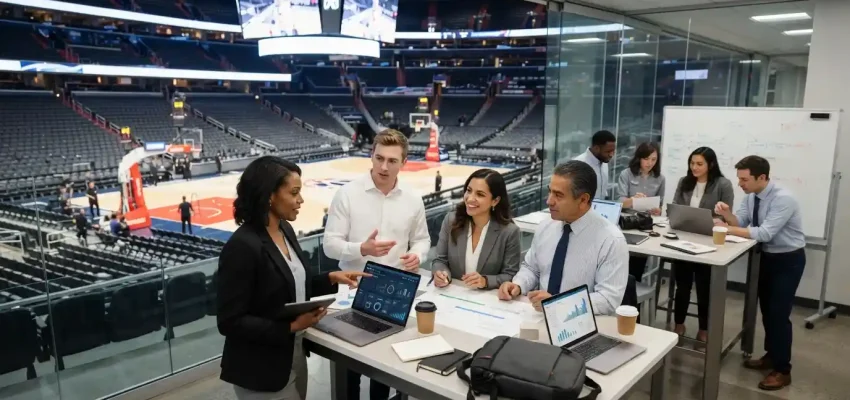

Working in the sports and entertainment industry can involve far more than being on the court, ice, or stage. Behind every game and major event are professionals working in marketing, communications, finance, technology, event operations, customer experience, sales, content production, facilities, and many other areas. For candidates interested in this environment, understanding the types of opportunities available and how to prepare can make the job search more focused.
This guide explains what to know about Monumental Sports & Entertainment careers, the types of positions candidates may encounter, the skills that can help applicants stand out, and practical ways to prepare for the application process.
What Is Monumental Sports & Entertainment?
Monumental Sports & Entertainment is a Washington, D.C.-area sports and entertainment organization built around teams, venues, media, and related business operations. Its portfolio creates opportunities across multiple professional disciplines rather than limiting employment to traditional athletic positions.
That broad structure is important for job seekers. Someone with a background in digital marketing may find opportunities that are very different from those available to an event operations professional, while a data specialist or finance professional can pursue an entirely different career path within the same broader organization.
The combination of sports and entertainment also means that employees may work in environments where customer experience, live events, technology, communications, and commercial operations overlap. Candidates who understand this intersection can better position their experience when applying.
Types of Monumental Sports & Entertainment Jobs
One of the biggest advantages of a large sports and entertainment organization is the variety of career functions. Job titles and openings can change over time, but several broad categories are particularly relevant for candidates.
1. Marketing and Communications
Marketing professionals help sports and entertainment organizations connect with audiences, promote events, support partnerships, and build brand awareness. Communications positions can involve internal communications, media relations, digital content, social media, public relations, or team-specific messaging.
Applicants interested in this area should demonstrate strong writing, audience awareness, campaign planning, content development, and communication skills. Experience with digital platforms and analytics can also be valuable.
For broader context, careers involving digital strategy increasingly overlap with areas such as digital marketing for business services and the global impact of digital marketing.
2. Sports and Event Operations
Live sports depend on extensive behind-the-scenes coordination. Event operations professionals can be involved in venue preparation, guest services, event staffing, scheduling, logistics, security coordination, and other operational responsibilities.
These positions can be particularly attractive to candidates who enjoy fast-paced environments and working directly around live events. Strong organization, reliability, communication, and problem-solving abilities are important because event-day situations can change quickly.
Experience in modern logistics and supply chain management can also provide transferable skills for candidates interested in operational careers.
3. Sales and Partnership Roles
Sports organizations depend on commercial relationships with fans, sponsors, partners, and customers. Sales professionals may work with ticketing, memberships, hospitality, partnerships, group sales, or other revenue-generating areas.
Successful candidates for sales positions often bring communication skills, persistence, relationship-building ability, and a clear understanding of customer needs. Experience in business development or account management can be useful preparation.
Professionals developing broader commercial skills may also benefit from understanding digital marketing performance and business benchmarking.
4. Technology and Data Careers
Modern sports organizations rely heavily on technology. Digital platforms, customer databases, analytics systems, broadcast technology, websites, applications, cybersecurity, and data infrastructure all contribute to the modern fan experience.
This creates opportunities for software developers, engineers, data professionals, IT specialists, product professionals, and technology managers. Candidates with technical skills should emphasize measurable projects and explain how their work improved efficiency, user experience, reliability, or decision-making.
People exploring this career direction can also look at broader technology topics such as digital transformation and the cognitive user journey, chipset and technology innovation, and recent IT and technology developments.
5. Finance and Business Operations
Sports and entertainment organizations require strong financial management just like other complex businesses. Accounting, financial planning, budgeting, analysis, procurement, and business operations can all support the larger organization.
Finance candidates should highlight technical knowledge, analytical ability, attention to detail, financial modeling experience, and familiarity with business reporting. Candidates for senior positions may also need leadership and strategic planning experience.
For those developing their finance knowledge, topics such as quality of earnings and financial decision-making can provide useful broader business context.
6. Media, Content, and Broadcasting
Sports and entertainment generate a constant demand for video, photography, written content, social media material, live production, broadcasting, and digital experiences. This creates career opportunities for producers, editors, camera operators, content specialists, technical production professionals, and communications teams.
A strong portfolio can be particularly valuable for creative applicants. Instead of simply listing software skills, candidates should show completed projects and explain their role in producing them.
Professionals interested in this side of the industry can also explore the wider relationship between entertainment and digital platforms through topics such as television and entertainment programming.
What Skills Can Help You Get Hired?
There is no single skill set that guarantees success in sports and entertainment careers. The right qualifications depend heavily on the specific position. However, several capabilities are useful across many departments.
- Communication: Clear written and verbal communication is valuable in almost every department.
- Teamwork: Live events require people from different departments to work together.
- Adaptability: Event-driven workplaces can change quickly, requiring employees to respond effectively.
- Customer focus: Many positions ultimately contribute to the fan or guest experience.
- Technology skills: Digital tools, analytics, content systems, and business software are increasingly important.
- Problem-solving: Employers value people who can identify issues and develop practical solutions.
- Organization: Managing schedules, projects, events, campaigns, or data requires strong attention to detail.
These skills are transferable across many industries. For example, professionals developing timeline management and team productivity skills can apply those capabilities in event operations, marketing, technology, or corporate functions.
How to Prepare for Monumental Sports & Entertainment Jobs
A targeted application is generally more useful than sending the same résumé to every opening. Start by identifying the type of work you want and then compare your experience with the responsibilities listed for that position.
Study the Job Description Carefully
Read the responsibilities and qualifications before changing your résumé. Identify the most important skills and determine which parts of your background demonstrate them.
If a position emphasizes customer experience, highlight customer-facing accomplishments. If it focuses on data, emphasize analytics projects. If it involves content, showcase relevant creative work.
Customize Your Résumé
A résumé should make it easy for a recruiter to understand your relevant experience. Use concise accomplishment statements instead of simply listing responsibilities.
For example, instead of saying that you managed social media, explain what you managed, which audience you reached, and what measurable outcome resulted from the work.
Build a Relevant Portfolio
Portfolio material can be especially useful for candidates applying to creative, marketing, media, communications, design, or technology positions. Include only your strongest relevant projects and briefly explain the objective, your contribution, and the outcome.
Prepare for Behavioral Questions
Interviewers may ask about teamwork, conflict, deadlines, mistakes, customer interactions, leadership, or difficult projects. Prepare several examples from your education or professional experience.
The STAR structure—Situation, Task, Action, and Result—can help organize answers without making them sound overly rehearsed.
Do You Need Sports Industry Experience?
Not necessarily. Many roles within a sports and entertainment organization rely on skills that are also valuable in technology, finance, marketing, hospitality, media, retail, and other industries.
A marketing professional does not need to have previously worked for a sports franchise to demonstrate campaign experience. Likewise, an engineer can demonstrate technical expertise through projects from another industry.
The key is to explain the connection between your existing experience and the responsibilities of the position you want. Transferable skills become much more convincing when they are supported by specific examples.
Internships and Entry-Level Opportunities
Students and early-career professionals can consider internships, seasonal roles, event positions, assistant roles, and other entry-level opportunities as potential ways to gain industry experience.
These experiences can teach candidates how large event organizations operate while helping them develop professional networks and practical skills. Candidates should still approach entry-level applications seriously by preparing a clean résumé and demonstrating reliability, enthusiasm, and relevant abilities.
Career development can also involve opportunities outside the sports sector. For example, specialized hiring and professional development demonstrate how targeted skills can open doors across different industries.
Why Sports and Entertainment Careers Can Be Different
Sports and entertainment workplaces often operate according to event schedules. That can mean evenings, weekends, holidays, seasonal peaks, or irregular working hours depending on the position.
For some candidates, this environment is an important part of the appeal. For others, schedule flexibility may be a significant factor to consider before applying.
The workplace can also involve collaboration between departments that might operate independently in other industries. Marketing, technology, operations, communications, sales, guest experience, and media teams may all contribute to the same event or campaign.
How to Stand Out in a Competitive Application
Start with relevance. Recruiters need to see quickly why your background matches the position.
Use measurable achievements whenever possible. Numbers can make experience easier to understand, whether they involve revenue, audience growth, project completion, customer satisfaction, operational efficiency, campaign performance, or another meaningful result.
Next, demonstrate that you understand the employer’s environment. Candidates who can connect their skills to sports, entertainment, technology, customer experience, or live events can create a clearer professional narrative.
Finally, maintain a professional online presence. Your résumé, portfolio, LinkedIn profile, and other professional materials should communicate a consistent picture of your skills and experience.
Explore Related Career Skills
A career in sports and entertainment can benefit from knowledge that extends beyond athletics. Business strategy, digital marketing, technology, communications, finance, customer experience, and operations all contribute to the modern sports business.
For example, professionals interested in business growth can explore advanced digital marketing and business excellence, while technology-focused candidates can learn more about digital innovation and modern technology solutions for business.
Those interested in customer-facing industries can also consider how businesses use online marketplaces and customer-focused digital experiences to build stronger relationships with their audiences.
Final Thoughts on Monumental Sports & Entertainment Careers
Monumental Sports & Entertainment jobs can appeal to professionals who want to combine their career skills with the energy of sports, entertainment, media, and live events. The range of departments means opportunities can exist for people with backgrounds in marketing, communications, technology, finance, sales, operations, content, and many other disciplines.
The strongest approach is to identify a specific career direction, study the requirements of the role, tailor your application, and clearly demonstrate how your previous experience can contribute to the position. Whether you are an experienced professional, recent graduate, or student looking for an entry point, preparation and relevance can make the job-search process more productive.
Rather than focusing only on the name of the organization, consider the type of work you want to perform, the skills you want to develop, and the environment in which you can contribute. That approach can help you build a more sustainable career path in the sports and entertainment industry.