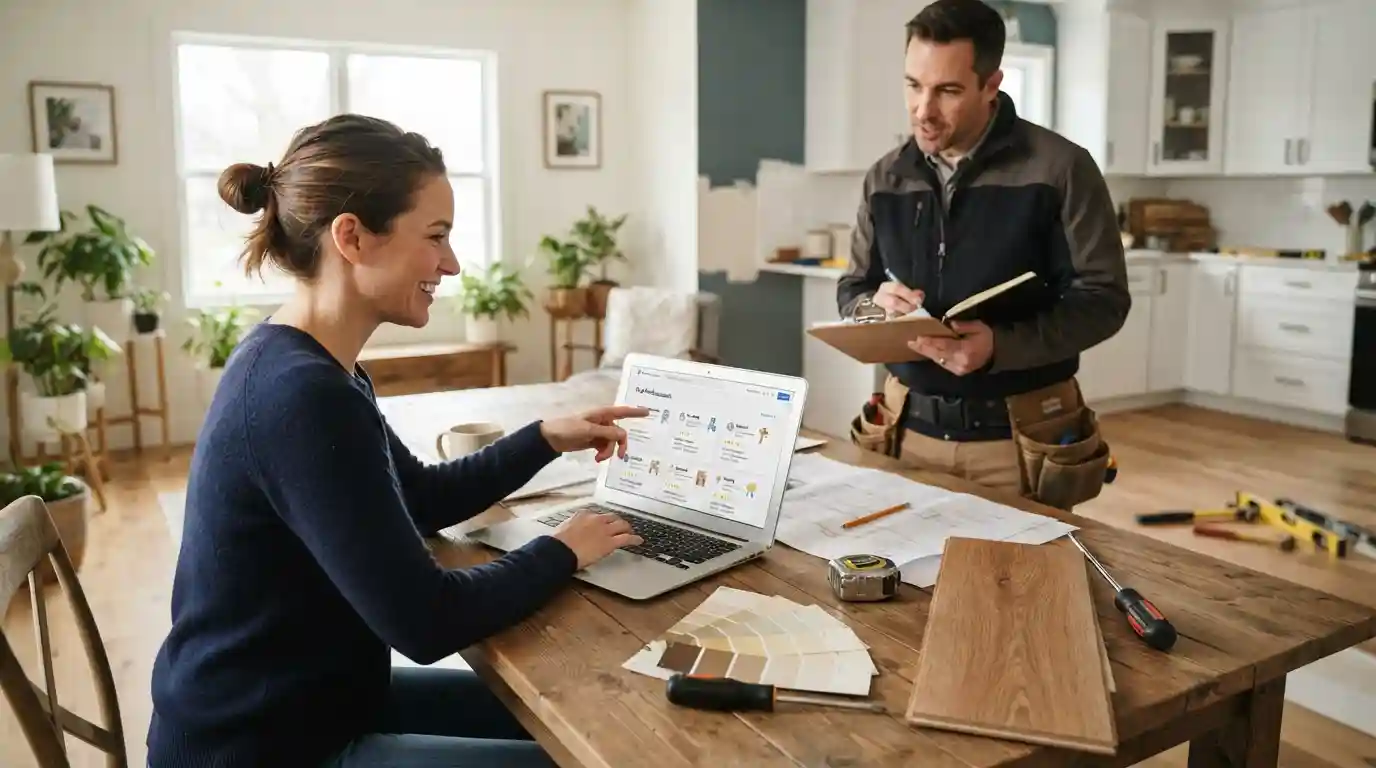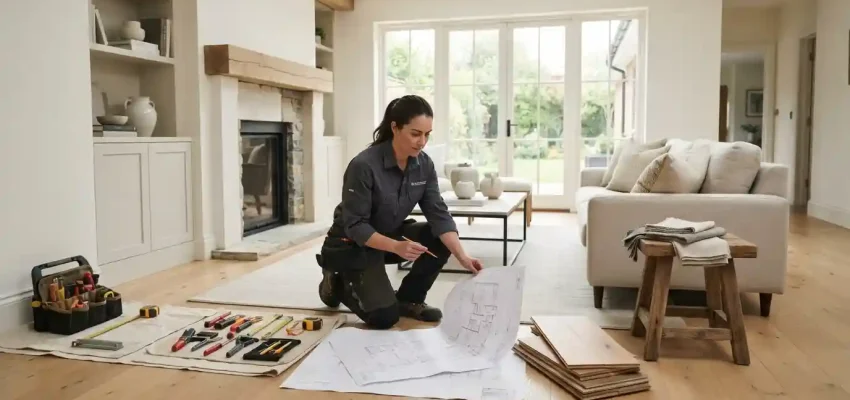

Professional home service providers can help homeowners address everything from interior improvements and property maintenance to larger renovation and expansion projects. The right approach combines practical planning, skilled workmanship, suitable materials, and clear communication from the beginning.
Whether you are refreshing one room or planning a broader improvement project, understanding the available services can help you decide what your home actually needs.
What Are Premier Home Services?
Premier home services generally refer to professional solutions designed to maintain, repair, improve, renovate, or enhance residential properties. Depending on the provider, services may include general repairs, remodeling, home expansions, painting, flooring, landscaping, electrical work, plumbing, exterior improvements, and other property-related projects.
The objective is not simply to complete an individual task. A well-managed home improvement project should improve functionality while also fitting naturally into the existing property.
For homeowners exploring broader improvement options, home expansion services can provide ideas for creating additional usable space without necessarily moving to another property.
Why Professional Home Services Matter
Some home maintenance tasks are suitable for homeowners to handle themselves, but larger projects can require specialized knowledge and careful coordination. Professional services can bring experience to areas where mistakes may result in additional costs, delays, or damage.
A structured approach can also make it easier to define the scope of work before construction or renovation begins. Instead of making decisions as problems appear, homeowners can establish priorities, materials, timelines, and expected outcomes in advance.
This becomes especially useful when several improvements are being completed at the same time. A coordinated project can reduce unnecessary disruption and help different stages of the work fit together.
Home Renovation and Remodeling
Renovation is one of the most common reasons homeowners seek professional services. A dated kitchen, inefficient bathroom, worn flooring, or poorly arranged living area can affect both comfort and everyday usability.
A successful renovation starts with understanding how the space is currently used. From there, homeowners can identify what needs to change and what should remain. Design decisions should balance appearance with durability, maintenance requirements, storage, lighting, and practical movement through the room.
For homeowners interested in broader home improvement ideas, the changing home services marketplace offers useful context about how homeowners increasingly approach improvement projects and professional services.
Expanding Your Living Space
Sometimes remodeling an existing room is not enough. A growing household, home office requirement, guest accommodation, or changing lifestyle may create a need for additional square footage.
Home expansion can take several forms. Depending on the property, homeowners may consider extending a room, adding another floor, converting an underused area, or creating a dedicated living space.
Before starting an expansion project, it is important to evaluate the existing structure, available space, budget, design requirements, and applicable local requirements. A thoughtful plan can help prevent expensive changes after construction has already begun.
Homeowners comparing expansion approaches can also explore different home expansion possibilities before deciding which type of project best fits their property.
Interior Design and Space Planning
A home improvement project is not only about construction. The way rooms are arranged can have a major effect on how comfortable and functional a property feels.
Interior planning can address furniture placement, lighting, storage, color combinations, flooring, decorative elements, and the relationship between adjoining rooms. Even relatively simple changes can make an existing space feel more organized.
Furniture also plays an important role in completing a renovated interior. Homeowners looking for furniture-related inspiration can explore living-space furniture solutions when planning entertainment areas and other shared spaces.
Similarly, timeless furniture ideas can provide inspiration for combining practical pieces with a cohesive interior style.
Making the Home More Functional
Good home improvement is not simply about making a property look newer. Functionality should be one of the main considerations.
A practical renovation might create additional storage, improve circulation between rooms, introduce better lighting, modernize an outdated kitchen, or make an underused room more useful. Small improvements can sometimes have a surprisingly large effect on everyday comfort.
Homeowners should therefore consider how they actually use each space before selecting finishes or decorative features. A beautiful room that does not work for the household’s daily needs may quickly become frustrating.
Exterior Improvements and Outdoor Living
Home improvement does not stop at the front door. Outdoor areas can become valuable extensions of the living environment when they are planned properly.
Landscaping, patios, seating areas, outdoor lighting, fencing, and other exterior improvements can make a property more enjoyable while creating a stronger visual connection between indoor and outdoor spaces.
For homeowners considering property improvements as part of a broader real estate strategy, exploring real estate improvement considerations can provide additional perspective on how property features relate to long-term ownership goals.
Repairs and Preventive Maintenance
Not every home service project requires a major renovation. Regular repairs and preventive maintenance are equally important for protecting a property.
Small issues such as damaged fixtures, minor leaks, worn surfaces, electrical problems, or deteriorating exterior elements can become more expensive when ignored. Addressing problems early can help homeowners avoid larger repair projects later.
A sensible maintenance plan should prioritize issues that affect safety, structural integrity, water management, electrical systems, and essential household functions.
Home service providers can also help homeowners identify which improvements require immediate attention and which projects can reasonably be planned for a later stage.
Energy Efficiency and Smarter Home Improvements
Energy efficiency has become an increasingly important consideration when improving a home. Better insulation, efficient lighting, improved windows, modern appliances, and appropriate heating or cooling solutions can contribute to a more comfortable indoor environment.
Smart home technology can also support convenience and efficiency. Connected lighting, thermostats, security systems, and other devices can give homeowners greater control over different parts of their property.
When selecting technology, however, homeowners should focus on genuine household needs rather than adding devices simply because they are available. Systems should be easy to operate, maintain, and integrate into the existing home.
For broader environmental context, homeowners interested in sustainability can also read about global climate change and its wider implications when considering long-term efficiency and environmental choices.
How to Choose a Reliable Home Service Provider
Choosing the right contractor or home service provider is one of the most important decisions in any improvement project. Price matters, but it should not be the only consideration.
Start by clearly defining the work you need. Ask potential providers about their experience with similar projects, expected timelines, materials, warranties, and payment schedules.
It is also useful to compare written estimates rather than relying solely on verbal promises. A detailed estimate can make it easier to understand what is included and identify potential additional costs.
Homeowners should also look for evidence of professional experience, appropriate licensing or insurance where applicable, clear communication, and a willingness to explain the work before it begins.
Planning Your Home Improvement Budget
A realistic budget should account for more than the basic labor and material costs. Depending on the project, homeowners may also need to consider design work, permits, disposal, temporary accommodation, equipment, finishing work, and unexpected repairs.
It is generally better to establish priorities before committing to optional upgrades. Essential structural, electrical, plumbing, or safety-related work should take precedence over purely decorative improvements.
Property owners considering home improvements alongside broader real estate decisions may also find it useful to explore property planning and real estate considerations before committing to major changes.
Home Improvement and Property Value
Some improvements can make a property more attractive to future buyers, but homeowners should distinguish between improvements made for personal enjoyment and projects intended primarily to support resale.
Functional kitchens, updated bathrooms, well-maintained exteriors, useful storage, efficient systems, and flexible living areas can contribute to a property’s overall appeal. However, overly personalized upgrades may not suit every future buyer.
For homeowners researching property markets, resources such as real estate transaction considerations can provide a broader perspective when thinking about property ownership and investment.
Other regional property resources, including Sayner real estate opportunities, can also demonstrate how location and property characteristics influence real estate decisions.
When to Consider Professional Help
Professional assistance becomes particularly valuable when a project involves structural changes, complex systems, extensive remodeling, multiple trades, or significant investment.
For smaller tasks, a homeowner may only need a specialist for a particular part of the project. For larger renovations, a coordinated team can help manage the relationship between design, materials, construction, finishing, and inspection requirements.
Homeowners looking at service-based solutions can also learn from professional home service approaches and consider how different types of providers structure their work.
For property owners researching home-related services more broadly, home-based service models also illustrate the importance of reliability, communication, and customer-focused support.
Common Mistakes to Avoid
Even well-planned projects can encounter problems when homeowners rush important decisions. One common mistake is choosing a provider based solely on the lowest initial quote.
Another is changing the scope of work repeatedly after construction has started. Frequent changes can increase costs and extend timelines.
Homeowners should also avoid selecting materials without considering durability and maintenance. A finish may look attractive initially but prove unsuitable for the room’s daily use.
Finally, do not overlook the importance of communication. Everyone involved should understand the project’s scope, schedule, responsibilities, and expectations before work begins.
Creating a Long-Term Home Improvement Plan
Not every improvement needs to happen at once. A long-term plan can help homeowners divide larger projects into manageable stages.
For example, a property owner might first address essential repairs, then improve insulation or other efficiency-related areas, followed by kitchen or bathroom remodeling and finally cosmetic upgrades.
This approach can make budgeting easier while allowing each project to build toward a more comfortable and functional home.
Homeowners who are interested in the wider home improvement ecosystem can also explore premier home services as part of their ongoing research into property maintenance and improvement.
Final Thoughts
Premier home services can cover a wide range of needs, from routine maintenance and repairs to remodeling, space expansion, interior improvements, and outdoor projects. The most successful results usually begin with a clear understanding of the home’s needs and a realistic plan for completing the work.
Whether you are updating a single room or transforming an entire property, focus on functionality, quality, durability, communication, and long-term value. Choosing experienced professionals for complex work can also make the process easier to manage.
With careful planning and the right approach, home improvement becomes more than a collection of individual projects. It can be a practical way to create a property that better supports your lifestyle today while remaining adaptable for the future.
Related Home and Property Resources
- Home Expansion Services
- Online Home Services Marketplace
- Furniture and Living Space Ideas
- Lifestyle Furniture Ideas
- Real Estate Opportunities
- Masthope Real Estate
- Berkshire Real Estate Transactions
- Sayner Real Estate
- Helping Hands Home Services
- Allcare Home Health Services
- Planning Home Expansion
- Environmental Considerations for Homeowners
- Premier Home Services