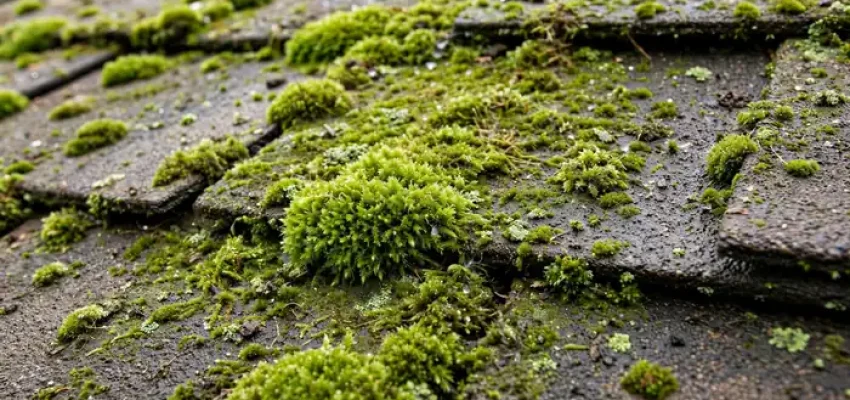

Those green, fuzzy patches spreading across your shingles are more than an eyesore — roof moss holds moisture against your roofing material, and over time that moisture breaks down shingles, lifts edges, and creates entry points for water. Learning effective roof moss removal methods in USA homes protects your roof’s lifespan and your wallet. The good news: with the right approach, moss removal is straightforward, affordable, and highly effective when done correctly.
Moss thrives in the damp, shaded conditions common across the Pacific Northwest, the Northeast, the Great Lakes region, and any tree-covered neighborhood in America. It starts as a thin green film, then develops into thick cushions that act like sponges, keeping your roof perpetually wet. Left untreated, moss shortens shingle life by years and can void manufacturer warranties. This guide covers every proven roof moss removal method, what to avoid, and how to keep moss from coming back.
Why Moss Damages Your Roof
Moss damages roofs through sustained moisture retention. A healthy shingle sheds water quickly; a moss-covered shingle stays damp for days after rain. That prolonged wetness accelerates granule loss on asphalt shingles — the granules are the UV-protective armor, and once they wash away, the shingle deteriorates rapidly. On wood shake roofs, constant moisture promotes rot and fungal decay.
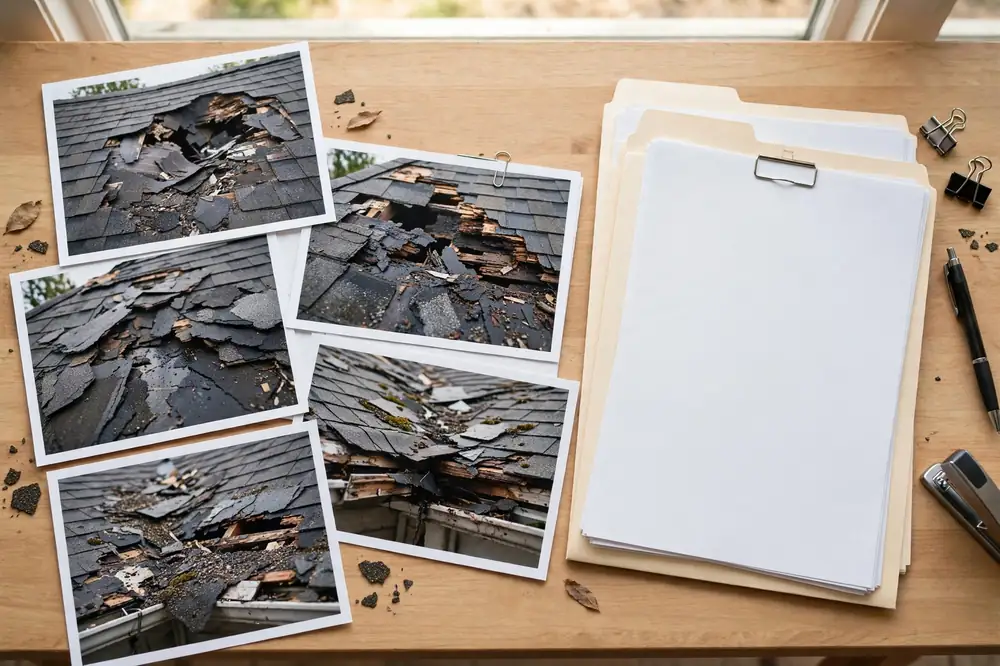
Moss also causes physical damage. As moss colonies grow, their tiny root-like structures (rhizoids) work into and under shingle edges, gradually lifting them. Lifted shingles are vulnerable to wind damage and allow water to penetrate beneath. In freezing climates, water trapped under moss expands when frozen, prying shingles apart further — a destructive cycle. If you are already seeing lifted or curled shingles, review roof leak repair cost in USA before the problem escalates.
Beyond structural damage, moss hurts energy efficiency and curb appeal. A mossy roof absorbs more heat, looks neglected, and can reduce your home’s resale value. Some homeowner associations even require moss removal as part of property maintenance standards.
Roof Moss Removal Methods That Work
Method 1: Gentle Brushing (Best for Light Moss)
For thin, early-stage moss, a soft-bristle brush or broom is the safest removal method. Work from the top down, brushing gently in a downward motion — never scrub upward against the shingle overlap, which can lift shingles and break their seal. A long-handled brush lets you work from a ladder without walking on the roof.
Brushing alone rarely kills moss at the root level, so treat it as step one followed by a preventive treatment (see below). It is ideal as routine maintenance every year or two in moss-prone areas. Cost: free if you own a brush, or under $30 for a good long-handled soft brush. Always prioritize safety — wet roofs are slippery, and falls are the leading cause of DIY roofing injuries.
Method 2: Zinc Sulfate Treatment (Most Popular DIY)
Zinc sulfate powder is the most widely used DIY moss killer in the USA. Applied to a dry roof (so it sticks), it slowly dissolves with rain and dew, killing moss over several weeks. Moss turns brown and loosens, then washes away naturally or can be gently brushed off after a month.
Application is simple: on a calm, dry day, sprinkle zinc sulfate powder along the roof ridge and in mossy areas — about 3 to 5 pounds per 1,000 square feet. Wear gloves, eye protection, and a dust mask. Keep the powder off plants and landscaping below, as zinc can harm vegetation in concentrated amounts. Cost: $20 to $40 for enough to treat an average roof. Results appear in 3 to 6 weeks.
Zinc works because moss is highly sensitive to zinc ions while roofing materials are not. It is the same principle behind zinc strips (below). For heavily shaded north-facing slopes where moss is aggressive, zinc sulfate is often the most practical first-line treatment.
Method 3: Oxygen Bleach Solution (Effective and Eco-Friendly)
Oxygen bleach (sodium percarbonate, sold as OxiClean and similar) kills moss without the environmental concerns of chlorine bleach. Mix according to package directions — typically 4 to 6 ounces per gallon of water — and apply with a garden sprayer on a cool, overcast day. Let it sit for 20 to 45 minutes, keeping the roof damp, then rinse gently with a garden hose (low pressure, top-down).
Oxygen bleach is biodegradable and safe for plants, pets, and waterways when used as directed, making it the best choice near gardens, wells, or environmentally sensitive areas. It is highly effective on moderate moss and also removes the dark algae streaks common on American roofs. Cost: $15 to $30. Avoid doing this on very hot sunny days, which cause the solution to dry before it works.
Method 4: Commercial Moss Killers (Strongest DIY Option)
Products containing potassium salts of fatty acids or d-limonene are formulated specifically for roof moss and are available at every American home improvement store. Brands like Moss B Ware, Lilly Miller Moss Out, and Wet & Forget are proven performers. Follow label directions exactly — most are spray-on, leave-on formulas that kill moss over days to weeks.
These products cost $25 to $60 per treatment and are the strongest option short of hiring a professional. They are particularly useful for thick, established moss that brushing and zinc sulfate struggle with. Read labels for plant-safety warnings and keep pets off the roof until the product has been rained on at least once.
Method 5: Professional Soft-Wash Treatment (Best for Heavy Infestation)
For severe moss covering large roof areas, hire a professional roof cleaning company. Reputable pros use “soft washing” — low-pressure application of professional-grade algaecides and moss killers, followed by gentle rinsing. This is dramatically different from pressure washing (see warnings below) and is safe for all roofing materials when done correctly.
Professional treatment costs $300 to $800 for an average American home, depending on roof size and moss severity. The advantages: thorough coverage, commercial-strength products, no risk to you, and often a 1- to 2-year no-regrowth guarantee. If your roof has not been cleaned in a decade and moss is thick, this is money well spent. Vet companies carefully — ask specifically about soft-wash methods and check reviews.
Methods to AVOID: What Damages Your Roof
Never Pressure-Wash Your Roof
This is the number one mistake homeowners make. Pressure washers strip granules from asphalt shingles, crack tiles, force water under roofing materials, and void manufacturer warranties. The roof may look clean, but you have just removed years from its life. If a “roof cleaning” company proposes pressure washing, find a different company. The only exception: some concrete tile roofs can handle careful low-pressure washing by experienced pros — but never as a DIY project.
Avoid Chlorine Bleach
Household chlorine bleach kills moss, but it also corrodes metal flashing, gutters, and fasteners, kills landscaping runoff contacts, and can discolor roofing materials. The runoff is toxic to plants, pets, and waterways. Oxygen bleach achieves similar results without these downsides. There is no reason to use chlorine bleach on a roof in 2026.
Do Not Scrape Aggressively
Metal scrapers, wire brushes, and aggressive scraping gouge shingles, remove protective granules, and create more damage than the moss itself. If moss is so thick that gentle brushing does not work, use a chemical treatment first to kill and loosen it, then brush gently. Patience beats force every time with roof moss.
Preventing Moss From Coming Back
Removal without prevention means repeating the job every year or two. These long-term strategies keep moss away:
Install Zinc or Copper Strips
Metal strips installed along the roof ridge release ions with each rain, creating a moss-hostile zone extending 10 to 15 feet down the slope. Zinc strips cost $50 to $150 in materials for an average roof; copper strips cost more but last longer and are even more effective. This is the single best long-term prevention method, widely used across the Pacific Northwest. Install strips after cleaning the roof, not before — they prevent regrowth but do not remove existing moss.
Trim Overhanging Branches
Moss loves shade and the organic debris that trees drop. Trimming branches back so sunlight reaches your roof is free prevention that also reduces leaf buildup in gutters and lowers the risk of branch-impact damage. Aim for at least 6 to 10 feet of clearance. This also improves roof ventilation by allowing better airflow.
Improve Sunlight and Airflow
Beyond trimming, consider whether structures, fences, or neighboring buildings create permanent shade on your roof. While you cannot move buildings, you can prioritize preventive treatments on chronically shaded slopes. North-facing roof slopes in the northern hemisphere get the least sun and need the most attention — inspect them every spring.
Schedule Regular Maintenance
In moss-prone regions, plan on light preventive treatment every 1 to 2 years — far cheaper and easier than dealing with heavy infestation. A quick zinc sulfate application each fall takes an hour and costs under $30. Combine this with your regular roof inspection routine for maximum roof life.
Moss on Different Roofing Materials
Asphalt shingles: Most common moss problem in the USA. Use gentle methods only — no pressure washing, no aggressive scraping. Zinc treatments work excellently. If moss has caused significant granule loss, the shingles may need replacement rather than cleaning; compare with metal roof vs shingles if you are considering an upgrade.
Wood shakes: Moss and wood are a bad combination — constant moisture accelerates rot. Clean gently and consider professional treatment. In heavily shaded, damp climates, wood shakes may simply be the wrong material; replacement with a more moss-resistant option often makes sense long-term.
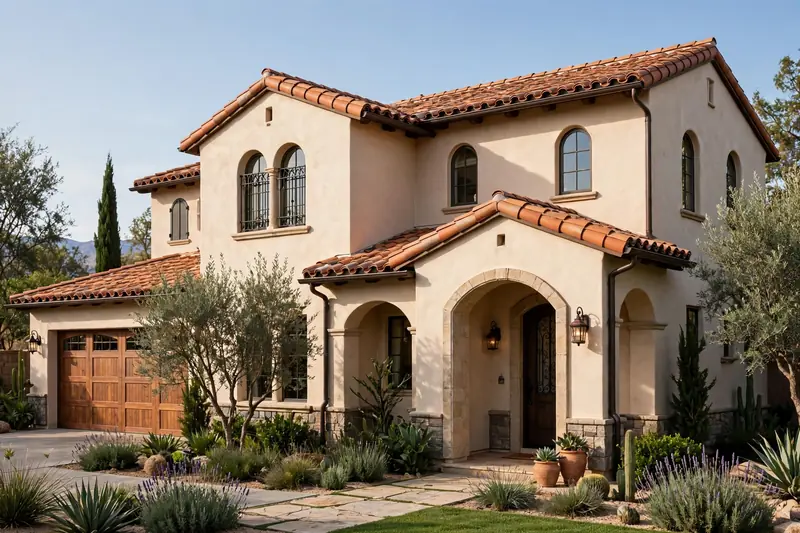
Tile roofs: Tile roofs resist moss better than shingles but are not immune, especially in damp climates. Never pressure-wash tile. Oxygen bleach and gentle brushing are safe. Walk on tiles carefully or hire pros to avoid cracking.
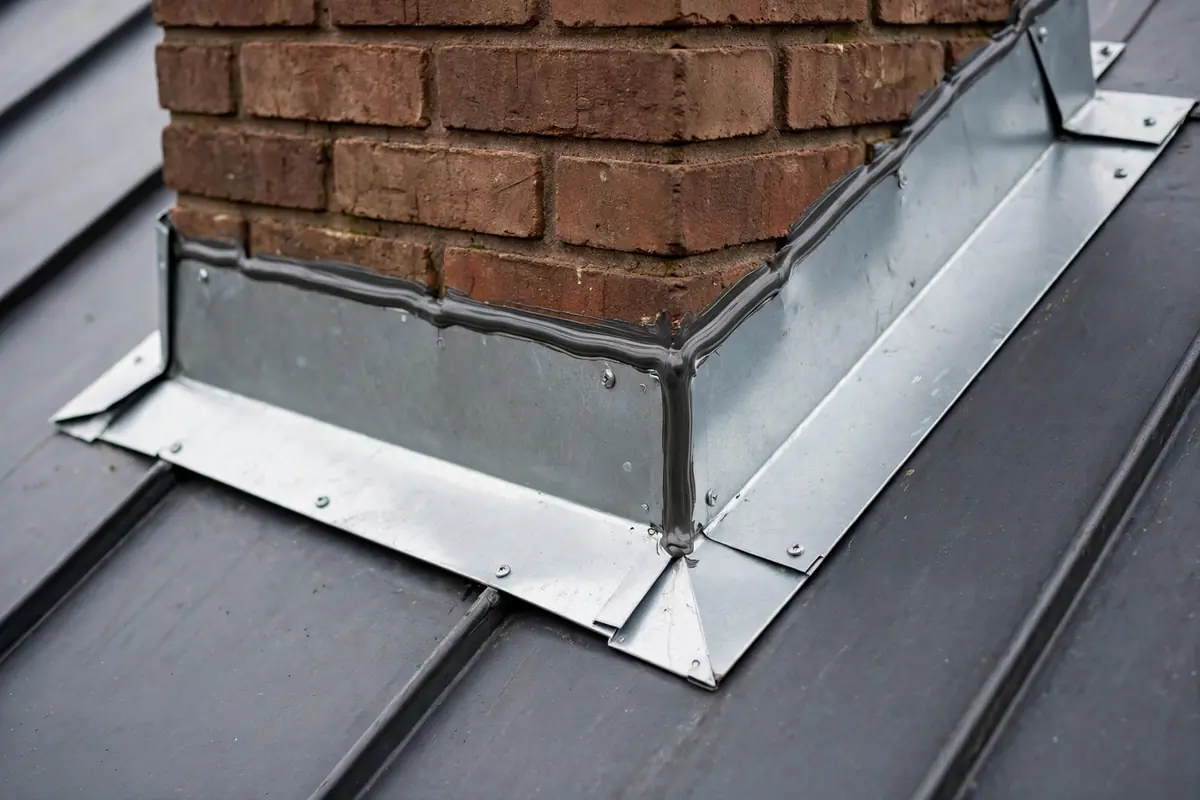
Metal roofs: Moss rarely establishes on metal due to the smooth surface and rapid water shedding — one of metal’s many advantages. If moss appears, it is usually in debris piles at valleys or behind penetrations; clean the debris and the moss goes with it.
When Moss Signals Bigger Problems
Sometimes moss is a symptom, not the disease. If moss returns aggressively despite treatment, investigate underlying causes: poor drainage keeping the roof wet, inadequate roof ventilation trapping moisture, or failing shingles whose rough, granule-depleted surface invites colonization. A roof near the end of its life (see roof lifespan by material) will grow moss faster because the deteriorated surface holds moisture.
If cleaning reveals widespread shingle damage — bald spots, curling, cracking, or soft areas — the roof may need professional assessment rather than just cleaning. Do not spend $500 cleaning a roof that needs $12,000 in replacement six months later. An honest roof inspection distinguishes cosmetic moss from structural decline.
Frequently Asked Questions
How often should I treat my roof for moss?
In high-risk areas (Pacific Northwest, Northeast shade), preventive treatment every 12 to 18 months. In moderate areas, every 2 to 3 years. After installing zinc strips, you may stretch to 3 to 5 years between treatments.
Will moss damage void my roof warranty?
It can. Most shingle manufacturers require “proper maintenance,” and documented neglect — including unchecked moss growth — can be grounds for warranty denial. Keep records of your cleaning and treatments. If you ever need to file a roof insurance claim, maintenance records also strengthen your position.
Is it safe to walk on a mossy roof?
Moss is extremely slippery when wet — one of the most dangerous roof surfaces to walk on. If you must access the roof, do it when completely dry, wear soft-soled shoes, and use proper fall protection. When in doubt, hire a professional. No cleaning job is worth a fall.
Effective roof moss removal methods protect one of your home’s most expensive systems for a modest investment of time and money. Start gentle, avoid pressure washers and bleach, treat preventively, and address underlying moisture issues. Your shingles — and your wallet — will thank you for decades.