
When homeowners in the Sun Belt think about roofing, clay and concrete tiles often come to mind first — those distinctive curved profiles on Mediterranean-style homes across Florida, California, Arizona, and Texas. But are tile roofs worth their premium price? This honest look at tile roof pros and cons in USA homes covers costs, lifespan, performance in American climates, maintenance demands, and which households benefit most, so you can decide whether tile is right for your roof.
Tile roofing has been used for thousands of years, and for good reason: few materials match its combination of beauty and longevity. A well-installed tile roof can last a century, outliving the house’s owners several times over. But tile is also one of the heaviest and most expensive residential roofing options in the USA, and it is not ideal for every climate or every home. Understanding the real tile roof pros and cons helps you make a confident, informed decision.
What Are Tile Roofs Made Of?
Residential tile roofs in the USA come in two main varieties: clay tile and concrete tile. Clay tiles are made from natural clay fired in kilns, producing the classic terracotta color, though modern manufacturing offers many colors and finishes. Concrete tiles are made from a mixture of cement, sand, and water, molded under high pressure. Both types come in similar profiles — flat, S-shaped (Spanish), and barrel (Mission) styles.
Clay tile is the premium option, typically costing 20 to 30 percent more than concrete. It holds its color permanently because the pigment runs through the entire tile, and it resists fading even under intense UV exposure. Concrete tile is more affordable and comes in a wider range of colors, but surface-applied colors can fade over decades. Both materials share the same fundamental tile roof pros and cons regarding weight, durability, and installation requirements.
There are also lightweight composite tiles made from recycled plastics and rubber that mimic the look of clay or concrete at a fraction of the weight. These products are worth considering if your home’s structure cannot support real tile — more on weight below. When comparing options, our guide on metal roof vs shingles cost comparison covers the other premium roofing choice many homeowners weigh against tile.
Tile Roof Pros
Exceptional Lifespan
The standout advantage is longevity. Clay tile roofs routinely last 75 to 100 years; concrete tiles last 50 to 75 years. Compare that to asphalt shingles (20 to 30 years) or even metal roofing (40 to 70 years). A tile roof installed today may never need replacement in your lifetime — or your children’s. Over a century of homeownership, the lifetime cost of tile can actually be lower than replacing shingles three or four times. For context on typical roof lifespans by material, see how long a roof lasts in USA by material.
Superior Fire Resistance
Tile is non-combustible and carries a Class A fire rating, the highest available. In wildfire-prone regions of California, Arizona, and Colorado, this is a major selling point — and in some high-risk zones, building codes effectively require Class A roofing. Insurance companies often offer meaningful discounts for tile roofs in fire zones. If wildfire protection is a priority, tile is among the safest choices available.
Excellent in Hot Climates
Tile’s thermal properties make it ideal for hot American climates. The curved profile creates natural air channels between the tile and the roof deck, allowing heat to dissipate rather than transferring into your attic. Studies show tile roofs can reduce heat transfer by up to 70 percent compared to asphalt shingles, cutting cooling costs significantly. Light-colored tiles reflect even more solar energy. Homeowners in Phoenix, Las Vegas, Miami, and Houston see real energy savings. For more on heat performance, read best roofing materials for hot climates in USA.
Distinctive Curb Appeal
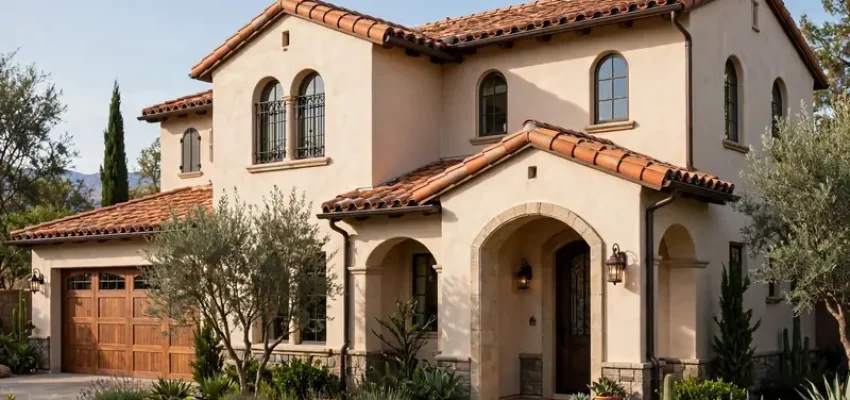
Few roofing materials match tile’s visual impact. The rich texture, deep shadows, and classic profiles give homes an unmistakable character that suits Mediterranean, Spanish Colonial, Mission, and Southwestern architectural styles. In neighborhoods where tile is common, a tile roof protects and even enhances property values — appraisers and buyers recognize the premium. A tile roof signals quality in a way shingles simply cannot.
Low Maintenance Requirements
Tile itself needs very little maintenance. It does not rot, rust, or attract insects. It resists UV degradation far better than asphalt. Occasional inspections to check for cracked or slipped tiles — perhaps every few years or after major storms — are usually sufficient. Individual damaged tiles can be replaced without disturbing the surrounding roof, making repairs straightforward and affordable compared to the initial installation.
Environmentally Friendly
Clay and concrete are natural, abundant materials. At the end of a tile roof’s very long life, the tiles can be crushed and recycled as aggregate. The extreme longevity also means far less roofing waste sent to landfills over time compared to shingles, which generate millions of tons of tear-off waste annually in the USA. For eco-conscious homeowners, tile’s lifecycle footprint is among the best of any roofing material.
Tile Roof Cons
Very High Upfront Cost
The biggest drawback is price. Tile roof installation in the USA typically costs $15,000 to $35,000 for an average home — roughly two to three times the cost of asphalt shingles. Clay tile runs $10 to $18 per square foot installed; concrete tile runs $8 to $14 per square foot. For large or complex roofs, costs can exceed $50,000. This is a serious capital investment that prices tile out of reach for many homeowners, even though lifetime costs compare favorably.
Extreme Weight Requires Structural Support
Tile is the heaviest common roofing material: clay tile weighs 600 to 1,100 pounds per square (100 sq ft); concrete tile weighs 700 to 1,200 pounds per square. Most American homes built for shingles cannot support this load without structural reinforcement — adding engineered trusses, beefed-up rafters, or additional support walls. A structural engineer’s assessment ($300 to $600) is essential before committing, and reinforcement can add $5,000 to $15,000 to the project. This is the single biggest hidden cost of tile roofing.
Fragile Under Foot Traffic
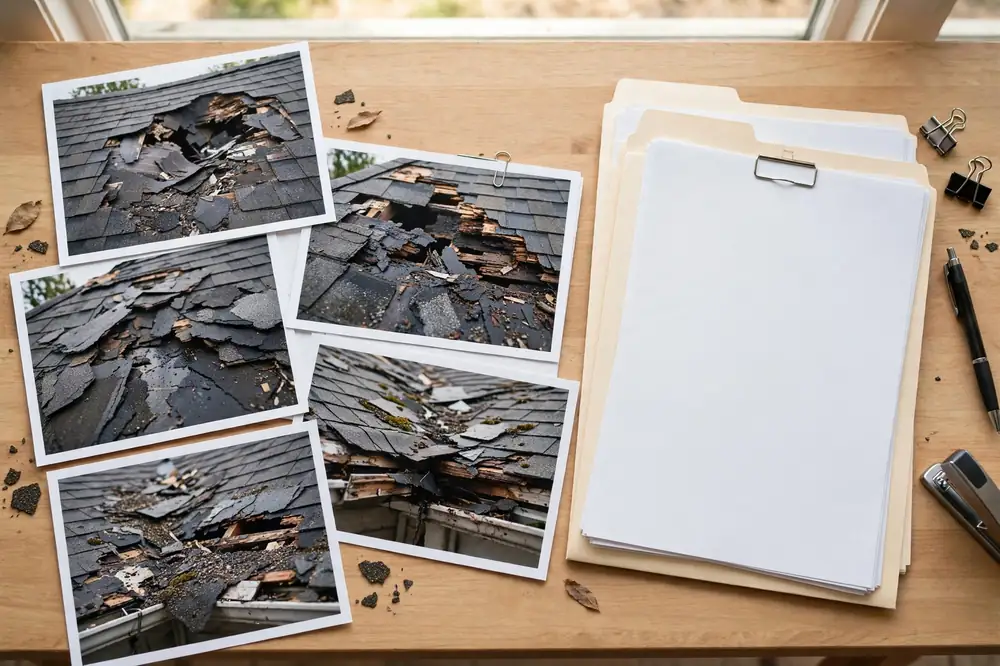
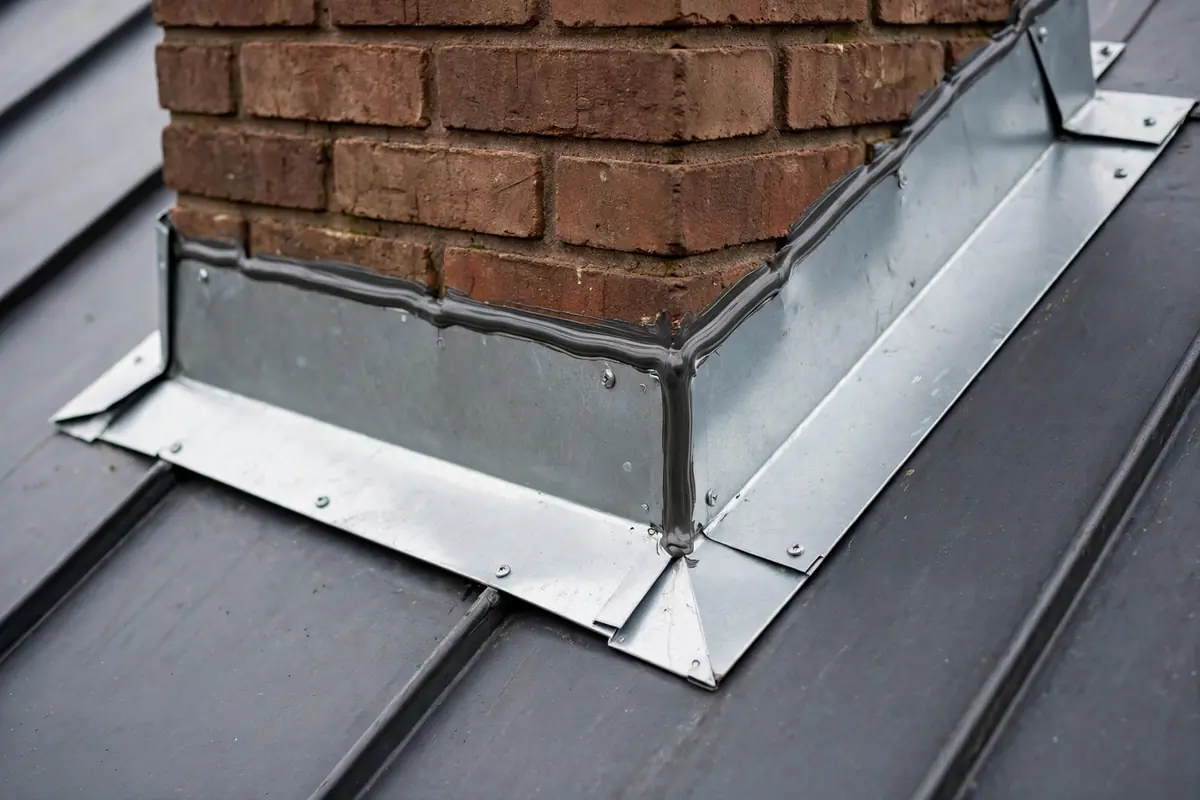
Individual tiles can crack if walked on improperly. This makes DIY maintenance risky and means any contractor working on your roof — for skylight installation, solar panels, or roof flashing repair — must know how to walk on tile (stepping on the lower third of each tile, distributing weight). Cracked tiles from careless foot traffic are a common and avoidable repair. Always hire contractors experienced with tile roofs.
Not Ideal for Cold or Freeze-Thaw Climates
Tile performs poorly where freeze-thaw cycles are frequent. Water absorbed into porous tiles expands when frozen, causing cracking and spalling over time. While high-density tiles rated for freeze-thaw exist, tile remains rare in the northern USA for good reason. If you live in the Midwest, Northeast, or Mountain West, discuss freeze-thaw ratings carefully with your contractor — or consider alternatives better suited to cold climates, along with ice dam prevention strategies.
Complex, Specialized Installation
Tile roofing is not a job for a general shingle crew. Proper installation requires specialized knowledge: correct battens and fastening patterns, proper headlap for your roof pitch, valley and hip details specific to tile, and underlayment selection (critical, since underlayment — not tile — is the actual waterproofing layer). A poorly installed tile roof leaks just like any other roof. Vet contractors carefully using our guide on how to choose a roofing contractor in USA, and insist on tile-specific experience and references.
Underlayment Replacement Needed Mid-Life
Here is the catch many homeowners miss: while tiles last 75 to 100 years, the underlayment beneath them typically lasts only 20 to 40 years. At some point, the entire tile roof must be removed, underlayment replaced, and tiles reinstalled — a major project costing roughly half of a new tile roof. Budget for this “lift and relay” around year 25 to 35. Quality synthetic underlayment can extend this interval, so specify premium underlayment at initial installation.
Clay vs Concrete Tile: Which Should You Choose?
Clay tile costs more but offers permanent color, slightly better longevity, and the authentic look purists prefer. It is the traditional choice for high-end Mediterranean homes and historic restorations. Concrete tile costs less, offers more color options, and performs nearly as well in most respects. For most American homeowners, concrete tile delivers 90 percent of clay’s benefits at 70 percent of the price.
Consider your home’s architecture: clay’s natural color variations suit historic and luxury homes, while concrete’s uniform colors work well for newer construction. In coastal areas, verify salt-spray resistance ratings. Either way, insist on tiles rated for your wind zone — Florida’s building code, for example, requires tile systems tested to 170+ mph wind resistance. If hurricanes are a concern, also review how to prepare your roof for hurricane season.
Is a Tile Roof Worth It for Your Home?
Tile makes the most sense if you live in a hot climate (Florida, Texas, Arizona, California, Nevada), own a Mediterranean or Spanish-style home, plan to stay for decades, value fire resistance, and your structure can support the weight (or you can afford reinforcement). The energy savings, longevity, and curb appeal combine into a compelling package for the right home.
Skip tile if you are on a tight budget, live in a freeze-thaw climate, have a home that cannot structurally support the weight without prohibitive reinforcement costs, or plan to sell within 10 years (you will not recoup the premium). In those cases, architectural shingles or metal roofing deliver better value. Get a structural assessment and three detailed quotes before deciding — and make sure each quote specifies tile type, underlayment grade, and fastening method.
Maintaining Your Tile Roof
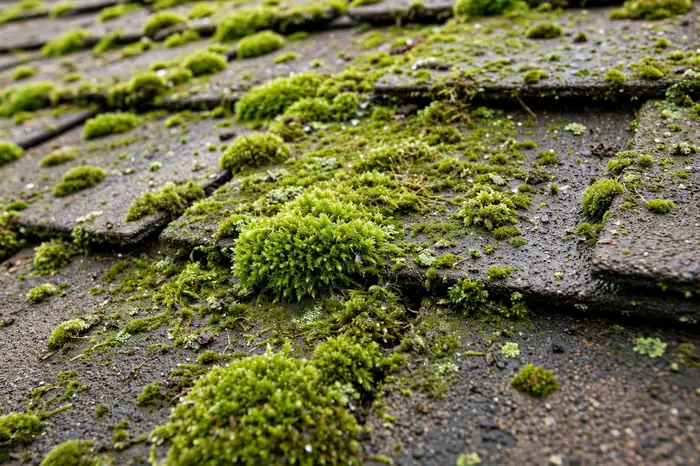
Annual or biennial inspections catch cracked, slipped, or broken tiles before leaks develop. Keep valleys and gutters clear — debris buildup traps moisture against underlayment. Never pressure-wash tile roofs; the force drives water under tiles and can crack them. For organic growth, use gentle treatments as described in roof moss removal methods in USA. Trim overhanging branches to reduce debris and impact damage. With basic care, your tile roof will protect your home for generations.
Frequently Asked Questions
Can tile roofs handle hail?
Concrete and clay tiles resist moderate hail well, but large hailstones can crack tiles. The good news: individual tiles are replaceable, so hail damage is usually a repair rather than a replacement. After major hail, get an inspection — some cracks are hairline and easy to miss. Our hail damage roof repair guide covers the claims process.
Do tile roofs need special gutters?
Not necessarily, but the roof’s weight and water-shedding characteristics should be considered. Oversized gutters handle tile’s rapid water runoff better during heavy rain. If your gutters are aging, coordinate replacement using our gutter installation cost guide.
Will a tile roof lower my insurance?
Often yes, particularly in fire-prone and hail-prone regions. Class A fire rating and impact-resistant tile options can earn discounts of 5 to 20 percent. Ask your insurer specifically about tile roof credits before installation — and document everything for filing a roof insurance claim if storm damage ever occurs.
Weighing tile roof pros and cons for USA homes comes down to climate, architecture, budget, and how long you plan to stay. For the right home in the right region, tile is unmatched — a century-long investment in beauty, safety, and energy efficiency. For others, the weight and cost make alternatives the smarter choice. Either way, professional installation by a tile-experienced contractor makes all the difference.