
Bathroom flooring takes more abuse than any other floor in your home — standing water, steam, splashes, and constant humidity. When planning a bathroom update, two popular options dominate the conversation: tile and laminate. Understanding tile vs laminate in bathrooms helps USA homeowners weigh waterproofing, cost, durability, and style to make the right choice.
Both materials have loyal fans and real tradeoffs. Tile is the traditional bathroom champion — waterproof, durable, and timeless. Laminate has improved dramatically, with waterproof options now challenging tile’s dominance at a lower price. This guide compares tile vs laminate in bathrooms across every factor that matters: cost, water resistance, installation, maintenance, lifespan, and resale value.
Tile vs Laminate in Bathrooms: Quick Comparison
Tile: $5–$15 per square foot installed. Fully waterproof (porcelain), lasts 20+ years, huge style range, cold and hard underfoot, professional installation recommended, grout requires maintenance.
Laminate: $2–$6 per square foot installed (waterproof laminate $4–$8). Water-resistant to waterproof depending on type, lasts 10–15 years, convincing wood looks, warmer and softer than tile, DIY-friendly, no grout lines.
The core of the tile vs laminate in bathrooms debate is water. Bathrooms are wet environments, and how each material handles moisture determines everything else. Let us dig into each factor.
Water Resistance: Tile Wins
This is the most important factor in the tile vs laminate in bathrooms comparison, and tile wins decisively. Porcelain tile is impervious to water — it can sit submerged without damage. Properly installed tile with sealed grout creates a waterproof surface that handles showers, tub splashes, and plumbing leaks without worry. This is why tile has been the default bathroom flooring for centuries.
Standard laminate and water are enemies. Traditional laminate swells, warps, and delaminates when water penetrates seams. However, waterproof laminate — a newer category with sealed edges and water-resistant cores — performs dramatically better. Quality waterproof laminate survives surface water and humidity well, though standing water in seams for extended periods can still cause issues. For a bathroom with a separate shower (minimal floor water), waterproof laminate is viable. For a kid’s bathroom with daily splash zones, tile is safer.
If moisture is your top concern, our best flooring for basements USA guide covers similar waterproofing logic for another wet-prone area.
Cost: Laminate Wins
On cost, the tile vs laminate in bathrooms comparison favors laminate strongly. Laminate materials cost $1 to $3 per square foot; professional installation adds $1 to $3 more. Total: $2 to $6 per square foot. Waterproof laminate runs $3 to $5 for materials, $4 to $8 installed.
Tile materials range from $1 (basic ceramic) to $20+ (designer porcelain, natural stone) per square foot. Installation is labor-intensive — $4 to $8 per square foot for standard work, more for complex patterns. Total tile cost: $5 to $15+ per square foot. For a 50-square-foot bathroom, that is $250–$400 for laminate versus $500–$1,500+ for tile.
Our detailed tile installation cost in USA guide breaks down tile pricing further. For whole-bathroom budgets, see bathroom remodel cost in USA 2026.
Durability and Lifespan
Tile lasts 20 to 30+ years in bathrooms — often outliving the homeowner’s tenure. Porcelain resists scratches, stains, and fading. Individual cracked tiles can be replaced without redoing the floor. The weak point is grout, which stains and may need resealing every 1 to 2 years.
Laminate lasts 10 to 15 years in bathrooms with proper care. The wear layer resists scratches well, but moisture remains the long-term enemy — even waterproof laminate degrades faster in constantly humid bathrooms than in dry rooms. Laminate cannot be refinished; when it wears out, replacement is the only option. For wood-look alternatives with better longevity, see vinyl plank flooring pros and cons USA.
Installation: Laminate Is Easier
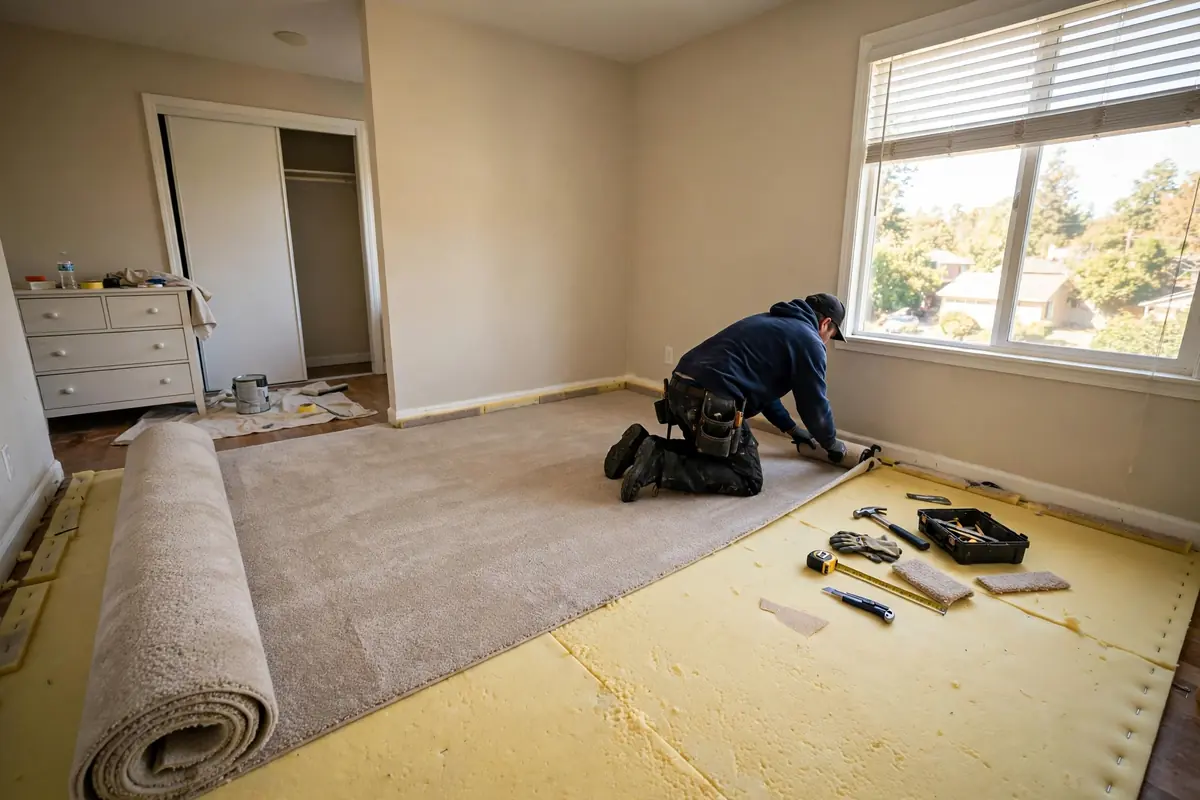
Laminate uses click-lock floating installation — no mortar, no grout, no special tools. Skilled DIYers can laminate a bathroom in a day. Professional installation takes hours, not days. This simplicity is a major advantage in the tile vs laminate in bathrooms debate for budget-conscious homeowners.
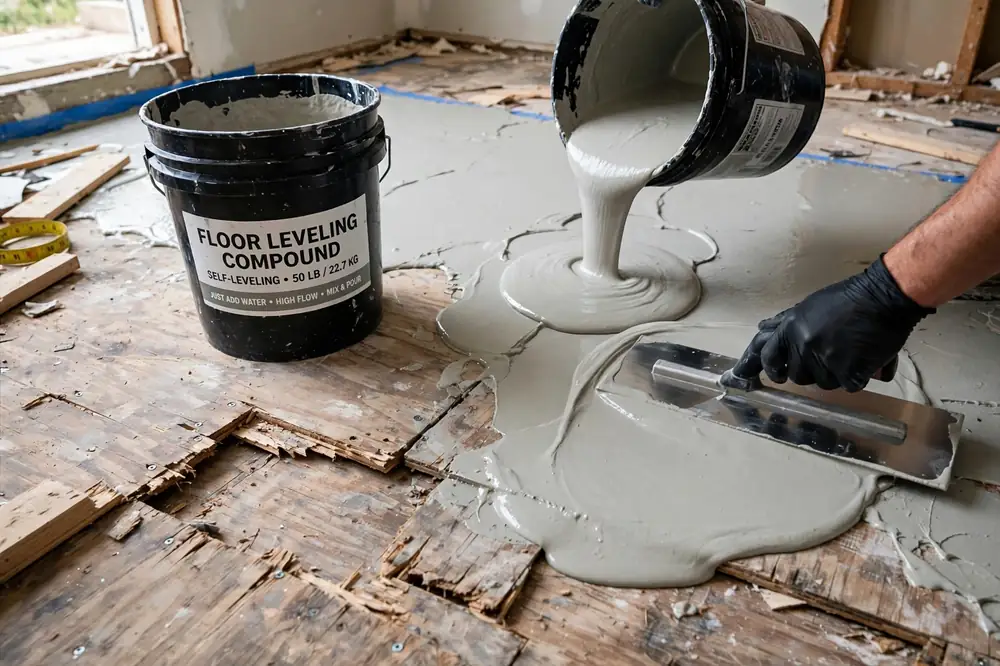
Tile installation is skilled labor: subfloor prep, mortar application, precise tile setting, grout application, and sealing. A 50-square-foot bathroom takes a pro 2 to 3 days. DIY tile is possible but challenging — lippage (uneven tiles), poor grout lines, and waterproofing mistakes are common beginner errors. Before any flooring goes down, ensure the subfloor is level; our floor leveling cost before installation USA guide explains when prep is needed.
Comfort and Feel
Tile is hard and cold — the number one complaint in the tile vs laminate in bathrooms comparison. Winter mornings on cold tile are unpleasant. Solutions include radiant floor heating (see heated floor installation cost USA), bath mats, or choosing textured tile that feels less icy.
Laminate is noticeably warmer and slightly softer underfoot. It does not have tile’s cold shock, making it more comfortable for bare feet. For households where comfort matters — especially with kids or elderly family members — laminate’s warmth is a genuine advantage.
Style and Design Options
Tile offers unmatched design versatility: thousands of colors, sizes from tiny mosaics to 24-inch planks, wood-look porcelain, marble-look ceramic, geometric patterns, and textured finishes. If you want a designer bathroom, tile delivers.
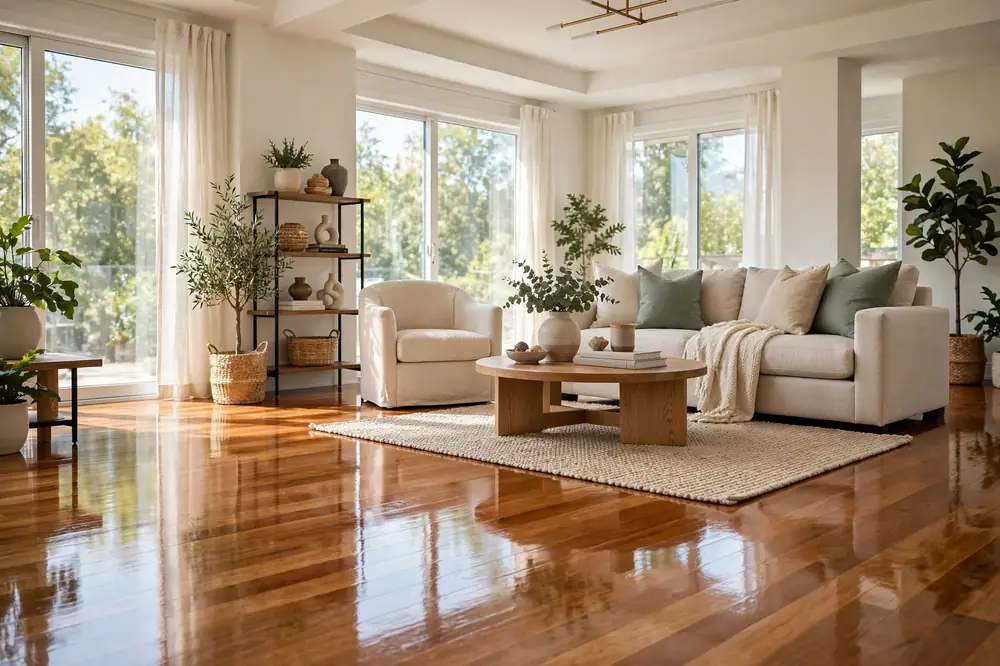
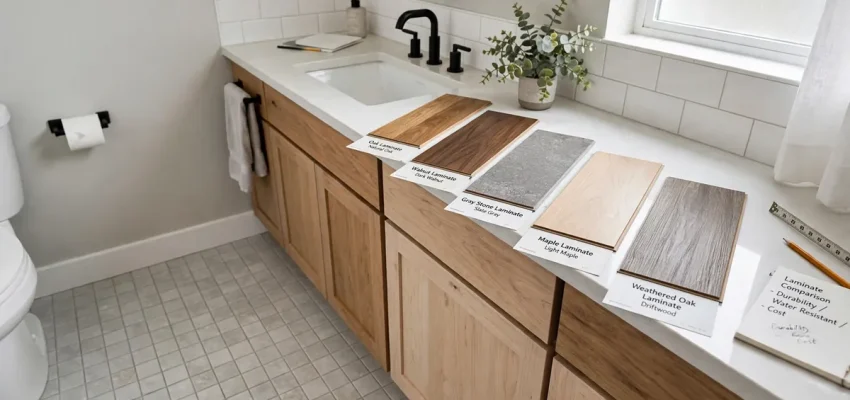
Laminate excels at one thing: realistic wood looks at low prices. Modern embossed laminate convincingly mimics oak, walnut, and hickory. Stone and tile looks exist but are less convincing. If you want wood-look bathroom flooring, laminate (or waterproof LVP) is the economical path. For paint pairings with either flooring, our best paint colors for resale value USA guide helps coordinate.
Maintenance Comparison
Tile maintenance: Sweep and mop weekly. Reseal grout every 1 to 2 years. Deep-clean grout lines periodically — they trap soap scum and mildew. Cracked tiles need individual replacement. With consistent care, tile looks new for decades.
Laminate maintenance: Sweep and damp-mop (never soak). Wipe up standing water promptly — even waterproof laminate should not sit in puddles. No sealing or grout care needed. Easier day-to-day, but less forgiving of neglect than tile.
For pet owners weighing bathroom flooring, our how to choose flooring for pets USA guide covers how each material handles animals.
Resale Value: Tile Has the Edge
In the tile vs laminate in bathrooms debate, resale value favors tile. Homebuyers expect tile in bathrooms — it signals quality and permanence. Real estate agents consistently report that tile bathrooms photograph better and appraise higher. Laminate in bathrooms, while increasingly accepted, can raise buyer eyebrows about moisture damage.
If you are renovating to sell within 5 years, tile is the safer investment. If this is your forever home and budget matters, quality waterproof laminate serves well. For broader renovation ROI guidance, see kitchen remodel cost in USA 2026 and our bathroom plumbing rough-in cost guide for behind-the-walls budgeting.
Environmental and Health Considerations
Beyond cost and durability, the tile vs laminate in bathrooms comparison includes environmental and health factors worth weighing. Tile is made from natural clay and minerals — abundant, recyclable, and free of volatile organic compounds once installed. It does not off-gas, making it an excellent choice for chemically sensitive households. The manufacturing process is energy-intensive, but tile’s 30-year lifespan spreads that impact thin.
Laminate’s core is typically high-density fiberboard made from wood byproducts — a reasonable use of materials that might otherwise go to waste. However, some laminate products contain formaldehyde-based resins. Look for CARB Phase 2 or TSCA Title VI compliant laminate, which meets strict USA formaldehyde emission standards. Greenguard-certified options go further. After installation, ventilate the bathroom well for 48 hours regardless of which material you choose.
For allergy sufferers, tile has a clear advantage: its hard, non-porous surface does not trap dust mites, pet dander, or mold the way any wood-based product can. If anyone in your household has respiratory issues, tile vs laminate in bathrooms is not really a contest — tile wins on indoor air quality. Our how to improve indoor air quality USA guide covers whole-home strategies beyond flooring.
Which Should You Choose?
Choose tile if: budget allows $500+, you want maximum longevity, the bathroom gets heavy water exposure (kids, no separate shower), you are renovating to sell, or you want premium design options.
Choose laminate if: budget is tight, you want warmer floors, you are DIYing, the bathroom has a separate shower with minimal splashing, or you plan to renovate again in 10 years anyway.
Consider a hybrid: tile in the wettest zones (around tub/shower) with waterproof laminate or LVP in the vanity area. This is uncommon but practical in large bathrooms.
Frequently Asked Questions
Can you put regular laminate in a bathroom?
It is not recommended. Standard laminate swells with moisture exposure. Use only waterproof-rated laminate in bathrooms, and even then, wipe up standing water promptly.
Is waterproof laminate really waterproof?
Quality waterproof laminate handles surface water, spills, and humidity well — far better than standard laminate. However, it is not as impervious as porcelain tile. Prolonged standing water in seams can eventually cause damage.
Which is better for a small bathroom?
Tile often works better in small bathrooms — large-format tiles with minimal grout lines make small spaces feel bigger. Laminate’s wood planks can also work, running them lengthwise to elongate the room.
The tile vs laminate in bathrooms decision comes down to your budget, water exposure, and how long you plan to stay. Tile remains the gold standard for durability and resale; waterproof laminate offers impressive value and comfort. Either way, proper installation and prompt water cleanup keep your bathroom floor beautiful for years.