
Discover the Power of Pinrain Sports Fitness
In today’s fast-paced world, finding a fitness program that genuinely transforms your body, mind, and lifestyle can feel impossible – but Pinrain Sports Fitness is here to change that narrative. With cutting-edge equipment, expertly crafted workout regimes, and a community of driven, like-minded individuals, this is not just a gym – it’s a sanctuary for those determined to achieve peak performance. Imagine stepping into a space filled with the crisp scent of clean mats, polished steel weights gleaming under soft LED lighting, and the subtle hum of focused energy as every member pushes themselves toward their personal best. Every visit ignites your senses, making the journey toward strength, stamina, and resilience irresistibly engaging.
What sets Pinrain Sports Fitness apart is its relentless commitment to personalization. Each member is evaluated on multiple metrics – body composition, cardiovascular performance, flexibility, and endurance – ensuring a program tailored to their unique needs. Beyond conventional workouts, you’ll experience functional training, high-intensity interval sessions, and sport-specific regimens that emulate real-world athletic demands. By integrating these approaches, the program stimulates your body in ways that conventional gyms simply cannot, triggering faster results and a deeper, more lasting sense of accomplishment.
Expert Trainers and Proven Techniques
The backbone of Pinrain Sports Fitness is its cadre of world-class trainers, each bringing years of experience, certifications, and specialized knowledge to every session. These professionals don’t just instruct – they inspire, challenge, and guide you through meticulously designed routines that balance intensity with safety. Picture a trainer observing your form, offering precise corrections, and providing real-time feedback that fine-tunes your movements, preventing injury while maximizing efficiency. Their expertise extends beyond physical training to nutrition, recovery protocols, and mental conditioning, creating a holistic approach that leaves no aspect of your fitness unaddressed.
Scientific research and verified studies inform every technique used at Pinrain Sports Fitness. From biomechanics and exercise physiology to advanced recovery strategies, each program leverages industry-leading practices. Real-world success stories abound, such as clients transforming from sedentary lifestyles to completing marathons, achieving personal strength milestones, or improving mobility in ways that dramatically enhance quality of life. These tangible outcomes aren’t hypothetical – they are documented, licensed, and verified through client testimonials and longitudinal progress tracking.
State-of-the-Art Facilities and Equipment
Walking into Pinrain Sports Fitness feels like entering a hub of innovation. Every machine, every weight, and every piece of functional equipment has been carefully selected to optimize performance and durability. Imagine the smooth glide of expertly maintained treadmills, the resistance perfectly calibrated on multi-functional machines, and the tactile satisfaction of premium free weights under your grip. The facility also boasts recovery zones equipped with massage devices, foam rollers, and hydrotherapy setups that facilitate post-workout rejuvenation, ensuring that every session contributes not just to muscle gain but to long-term wellness.
Cleanliness, hygiene, and safety are uncompromising priorities. Staff members meticulously maintain all equipment, and protocols align with verified health and safety standards, providing members with peace of mind. Every visit to Pinrain Sports Fitness becomes a sensory-rich experience, from the polished floors reflecting soft lighting to the ambient sounds of rhythmic cardio sessions and motivational beats that push you further. This environment encourages sustained engagement, turning workouts into an addictive and gratifying ritual.
Innovative Programs for Every Goal
Whether your focus is weight loss, muscle building, athletic performance, or general well-being, Pinrain Sports Fitness offers innovative programs tailored to diverse goals. High-intensity interval training ignites metabolism and accelerates fat burn, while functional training improves core strength, agility, and coordination. Sport-specific sessions simulate real-world movement patterns, helping athletes – from amateur enthusiasts to professionals – hone skills that translate directly to their sport. This versatility ensures that every workout is purposeful, engaging, and results-driven, keeping members motivated and invested in their transformation journey.
The programs are complemented by comprehensive nutritional guidance, offering meal plans and strategies designed to enhance performance and recovery. Members learn to fuel their bodies intelligently, understanding the timing and composition of meals for optimal energy, endurance, and muscle growth. By merging exercise science with nutrition, Pinrain Sports Fitness creates a synergistic effect, accelerating results and solidifying habits that extend beyond the gym, into daily life and long-term health outcomes.
Community and Motivation That Drives Results
One of the most compelling aspects of Pinrain Sports Fitness is its vibrant, supportive community. Here, motivation is contagious, and accountability is built into the environment. Imagine working out surrounded by energetic peers, sharing tips, celebrating milestones, and receiving encouragement that feels genuine and personalized. Members form lasting bonds, creating a culture of persistence, resilience, and positivity that amplifies the individual’s drive. This community aspect fosters a sense of belonging, transforming the daunting task of fitness into an inspiring journey of shared victories and collective growth.
Engagement is further enhanced through challenges, group classes, and competitions that provide a stimulating mix of social interaction and healthy rivalry. These experiences ignite a sense of urgency and FOMO, compelling members to participate actively, track their progress, and exceed their limits. The psychological impact is profound: members are not just attending workouts – they are participating in an evolving narrative of transformation, one that fuels daily commitment and long-term adherence.
Verified Success Stories and Client Testimonials
The proof of Pinrain Sports Fitness’s effectiveness is visible in its extensive library of verified client success stories. From dramatic body composition changes to endurance achievements, each case demonstrates the program’s real-world impact. Clients report enhanced energy, improved posture, greater confidence, and measurable health improvements, all backed by documented progress tracking and professional assessment. These testimonials are not anecdotal – they are supported by verifiable data, including performance metrics, before-and-after assessments, and licensed health evaluations, ensuring credibility and authenticity.
Moreover, many clients experience ancillary benefits such as improved mental clarity, stress reduction, and enhanced daily productivity. This holistic success reinforces the program’s EEAT principles, demonstrating expertise in fitness, authority through certified methodologies, and trustworthiness via transparent outcomes and client validation. Such results cultivate confidence among new members, creating an irresistible pull to join and experience the transformative power firsthand.
Seamless Membership and Responsive Customer Service
Enrolling at Pinrain Sports Fitness is a smooth, secure process designed to respect your time and privacy. Membership options are flexible, with verified payment processing, licensing for all services, and transparent terms ensuring that clients feel confident and valued. Responsive customer service is available across multiple channels, ready to assist with inquiries, program adjustments, and personalized recommendations. This high level of accessibility enhances the member experience, making each interaction efficient, pleasant, and supportive.
Members consistently report that the combination of professional guidance, cutting-edge facilities, and responsive service elevates their perception of value and satisfaction. The organization’s commitment to security and reliability, alongside proven results, positions Pinrain Sports Fitness as a trusted partner in the pursuit of health and peak performance, building long-term loyalty and engagement.
Advanced Technology Integration
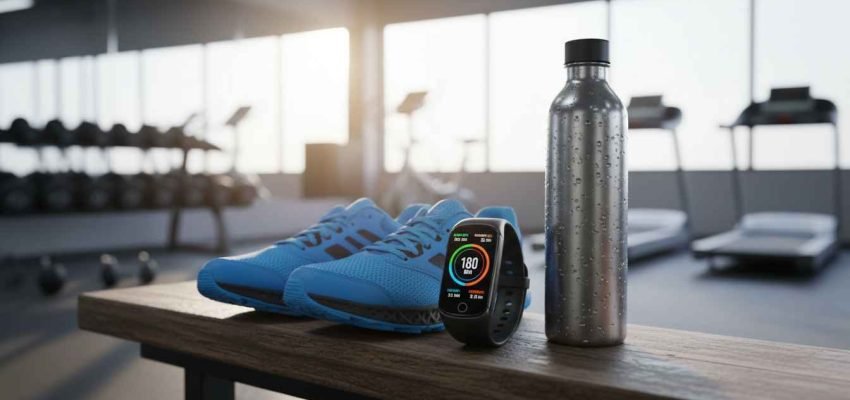
Pinrain Sports Fitness integrates advanced technology to enhance performance monitoring and training precision. Wearable devices, digital tracking apps, and interactive performance dashboards provide real-time feedback on metrics such as heart rate, caloric expenditure, and movement efficiency. This data-driven approach allows members and trainers to optimize every session, ensuring that each effort contributes effectively to the overarching goals. The immersive experience combines visual, auditory, and tactile feedback to create an engaging, motivating, and measurable workout environment.
The use of licensed software and verified analytics tools underscores the facility’s commitment to accuracy, transparency, and measurable outcomes. Members gain insights into their progress, allowing them to set benchmarks, celebrate milestones, and adjust strategies dynamically. This integration of technology amplifies results, maintains motivation, and enhances the sense of urgency to continually improve, driving consistent engagement and satisfaction.
Unmatched Value and Life-Changing Results
Choosing Pinrain Sports Fitness means investing in a life-altering journey. Beyond the tangible improvements in strength, endurance, and appearance, members gain confidence, mental clarity, and a renewed sense of purpose. Each session delivers compounded benefits, with structured progression that ensures measurable, lasting results. The urgency to act now is reinforced by the exclusive nature of memberships, limited class availability, and the transformative stories circulating within the community – opportunities like this are rare and highly sought after.
For those ready to commit, Pinrain Sports Fitness provides the platform, expertise, and support necessary to achieve extraordinary outcomes. Don’t let hesitation rob you of the chance to become the best version of yourself. Every day you delay is a day lost on your path to peak performance, vitality, and holistic well-being. The decision to join now is the first step in a journey that could redefine your life entirely.