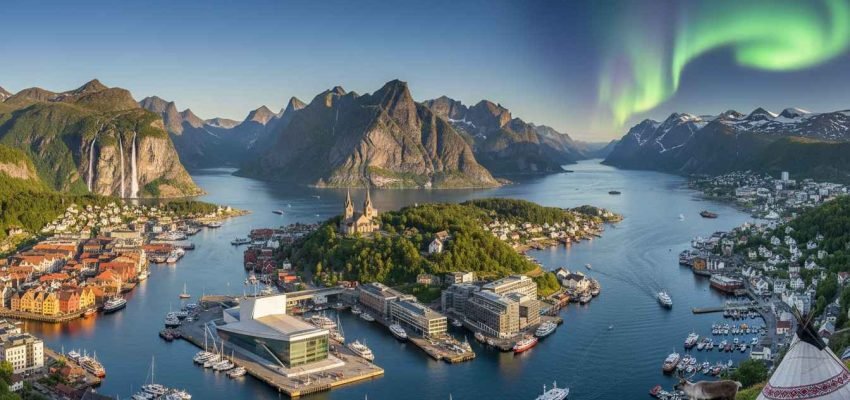
Dramatic Norwegian fjord surrounded by steep mountains and a colorful coastal village

Most Popular Places to Visit in Norway: 15 Must-See Destinations

Norway is one of Europe’s most rewarding destinations for travelers who want dramatic scenery, charming cities, outdoor adventures, and unforgettable road trips. From the cultural energy of Oslo and Bergen to the Arctic landscapes of Tromsø and the jagged peaks of the Lofoten Islands, the country offers a remarkable range of experiences.

Choosing where to go can be difficult because Norway is geographically large and its most famous attractions are spread across different regions. This guide explores the most popular places to visit in Norway, including major cities, fjord destinations, mountain landscapes, and Arctic escapes.

Whether you are planning your first Norway trip, a scenic driving holiday, or a nature-focused adventure, these destinations can help you build a practical itinerary. You can also compare this list with our guide to the most desirable places to visit in the world if you are building a broader international travel bucket list.

What Are the Most Popular Places to Visit in Norway?

Some of Norway’s most popular destinations include Oslo, Bergen, Tromsø, the Lofoten Islands, Geirangerfjord, Stavanger, Trondheim, Flåm, Ålesund, and the Stavanger region. These places combine cultural attractions with access to fjords, mountains, islands, scenic routes, and outdoor activities.

Visit Norway’s current destination guide highlights Oslo, Tromsø, Lofoten and Nordland, Bergen and the western fjords, Geirangerfjord and the Northwest, Stavanger, Trondheim, Southern Norway, Eastern Norway, and Svalbard among the country’s major travel regions.

1. Oslo

Oslo is the natural starting point for many Norway vacations. The capital combines museums, contemporary architecture, waterfront areas, restaurants, parks, and easy access to forests and the Oslofjord.

Travelers can explore the Norwegian National Museum, the MUNCH museum, the Opera House, Vigeland Sculpture Park, and the waterfront Bjørvika district. The city also works well for travelers who want to combine urban sightseeing with hiking, cycling, skiing, or island excursions.

Because Oslo is connected to many other parts of Norway by air and rail, it is particularly useful as the first or final stop on a longer itinerary.

2. Bergen

Bergen is one of the best places to experience Norway’s western fjord country. Known for its historic waterfront, mountain surroundings, and cultural attractions, the city is also an important gateway to several famous fjords.

Visitors can explore Bryggen, ride the Fløibanen funicular, walk around the historic center, and take excursions into the surrounding fjord landscape. Bergen is especially appealing for travelers who want a combination of city sightseeing and spectacular nature.

Its location makes it convenient for exploring nearby destinations such as Flåm, Voss, Hardangerfjord, and the Sognefjord region.

3. Tromsø

Tromsø is one of the most popular destinations in Northern Norway and a major base for travelers hoping to experience the northern lights. The city sits well above the Arctic Circle and offers a mixture of urban attractions and access to dramatic Arctic landscapes.

Winter visitors can look for the northern lights, join wildlife excursions, go dog sledding, or explore snowy landscapes. During the warmer months, the midnight sun creates long days for hiking, cycling, and other outdoor activities.

Tromsø is also a useful starting point for exploring the wider northern region, including Senja, the Lyngenfjord area, and the North Cape.

4. Lofoten Islands

The Lofoten Islands are among the most visually striking places in Norway. Sharp mountains rise dramatically from the sea, while colorful fishing villages, beaches, hiking trails, and small coastal communities create a landscape that feels unlike almost anywhere else in Europe.

The islands are particularly popular with photographers, hikers, road-trippers, and travelers interested in Arctic scenery. Depending on the season, visitors can experience the midnight sun or potentially see the northern lights.

For travelers interested in spectacular landscapes beyond Norway, our guide to the best nature places to visit in the world offers additional inspiration.

5. Geirangerfjord

Geirangerfjord is one of Norway’s most famous fjord destinations. Its steep mountains, waterfalls, viewpoints, and deep blue water make it a highlight of many Norwegian itineraries.

The area is particularly rewarding when explored from several viewpoints. Boat trips provide a perspective from the water, while scenic roads reveal panoramic views from above.

The nearby Geiranger and Sunnmøre region also provides access to hiking routes, mountain scenery, and other attractions in western Norway.

6. Flåm

Flåm is a small village surrounded by dramatic mountains and fjord scenery. Despite its size, it has become one of Norway’s most recognizable travel destinations because of its railway, scenic setting, and proximity to the fjords.

The Flåm Railway is one of the best-known attractions in the area. The journey connects the fjord village with the mountain railway network and offers travelers an opportunity to experience changing landscapes from steep valleys to high mountain terrain.

Flåm can also be combined with a wider western Norway itinerary involving Bergen, Sognefjord, and other nearby fjord communities.

7. Stavanger

Stavanger is a lively coastal city that works particularly well for travelers who want culture, food, history, and access to dramatic natural attractions.

The city is known for its historic wooden buildings, harbor atmosphere, museums, restaurants, and colorful streets. More importantly for outdoor travelers, Stavanger provides access to some of Norway’s most famous hiking destinations.

One of the best-known attractions in the wider region is Preikestolen, or Pulpit Rock, which overlooks the Lysefjord. Travelers who enjoy challenging hikes can also explore other mountain viewpoints in the surrounding region.

8. Trondheim

Trondheim offers a different side of Norway. Rather than focusing primarily on fjords and Arctic scenery, the city provides a strong combination of history, architecture, food, culture, and outdoor activities.

Nidaros Cathedral is one of the city’s defining landmarks, while the old wooden buildings along the river add considerable character. Trondheim is also an excellent base for exploring the wider Trøndelag region.

Visitors who enjoy combining city breaks with nature can use Trondheim as part of a longer journey through central Norway.

9. Ålesund

Ålesund is famous for its Art Nouveau architecture and beautiful coastal setting. The city is surrounded by islands and mountains, making it an attractive destination for travelers who want both architecture and outdoor experiences.

Alesund is also strategically located for exploring the fjords and mountains of western Norway. Travelers can use the city as a base before continuing toward Geirangerfjord and other destinations in the Northwest.

10. Voss

Voss is a strong choice for travelers who prefer active vacations. Located between Bergen and the fjords, the town is surrounded by mountains, lakes, and opportunities for outdoor recreation.

Depending on the season, activities can include hiking, cycling, rafting, skiing, and other adventure sports. Its location also makes Voss a useful stop when traveling between Bergen and the interior of western Norway.

If you are particularly interested in active destinations, you may also enjoy our broader guide to top places to visit in the summer.

11. Sognefjord

Sognefjord is one of the major highlights of western Norway and is known for its enormous scale and dramatic surrounding landscapes. The fjord system extends deep into the country and provides access to villages, mountains, waterfalls, hiking routes, and scenic roads.

Travelers can explore sections of the fjord by boat, road, or rail. Because the region covers a large area, it is worth allowing enough time rather than treating it as a quick stop.

Sognefjord also connects naturally with destinations such as Bergen and Flåm, making it an important part of many western Norway itineraries.

12. Hardangerfjord

Hardangerfjord is another major destination for travelers interested in Norway’s famous fjord scenery. The region is particularly attractive during spring when fruit trees add color to the landscape.

Outdoor enthusiasts can explore hiking routes, waterfalls, villages, and mountain viewpoints. One of the region’s best-known hikes leads to Trolltunga, a dramatic rock formation overlooking the landscape.

Because of its location south of Bergen, Hardangerfjord can be incorporated into a western Norway road trip or multi-day fjord itinerary.

13. Kristiansand

Kristiansand offers a more relaxed coastal experience in Southern Norway. The city is known for its beaches, waterfront areas, family attractions, and access to the surrounding coastline.

It can be particularly appealing during the warmer months when travelers want to combine city sightseeing with swimming, boating, walking, and outdoor activities.

For travelers considering a wider European summer trip, you can also explore our guide to the best places to visit in summer abroad.

14. The North Cape

The North Cape is one of the most dramatic northern landmarks in Europe. Located on the island of Magerøya, it attracts travelers seeking expansive Arctic views and the feeling of reaching one of the farthest accessible points in northern Europe.

The experience changes considerably by season. Summer brings the midnight sun, while winter creates a much colder and darker environment that can appeal to travelers looking for an Arctic adventure.

The North Cape is best suited to travelers who are willing to travel farther north and want a destination that feels genuinely remote.

15. Svalbard

Svalbard provides an entirely different Norwegian travel experience. Located far north in the Arctic Ocean, the archipelago is known for glaciers, polar landscapes, wildlife, and the settlement of Longyearbyen.

Travel here requires more planning than a typical mainland Norway trip, but the remote environment makes it attractive to adventurous travelers. Depending on the season and local conditions, activities can include boat excursions, hiking, snowmobile tours, and wildlife-focused experiences.

If your goal is to explore unusual destinations rather than conventional city breaks, Svalbard can be one of the most memorable additions to a Norway itinerary.

How to Choose the Best Places in Norway for Your Trip

The right destinations depend heavily on what you want to experience.

  • For cities and culture: Choose Oslo, Bergen, Trondheim, or Stavanger.
  • For fjords: Prioritize Geirangerfjord, Sognefjord, and Hardangerfjord.
  • For northern lights: Tromsø and Northern Norway are strong choices.
  • For dramatic Arctic scenery: Consider Lofoten, Tromsø, or Svalbard.
  • For hiking and adventure: Look at Voss, Stavanger, Lofoten, and the fjord regions.
  • For scenic rail travel: Include Flåm and the surrounding western Norway routes.
  • For a relaxed summer vacation: Consider Kristiansand and Southern Norway.

Best Time to Visit Norway

Norway is a year-round destination, but the best time to visit depends on your priorities.

Summer

Summer generally offers long daylight hours and easier access to hiking trails, scenic roads, fjords, and outdoor attractions. It is a popular season for road trips and first-time visits.

Autumn

Autumn can bring colorful landscapes and fewer visitors in some areas. It can be an appealing option for travelers who want scenic photography and a quieter atmosphere.

Winter

Winter transforms much of Norway into a snowy destination. Northern Norway becomes especially attractive for travelers hoping to experience the northern lights, while ski destinations across the country offer winter sports.

Spring

Spring brings longer days and changing landscapes. In western Norway, waterfalls and mountain scenery can be particularly impressive as snow begins to melt.

If seasonal travel is important to your planning, our guides to fall destinations and places to visit in the United States during fall can provide additional seasonal trip inspiration.

How Long Do You Need to Explore Norway?

A short trip of five to seven days can cover one region, such as Oslo and Bergen or Tromsø and the surrounding Arctic area. A trip of 10 to 14 days provides more flexibility and makes it possible to combine cities with fjords or northern destinations.

Longer trips are better for travelers who want to explore multiple regions because Norway’s geography makes travel between distant destinations time-consuming. Instead of trying to see everything, choose two or three connected areas and explore them properly.

Norway Travel Tips for First-Time Visitors

Plan Around Geography

Norway may look compact on a map, but its mountains, fjords, islands, and long coastline can make journeys take longer than expected. Build realistic travel times into your itinerary.

Consider Public Transportation

Rail, buses, ferries, and domestic flights can make many popular routes easier to navigate. Travelers who prefer flexibility can also consider renting a car for scenic road trips.

Book Popular Accommodation Early

Popular destinations such as Lofoten, Flåm, Bergen, and Geiranger can become busy during peak travel periods. Booking accommodation and major activities ahead of time can make your trip easier.

Pack for Changing Weather

Weather conditions can change quickly, particularly in mountainous and coastal areas. Layers, waterproof clothing, and comfortable walking shoes are useful for most itineraries.

Allow Time for Nature

One of Norway’s biggest attractions is the landscape itself. Avoid filling every day with scheduled activities. Leaving room for scenic stops, hikes, viewpoints, and unexpected discoveries can make the trip much more enjoyable.

Final Thoughts

The most popular places to visit in Norway range from sophisticated cities and historic towns to enormous fjords, Arctic islands, mountain valleys, and remote coastal landscapes. Oslo and Bergen are excellent introductions to Norwegian culture, while Tromsø and Lofoten offer a stronger Arctic experience. Geirangerfjord, Sognefjord, and Hardangerfjord showcase the country’s famous fjord scenery, while destinations such as Voss, Ålesund, and Kristiansand provide different ways to experience Norway.

The best itinerary is not necessarily the one that includes the most destinations. Instead, choose places that match your interests and group them geographically. With enough time to appreciate the landscapes between major attractions, Norway can become one of Europe’s most memorable travel experiences.

For more international travel inspiration, explore our guides to places to visit outside the United States, the world’s best nature destinations, and the most desirable places to visit around the world.

Picture of adm_p2z666

adm_p2z666

AnchorEra is managed by a dedicated editorial team that publishes insightful content across business, technology, lifestyle, and modern digital trends. Our goal is to deliver clear, practical articles that help readers understand ideas, explore new perspectives, and stay informed in a rapidly evolving world.

related

Subscribe!