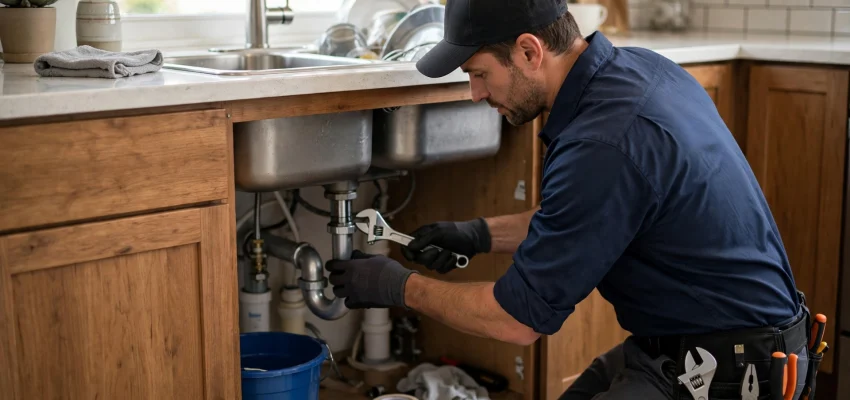

When a pipe bursts at midnight or your water heater quits on the coldest day of the year, the first question most homeowners ask is simple: how much is a plumber going to cost me? Plumbing prices in the United States vary widely depending on where you live, the complexity of the job, and whether you need help during regular hours or in the middle of the night. This 2026 guide breaks down average plumber costs across the country so you can budget with confidence and avoid overpaying.
Average Plumber Cost in 2026
Most homeowners in the US pay between $175 and $450 for a typical plumbing job. Smaller repairs such as fixing a leaky faucet or unclogging a drain sit at the lower end of that range, while larger projects like installing a water heater or repiping a section of your home can run from $800 to several thousand dollars. National surveys of plumbing contractors show the average invoice for a standard service call landing around $300, including labor and basic parts.
Keep in mind that these are national averages. Plumbers in high-cost metro areas such as New York, San Francisco, and Boston often charge 20 to 40 percent more than the national average, while rates in smaller Midwestern and Southern cities tend to be more affordable.
Plumber Hourly Rates vs. Flat-Rate Pricing
Plumbers generally price their work in one of two ways: hourly rates or flat-rate fees. Understanding the difference helps you compare quotes fairly.
Hourly rates typically range from $45 to $200 per hour, with most experienced plumbers charging between $75 and $150 per hour. You also pay for the plumber’s travel time in many cases, plus a service call fee of $50 to $100 just to show up and diagnose the problem.
Flat-rate pricing gives you one fixed price for the entire job, regardless of how long it takes. This approach is popular for common tasks like drain cleaning, toilet installation, and water heater replacement because it removes the uncertainty. If a job turns out to be more complicated than expected, the flat rate protects you from a ballooning bill.
Neither model is automatically better. For quick, predictable jobs, flat rates offer peace of mind. For unusual or exploratory work, such as tracking down a hidden leak, hourly billing is often the fairer option.
Common Plumbing Jobs and What They Cost
Here is what US homeowners typically pay for the most frequent plumbing services in 2026:
Drain Cleaning: $100 to $275
A standard drain snaking to clear a clogged sink, tub, or shower drain usually costs between $100 and $275. If the blockage requires hydro jetting, a high-pressure water treatment for stubborn buildup, expect to pay $300 to $600.
Water Heater Installation: $800 to $1,800
Replacing a conventional tank water heater, including the unit and labor, generally runs $800 to $1,800. Tankless water heaters cost more upfront, typically $1,500 to $3,500 installed, but they last longer and use less energy.
Faucet Repair or Replacement: $150 to $350
Fixing a dripping faucet is one of the most affordable plumbing calls. A simple washer or cartridge replacement costs $150 to $250, while installing a brand-new faucet runs $200 to $350 including the fixture.
Toilet Repair or Installation: $150 to $500
Common toilet repairs such as replacing a flapper, fill valve, or wax ring cost $150 to $300. Installing a new toilet, including removal of the old one, typically runs $350 to $500.
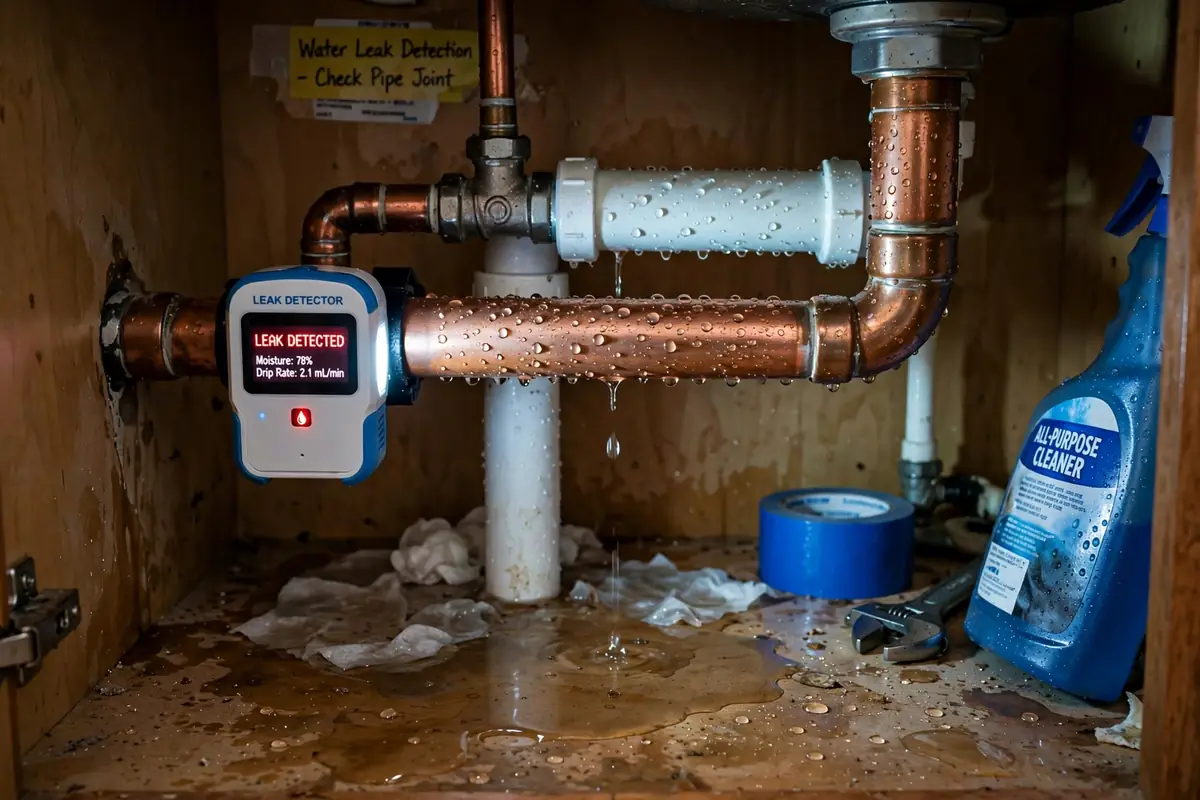
Leak Detection and Pipe Repair: $150 to $600
Finding and fixing a visible pipe leak usually costs $150 to $350. Hidden leaks inside walls or under slabs require specialized detection equipment and can push the total to $500 or more.
Emergency Plumbing Costs
Emergency plumbers charge a premium, often 1.5 to 2 times the standard rate. An after-hours, weekend, or holiday call typically adds $100 to $300 to the bill on top of the regular service charge. A burst pipe repair that might cost $300 on a Tuesday afternoon could easily reach $600 or more at 2 a.m. on a Sunday.
That said, true emergencies like major leaks, sewage backups, and burst pipes should never wait. Water damage escalates fast, and the cost of repairing soaked drywall, flooring, and mold growth dwarfs the emergency plumbing fee, so check whether your homeowners insurance covers sudden water damage. If you can safely shut off the water and the situation is stable, though, waiting for regular business hours can save you real money.
Factors That Affect Your Plumbing Bill
Several variables influence what you will pay:
- Location: Labor rates follow the local cost of living. Urban coastal markets are the priciest; rural and Southern markets are the most affordable.
- Job complexity: A straightforward fixture swap costs far less than diagnosing an intermittent leak behind a finished wall.
- Parts and materials: High-end fixtures, specialty valves, and copper piping add to the total. Ask whether the quote includes parts or bills them separately.
- Experience level: Master plumbers charge more than journeymen, but they often work faster and handle complex jobs more reliably.
- Permits and inspections: Major work such as sewer line replacement or repiping, often part of larger home renovation projects, may require local permits, adding $50 to $500 depending on your municipality.
- Accessibility: If the plumber must cut through walls, dig up landscaping, or work in a cramped crawl space, labor time and cost increase.
How to Save Money on Plumbing Services
You cannot avoid every plumbing bill, but you can keep costs under control with these strategies:
- Get at least three quotes. Prices for the same job can vary by hundreds of dollars between companies. Online home services marketplaces make it easy to compare vetted local plumbers side by side.
- Ask about flat-rate options. For common repairs, a flat rate protects you from open-ended hourly billing.
- Bundle small jobs. If you have a dripping faucet, a slow drain, and a running toilet, have them fixed in one visit to pay a single service call fee.
- Know your main shutoff valve. In an emergency, shutting off the water quickly limits damage and may let you wait for regular-hours pricing.
- Schedule preventive maintenance. Annual inspections catch small issues, like corroding supply lines or a failing water heater anode rod, before they become expensive disasters. Many home care providers offer maintenance plans that bundle plumbing checkups with other services.
- Check for warranties. Working with trusted home service professionals means your labor is typically warrantied for at least 30 days to a year. Manufacturer warranties on fixtures and water heaters can also save you money on parts.
Final Thoughts
Hiring a plumber in 2026 typically costs between $175 and $450 for standard jobs, with hourly rates ranging from $45 to $200. Emergency calls, complex repairs, and high-cost cities push prices higher, but informed homeowners can keep bills reasonable by comparing quotes, bundling work, and handling true emergencies promptly. Keep this guide handy, find a licensed plumber you trust before disaster strikes, and you will never have to guess what fair plumbing prices look like again. If a plumbing disaster has already damaged your foundation, see our guide to foundation repair costs in Houston. Plumbing is only one trade to budget for — for electrical work, see our guide to electrician cost in New York City.