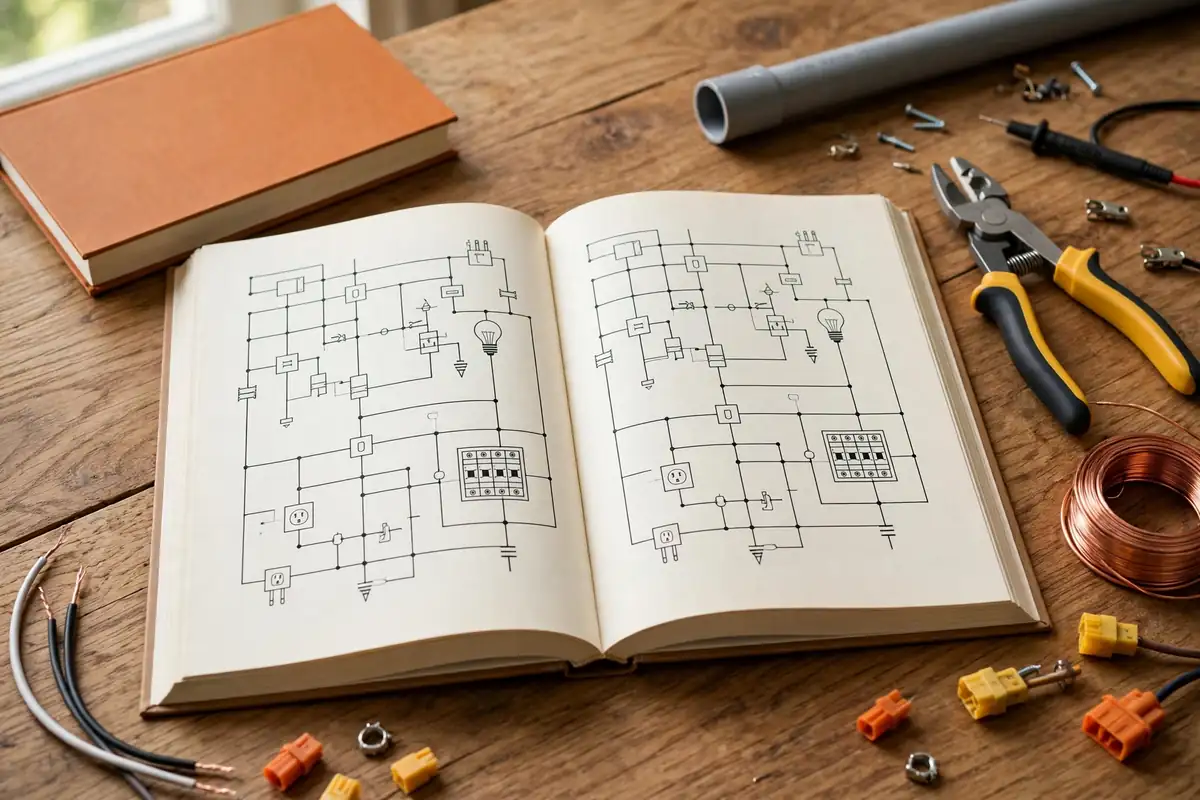

That flickering light, dead outlet, or ambitious kitchen remodel has you wondering: can I do this electrical work myself, or do I need a professional? The DIY vs hiring electrician decision involves safety, legal requirements, insurance implications, and honest self-assessment. Get it wrong, and the consequences range from failed inspections to house fires.
This DIY vs hiring electrician safety guide draws clear lines: what USA homeowners can safely tackle, what absolutely requires a licensed pro, and how to decide in the gray areas. When in doubt, the answer is always to call an electrician — but understanding why helps you make smarter decisions.
The Stakes: Why Electrical DIY Demands Respect
Electricity kills approximately 400 Americans annually in home accidents and causes an estimated 50,000+ house fires per year. Unlike plumbing or carpentry mistakes — which are usually obvious and merely expensive — electrical mistakes can be invisible until they are catastrophic. A loose connection behind drywall does not announce itself; it smolders for months before igniting.
Beyond personal safety, improper electrical work creates legal and financial exposure. Unpermitted work can void your homeowner’s insurance — meaning a fire caused by your DIY wiring may not be covered. It complicates home sales, as buyers’ inspectors flag unpermitted modifications. And in many jurisdictions, performing electrical work beyond narrow homeowner allowances is simply illegal.
This is not meant to frighten you away from all DIY. It is meant to calibrate your respect for the risks so the DIY vs hiring electrician decision is grounded in reality, not overconfidence.
What Homeowners Can Safely DIY
Most US states and localities allow homeowners to perform minor electrical tasks on their own property without a license. These are low-risk jobs that do not involve the panel, new circuits, or high-voltage work:
Replacing a light fixture (like-for-like swap): Turn off the breaker, verify power is dead with a non-contact tester, swap the fixture, restore power. This is the most common DIY electrical task and very safe when proper precautions are followed. If you are upgrading to something heavier like a ceiling fan, see ceiling fan installation cost — the mounting requirements add complexity.
Replacing outlets and switches (like-for-like): Swapping a worn outlet for an identical new one is straightforward. Take a photo before disconnecting, match wire-for-wire, and ensure the breaker is off. Do not change a 15-amp device to 20-amp or add new locations — that crosses into pro territory.
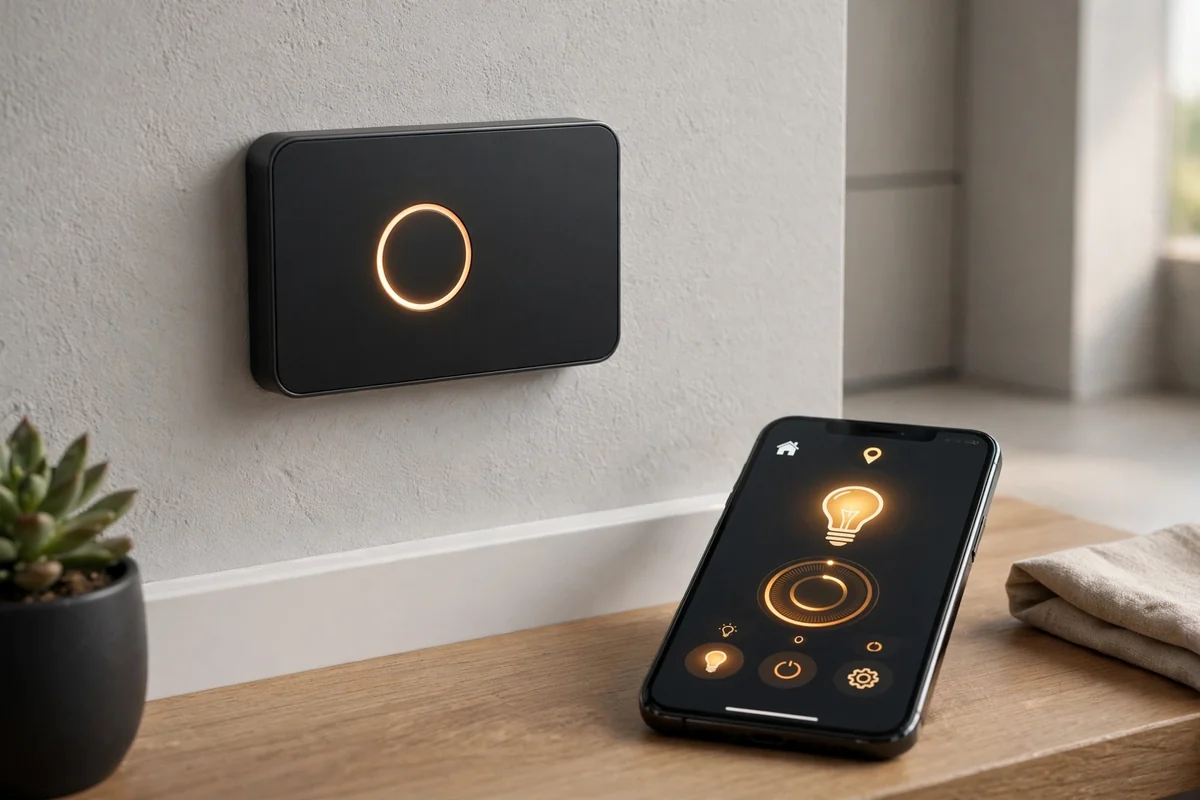
Replacing a thermostat: Low-voltage thermostat wiring (24V) is very safe. Turn off the HVAC breaker, label wires, swap the unit. Smart thermostat installation follows the same principles — see smart switch installation guide for similar low-voltage concepts.
Replacing a doorbell or doorbell transformer: Low voltage, minimal risk. A good starter project for the electrically curious.
Resetting tripped breakers and GFCIs: Not really “electrical work” — just normal homeowner operation. But if breakers trip repeatedly, that signals a problem needing professional diagnosis. See how to troubleshoot a tripped breaker to understand when it is normal versus concerning.
What Absolutely Requires a Licensed Electrician
These jobs involve high voltage, panel work, new circuits, or code complexities that demand professional training. In most jurisdictions, they legally require a licensed electrician and permits:
Any work inside the electrical panel: Adding breakers, replacing the panel, upgrading service — the panel contains unfused conductors that remain energized even with the main breaker off. One mistake can be fatal. Panel work also requires utility coordination and inspections. See electrical panel upgrade cost for what this involves.
Running new circuits: Adding outlets, lights, or appliances where no circuit exists requires calculating loads, sizing wire and breakers correctly, routing through framing to code, and passing inspection. Mistakes in load calculation cause chronic breaker tripping or dangerous overloading.
220V/240V installations: Dryer outlets, range circuits, EV chargers, hot tub wiring — higher voltage means higher consequences for errors. These always require permits and professional installation.
Aluminum wiring remediation: As covered in aluminum wiring repair options, this specialized work requires specific connectors and techniques. Not a DIY project under any circumstances.
Knob-and-tube replacement: See knob-and-tube costs — this is complex, disruptive work requiring professional expertise and permits.
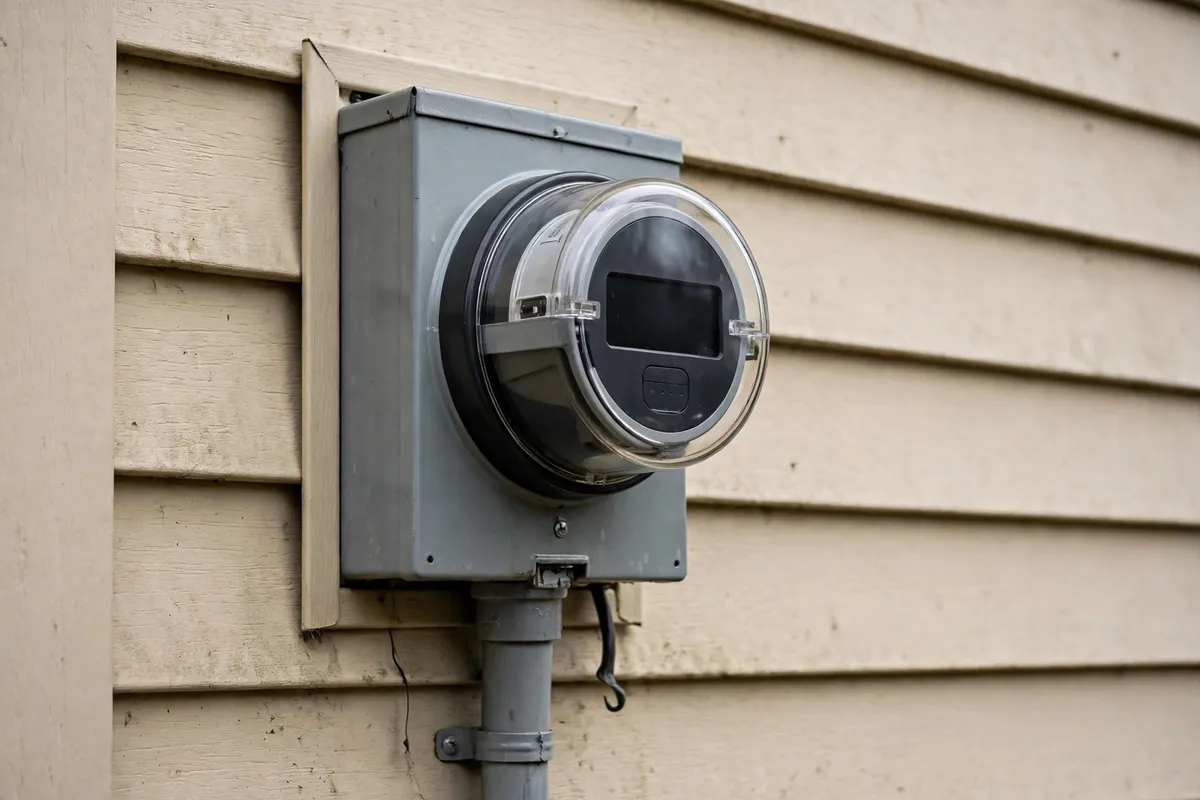
Anything involving the service entrance or meter: The utility’s domain. Homeowners should never touch service drops, meter boxes, or weatherheads.
The Gray Zone: It Depends
Some projects fall between clear DIY and clear pro territory. The DIY vs hiring electrician decision here depends on your skill level, local codes, and honest risk assessment:
Installing a ceiling fan where a light existed: If the electrical box is already fan-rated, this is manageable DIY. If the box needs replacing with a fan-rated brace (likely in older homes), the complexity increases significantly. An improperly supported fan is a safety hazard.
Adding under-cabinet lighting: Plug-in or battery LED strips are easy DIY. Hardwired 120V under-cabinet lights require an electrician. Low-voltage hardwired systems fall in between — manageable for handy homeowners comfortable with basic wiring.
Replacing a bathroom exhaust fan: Like-for-like swap is DIY-able. If ducting needs modification or the circuit needs upgrading, call a pro.
Installing a dimmer switch: Swapping a standard switch for a dimmer on an existing circuit is straightforward DIY. But verify compatibility — LED bulbs need LED-rated dimmers, and three-way dimmer installations confuse many DIYers.
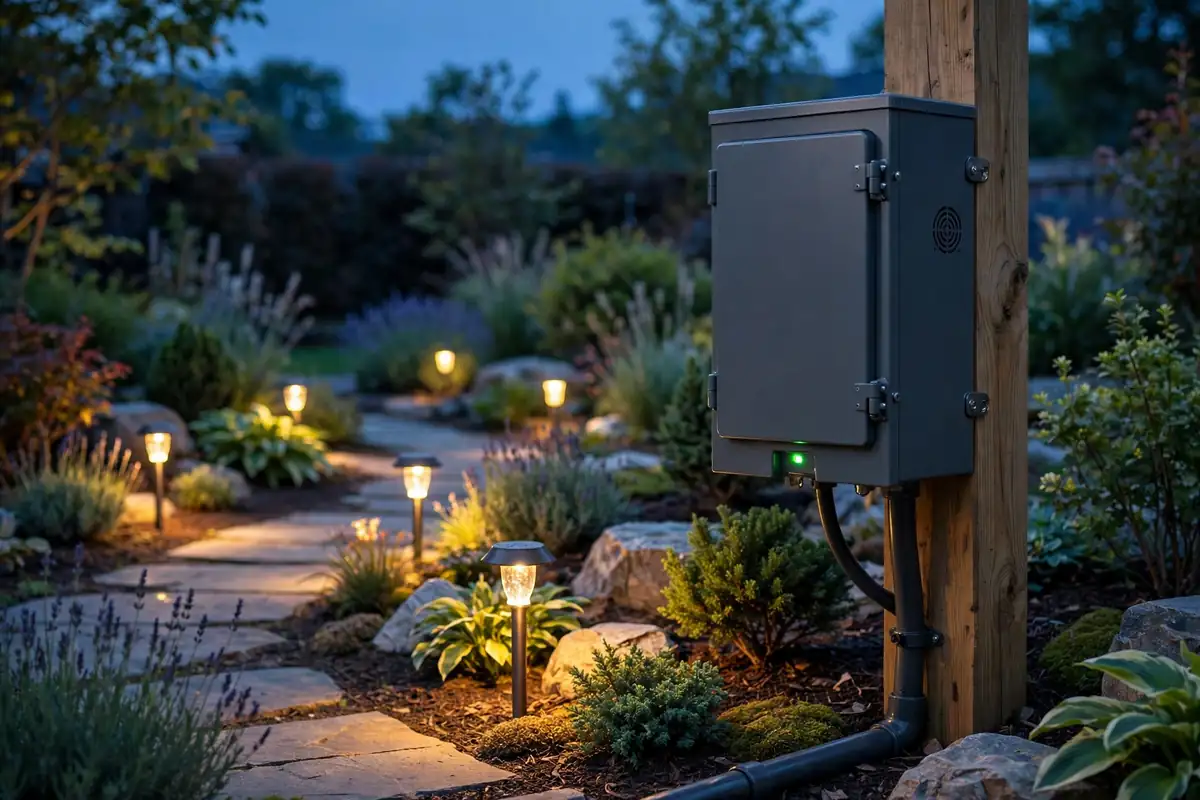
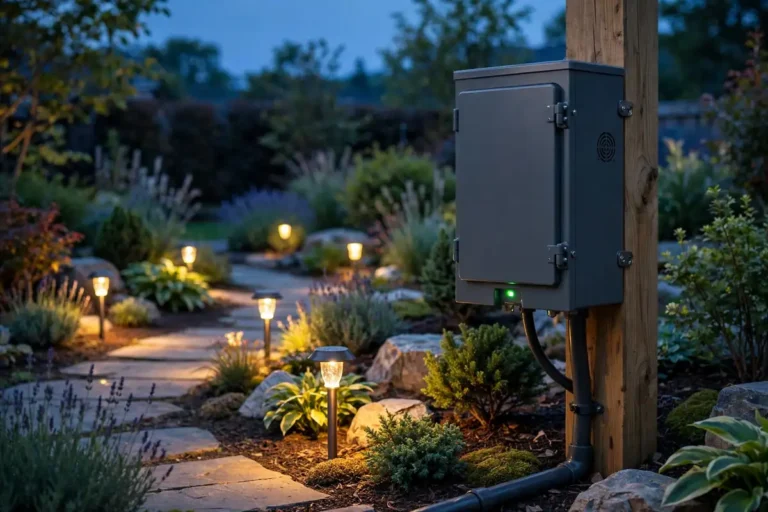
Outdoor electrical work: Even simple-seeming outdoor projects involve weatherproofing, GFCI requirements, burial depths, and wet-location ratings. When in doubt, hire out. See outdoor lighting installation for the complexities involved.
Legal Requirements: Permits and Homeowner Allowances
Electrical permit requirements vary by state and locality, but the general pattern is consistent: minor like-for-like replacements do not need permits; new circuits, panel work, and service changes always do. Many jurisdictions allow homeowners to pull their own permits for work on their primary residence — but the work must still pass inspection to the same standard as professional work.
Important caveats: homeowner permit allowances typically apply only to your primary residence, not rentals or flips. Some cities (notably Chicago and parts of New York) do not allow homeowner electrical permits at all. And insurance companies may still deny claims for DIY electrical work even when permitted — check your policy.
When you sell, buyers’ inspectors scrutinize electrical work. Permitted, inspected DIY work is generally fine. Unpermitted work — even if done well — raises red flags and can delay or derail sales. The permit costs $50 to $200; the peace of mind is worth far more.
The Honest Self-Assessment Checklist
Before attempting any electrical DIY beyond the simplest tasks, honestly answer these questions. A “no” to any of them means calling a professional:
Do I fully understand what I am about to do? Not vaguely — can you explain each step, why it is done that way, and what could go wrong? If you are following a YouTube video without understanding the principles, stop.
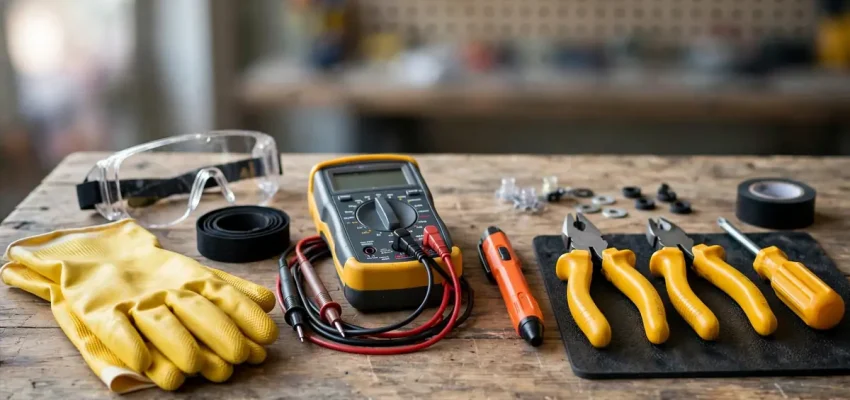
Do I own and know how to use a non-contact voltage tester and multimeter? These are non-negotiable safety tools. “I turned off the breaker” is not sufficient — you must verify power is dead at the point of work. Miswired panels and shared neutrals mean the breaker you flipped may not control what you think.
Do I know the relevant code requirements? Wire sizing, box fill calculations, GFCI/AFCI requirements, grounding rules — code exists because people died learning these lessons. Ignorance of code is not a defense when something goes wrong.
Am I comfortable stopping if something looks wrong? The most dangerous DIYers are those who push through confusion. If you open a box and find aluminum wiring, knob-and-tube, or something unexpected, the right move is to close it up and call an electrician.
Is my homeowner’s insurance OK with this? A quick call to your agent clarifies coverage. Some policies exclude DIY electrical work entirely.
Cost Comparison: DIY Savings vs. Professional Value
DIY saves labor costs — typically $75 to $150 per hour for an electrician. A simple outlet replacement might cost $150 to $250 professionally versus $15 in parts DIY. The savings are real for minor work.
But factor in the hidden costs of DIY: tools you need to buy (quality testers, strippers, fish tape), the value of your time, permit fees (same whether DIY or pro), and the risk cost of mistakes. A DIY error that requires professional correction often costs more than hiring correctly from the start.
For anything beyond basic device swaps, the professional’s value proposition is strong: speed (what takes you a weekend takes them hours), code compliance guaranteed, warranty on workmanship, permit handling, and liability insurance if something goes wrong. Our guide to hiring an electrician helps you find one at a fair price.
Safety Gear and Practices for DIY Electrical
If you are doing allowable DIY electrical work, follow these non-negotiable safety practices:
Always turn off the breaker and verify with a non-contact tester — then test the tester on a known-live circuit to confirm it works. Use insulated tools rated for electrical work. Wear safety glasses. Never work on electrical with wet hands or in wet conditions. Work with one hand when possible near live components (reduces current path across your heart). Have someone nearby who knows to call 911 if something goes wrong.
Never bypass safety devices, never upsize a breaker to stop tripping (the breaker is protecting the wire — a larger breaker lets the wire overheat), and never bury junction boxes behind drywall (all splices must remain accessible).
Frequently Asked Questions
Can I legally do my own electrical work?
In most US jurisdictions, yes — on your own primary residence, for work that does not require a license by law, with proper permits and inspections. Rentals, commercial properties, and work for others always require a licensed electrician. Check your local building department for specific rules.
Will DIY electrical void my home warranty?
Home warranty companies typically exclude pre-existing conditions and improper installations. If your DIY work causes a problem, the warranty likely will not cover it. When in doubt, use a licensed pro and keep receipts.
How do I know if I need a permit?
Call your local building department and describe the work. They will tell you definitively. When uncertain, pull a permit — it is cheap insurance and ensures an inspector verifies your work meets code.
The DIY vs hiring electrician decision ultimately comes down to respecting the risks while being realistic about your abilities. Handle the simple stuff confidently, recognize the complex stuff honestly, and never gamble with 240 volts to save a service call fee.