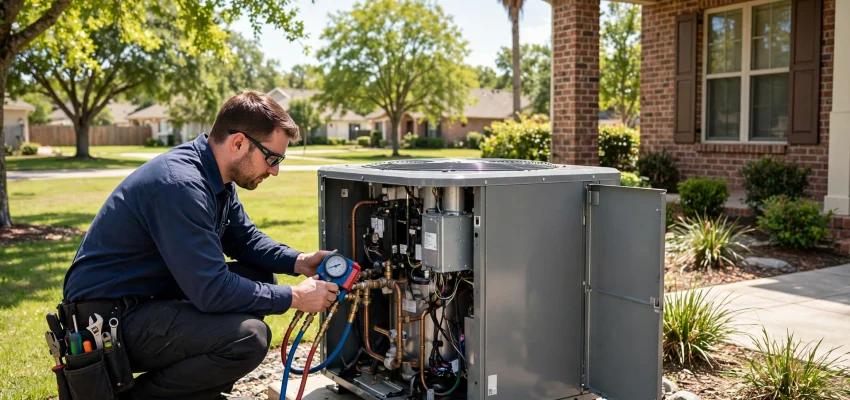

Houston’s brutal summers put air conditioning systems through more punishment than almost anywhere else in the country. When your AC starts blowing warm air in July, you need answers fast — and a realistic sense of what a replacement will cost before the first technician arrives. In 2026, Houston homeowners typically pay between $5,800 and $12,500 for a full central air conditioner replacement, with the average landing around $8,200 for a standard 3-ton unit with installation.
That range is wide because no two replacements are identical. System size, efficiency rating, brand, and your home’s existing ductwork all move the number. This guide breaks down Houston AC replacement costs in detail so you can budget confidently and spot an overpriced quote.
Average AC Replacement Cost in Houston (2026)
Most Houston homes use central split systems — an outdoor condenser paired with an indoor air handler or furnace coil. Here is what full replacements typically cost in the Houston market right now:
| System Size | Typical Home | Average Installed Cost |
|---|---|---|
| 2-ton | Up to 1,200 sq ft | $5,800 – $8,000 |
| 2.5-ton | 1,200 – 1,500 sq ft | $6,500 – $9,200 |
| 3-ton | 1,500 – 1,800 sq ft | $7,200 – $10,000 |
| 3.5-ton | 1,800 – 2,100 sq ft | $8,000 – $11,500 |
| 4-ton | 2,100 – 2,400 sq ft | $8,800 – $12,500 |
| 5-ton | 2,400 – 3,000 sq ft | $10,000 – $14,500 |
These figures include the equipment, a licensed installation crew, refrigerant, permit fees, and disposal of the old unit. Houston’s extended cooling season — often eight months — means technicians stay busy, and reputable contractors book out weeks in advance during summer.
What Drives the Price Up or Down
Efficiency rating (SEER2)
Since 2023, the South region requires minimum 15.2 SEER2 systems. Base-efficiency units (15–16 SEER2) are the most affordable. High-efficiency models (17–20+ SEER2) add $1,500 to $4,000 to the installed price but can cut Houston cooling bills by 20–30%. With electricity rates averaging around 12–14 cents per kWh locally, the payback on a high-efficiency system is real for homeowners who plan to stay put for several years.
Ductwork condition
If your ducts leak, are undersized, or were damaged by Houston’s humidity and attic heat, replacing or sealing them adds $1,200 to $4,500. Many contractors include a duct inspection in their quote — ask to see photos of any “problems” they find.
Brand and warranty
Carrier, Trane, Lennox, and Rheem units cost 10–20% more than budget brands but come with longer parts warranties (usually 10 years when registered). Labor warranties vary by contractor, typically 1–2 years. A solid HVAC maintenance plan protects that investment year after year.
Electrical and structural work
Upgrading the disconnect box, whip, or pad adds $300–$800. Homes with slab-on-grade construction and attic air handlers — common in Houston — sometimes need platform modifications in cramped attics, adding a few hundred dollars to labor.
When Replacement Beats Repair
A good rule of thumb: if the repair costs more than 30–40% of a new system and your unit is over 10–12 years old, replace it. Houston units age faster than the national average because they run nearly year-round. Warning signs include:
- Frequent refrigerant top-offs (R-410A costs $75–$150 per pound in 2026)
- Two or more breakdowns in a single cooling season
- Rising summer electric bills despite unchanged usage
- Hot and cold spots between rooms
- A compressor or evaporator coil failure on a unit older than 10 years
Minor issues like a failed capacitor ($200–$400) or contactor ($250–$450) are worth repairing on younger systems. Major component failures on older equipment rarely are. If you are weighing a big repair bill, it helps to understand how seasonal HVAC pricing works before signing anything.
How to Get a Fair Quote in Houston
Get at least three written quotes from licensed, insured contractors. Every quote should include the equipment model number, SEER2 rating, full scope of work, permit handling, and warranty terms. Be wary of any company that quotes a price over the phone without measuring your home — proper sizing and load calculations require an on-site visit.
Ask whether the price covers a new thermostat, line-set replacement, and haul-away. Many Houston companies advertise a low “starting at” price that excludes essentials. Also confirm the contractor pulls a city permit; unpermitted work can void the manufacturer’s warranty and complicate a future home sale.
Ways to Save on AC Replacement
Timing matters. Shoulder seasons — late fall and early spring — are when Houston HVAC companies are slowest, and discounts of 5–15% are common. Manufacturer rebates appear most often in spring. Federal tax credits under the Inflation Reduction Act can offset 30% of the cost of qualifying heat pump systems (up to $2,000), which work well in Houston’s mild winters. Many installers also offer 0% financing for 12–18 months.
Like other major home projects, planning ahead beats emergency spending. Homeowners who compare typical contractor pricing guides before calling around negotiate noticeably better deals.
When you are replacing an AC, it is worth pricing other projects at the same time so contractors can bundle work. Homeowners often compare typical roof replacement costs, garage door repair pricing, and professional house cleaning rates to build a realistic annual home-maintenance budget.
Conclusion
Replacing an air conditioner in Houston in 2026 costs most homeowners $5,800 to $12,500 installed, with $8,200 as a reasonable middle estimate for a standard 3-ton system. Higher-efficiency equipment, ductwork repairs, and electrical upgrades move you toward the top of the range. Get three detailed quotes, verify licensing, confirm permits, and consider a heat pump if you want the strongest tax incentives. Done right, a new system will keep your home comfortable through the worst of the Texas heat for 15 years or more.