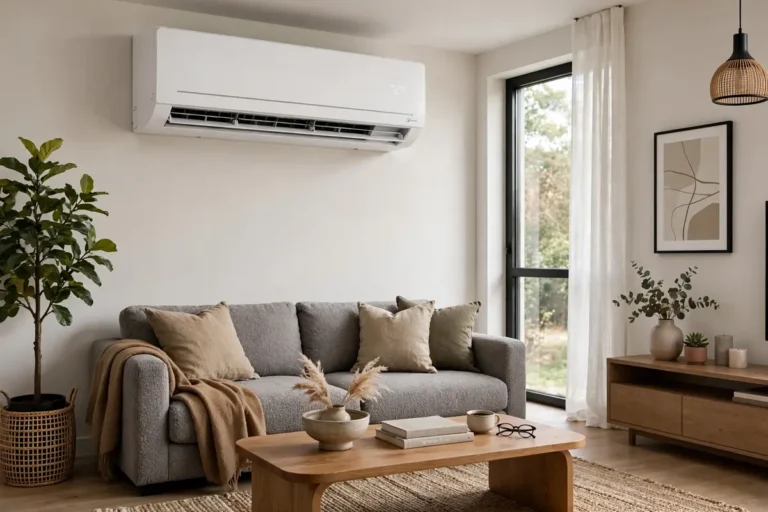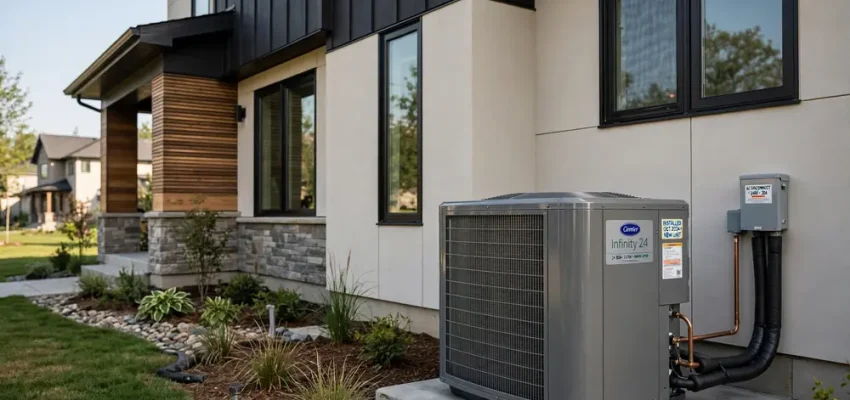

When your air conditioner starts struggling through another brutal summer, one question eventually takes over: what is the AC replacement cost USA homeowners actually pay in 2026? The short answer is that most Americans spend between $4,500 and $12,000 for a full AC replacement, with the national average landing around $7,500. But that wide range hides a lot of important detail. A basic 14.3 SEER2 unit for a small home in Ohio costs very differently from a high-efficiency variable-speed system for a two-story house in Phoenix. This guide breaks down the real numbers, the factors that push your price up or down, and smart ways to save money without sacrificing comfort.
Average AC Replacement Cost USA in 2026
Across the United States, the typical air conditioner replacement costs $4,500 to $12,000 including equipment and professional installation. Most homeowners pay around $7,500 for a mid-range, energy-efficient system that fits a 1,500 to 2,000 square foot home. At the low end, a budget single-stage unit for a smaller home can come in near $4,000 to $5,000, while premium two-stage or variable-speed systems for larger homes can reach $14,000 or more. If you are comparing a simple AC swap with a broader choosing the right HVAC contractor, remember that labor quotes alone can vary by $2,000 or more between companies in the same city.
AC replacement cost USA by home size
System size is measured in tons, and one ton of cooling covers roughly 500 to 600 square feet depending on your climate. A 1,000 square foot home usually needs a 2-ton unit costing $4,000 to $6,500 installed. Homes of 1,500 to 2,000 square feet typically need 3 to 3.5 tons, running $5,500 to $9,000. Larger homes of 2,500 square feet or more often need 4 to 5 tons, pushing costs to $8,000 to $12,000 or beyond. Oversizing is a common and expensive mistake, so always size your AC unit for your home properly instead of guessing.
Cost by AC system type
A standard central air conditioner replacement runs $4,500 to $10,000 installed. If you are also replacing the furnace at the same time, many contractors bundle the work, and you can read more about furnace replacement cost USA to see the combined math. Heat pumps, which handle both heating and cooling, cost $5,500 to $13,000 installed. For homes without ductwork, a mini split AC installation cost breakdown is worth comparing, since ductless systems range from $3,000 for a single zone to $15,000 for a whole-home setup. A ductless vs central AC comparison helps you decide which fits your house.
Equipment vs Labor: Where Your Money Goes
About 50 to 60 percent of your AC replacement bill goes to the equipment itself, and 40 to 50 percent goes to labor and materials. A mid-range 3-ton condenser and air handler might cost the contractor $2,800 to $4,500 wholesale, while the installation labor, refrigerant lines, wiring, sheet-metal work, and permits add another $2,500 to $5,000. In high-cost labor markets like California, New York, or Massachusetts, labor alone can push a standard job $1,500 to $3,000 above the national average. This is why three or more quotes matter so much.
What installation typically includes
A full replacement quote should cover removing and recycling the old unit, setting the new condenser on a pad, installing or flushing the refrigerant line set, connecting electrical and thermostat wiring, charging the system with refrigerant, and testing airflow in every room. Permits and inspection fees usually run $100 to $400 depending on your city or county. If your quote is far below the average AC replacement cost USA figure for your area, check carefully for missing items like permit fees, new refrigerant lines, or thermostat upgrades that get added later as surprises.
Costs that often get overlooked
Several extras can add to your final bill. Ductwork modifications or sealing run $500 to $3,000. A new smart thermostat adds $150 to $400. Upgrading an undersized electrical circuit or breaker costs $300 to $800. In states with strict code requirements, a condensate drain safety switch or a new disconnect box may be mandatory. Before signing, ask your contractor whether the HVAC system lifespan of your ductwork, coils, and line sets was actually evaluated, since reusing worn components can cause problems within a couple of years.
Key Factors That Affect AC Replacement Cost
Two homes on the same street can get quotes thousands of dollars apart, and the differences usually come down to a handful of factors. Understanding them helps you spot a fair quote and avoid paying for things you do not need.
SEER2 efficiency rating
The Seasonal Energy Efficiency Ratio 2 (SEER2) measures how efficiently a unit cools. The federal minimum in most of the USA is 14.3 SEER2 in northern states and 15.2 SEER2 in the hot South and Southwest. A basic 14.3 SEER2 system costs $4,500 to $7,500 installed, while an 18 to 20 SEER2 variable-speed unit runs $8,000 to $13,000. Higher efficiency costs more upfront but can cut cooling bills 20 to 40 percent, which pays off fast in states like Texas, Florida, and Arizona where the AC runs six months a year. Look for the Energy Star label and check federal and state rebates before deciding.
Brand and warranty differences
Well-known brands like Trane, Carrier, Lennox, Goodman, Rheem, and York carry price premiums of 10 to 30 percent over budget brands, largely because of dealer networks and longer warranty support. A 10-year parts warranty is standard on most new systems, and many manufacturers offer 12-year or lifetime compressor warranties when you register the equipment within 60 to 90 days. Registration is free and takes minutes, yet many homeowners forget and lose years of coverage.
Climate and regional pricing
Where you live changes the AC replacement cost USA average significantly. In the hot South and Southwest, installers do huge volume and competition keeps prices moderate, though demand spikes push summer pricing up. In the Northeast and Midwest, shorter cooling seasons mean fewer contractors stock AC equipment, and prices can run 10 to 20 percent higher. Coastal areas may require corrosion-resistant coils, and mountain states need units rated for high-altitude airflow. Always get quotes from local contractors who understand your region’s code and climate.
Repair or Replace: How to Decide
The classic rule of thumb is the $5,000 rule: multiply the repair cost by the age of your unit, and if the result exceeds $5,000, replacement usually makes more sense. For example, a $600 repair on a 10-year-old unit equals $6,000, which points toward replacement. Learn more about HVAC repair cost in USA to compare common repair prices. Other strong replacement signals include refrigerant leaks on R-22 systems (R-22 is phased out and extremely expensive), frequent breakdowns, rising energy bills despite similar usage, and uneven cooling across rooms.
When a repair still makes sense
If your AC is under 10 years old, the repair is under $500, and the system has been reliable, fixing it is usually the smarter move. Capacitors, contactors, and fan motors are common wear items that cost $150 to $450 to replace and can add years of life. A regular HVAC maintenance plan can also catch small problems before they become $2,000 compressor failures, and many plans include priority service and repair discounts.
How to Save Money on AC Replacement
Nobody wants to overpay for a new air conditioner. These strategies can realistically shave 10 to 30 percent off your project without cutting corners on quality.
Get at least three detailed quotes
This single step saves homeowners the most money. Quotes for the exact same equipment can differ by $2,000 or more. Make sure each bid lists the equipment model number, SEER2 rating, warranty terms, and every included service so you can compare apples to apples. Take time choosing the right HVAC contractor rather than picking the cheapest bid, because poor installation quality is the number one cause of early system failure.
Time your purchase for the off-season
Contractors are busiest from May through August and often charge peak-season premiums. Shopping in fall or early spring can unlock discounts of 5 to 15 percent, and you will have your pick of installation dates instead of waiting weeks in a heatwave. If your system dies mid-summer, ask about floor models or last year’s inventory for instant savings.
Claim every rebate and tax credit available
Energy Star certified systems often qualify for utility rebates of $200 to $1,000, and many states add their own incentives. Heat pump installations may qualify for federal tax credits under current energy programs. Some homeowners also consider solar panel installation cost USA alongside a high-efficiency AC, since solar can offset the extra electricity a larger system uses. Check the Database of State Incentives for Renewables and Efficiency for programs in your zip code.
Consider bundling with other upgrades
Replacing the furnace and AC together typically costs $9,000 to $16,000, which is $1,500 to $3,000 less than doing them separately because labor overlaps. If your home leaks cooled air through gaps and cracks, air sealing your home first can let you buy a smaller, cheaper AC unit while staying just as comfortable.
AC Replacement Cost USA: Frequently Asked Questions
How long does AC replacement take?
A straightforward like-for-like replacement takes one day, usually 4 to 8 hours. Jobs involving new ductwork, electrical upgrades, or line-set rerouting can take two to three days. Your contractor should give you a clear timeline in writing before work begins.
Should I replace my AC before summer?
Yes, if your unit is over 12 years old or needed repairs last season. Spring replacements let you schedule at your convenience, compare quotes without pressure, and test the new system before the first heatwave. Emergency summer replacements cost more and leave you with fewer choices.
Does homeowners insurance cover AC replacement?
Usually not for age and wear. Insurance covers sudden damage like lightning strikes, falling trees, or vandalism, but a worn-out 15-year-old unit is considered maintenance. A home warranty may cover AC replacement up to its coverage cap, typically $1,500 to $3,000, which only partially offsets the cost.
What size AC do I need for a 2,000 square foot home?
Most 2,000 square foot homes need 3 to 3.5 tons of cooling, but insulation, ceiling height, window exposure, and climate shift the answer. A proper Manual J load calculation from your contractor is the only reliable way to size the system, and reputable companies perform one before quoting.
Final Thoughts
The AC replacement cost USA average of $4,500 to $12,000 is a starting point, not a final answer. Your actual price depends on home size, efficiency level, brand, ductwork condition, and local labor rates. Focus on total value rather than the lowest bid: a properly sized, professionally installed mid-efficiency system with a registered warranty will outperform a cheap oversized unit every time. Get multiple quotes, time your purchase for the shoulder season, and claim every rebate available. Do that, and your new air conditioner will keep you comfortable through the hottest American summers for the next 15 to 20 years.