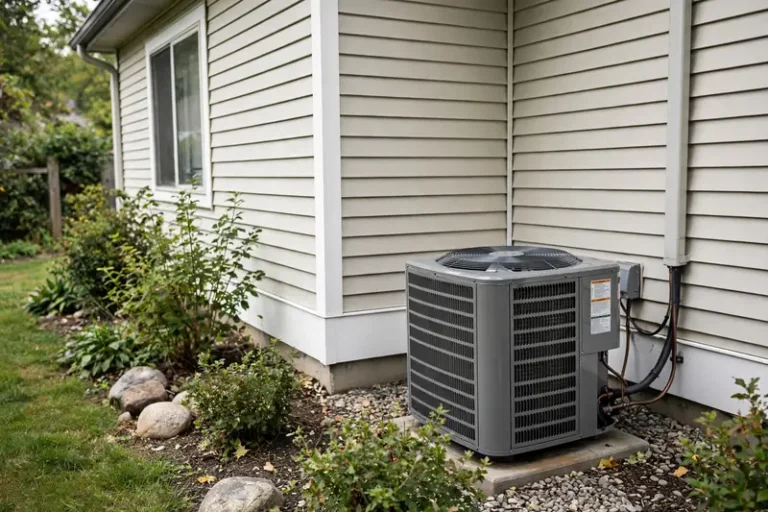
Every homeowner eventually faces the HVAC system lifespan replace question: is it smarter to repair the old unit one more time, or bite the bullet on a full replacement? With a new system costing $5,000 to $15,000 installed, the answer matters — replace too early and you waste money, wait too long and you pay for emergency service plus inflated energy bills. This guide walks through real HVAC system lifespan numbers for American homes, the warning signs that replacement is near, 2026 cost ranges, and a simple rule for the repair-or-replace decision.
HVAC System Lifespan: How Long Equipment Lasts Before You Replace
Most central air conditioners and heat pumps last 12–15 years in the United States, while gas furnaces typically run 15–20 years. Boilers can reach 20–30 years, and ductwork often lasts 25 years or more. These are averages for well-maintained equipment — a neglected system in Phoenix heat or Minnesota cold can die years early, while a pampered one can outlive the averages. Your local climate, installation quality, and maintenance history matter as much as the brand on the box.
Average Lifespan by Equipment Type
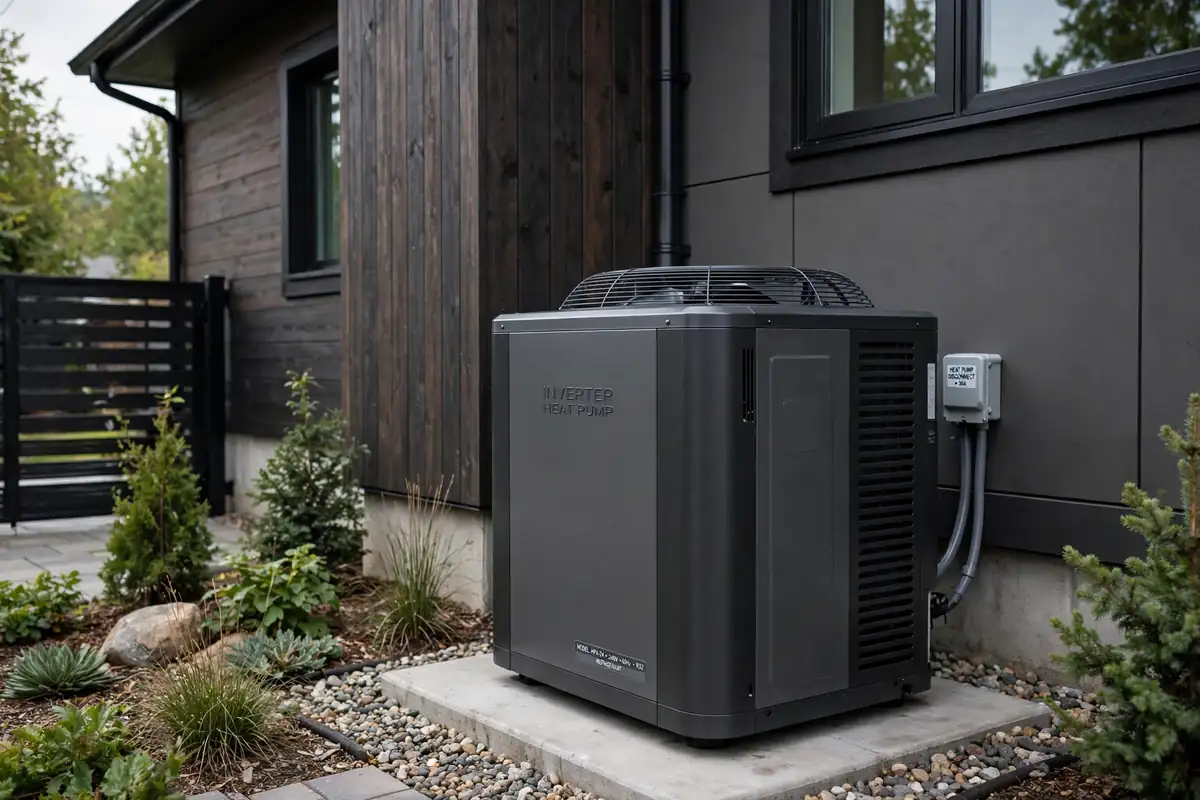
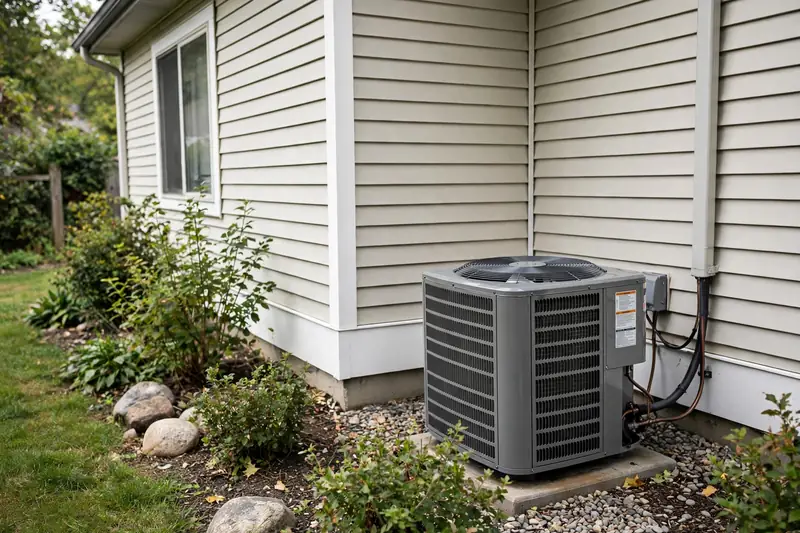
Central AC: 12–15 years. Air-source heat pump: 12–15 years (it runs year-round, so hours add up fast). Gas furnace: 15–20 years. Electric furnace: 20–30 years (fewer parts to fail, though pricey to run). Boiler: 20–30 years. Mini-split: 12–15 years. Thermostat: 10+ years. Add 3–5 years to any of these numbers with diligent maintenance — or subtract the same with neglect. If your equipment is past these marks, start budgeting — check current AC replacement costs and furnace replacement costs so a sudden failure doesn’t force a rushed, overpriced decision.
7 Signs It’s Time to Replace Your HVAC System
Age alone isn’t the whole story. Watch for rising energy bills despite normal usage — an aging system loses efficiency every year. Frequent repairs are another red flag: two or more breakdowns in a single season means the system is telling you something. Uneven temperatures between rooms, strange noises like banging or squealing, excessive dust, humidity problems, and a system that runs constantly without reaching the set temperature all point toward replacement. If your unit still uses R-22 refrigerant (phased out in the U.S.), replacement is urgent — R-22 repairs are brutally expensive now.
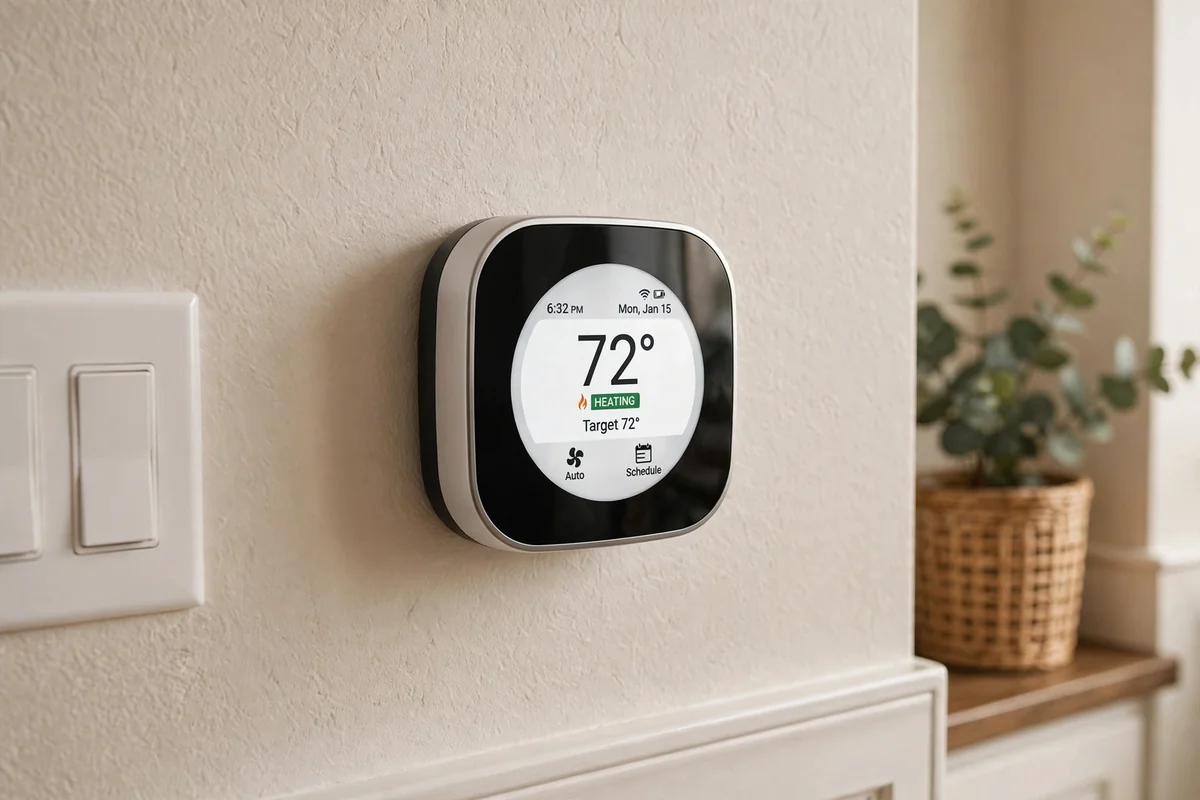
Track your energy bills year over year, too: a steady 10–20% climb that weather can’t explain is your system’s efficiency quietly fading. Smart thermostats with energy reports make this easy to spot — and the data helps you time replacement before the repair bills start.
The Repair Bill Tipping Point
HVAC pros use the “$5,000 rule”: multiply the repair cost by the system’s age in years. If the result tops $5,000, replace instead of repair. A $600 repair on a 10-year-old unit scores 6,000 — put that money toward new equipment. Before you decide, look up what typical HVAC repairs cost so you can do the math honestly, and rule out simple problems like a furnace that won’t ignite that might have cheap fixes.
What Replacement Costs in the USA in 2026
A full central AC replacement runs $5,000–$12,000 installed; a gas furnace runs $4,500–$10,000; a heat pump runs $4,500–$12,000; a complete furnace-plus-AC system runs $8,000–$15,000. Ductless mini-splits cost $2,000–$5,000 per zone. Prices vary by home size, efficiency rating, and local labor — expect higher quotes in coastal metros and lower ones in the Midwest and South.
What Drives the Price Up
High-efficiency variable-speed equipment, ductwork repairs, electrical panel upgrades, and difficult installations in tight attics or old homes all add cost. Get three written quotes and use a solid checklist to choose the right HVAC contractor — the cheapest bid often skips critical steps like proper load calculations. Also ask about the federal 25C tax credit (up to $2,000 for qualifying heat pumps) and local utility rebates that can knock thousands off the bill. Many contractors also offer 0% financing for 12–18 months, and manufacturer promotions each spring and fall can shave hundreds more off the quote — always ask what’s on the table before you sign.
How to Make Your HVAC System Last Longer
Maintenance is the cheapest life-extender you can buy. Change filters every 1–3 months, keep the outdoor unit clear of debris and vegetation, hose down condenser coils each spring, and keep supply vents open and unblocked. Schedule professional service twice a year for heat pumps and once a year for furnaces and ACs. A well-maintained system can outlive its rated lifespan by 3–5 years — and an HVAC maintenance plan makes it easy to never miss a visit.
Small Habits That Add Years
Don’t crank the thermostat to extremes — steady, moderate settings reduce wear on every component. Use ceiling fans to ease the load on your AC. Seal leaky ducts, because dirty or leaking ductwork forces your system to work overtime. Keep the area around indoor equipment clean and dry. These habits cost almost nothing and genuinely extend equipment life.
When HVAC System Lifespan Ends: Replace or Repair?
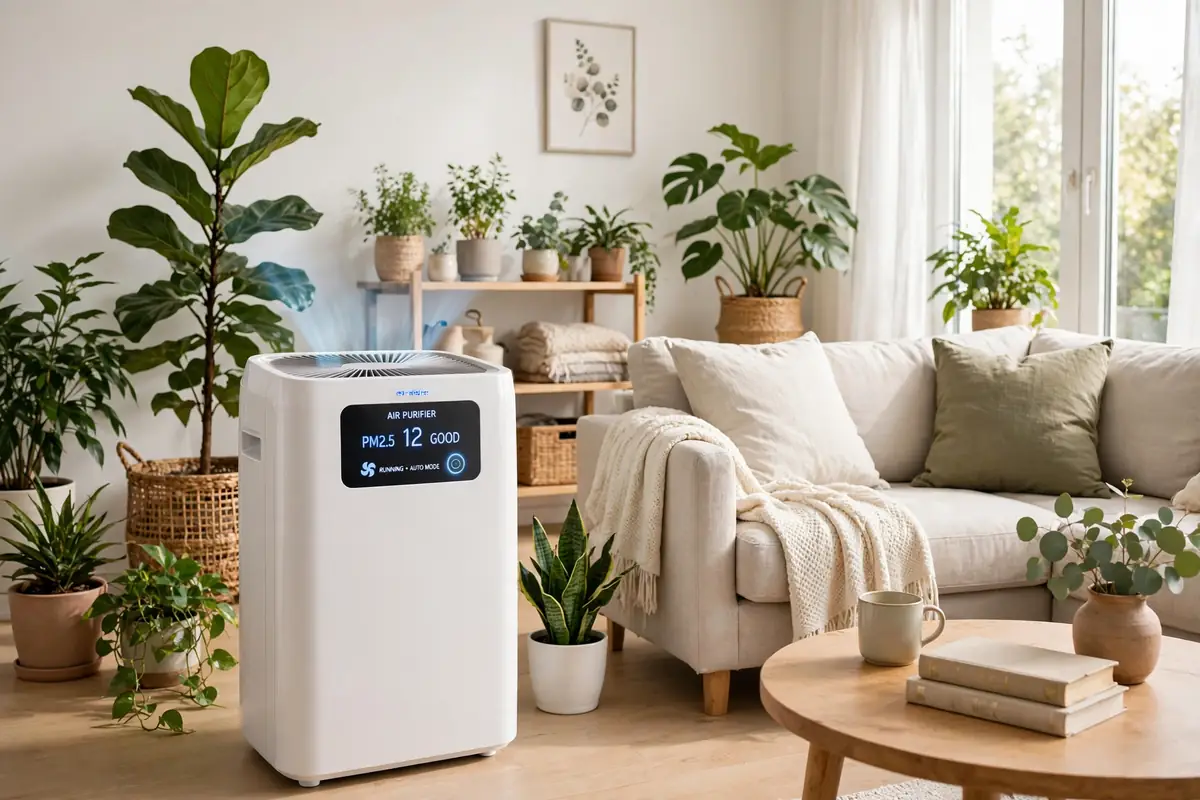
Here’s the decision framework pros actually use. Replace when: the system is past its expected lifespan, repairs fail the $5,000 rule, energy bills keep climbing, the unit uses phased-out R-22 refrigerant, or your family needs better comfort and air quality that old equipment can’t deliver. Repair when: the system is under 10 years old, the fix is minor like a capacitor or thermostat, and this is the first breakdown in years. When in doubt, get a second opinion — and compare boiler vs furnace options or mini-split installation costs if you’re open to switching system types entirely.
How to Save Money on Your Replacement
Replace in the shoulder seasons — spring and fall — when installers discount to fill their schedules; emergency mid-summer replacements cost the most. Ask about last year’s models, manufacturer rebates, and 0% financing offers. Right-size the equipment with a proper Manual J load calculation, because oversized systems cost more upfront and wear out faster. Claim every credit: federal 25C, state rebates, and utility incentives can knock thousands off a heat pump. Finally, cut your heating and cooling bills with insulation and air sealing, so you can buy a smaller, cheaper system in the first place.
Don’t forget to get every quote in writing with full equipment model numbers — verbal promises about efficiency ratings are worth nothing when the utility bill arrives.
How U.S. Climate Affects HVAC Lifespan
Where you live shapes how long your equipment survives. In the desert Southwest — Phoenix, Las Vegas, Tucson — air conditioners run 2,500+ hours a year and often die at 10–12 years instead of 15. In the humid Southeast, constant moisture corrodes coils and electrical components faster. In the upper Midwest and New England, furnaces endure brutal, long heating seasons that wear heat exchangers thin. Coastal homes face salt-air corrosion on outdoor units, and attic-installed air handlers in Southern heat age faster than basement units up North. The takeaway: if you live in an extreme climate, budget for replacement on the early side of the averages and never skip annual maintenance.
Protecting Equipment in Harsh Climates
Shade the outdoor condenser without blocking airflow, rinse coils more often in dusty or coastal areas, and consider a surge protector for the outdoor unit — power fluctuations during storm season kill control boards. In hurricane zones, strap down outdoor units and ask about a hard-start kit to handle brownouts gracefully. In wildfire-prone Western states, change filters monthly during smoke season; ash clogs a filter in days. These small regional habits can add 2–3 years to a system’s life, which is real money when replacement costs five figures.
HVAC System Lifespan: Frequently Asked Questions
What’s the typical HVAC system lifespan before you replace?
About 12–15 years for air conditioners and heat pumps, 15–20 years for gas furnaces, and 20–30 years for boilers — assuming regular maintenance. Neglected systems often fail 3–5 years early. Homes in extreme climates should plan for the early end of each range.
Is it worth repairing a 15-year-old AC?
Usually not for major repairs. Apply the $5,000 rule: a $700 repair times 15 years equals $10,500, well over the threshold. Minor fixes like capacitors are fine, but compressors and coils aren’t worth it at that age. At 15 years, even a successful major repair only buys borrowed time.
Should I replace my furnace and AC at the same time?
If both are over 12–15 years old, yes — you’ll save on labor, get matched equipment that runs more efficiently together, and avoid paying for two separate installations a year apart.
What shortens HVAC lifespan the most?
Skipped maintenance tops the list, followed by dirty filters, oversized or undersized equipment, leaky ducts, and extreme climates. Annual professional service is the single best investment you can make. A close second is never ignoring small problems — a $150 fix today prevents a $1,500 failure next season.
The HVAC system lifespan replace decision doesn’t have to be stressful. Know your equipment’s age, watch for the warning signs, use the $5,000 rule for repair calls, and start getting quotes before a breakdown forces your hand. A planned replacement in the shoulder season — with tax credits, rebates, and three competitive bids — routinely saves homeowners $1,000–$3,000 over a panicked emergency install. Your comfort, your energy bills, and your wallet all reward the homeowner who plans ahead. Start a replacement fund when your system hits year ten, keep up with maintenance, and you’ll face the decision on your terms — not at midnight during a heat wave.