The difference between an HVAC system that lasts 20 years and one that fails in 8 often comes down to a single decision: the contractor. Studies from the Department of Energy suggest that poor installation is behind most efficiency and reliability problems, not the equipment brand. So learning how to choose HVAC contractor USA homeowners can actually trust is one of the highest-value home skills you can build. This guide gives you a practical, step-by-step process: what licenses to verify, which questions reveal the pros, how to read quotes like an insider, and the red flags that should send you running.
Why Choosing the Right HVAC Contractor Matters So Much
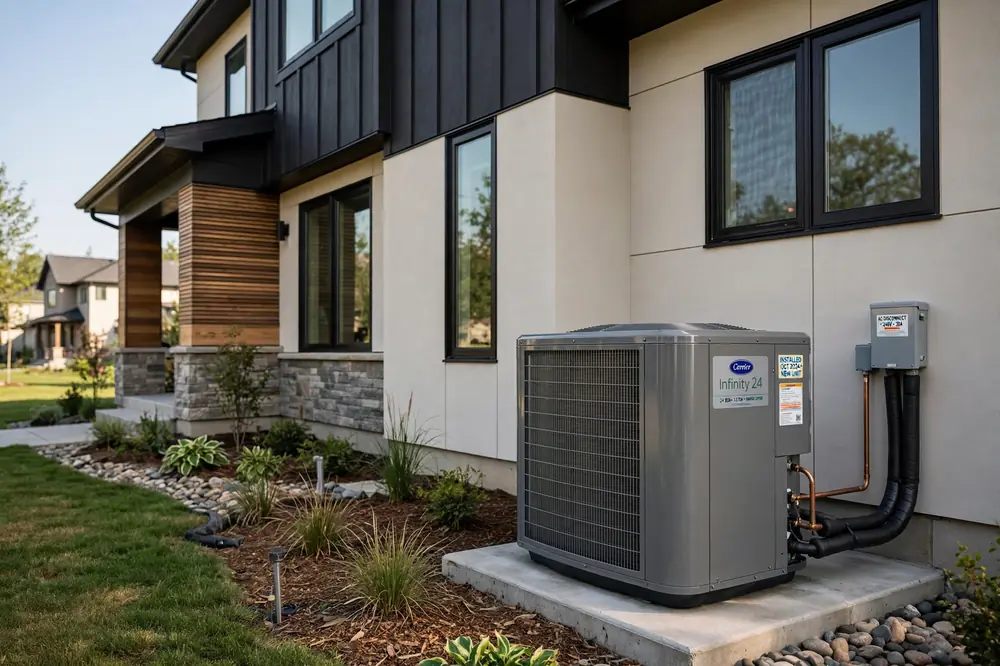
An air conditioner or furnace is only as good as its installation. Incorrect refrigerant charge, leaky duct connections, oversized equipment, and sloppy electrical work can cut efficiency by 30 percent and halve equipment life. The painful part is that these mistakes are invisible on day one: the system blows cold air, you pay the invoice, and the problems surface years later as high bills and early breakdowns. When you choose HVAC contractor USA professionals carefully, you are really buying correct sizing, careful workmanship, and someone who answers the phone when something goes wrong. That is worth far more than saving $500 on the cheapest bid.
The real cost of a bad installation
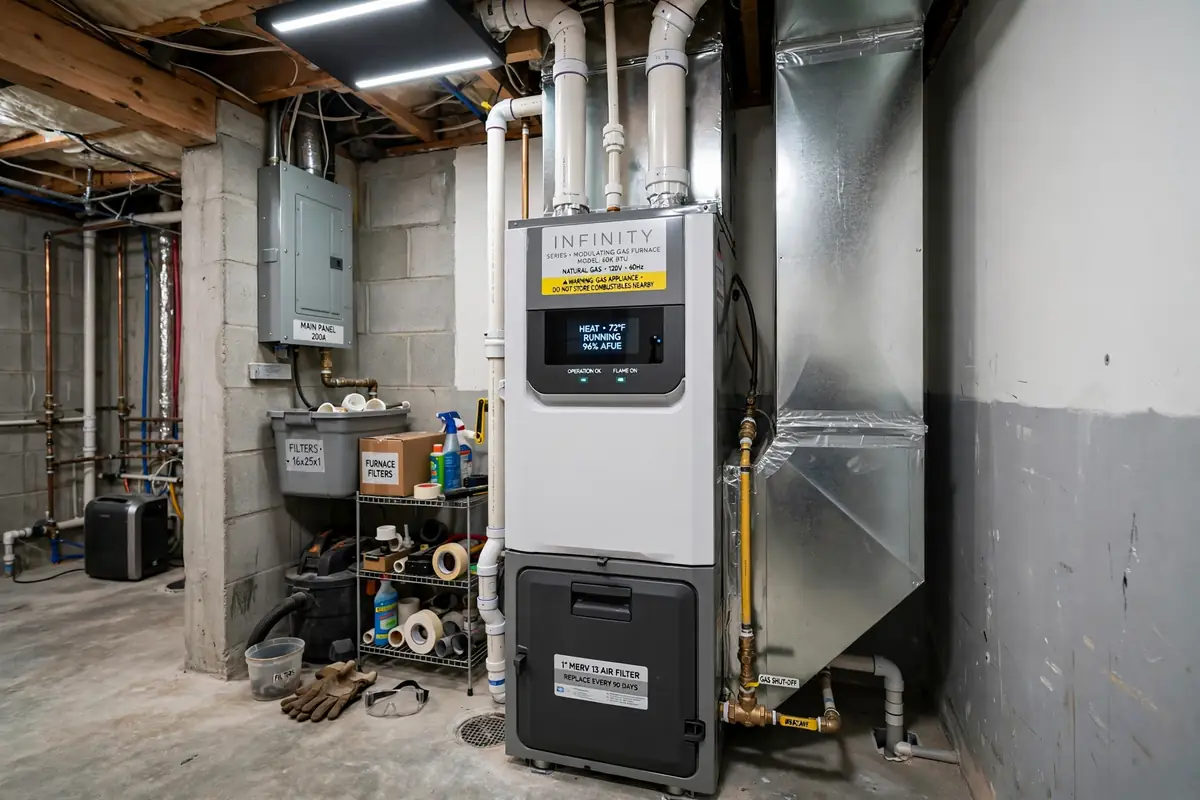
Industry data consistently shows that most comfort complaints trace back to installation, not manufacturing defects. A system installed without a proper load calculation may be oversized, causing short cycling, humidity problems, and premature compressor failure. Undersized ductwork strangles airflow and overheats furnaces. These errors can add hundreds of dollars per year to energy bills. Before hiring anyone for a big job, it helps to understand typical pricing in our guides to AC replacement cost USA and furnace replacement cost USA so you can spot quotes that are suspiciously low.
Step 1: Verify Licenses, Insurance, and Certifications
Never hire an HVAC contractor without checking credentials first. Requirements vary by state, but the checks below apply almost everywhere in the USA.
State license and EPA certification
Most states require HVAC contractors to hold a mechanical or HVAC license. Verify it on your state’s licensing board website, and confirm it is current with no disciplinary actions. Anyone handling refrigerant must hold EPA Section 608 certification by federal law. Ask for the license number upfront; legitimate contractors display it on their website, trucks, and proposals. If a contractor cannot produce a license number, stop there.
Insurance and bonding
Require proof of general liability insurance and workers’ compensation coverage. Without them, you could be liable if a worker is injured on your property or if faulty work damages your home. Ask for a certificate of insurance sent directly from their insurer, not a photocopy. Also look for NATE certification (North American Technician Excellence), which signals technicians passed rigorous competency testing, and check whether the company is a factory-authorized dealer for major brands, which usually means extra training and better warranty support.
Step 2: Research Reputation the Smart Way
Online reviews are useful but easy to game. Use them as one input among several.
Where to check reviews and complaints
Read Google reviews, Yelp, and the Better Business Bureau, focusing on how the company responds to negative reviews rather than the star count alone. Check your state attorney general’s office for complaints. Ask neighbors, coworkers, and local Facebook or Nextdoor groups for recent experiences. A contractor with 200 detailed local reviews over several years is far more trustworthy than one with 15 perfect five-star reviews posted last month.
Ask for references and recent jobs
Any established contractor should provide three to five recent local references. Call them and ask: Did the crew arrive on time? Was the final price close to the quote? Did they pull permits? Would you hire them again? Drive by a recent job if possible. Also ask how long the company has operated under its current name; frequent name changes can hide a trail of complaints.
Step 3: Get Multiple Detailed Quotes
Three written quotes is the minimum for any job over $1,000. For full system replacements, four or five is better. The goal is not just the lowest price but a clear picture of the market rate and what each company actually includes.
What a good quote must include
Every proposal should list exact equipment model numbers, efficiency ratings (SEER2, AFUE, or HSPF), warranty terms for parts and labor, a line-by-line scope of work, permit fees, thermostat details, and the project timeline. Vague quotes that say “install new AC system, $6,500” are a red flag. Detailed quotes let you compare fairly and hold the contractor accountable. This matters even for smaller work: our HVAC repair cost in USA guide shows how vague pricing hides inflated repair bills.
How to compare quotes fairly
Do not compare a quote for a 14.3 SEER2 single-stage unit against one for an 18 SEER2 variable-speed system; they are different products. Normalize by efficiency tier first, then compare labor scope, warranty length, and company reputation. A mid-priced bid from a highly rated contractor with a 10-year labor warranty usually beats the cheapest bid with a 1-year labor warranty. Ask each bidder what could change the price after work starts, and get the answer in writing.
Step 4: Ask These Questions Before You Sign
The interview separates true professionals from smooth salespeople. Ask every finalist these questions and note who answers clearly versus who dodges. If the project involves choosing between system types rather than a like-for-like swap, read our heat pump vs furnace comparison first so you can judge whether the contractor is recommending the right equipment or just the familiar one.
Technical questions to ask when you choose HVAC contractor USA professionals
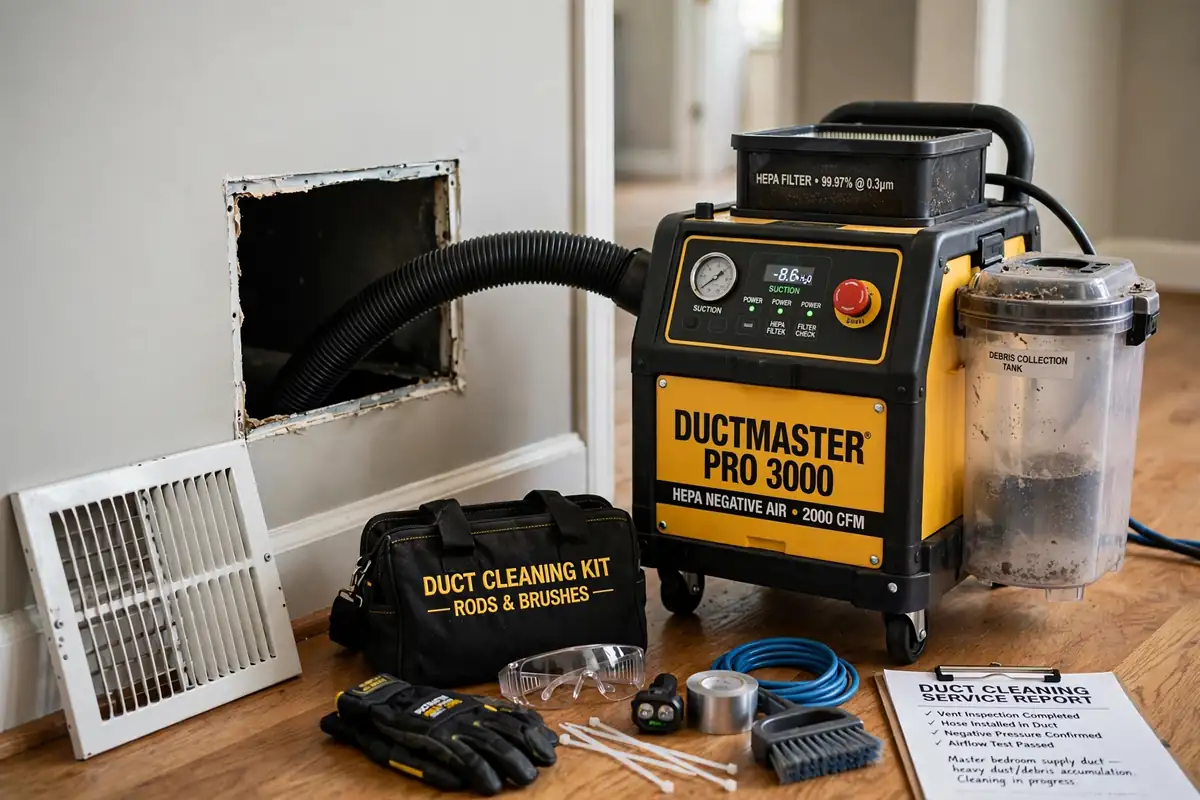
Ask: Will you perform a Manual J load calculation before sizing my system? How will you verify correct refrigerant charge and airflow after installation? Will you inspect my ductwork, and what happens if it needs repair? A pro welcomes these questions and explains the process. Anyone who sizes equipment by square footage alone or says load calculations are unnecessary is telling you everything you need to know. Understanding HVAC system lifespan expectations and how to size an AC unit for your home also helps you judge whether their recommendations are honest or just upselling.
Business questions that protect you
Ask: Are permits included, and will the work be inspected? What exactly do your parts and labor warranties cover, and for how long? Who does the work, your employees or subcontractors? What is your process if something goes wrong after installation? Get payment terms in writing: a deposit of 10 to 30 percent is normal, but never pay the full amount before the job is complete and inspected. Consider whether they offer a HVAC maintenance plan, which signals a company invested in long-term customer relationships rather than one-time sales.
Red Flags: When to Walk Away
Trust your instincts when you see these warning signs, no matter how attractive the price looks.
High-pressure sales tactics
Run from any contractor who demands a decision today for a “special price,” claims your system is dangerous without showing you evidence, or refuses to leave a written quote for you to review. Reputable companies give you days to decide. Be equally wary of door-to-door solicitors offering free inspections that inevitably find expensive problems.
Cash-only deals and missing paperwork
Insisting on cash, lacking a physical business address, having no website or verifiable reviews, and refusing to pull permits are all deal-breakers. Unpermitted work can void manufacturer warranties, create insurance problems, and cause headaches when you sell your home. A legitimate business has no reason to skip permits on a major installation.
Choose HVAC Contractor USA: Frequently Asked Questions
How do I find an HVAC contractor near me I can trust?
Start with referrals from people you know, then verify licenses on your state board site, read detailed reviews across multiple platforms, and interview at least three companies. Manufacturer websites for brands like Trane, Carrier, and Lennox list factory-authorized dealers in your zip code, which is a strong starting shortlist. Similar vetting logic applies to other trades; see our guide on how to hire an electrician in USA and how to find a reliable plumber near me in USA for parallel checklists.
Should I choose the cheapest HVAC quote?
Almost never for major work. The cheapest bid often means smaller crews, rushed work, skipped steps like load calculations, or lower-tier equipment described vaguely. Compare value instead: equipment quality, installation thoroughness, warranty length, and company reputation. The most expensive bid is not automatically best either, which is why detailed, comparable quotes matter.
Do HVAC contractors offer financing?
Most established contractors offer financing through lending partners, often with promotional 0 percent periods for 12 to 18 months on larger jobs. Compare their terms against a home equity line or personal loan before signing. Never let financing pressure rush your contractor decision; arrange the money separately if needed.
What should I expect on installation day?
Expect a crew of two to four technicians, drop cloths and shoe covers, several hours of work with power and possibly gas shut off temporarily, and a walkthrough at the end covering thermostat operation, filter changes, and warranty registration. Ask whether a modern thermostat installation guide USA-style smart thermostat is included in your quote, since it is one of the cheapest comfort upgrades available. A good crew cleans up thoroughly and hauls away all old equipment and debris.
Final Thoughts
Learning to choose HVAC contractor USA homeowners recommend without hesitation comes down to a simple formula: verify credentials, research reputation, collect detailed quotes, ask hard questions, and walk away from red flags. The extra few hours you invest upfront protect a purchase worth thousands of dollars and determine whether your system runs efficiently for two decades or limps along for one. Take your time, trust the process, and hire the contractor who earns your confidence, not just the one with the lowest number.