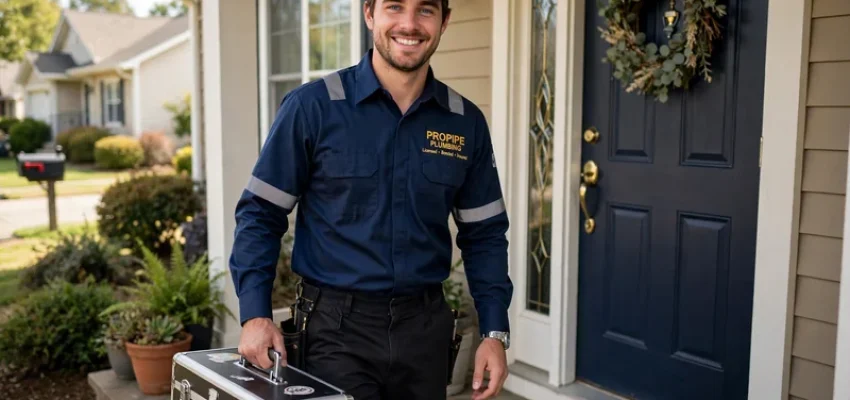

A burst pipe at midnight, a water heater that just died, a drain that will not clear no matter what you try — plumbing emergencies do not wait for convenient timing. When you need help fast, knowing how to find a reliable plumber near you in USA neighborhoods can mean the difference between a quick fix and a flooded basement. This guide walks you through every step: where to search, how to vet candidates, what questions to ask, and the red flags that signal you should keep looking.
The stakes are real. The Federal Trade Commission receives thousands of complaints yearly about home repair fraud, and plumbing is among the most common categories. Unlicensed operators overcharge, botch repairs, and disappear when problems surface. On the flip side, a great plumber becomes a long-term asset — someone you trust with your home’s most critical systems for years. Investing an hour in proper vetting pays off enormously.
Where to Search for a Plumber Near You
Start with multiple sources rather than relying on a single platform. Each has strengths and blind spots.
Google and Google Maps
Search “plumber near me” or “plumber + [your city]” and you will see map listings with ratings, review counts, hours, and photos. Focus on businesses with 50+ reviews averaging 4.5 stars or higher — a handful of perfect reviews means less than hundreds of consistently good ones. Click through to the business website: legitimate operations invest in a professional online presence with clear service descriptions and contact information.
Pay attention to how recent the reviews are. A company with glowing reviews from 2021 but complaints in 2025 may have changed ownership or lost key staff. Also note whether the owner responds to negative reviews professionally — that signals accountability.
Angi, HomeAdvisor, and Thumbtack
These lead-generation platforms pre-screen contractors for licensing and insurance, which filters out the worst operators. Angi (formerly Angie’s List) uses verified reviews from paying members. HomeAdvisor runs background checks. Thumbtack lets you describe your project and receive quotes. The tradeoff: plumbers pay for these leads, so prices may run slightly higher to cover acquisition costs.
Nextdoor and Local Facebook Groups
Neighborhood recommendations are gold. On Nextdoor, search your area for “plumber” and read real threads — neighbors describe specific jobs, prices paid, and whether they would hire again. Local Facebook community groups work similarly. These unfiltered opinions often reveal details that polished review sites miss, like punctuality, cleanliness, and how the plumber treats your home.
Your Water Utility or Home Warranty Company
Many municipal water utilities maintain lists of approved contractors. If you have a home warranty, your provider has a network of vetted plumbers — using them keeps your coverage intact. Even without a warranty, calling your utility’s customer line for recommendations is a smart, underused tactic.
Word of Mouth
Ask friends, coworkers, and neighbors directly. A personal referral from someone whose judgment you trust beats any algorithm. Ask specifically: What did they do? What did it cost? Would you call them again? One strong referral is worth more than fifty anonymous stars.
How to Vet a Plumber: The Essential Checklist
Once you have 3 to 5 candidates, run through this checklist before inviting anyone to your home.
Verify Licensing
Almost every US state requires plumbers to hold a license. Requirements vary: some states license at the state level (Texas, California, Florida), others delegate to cities or counties. Look up the license number on your state licensing board’s website — most have free online verification tools. An active license in good standing is non-negotiable.
Understand the tiers: an apprentice works under supervision, a journeyman can work independently, and a master plumber can pull permits and run a business. For complex jobs like sewer line replacement or repiping a house, insist on a master plumber or a company that employs one.
Confirm Insurance Coverage
Ask for proof of two policies: general liability (covers damage to your property — minimum $500,000 recommended) and workers’ compensation (covers injuries to their employees on your property). Without workers’ comp, an injured worker could sue you. Reputable companies email certificates of insurance without hesitation; evasiveness is a red flag.
Check Experience With Your Specific Problem
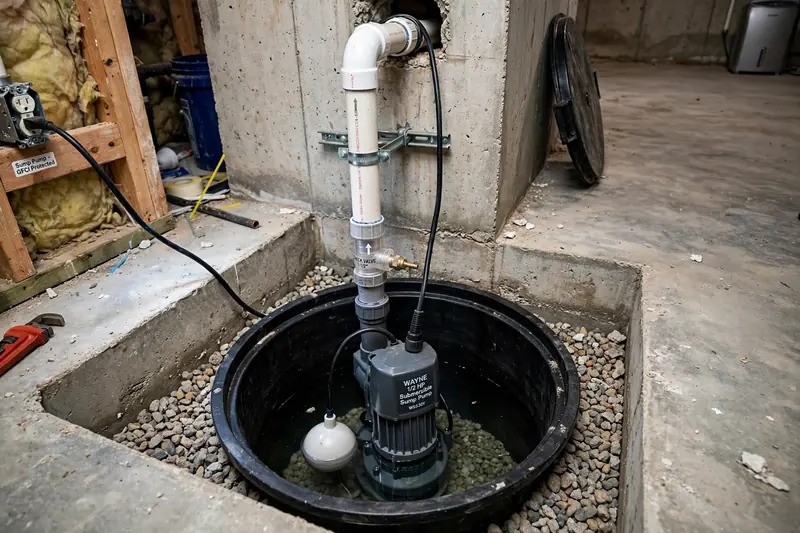
Plumbing is broad. A contractor who excels at kitchen sink installation may rarely handle septic tank pumping. Ask: “How many [your job type] have you done in the past year?” For specialized work like gas line installation for home use or sump pump installation, specific experience matters enormously.
Read Reviews Critically
Look for patterns across Google, Yelp, and the Better Business Bureau. A few complaints about price are normal; repeated complaints about no-shows, sloppy work, or refusal to honor warranties are not. Check how the company handles criticism — defensive or dismissive responses reveal character. Also verify the business has a physical address, not just a P.O. box or residential listing.
Ask About Pricing Structure
Plumbers typically charge either flat-rate (fixed price per job) or time-and-materials (hourly rate plus parts). Flat-rate gives cost certainty; hourly can be fairer for unpredictable diagnostic work. Typical hourly rates run $75 to $200 depending on region. Always ask: Is there a trip/diagnostic fee? What is your minimum charge? Do you mark up parts, and by how much? Get the answers in writing before work begins.
Questions to Ask Before Hiring
When you call or meet a plumber, these questions separate professionals from pretenders:
Are you licensed and insured? Can you send proof? (If they hesitate, move on.)
Do you guarantee your work, and for how long? Look for at least a one-year workmanship warranty on top of manufacturer warranties. The best companies offer two years or more.
Will you pull a permit if required? For water heater replacement, sewer work, and repiping, permits are usually mandatory. A plumber who suggests skipping permits is cutting corners on your safety.
Who will actually do the work? Some companies send the estimator who is a salesperson, then dispatch a different technician. Ask about the assigned tech’s experience level.
What is your cleanup policy? Professional plumbers protect floors with drop cloths, wear shoe covers, and haul away debris. This seems minor until someone tracks mud through your living room.
Can you provide references for similar jobs? Willingness to connect you with past clients signals confidence. Actually call the references — most people never do, which is why the offer is such a good filter.
How do you handle unexpected complications? Good plumbers explain their process: they stop, show you the issue, explain options and costs, and get approval before proceeding. Bad plumbers just keep billing.
Red Flags: When to Walk Away
Trust your instincts, but also watch for these concrete warning signs:
Demanding full payment upfront. Standard practice is a deposit of 10 to 30 percent for large jobs, with the balance due on completion. Anyone demanding 100 percent before starting is a major risk — especially for big projects like bathroom remodels. For context on typical project costs, see our bathroom remodel cost in USA 2026 guide.
No written estimate. Verbal quotes evaporate when disputes arise. Insist on a written scope of work with itemized pricing. “Trust me, it’ll be about $500” is not an estimate.
High-pressure tactics. “This price is only good today” or “I happen to have materials in the truck” are classic scam lines. Legitimate plumbers give you time to decide and compare quotes.
Unmarked van, no business cards, cash only. Professional operations have branded vehicles, proper invoicing, and accept multiple payment methods. Cash-only with no receipt means no recourse if things go wrong.
Refusing to pull permits. As noted above, this suggests unlicensed work or code violations. Walk away immediately.
Badmouthing every competitor. Confidence is quiet. A plumber who trashes all competitors is usually compensating.
Understanding Plumbing Costs
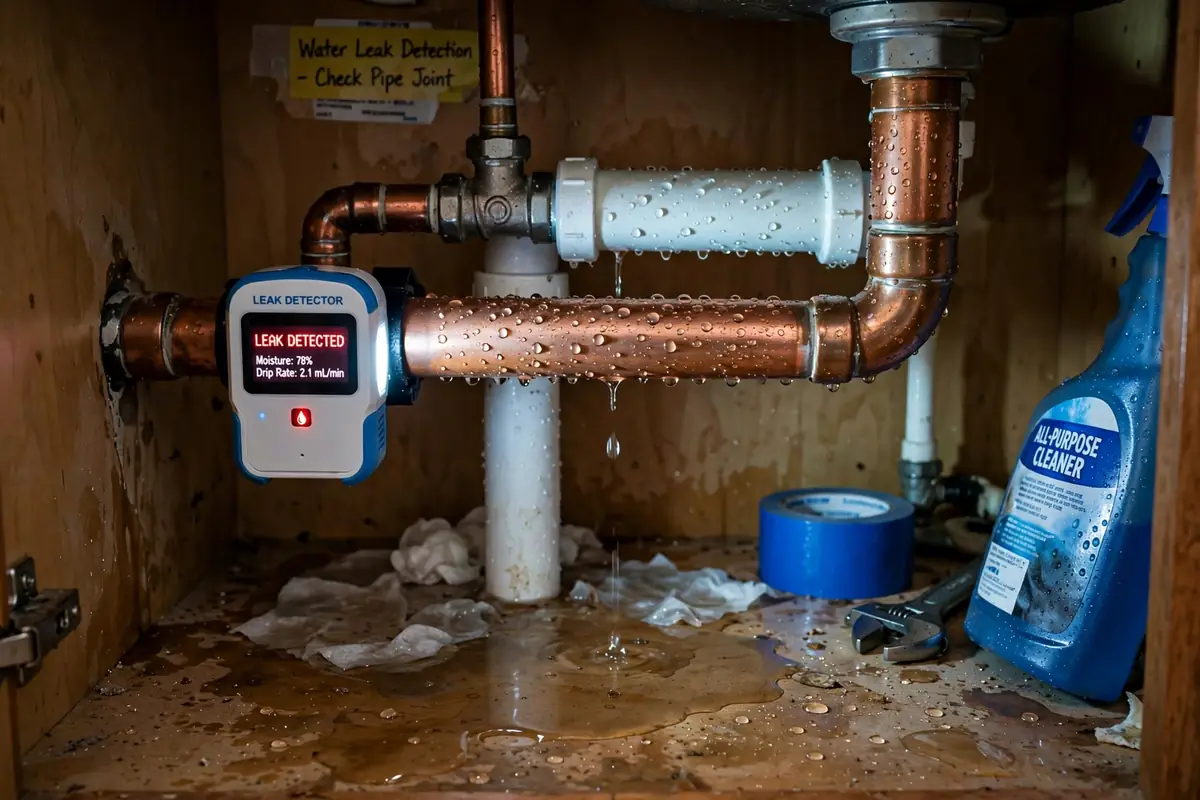
Knowing typical price ranges protects you from both overcharging and suspiciously low bids (which often balloon later). Common benchmarks: drain cleaning runs $150 to $400; toilet installation costs $250 to $600; water heater maintenance visits run $100 to $200; water leak detection services cost $150 to $400.
Emergency and after-hours service commands a premium — typically 1.5 to 2 times the standard rate. That is why knowing when to call an emergency plumber in USA versus waiting for morning can save real money. A dripping faucet can wait; a burst pipe flooding your basement cannot.
Always get the quote in writing with a breakdown of labor, materials, and any potential extras. If a plumber cannot explain what you are paying for, find one who can.
Building a Long-Term Relationship
The best outcome is finding a plumber you trust enough to call for everything — from annual water heater maintenance to preventing frozen pipes in winter. Once you find that person or company, stick with them. Loyal customers often get priority scheduling, honest advice against unnecessary work, and fairer pricing over time.
Schedule preventive maintenance annually: a whole-house plumbing inspection ($150–$300) catches small issues before they become emergencies. Have your water softener serviced, outdoor faucets winterized per our guide to winterizing outdoor plumbing, and drains checked. Prevention is dramatically cheaper than repair — a $200 inspection that catches a slow water leak can prevent $5,000 in water damage restoration.
Keep your plumber’s number saved in your phone alongside your electrician and HVAC tech. When water is pouring where it should not be, you will not have time to research — you will just be grateful you already did.
Frequently Asked Questions
How much does a plumber cost per hour in the USA?
Rates typically range from $75 to $200 per hour depending on region, with most homeowners paying $100 to $150. Master plumbers and emergency calls cost more. Many plumbers also charge a $50–$100 trip fee for the initial visit.
Should I tip my plumber?
Tipping is not expected or required in the plumbing trade, unlike food service. If a technician goes above and beyond — say, working late to restore your water — a $20 to $50 tip or positive review is a nice gesture but entirely optional.
What is the difference between a plumber and a plumbing contractor?
A plumber is an individual tradesperson; a plumbing contractor is a licensed business that may employ multiple plumbers. For small repairs, an independent journeyman is fine. For large projects requiring permits and coordination, a contractor with a master plumber on staff is the safer choice.
Learning how to find a reliable plumber near you in USA communities is a skill every homeowner needs eventually. Take the time to vet properly, get everything in writing, and build that long-term relationship — your future self, standing in a dry basement with working hot water, will thank you.