Termites cause more than $5 billion in property damage across the United States every year — and homeowner’s insurance does not cover a dime of it. If you have spotted mud tubes on your foundation, hollow-sounding wood, or swarmers around your windows, understanding the termite treatment cost in the USA is urgent. Prices range from a few hundred dollars for spot treatments to $8,000 for whole-house fumigation. Here is the complete 2026 breakdown so you can act fast without overpaying.
Average Termite Treatment Cost in the USA 2026
Most American homeowners pay between $500 and $3,500 for professional termite treatment, with the national average landing around $1,500. The huge range exists because “termite treatment” covers everything from a localized spot spray to tenting your entire house. The termite treatment cost in the USA depends on the termite species, the extent of the infestation, your home’s size and construction, and which treatment method is used.
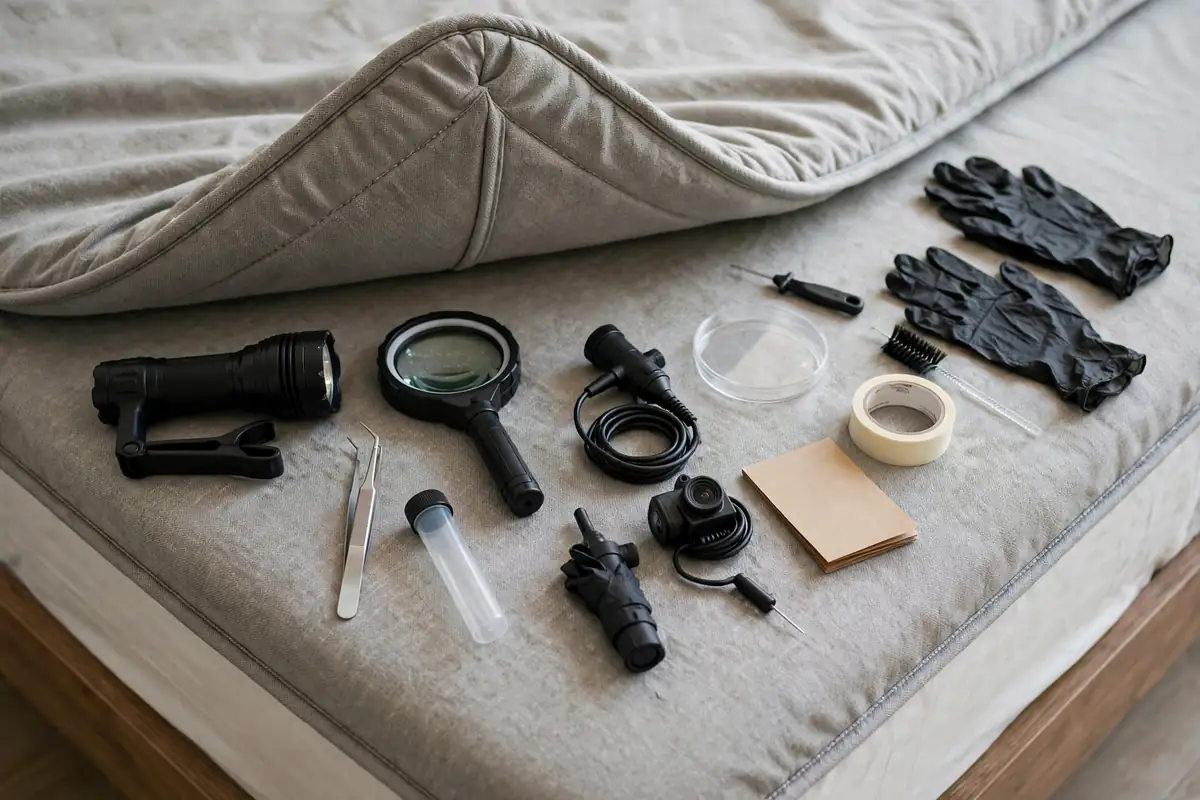
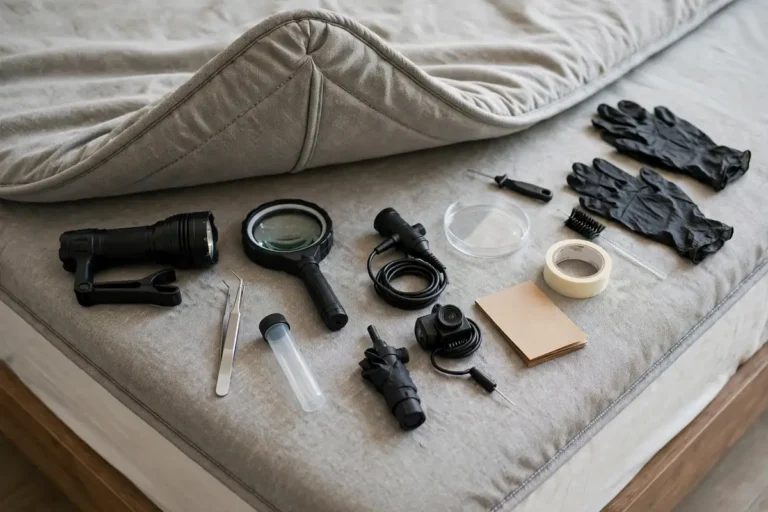
Subterranean termites — the most destructive and most common type east of the Rockies — are typically treated with liquid barrier treatments or bait systems. Drywood termites, common in Florida, California, Arizona, and Hawaii, often require fumigation or heat treatment. Knowing which species you have is step one, which is why a professional inspection ($75 to $150, often free with treatment) always comes first. A good inspector checks crawl spaces, basements, and attic areas for frass, mud tubes, and damaged wood.
Termite Treatment Cost by Method
Liquid Barrier Treatment ($500–$2,500)
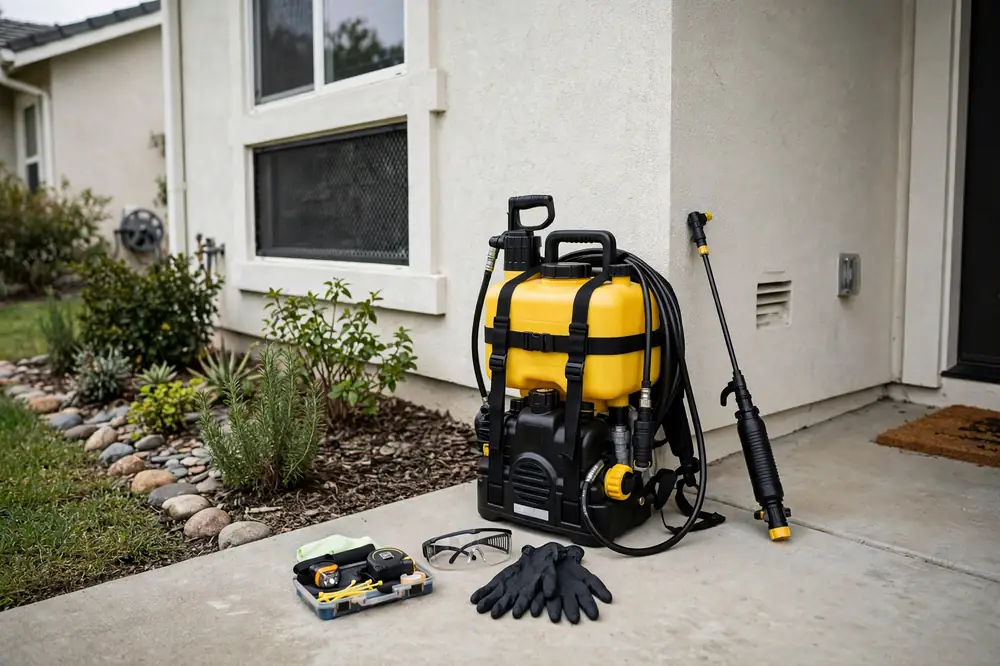
The most common treatment for subterranean termites. A licensed technician trenches around your foundation and injects termiticide (usually fipronil-based products like Termidor) into the soil, creating a treated zone termites cannot cross. Foraging termites carry the slow-acting chemical back to the colony, wiping it out over weeks. A typical 2,000-square-foot home costs $1,000 to $2,000. The barrier lasts 5 to 10 years, and most companies offer renewable annual warranties ($175 to $400 per year) with yearly inspections.
Bait Systems ($1,200–$3,500)
Stations installed around your home’s perimeter contain slow-acting bait that worker termites carry back to the colony. Brands like Sentricon are popular because they use minimal pesticide — good news if you have kids, pets, or a vegetable garden. Installation costs more upfront, and monitoring visits run $250 to $400 per year. Bait systems take longer to eliminate colonies (3 to 6 months) but provide ongoing monitoring, which many homeowners in high-risk states like Georgia, Texas, and Louisiana prefer.
Whole-House Fumigation ($2,000–$8,000)
The big tent. Fumigation with sulfuryl fluoride gas penetrates every wall void and piece of wood in the house, killing drywood termites with near-100% effectiveness. It is the nuclear option — you must vacate for 2 to 3 days, remove plants, pets, and food, and the cost scales with home size and the cubic footage under the tent. A 2,500-square-foot home in Southern California typically costs $4,000 to $6,000. Fumigation leaves no residual protection, so pair it with preventive measures afterward.
Heat Treatment ($1,500–$4,000)
Specialized heaters raise the structure’s temperature to 120–140°F, killing drywood termites without chemicals. It is faster than fumigation (usually one day) and chemical-free, but it does not penetrate as deeply into thick timbers, so it suits localized infestations. Availability is limited — mostly in California, Arizona, and Florida metro areas.
Spot and Localized Treatments ($250–$900)
Small, contained drywood termite infestations can sometimes be treated with direct wood injections or surface applications. This only works when the infestation is truly limited — a gamble without a thorough inspection. Most reputable companies will not guarantee spot treatments the way they guarantee full treatments.
Factors That Drive Termite Treatment Cost
Infestation Severity
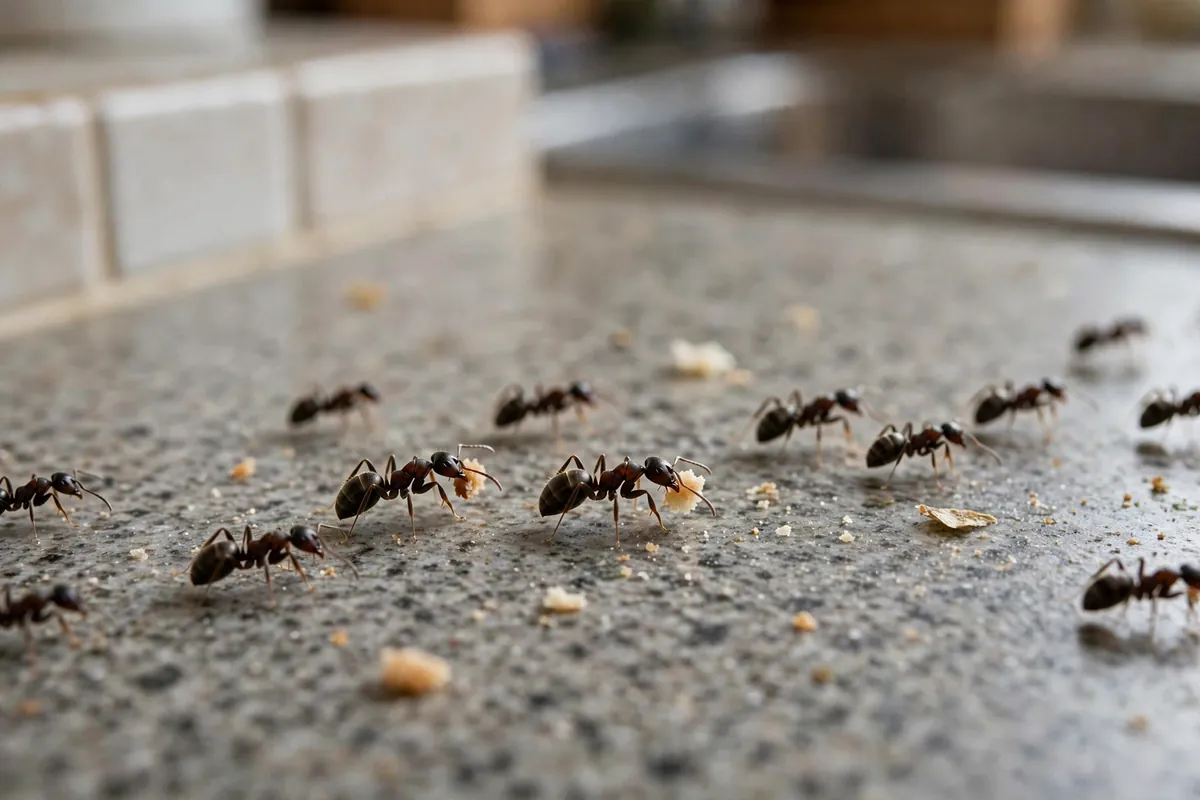
A colony caught early in one wall costs a fraction of a multi-year infestation spread through floor joists and sill plates. This is the strongest argument for annual inspections in termite-heavy regions — catching activity early routinely saves homeowners $2,000 or more. If you are already dealing with ants in the house, mention it during the termite inspection; moisture problems that attract ants often attract termites too.
Home Size and Foundation Type
Bigger homes need more product and labor. Slab foundations are generally cheaper to treat than crawl spaces or basements, which require technicians to suit up and crawl through tight, dark spaces (expect a 20 to 40 percent premium for difficult access). Pier-and-beam homes common in Texas and the Southeast fall in the middle.
Species and Region
Formosan termites — the aggressive super-colony species spreading across the Gulf Coast from Texas to Florida — can require more intensive treatment than native subterranean termites. Drywood termite fumigation in high-cost coastal California markets runs noticeably more than the same job inland. Always get quotes from companies experienced with your region’s specific termite pressure.
Termite Damage Repair Costs
Treatment kills termites; it does not fix what they ate. Repair costs are separate and sobering: minor cosmetic wood repair runs $500 to $1,500, structural repairs to sill plates, joists, or wall framing run $2,000 to $8,000, and severe cases involving foundation-adjacent framing can exceed $15,000. This is why prevention and early detection are worth many times their cost. After treatment, redirect water away from the foundation and keep firewood stored away from the house — wood-to-soil contact is an open invitation.
How to Prevent Termites After Treatment
Protect your investment with these proven steps: keep soil and mulch at least 6 inches below siding; fix leaky faucets and downspouts that create moist soil; never stack firewood against the house; keep gutters clean so water does not pool at the foundation; and maintain your annual warranty inspections. Homeowners who want to prevent termites long-term should also consider reducing wood-to-ground contact everywhere — including old fence posts and landscape timbers near the structure. Pairing termite prevention with a quarterly pest control plan catches new activity between annual termite inspections.
Choosing a Termite Company
Do not hire the first company that finds termites during a “free inspection” — get two or three opinions, because misdiagnosis happens and treatment recommendations vary. Verify the state license — the same diligence you use to choose a pest control company — ask for the treatment plan in writing with the specific product names, and compare warranties carefully: a one-year warranty versus a renewable annual warranty is a very different value proposition. The same vetting discipline you use to choose a pest control company applies doubly here, since termite jobs are the most expensive in the industry.
Termite Warranties and Ongoing Protection Costs
One thing first-time termite customers often overlook is the warranty. Most liquid barrier treatments include a one-year warranty, with renewable annual coverage running $175 to $400 per year — and that renewal is worth buying. The warranty means the company re-inspects every year and re-treats free if termites return, which transforms a one-time gamble into ongoing protection. Bait systems work similarly, with $250 to $400 in annual monitoring fees keeping the stations active and checked.
Think of the warranty as cheap insurance against the most expensive pest in American homeownership. Homes under continuous warranty almost never suffer major structural damage, because annual inspections catch new activity at the mud-tube stage when treatment is free under the warranty and damage is zero. When comparing quotes, weigh the warranty terms as heavily as the upfront price — a $1,800 treatment with a strong renewable warranty beats a $1,200 treatment with no follow-up. And keep up the prevention fundamentals between visits: the termite prevention habits that keep soil dry and wood off the ground make the warranty inspector’s job easy and your home genuinely protected. Many homeowners coordinate termite warranty inspections with their quarterly pest control visits so one company watches the whole property, and anyone dealing with broader insect pressure should review natural pest control methods that complement chemical barriers around the home.
FAQs About Termite Treatment Cost in the USA
How much does termite treatment cost for a 2,000 sq ft house?
Expect $1,000 to $2,500 for a liquid barrier treatment or $1,500 to $3,000 for a bait system on a typical 2,000-square-foot home. Fumigation for drywood termites would run $3,000 to $6,000.
Does homeowner’s insurance cover termite treatment?
No. Standard homeowner’s policies exclude termite damage and treatment as a maintenance issue. This makes prevention and early treatment entirely your financial responsibility.
How long does termite treatment last?
Liquid barriers last 5 to 10 years in the soil. Bait systems provide continuous protection as long as monitoring continues. Fumigation kills everything present but leaves zero residual — reinfestation is possible immediately.
Can I treat termites myself?
DIY products exist, but termites are the wrong pest to learn on. Misapplied treatment can scatter the colony (making it harder to eliminate) while giving you false confidence. Professional treatment with a warranty is strongly recommended.
What are the signs I need termite treatment?
Mud tubes on foundations, hollow-sounding wood, discarded wings near windows, frass (termite droppings that look like sawdust), and tight-fitting doors or windows caused by moisture from termite activity.
Final Thoughts
The termite treatment cost in the USA rewards speed: every month of delay lets the colony eat deeper into your framing and pushes you from a $1,200 treatment toward a $6,000 treatment plus repairs. Get inspected at the first sign of trouble — or proactively every year if you live in the Southeast, Gulf Coast, or other high-pressure zones. Choose a licensed company, get the warranty in writing, and follow through with the prevention steps that keep termites from coming back. Compared with the cost of structural repairs, professional termite treatment is one of the best values in homeownership.