Waking up with itchy red welts in neat little rows is every homeowner’s nightmare — and if you have confirmed bed bugs, you need a plan, not panic. Bed bug treatment options in the USA range from $300 heat treatments for a single room to $2,500+ whole-home fumigation-style heat jobs. This guide compares every major method — heat, chemical, steam, freezing, and fumigation — with honest costs, effectiveness, and what to expect, so you can choose the right approach the first time.
How to Confirm You Actually Have Bed Bugs
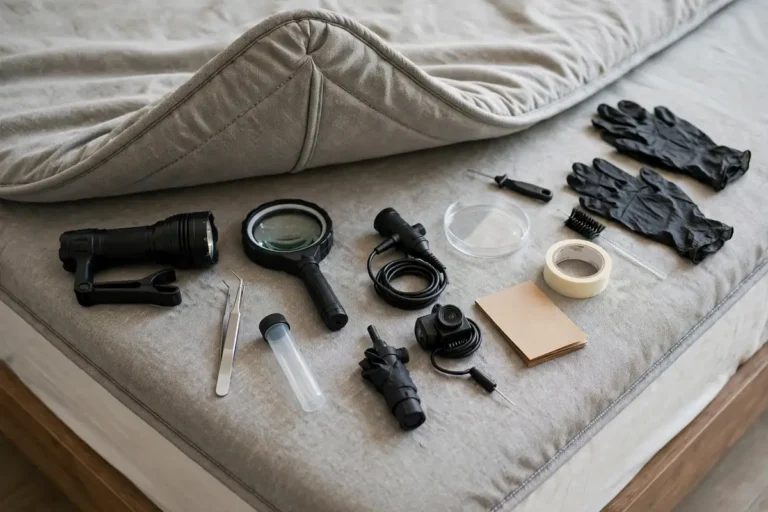
Before spending a dollar, verify. Bed bug signs include: small rust-colored spots (fecal matter) on mattress seams and box springs; shed skins in crevices; tiny white eggs in cracks; and a sweet, musty odor in heavy infestations. The bugs themselves are apple-seed-sized, reddish-brown, and hide in mattress seams, headboards, nightstands, and baseboards within a few feet of where you sleep. Not every itchy welt is bed bugs — carpet beetles, fleas, and even dry winter skin cause similar marks. If you are unsure, hire an inspection ($100 to $200, often credited toward treatment) or use a bed bug sniffing dog service, which is remarkably accurate. Misdiagnosis wastes money, so confirm first — the same reason you verify before you choose a pest control company for any major job.
Heat Treatment: The Gold Standard ($1,000–$2,500+)
Whole-home heat treatment is the most effective single-visit option available in 2026. Industrial heaters raise room temperatures to 120–140°F and hold them for several hours, killing bed bugs at every life stage — eggs included — in one day. No chemicals, no second visit, no residual pesticides on your mattress. A single bedroom runs $300 to $600; a full 2,000-square-foot home typically costs $1,500 to $2,500.
The catch: heat does not prevent reinfestation. If the bugs came from a neighboring apartment or a recent trip, they can come back. Reputable companies include a 30- to 90-day warranty with free re-treatment. Preparation is significant — you must bag and heat-treat clothing, remove heat-sensitive items (candles, vinyl records, certain medications), and clear clutter so heat circulates. Ask whether the company uses wireless temperature sensors in cold spots like wall voids; proper monitoring separates the pros from the pretenders.
Room-by-Room vs Whole-Home Heat
Treating just the bedroom costs less but risks missing bugs that migrated to the living room couch or hallway baseboards. Bed bugs spread surprisingly far in established infestations. If bugs have been present more than a couple of months, whole-home treatment is the safer bet despite the higher price.
Chemical Treatment ($300–$1,200)
Professional chemical treatment uses EPA-registered insecticides — typically a combination of a contact killer, a residual product, and an insect growth regulator (IGR) that sterilizes survivors. Expect 2 to 3 visits spaced 2 to 3 weeks apart, because no chemical reliably kills bed bug eggs; the follow-ups kill newly hatched nymphs before they reproduce. A typical apartment costs $300 to $600; a house runs $600 to $1,200.
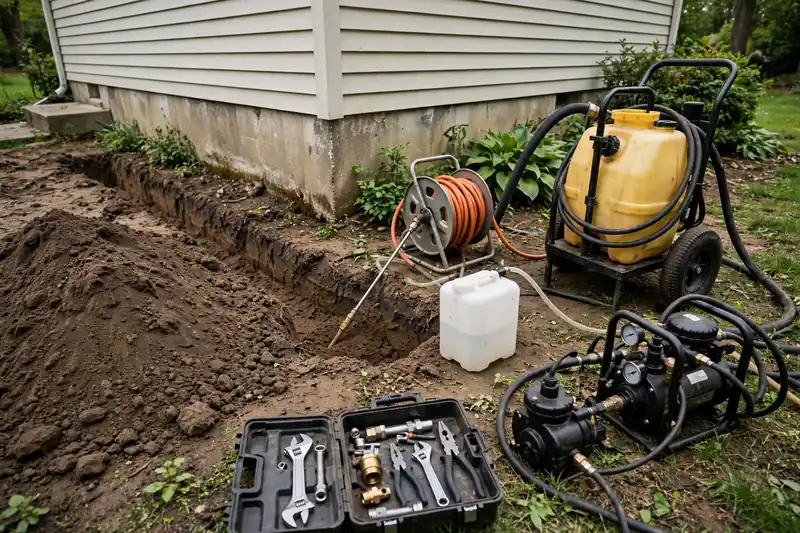
The big challenge is resistance. Bed bug populations across the USA have developed significant resistance to pyrethroids (the most common DIY spray ingredient), which is why store-bought sprays so often fail. Professionals rotate chemical classes and use non-repellent formulations the bugs cannot detect and avoid. If a company proposes a single chemical visit with no follow-up, keep shopping.
Steam Treatment ($250–$800)
Dry vapor steamers producing 200°F+ steam kill bed bugs and eggs on contact — excellent for mattress seams, box springs, and upholstered furniture where you do not want chemicals. Steam is usually offered as a supplement to chemical or heat treatment rather than a standalone whole-home solution, because it only kills what it touches and provides no residual. As a DIY supplement between professional visits, a quality steamer ($150 to $300 to buy) is one of the smartest purchases a bed bug battler can make.
Fumigation ($4,000–$8,000+)
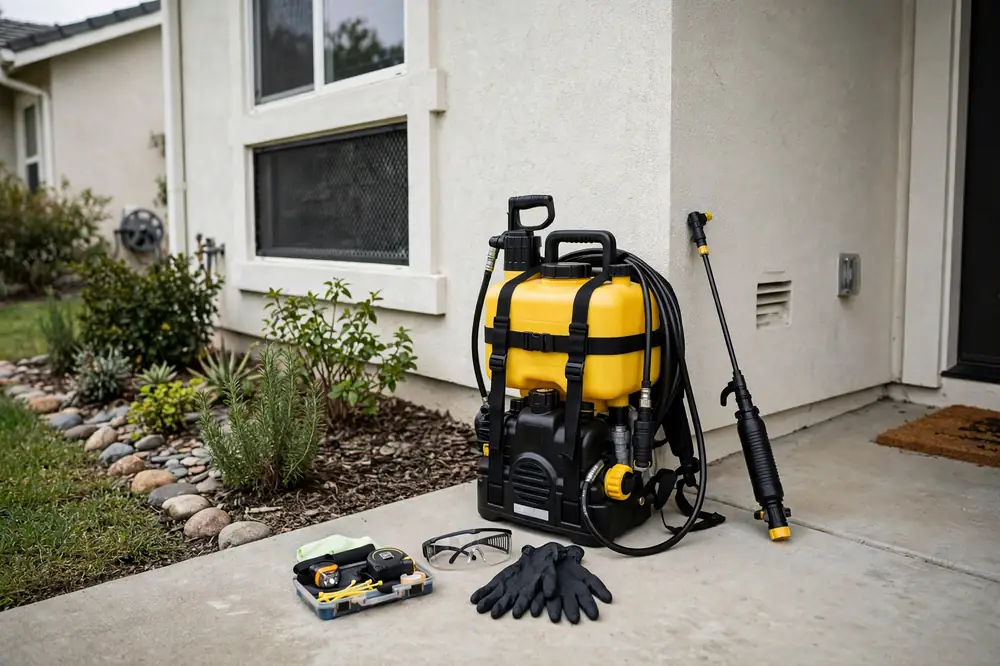
Whole-structure fumigation with sulfuryl fluoride — the same tenting used for termite treatment — kills everything, guaranteed. It is the most thorough option and sometimes the only choice for severe infestations in cluttered homes or multi-unit buildings where bugs keep migrating between units. The downsides are cost, the 2- to 3-day vacate requirement, and zero residual protection afterward. Most single-family homeowners never need this level; heat treatment achieves the same kill rate for less money and hassle.
Freezing and Other Methods
Cryonite (pressurized CO2 snow) freezes bugs on contact and works well for electronics and delicate items that cannot take heat or chemicals — think alarm clocks, books, and framed photos. It is a spot tool, not a whole-home solution. DIY freezing in a home freezer works for small items (0°F for 4+ days), a handy trick for luggage after travel. Mattress encasements ($50 to $100) trap existing bugs inside to starve and make future inspections easy — they are essential prevention, not treatment alone.
What About DIY Bed Bug Treatment?
Be honest about the infestation size. A very early catch — a few bugs on one mattress after a hotel stay — can sometimes be beaten with encasements, thorough steaming, diatomaceous earth in cracks, and relentless laundering (hot water + high-heat dryer, the dryer heat is what kills them). But established infestations laugh at DIY. Every week of failed DIY lets females lay 200 to 500 eggs, turning a $500 problem into a $2,000 problem. If you see bugs in multiple rooms, stop experimenting and call a professional. This is also where a quarterly pest control plan earns its keep — regular inspections catch the next introduction early.
Preparing Your Home for Treatment
Preparation determines success more than most people realize. Wash and dry all bedding and clothing on the hottest settings, then seal clean items in bags. Declutter ruthlessly — clutter gives bugs infinite hiding spots and blocks treatment. Vacuum mattresses, baseboards, and furniture thoroughly, then discard the vacuum bag outside immediately. Move furniture away from walls. For heat treatment, remove anything that melts, pressurizes, or holds sentimental value at high temperatures. Companies provide a prep sheet; follow it exactly. Skipping prep is the top reason treatments fail and warranties get voided.
Preventing Bed Bugs After Treatment
Post-treatment vigilance matters: install mattress and box spring encasements, add interceptor traps under bed legs (they catch wandering bugs and serve as early warning), and inspect hotel rooms before settling in — check mattress seams and headboards, keep luggage on racks away from the bed. Secondhand furniture deserves a full inspection and steaming before it enters your home. If you live in an apartment building, coordinate with neighbors and management; treating one unit while adjacent units harbor bugs is futile. Regular deep cleaning reduces the cluttered harborages bed bugs love, and knowing how to hire a house cleaner for periodic intensive cleans helps maintain a low-clutter, easy-to-inspect home.
Bed Bugs in Apartments: Your Rights and Strategy
Apartment dwellers face a special challenge — bed bugs travel through walls, so your neighbor’s infestation becomes yours. Most states require landlords to address bed bug infestations, though the specifics vary: many jurisdictions make landlords responsible for treatment costs, while tenants must cooperate with preparation and report promptly. Document everything in writing — when you first noticed signs, when you notified management, and what was done. If the building treats only your unit while adjacent units harbor bugs, reinfestation is nearly certain, so push for building-wide inspection.
Protect yourself with encasements and interceptor traps from day one, minimize clutter that gives bugs harborages, and be cautious with shared laundry facilities — transport clothes in sealed bags and use high-heat dryer cycles. Travelers should also know that move-out cleaning standards in many leases now address pest disclosure, and a thorough deep cleaning before moving into a new apartment lets you inspect every corner before your furniture arrives. If you suspect the previous tenant left a problem, request the landlord’s pest history before signing — and consider how you would choose a pest control company independently if management drags its feet. For whole-building issues, tenants who also battle ants or rodents should report all pest activity together, since comprehensive treatment is more effective than piecemeal visits.
FAQs About Bed Bug Treatment Options
How much does bed bug treatment cost?
Professional treatment runs $300 to $600 per room for heat, $1,000 to $2,500 for whole-home heat, $300 to $1,200 for multi-visit chemical treatment, and $4,000+ for fumigation. DIY supplies cost under $200 but only work on very early infestations.
What is the most effective bed bug treatment?
Whole-home heat treatment has the highest single-visit kill rate (near 100% including eggs). Multi-visit professional chemical programs are also highly effective when done correctly with follow-ups.
Can bed bugs survive the washing machine?
Hot water (120°F+) kills them, but it is the dryer that guarantees it — 30+ minutes on high heat kills all life stages including eggs. Cold washing alone does not.
How long does bed bug treatment take to work?
Heat treatment works in one day. Chemical programs need 2 to 3 visits over 4 to 6 weeks to break the egg-hatch cycle. You should see steadily declining activity after each visit.
Do I have to throw away my mattress?
Rarely. Modern treatment plus a quality encasement saves almost any mattress. Discard only heavily infested, torn, or structurally compromised items — and wrap them in plastic before carrying them out so you do not seed bugs through the house.
Final Thoughts
Of all bed bug treatment options in the USA, whole-home heat treatment wins for speed and completeness, while professional multi-visit chemical programs win on budget. What does not work is half-measures: a single can of store spray, ignoring prep instructions, or treating one room of a three-room infestation. Act fast, prepare thoroughly, and choose a licensed company with a written warranty. Bed bugs are beatable — they are just unforgiving of shortcuts. And once you are clear, build the travel-inspection habit so you never host them again.