Every spring, the postcards arrive: “$29 first visit! Year-round protection!” But is signing up for quarterly pest control in the USA actually worth it, or is it an upsell preying on bug anxiety? The honest answer: for most American homeowners, yes — with caveats. This guide breaks down what quarterly service really includes, what it costs in 2026, who benefits most, who can skip it, and how to avoid the industry’s worst contracts.
What Quarterly Pest Control Actually Includes
A standard quarterly plan covers preventive treatment for common household pests: ants, spiders, roaches, crickets, earwigs, silverfish, and occasional invaders like centipedes and millipedes. Each visit (4 per year, roughly every 90 days) typically includes: an exterior perimeter spray or granular barrier around the foundation; treatment of entry points, eaves, and window frames; de-webbing under eaves; interior spot treatment as needed; and inspection for new activity or conducive conditions.
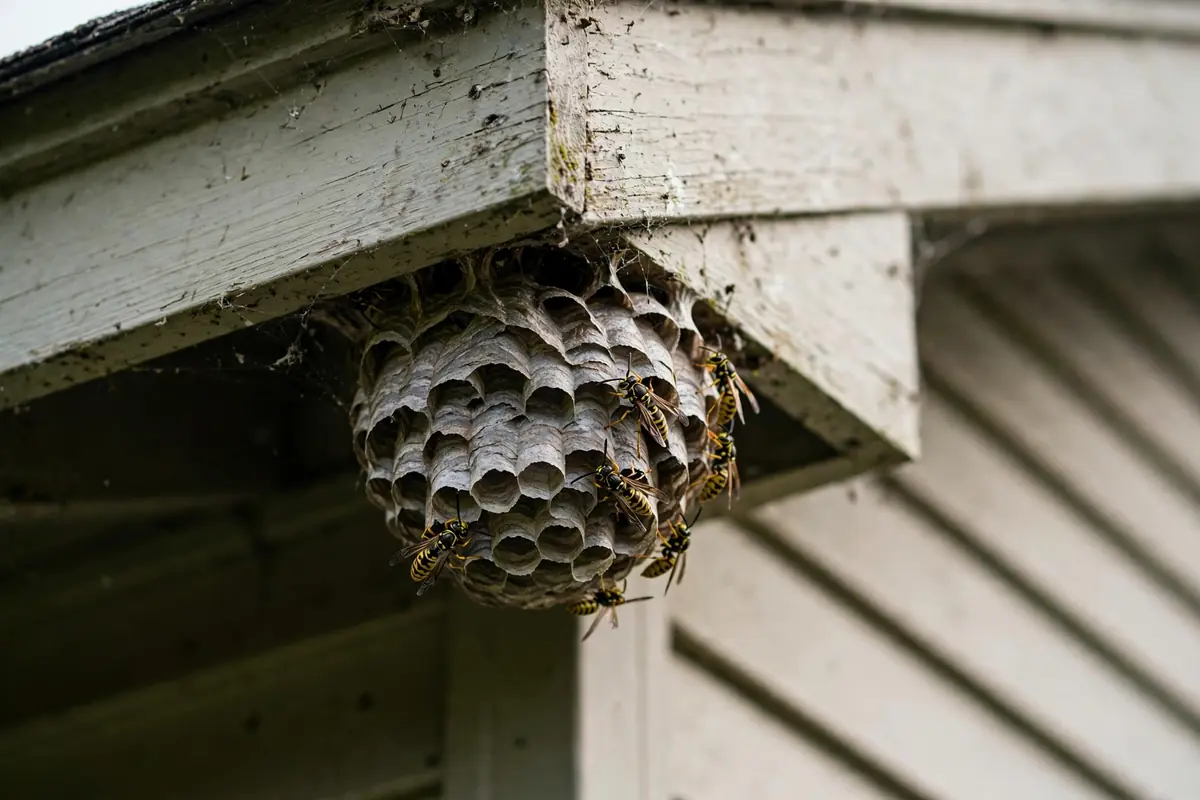
What is usually not included: termites (separate treatment and warranty), bed bugs (separate specialty service), wildlife (raccoons, squirrels, bats), and sometimes mosquitoes, ticks, and wasp nest removal — often offered as add-ons. Read the covered-pest list carefully; the gap between “everything” in the sales pitch and the actual list is where disappointment lives. Specialty problems have specialty pricing — see termite treatment costs and bed bug treatment options for those budgets.
Quarterly Pest Control Cost in the USA 2026
Expect $120 to $180 per quarterly visit, or $400 to $700 per year when paid annually (most companies discount 5 to 15 percent for annual prepay). Initial setup visits sometimes cost more ($150 to $300) because the first treatment is heavier. Regional variation is real: plans in high-pressure markets like Florida, Texas, and Southern California run 15 to 25 percent above the national average, while northern states with shorter pest seasons sometimes offer 3-visit seasonal plans for $300 to $450.
Compare that with reactive costs: a single emergency ant or roach treatment runs $150 to $400 — and one bad year with two callouts already exceeds the annual plan price. The financial case for quarterly service is essentially insurance math: you pay a predictable smaller amount to avoid unpredictable larger ones, plus you get the inspections that catch rodent or termite-conducive conditions early.
Who Benefits Most From Quarterly Service
Homes in High-Pressure Regions
If you live in the Southeast, Gulf Coast, Texas, Arizona, or Southern California — anywhere pests are active 9 to 12 months a year — quarterly service is close to essential. Year-round warmth means year-round breeding, and the barrier never gets a winter break to recover. Homeowners in these regions who skip preventive service reliably spend more on reactive treatments.
Homes With History
If your house has had recurring ant invasions, roach sightings, or spider problems, the conditions attracting them (nearby colonies, entry points, moisture) persist until professionally managed. Quarterly service breaks the cycle rather than resetting it each time.
Busy Households and Rental Properties
Landlords love quarterly plans: a single contract covers the property, tenants get a number to call, and documentation of professional pest management protects against liability and health-department complaints. For busy families, outsourcing the seasonal vigilance — the spring barrier, the fall exclusion check — is worth the cost in time alone.
Who Can Reasonably Skip It
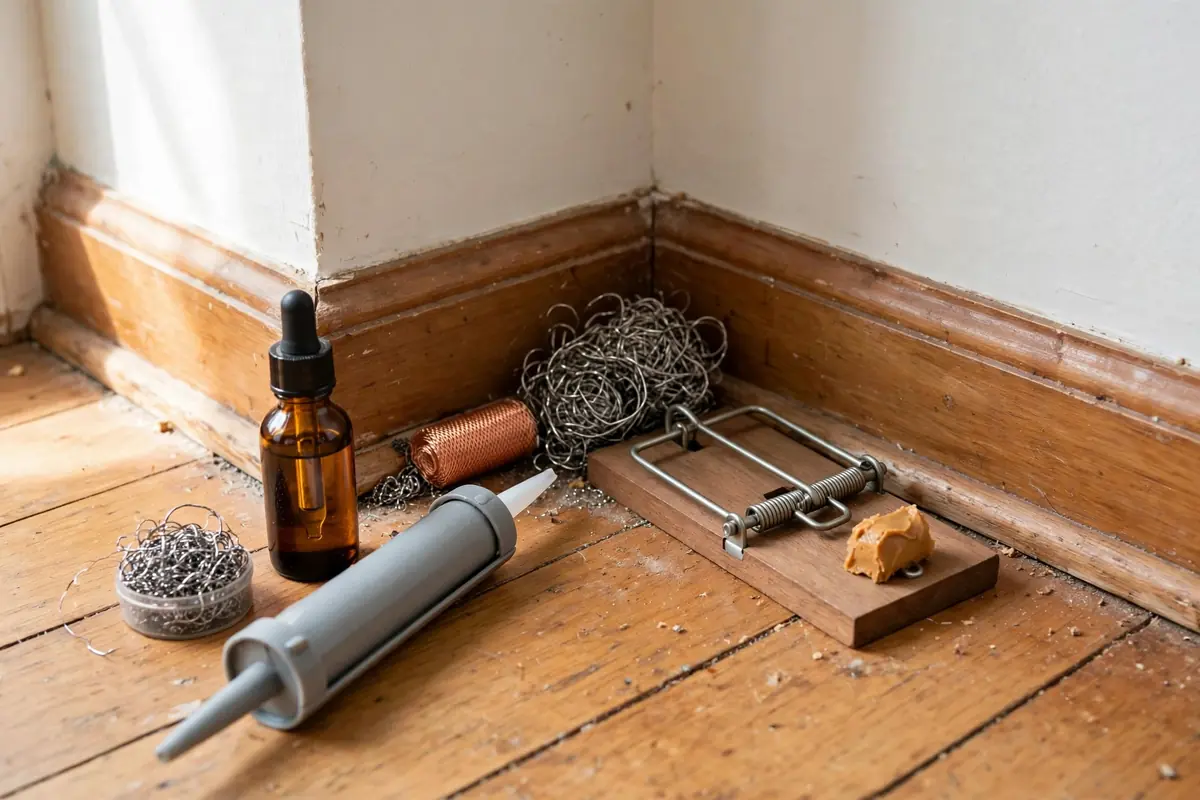
Honesty matters: not everyone needs quarterly service. If you live in a northern state with hard winters (Minnesota, Maine, the Dakotas), pests are seasonal and a twice-yearly or as-needed approach may suffice. If your home is new, well-sealed, and has no pest history, start with monitoring and call as needed. And if you are diligent about DIY — sealing entry points, managing moisture, using baits correctly — you can replicate much of the value yourself. The plan is a convenience and consistency product; disciplined homeowners can self-insure.
How to Choose a Good Quarterly Plan
Vet providers the same way you would choose any pest control company: verify the state license, demand an inspection before quoting, and get the plan in writing. Then scrutinize the specifics: Which pests are covered? Get the list. What is the re-service policy? The industry standard is free re-treatment if covered pests appear between visits — if they charge for callbacks, walk away. Can you cancel? Avoid contracts with large cancellation fees; the best companies offer month-to-month or annual plans with pro-rated refunds. Who does the work? Ask whether technicians are employees (better training, accountability) or subcontractors.
Ask about the products used and whether they offer low-chemical or natural pest control options. Ask how they handle the fall visit — the best companies shift focus to exclusion (sealing, entry-point treatment) as rodents and overwintering pests seek shelter. A company that sprays the same thing four times a year regardless of season is going through the motions.
Red Flags in Pest Control Contracts
Run from: door-to-door salespeople demanding a signature today; “free” inspections that find $3,000 of urgent work (get a second opinion); contracts over one year with auto-renewal buried in fine print; vague covered-pest lists; no mention of a re-service guarantee; and prices dramatically below market ($19/month “covers everything” covers almost nothing). Also beware the bundling trap — some companies discount the quarterly plan but require you to also buy the termite warranty and mosquito add-on to get the advertised price. Price each component separately.
Getting the Most From Your Plan
Maximize value with homeowner cooperation: be present for at least the first visit to walk the property with the technician and learn your home’s vulnerabilities; report activity between visits promptly (that is what the guarantee is for); do the sanitation and exclusion homework they recommend — the service works best as a partnership; and keep vegetation trimmed and firewood away from the structure (see firewood storage guidance) so treatments are not fighting attractants you control. Homes near wooded lots or water should mention it — technicians adjust barrier strategies for mosquito and tick pressure in those settings.
What a Good Quarterly Visit Looks Like
Knowing what to expect helps you judge whether you are getting your money’s worth. A thorough quarterly visit takes 30 to 60 minutes and follows a consistent pattern. The technician should start with questions — any new pest activity since last time? — then walk the exterior perimeter, checking for new entry points, moisture issues, and pest-conducive conditions like woodpiles against the house or branches touching the roof. Exterior treatment comes next: barrier spray or granules around the foundation, spot treatment of eaves and entry points, and de-webbing.
Interior work should be targeted, not theatrical — a good tech treats where pests actually travel (behind appliances, under sinks, along baseboards in problem areas) rather than fogging your living room. They should note findings and recommendations on the service ticket: “seal gap around AC line,” “trim bushes off siding,” “moisture under kitchen sink.” These notes are genuinely valuable — they are a professional eye on your home four times a year. If your technician is in and out in ten minutes with a single spray of the baseboards, you are not getting quarterly pest control; you are getting a subscription to a spray bottle. The best providers treat the visit as an inspection with treatment attached, not the other way around. Ask how they document each visit, and whether you can access service history online — transparency separates professionals from routes. Homeowners comparing providers should also ask whether the company handles wasp nest removal calls between visits under the same guarantee, since stinging insects are the most common “is this covered?” surprise.
FAQs About Quarterly Pest Control
Is quarterly pest control worth it?
For most homeowners in moderate-to-high pest regions, yes — $400 to $700/year prevents infestations that cost $150 to $400 per reactive visit, and includes inspections that catch problems early. Low-pressure regions and well-sealed newer homes may do fine as-needed.
What pests does quarterly service cover?
Typically ants, spiders, roaches, crickets, earwigs, silverfish, and occasional invaders. Termites, bed bugs, wildlife, mosquitoes, and ticks are usually separate services or add-ons.
Can I cancel a pest control contract?
It depends on the contract — which is why you read it first. Reputable companies allow cancellation with 30 days’ notice and pro-rated refunds on prepaid annual plans. Avoid contracts with punitive cancellation fees.
Is quarterly pest control safe for pets and kids?
Yes, when done professionally — modern products are applied in targeted ways and are safe once dry (usually 30–60 minutes). Discuss concerns with the company; they can adjust products and timing.
How long does a quarterly treatment last?
Residual products remain effective 60 to 90 days outdoors (less with heavy rain) and longer indoors — which is exactly why the quarterly cadence exists.
Final Thoughts
So, is quarterly pest control worth it? For the average American homeowner dealing with ants in spring, spiders in summer, and overwintering pests in fall — yes, it is one of the more rational home-service subscriptions. The keys are choosing a licensed company with a real re-service guarantee, understanding exactly what is covered, and avoiding long contracts with cancellation traps. Pay $500 a year for prevention, or pay $300 twice a year for emergencies plus live with the stress in between. For most households, the math — and the peace of mind — favors the plan. Just make sure the plan you sign is the plan you actually need.