You hear scratching in the walls at 2 a.m., find droppings in the pantry, or notice a chewed cereal box — mice and rats do not wait for an invitation. Rodent control and prevention tips matter because rodents contaminate food, chew electrical wiring (a genuine fire hazard), and spread diseases like hantavirus and salmonella. The good news: rodents are creatures of habit, and a systematic prevention plan beats them permanently. Here is how American homeowners win the rodent war.
Know Your Enemy: Mice vs Rats in the USA
House mice are the most common indoor rodent nationwide — small, curious, and able to squeeze through a hole the size of a dime. Norway rats are burrowers that enter through foundation gaps and sewer lines, common in cities and suburbs coast to coast. Roof rats (yes, really) thrive in the South and West Coast, nesting in attics and palm trees from Florida to Southern California. Identification matters because control strategies differ: mice are curious and investigate new traps quickly, while rats are neophobic — deeply suspicious of new objects — and may avoid traps for a week.
Signs of activity include droppings (mouse droppings look like tiny dark grains of rice; rat droppings are larger, like raisins), gnaw marks, rub marks (greasy smudges along baseboards where fur repeatedly contacts), scratching or scurrying sounds at night, and nests made of shredded paper or insulation. If you find signs in the attic, act quickly — attics give rodents undisturbed harborage above your living space.
Prevention Tip 1: Seal Every Entry Point
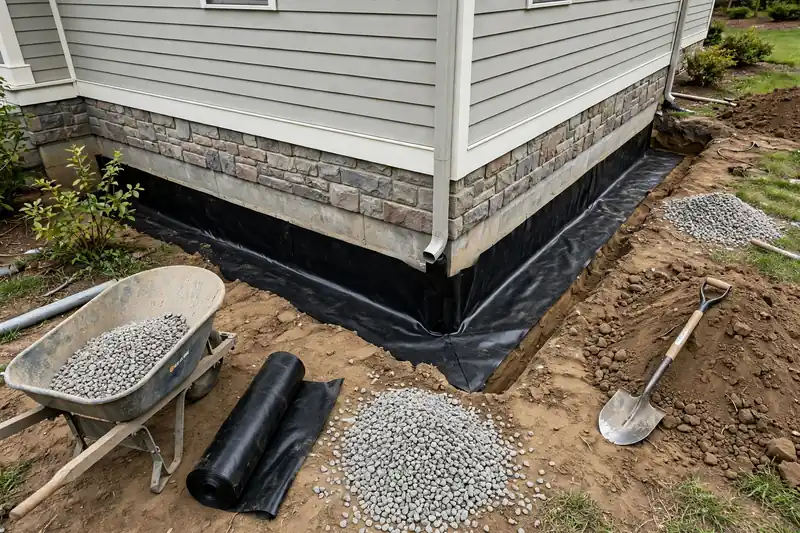
Exclusion is the single most important rodent control measure — kill or trap all you want, but new rodents will keep arriving until you close the doors. Inspect your home’s exterior methodically: foundation cracks, gaps where pipes and wires enter, dryer vents, gaps under doors, and where the siding meets the foundation. Mice enter through dime-sized holes; rats through quarter-sized ones.
Seal small gaps with copper mesh (rodents cannot chew through it) packed tight, then cover with caulk or expanding foam. Cover vents with 1/4-inch hardware cloth — never use steel wool outdoors, it rusts and falls apart. Install door sweeps on exterior doors and garage doors. Check the garage especially: it is the number one rodent entry point in American suburbs, with gaps under the main door and around side doors. This same sealing work that blocks rodents also stops ants, keeps out insects and drafts, and even cuts energy bills.
Prevention Tip 2: Remove Food Sources
A mouse needs only about 3 grams of food a day — crumbs suffice. Store dry goods (cereal, rice, pet food, birdseed) in glass, metal, or heavy-duty plastic containers with tight lids. Never leave pet food out overnight; pick up bowls after feeding. Take trash out regularly and use cans with locking lids, indoors and out. Clean under appliances monthly — the space under the stove and refrigerator is a rodent buffet in many homes. Outdoors, pick up fallen fruit from trees, secure compost bins with rodent-proof lids, and keep firewood stored away from the house and elevated off the ground, since woodpiles harbor both rodents and the insects that attract them.
Prevention Tip 3: Eliminate Water and Shelter
Fix leaky faucets, dripping outdoor spigots, and AC condensate issues — rodents need water daily. Indoors, declutter storage areas: cardboard boxes are both nesting material and harborage, so switch to plastic bins with lids. Keep storage 12 inches off the floor and away from walls where possible so you can spot activity early. Outdoors, trim vegetation 18 inches back from the house, keep grass mowed, and remove ivy or dense ground cover against foundations — these are rodent highways and hiding spots. A tidy yard is also easier to maintain with regular lawn care, which removes the cover rodents rely on.
Trapping: Doing It Right
For an active indoor infestation, trapping beats poison in almost every case. Snap traps are cheap, effective, and let you confirm the catch — place them perpendicular to walls with the bait end facing the baseboard, since rodents travel along edges. Use peanut butter, chocolate, or nesting material (cotton balls, dental floss) as bait; contrary to cartoon lore, cheese is mediocre. Set many traps — a dozen for a moderate mouse problem is not excessive.
Electronic traps kill quickly and contain the mess, good for squeamish homeowners. Live-catch traps appeal to the humane-minded, but relocated rodents usually die or return — and in many states, relocating wildlife is regulated. Avoid glue boards: they cause prolonged suffering and often catch non-target animals. Homeowners preferring low-chemical approaches can explore natural pest control methods that complement trapping with exclusion and sanitation. And think twice about poison baits indoors — a poisoned mouse dies inside your walls, creating a smell you will not forget, and poisoned rodents endanger owls, hawks, pets, and children through secondary poisoning.
Why Rats Need Patience
Remember neophobia: place unset, baited traps for a week so rats learn to trust them, then set them. Rushing this step is why so many rat-trapping efforts “do not work.” Mice, being curious, can be trapped the same night.
When to Call a Professional
Call a pro for rat infestations (they are harder than mice), activity inside wall voids you cannot access, recurring problems despite your exclusion work, or any signs in commercial food settings. Professional rodent jobs run $200 to $600 for inspection, trapping, and exclusion — money well spent when you consider that a single pair of mice can theoretically produce dozens of descendants in months. A good company does not just trap; it finds and seals entry points, which is the actual long-term fix. Vet them the same way you would choose any pest control company: license, inspection-first approach, written plan.
Many homeowners roll rodent prevention into quarterly pest control service — the technician checks bait stations and entry points each visit, catching new activity before it becomes an infestation.
Seasonal Rodent Prevention Calendar
Fall (September–October): The critical season. As temperatures drop, rodents seek winter shelter — do your full exterior exclusion inspection now. Seal gaps, install door sweeps, and clean up yard debris. Winter: Monitor the attic and basement monthly; check traps. Spring: Inspect for winter damage to seals and screens; clear vegetation growing against the house. Summer: Maintain — keep grass trimmed, garbage secured, and grill areas clean. In the South where winters are mild, stay vigilant year-round; roof rats do not take a season off in Florida or Texas.
Rodent-Proofing the Garage and Outbuildings
The garage is America’s number one rodent entry point, and it deserves special attention. Inspect the main garage door seal — the rubber gasket along the bottom compresses over time, leaving gaps a mouse slips through effortlessly. Replace worn seals and add brush strips to the sides of the door. Check the side door and any windows for gaps, and screen the gap between the wall and roofline where builders often leave openings. Inside, store birdseed, pet food, and grass seed in metal cans with tight lids — a bag of birdseed in the garage is a five-star rodent restaurant.
Sheds and outbuildings need the same treatment: elevate stored items on pallets, switch cardboard boxes to plastic bins, and clear vegetation growing against the walls. If you heat a workshop or shed in winter, expect extra rodent pressure — warmth plus shelter is irresistible from November through February. Homeowners with persistent outbuilding problems often find that attic inspections reveal entry routes they missed, since rodents traveling from shed to house often stage in the attic. And do not forget the yard: fallen fruit, unsecured compost, and dense ivy all support the outdoor population that eventually probes your defenses. A clean perimeter plus sealed structures — the same discipline behind good lawn care — keeps pressure low. For ongoing protection, many families add rodent monitoring to their quarterly pest control plan so a technician checks stations and seals every season.
FAQs About Rodent Control and Prevention
How do mice get in the house?
Through dime-sized gaps: foundation cracks, pipe penetrations, gaps under doors, dryer vents, and where utilities enter. Garages are the most common entry point.
Does one mouse mean more?
Almost always. Mice are social and breed rapidly — where there is one, assume a family. Set multiple traps and inspect thoroughly.
Are ultrasonic rodent repellers effective?
No. University studies consistently show ultrasonic devices do not repel rodents long-term; rodents simply habituate. Save your money for copper mesh and snap traps.
How do I get rid of the smell of a dead mouse in the wall?
Ventilate, use odor-absorbing products, and wait — it typically resolves in 1 to 3 weeks as the carcass desiccates. This is why trapping beats poison indoors: you control where the body ends up.
Can rodents chew through expanding foam?
Yes — plain foam is no barrier. Always back foam with copper mesh or hardware cloth, or use foam specifically rated as rodent-resistant.
Final Thoughts
Effective rodent control is 80 percent prevention and 20 percent trapping. Seal the gaps, remove the food and shelter, trap what is already inside, and maintain the barriers seasonally. It is unglamorous work — crawling around the foundation with copper mesh on a Saturday — but it permanently solves a problem that sprays and gadgets never will. Do the exclusion once, do it right, and the scratching in the walls becomes a story you tell about the bad old days. And if the job feels bigger than a weekend, bring in a licensed pro; rodents reward speed, and professional exclusion pays for itself in avoided damage.