Understanding lawn care cost in the USA helps homeowners budget for a healthy, attractive yard without overpaying. A well-maintained lawn boosts curb appeal, increases property value, and creates an outdoor space your family can enjoy. But lawn care expenses vary widely depending on your location, lawn size, and the services you need. This 2026 guide breaks down exactly what Americans pay for mowing, fertilization, weed control, and full-service lawn care programs.
Average Lawn Care Cost in the USA for 2026
The national average lawn care cost for basic mowing service runs $50 to $75 per visit for a typical quarter-acre lot. Monthly full-service plans — including mowing, edging, fertilization, and weed control — average $150 to $300 per month during the growing season. Annual costs for professional lawn care typically range from $1,200 to $3,600 depending on your region and service level.
These averages mask significant regional variation. Homeowners in the Southeast and Midwest, where growing seasons are long, tend to pay more annually than those in northern states with shorter seasons. Urban areas with higher labor costs also run above the national average. When budgeting, get local quotes rather than relying solely on national figures.
Lawn Mowing Costs
Per-Visit Pricing
Single mowing visits cost $30 to $80 depending on lawn size and complexity. A small, flat, easily accessible lawn might cost $30, while a large or sloped property with obstacles can exceed $80. Most companies offer discounts for recurring weekly or biweekly service — typically 10 to 20 percent off the single-visit rate.
What Affects Mowing Price
Lawn size is the biggest factor, but not the only one. Overgrown grass costs more because it takes longer and stresses equipment. Obstacles like trees, garden beds, and playground equipment add time. Slopes and difficult terrain increase both time and risk. If your yard has challenging features, discuss them upfront when getting quotes from landscaping companies.
Fertilization and Weed Control Costs
Professional fertilization programs cost $50 to $100 per application, with most lawns needing 4 to 6 applications per year. Weed control is often bundled with fertilization — pre-emergent herbicides in spring prevent crabgrass, while post-emergent treatments target existing weeds. A combined fertilization and weed control program runs $300 to $600 annually for an average lawn.
Organic lawn care programs cost 20 to 40 percent more than conventional treatments. Organic fertilizers release nutrients more slowly and require more frequent applications. However, many families prefer organic options for safety around children and pets. Discuss the trade-offs with your provider when comparing lawn care cost options.
Aeration and Overseeding
Core aeration — pulling small plugs of soil to relieve compaction — costs $75 to $200 for an average lawn. Overseeding (spreading grass seed over existing turf) adds $100 to $300. Combined aeration and overseeding service typically runs $150 to $350. Most lawns benefit from annual aeration, especially in areas with clay soil or heavy foot traffic.
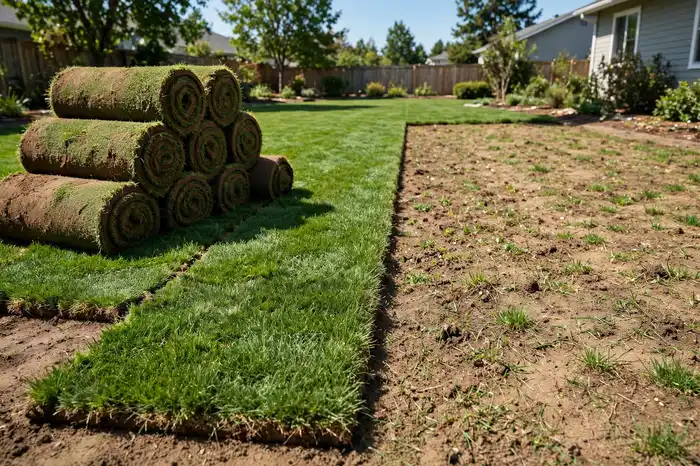
Fall is the best time for aeration and overseeding in most U.S. regions. The cooler temperatures and natural rainfall help new seed establish before winter. If you are deciding between sod vs seed for a larger renovation, overseeding is the budget-friendly middle ground that improves existing turf without starting over.
Full-Service Lawn Care Programs
Many companies offer bundled programs that cover everything your lawn needs for one monthly price. A typical full-service program includes weekly mowing, edging, fertilization, weed control, and seasonal cleanups. These programs cost $200 to $400 per month during the growing season for average lawns.
Full-service programs offer convenience and often better results because the same company manages every aspect of your lawn’s health. They can spot problems early — disease, pests, irrigation issues — before they become expensive. When evaluating lawn care cost, consider the value of your time: DIY lawn care for an average yard takes 3 to 5 hours per week during peak season.
DIY Lawn Care Costs
Doing it yourself saves on labor but requires equipment investment. A quality walk-behind mower costs $300 to $600, a string trimmer $100 to $200, and a spreader $50 to $100. Annual consumable costs (fertilizer, seed, weed control products) run $200 to $400 for an average lawn. Your first year of DIY costs $650 to $1,300 including equipment, dropping to $200 to $400 in subsequent years.
DIY makes financial sense if you enjoy yard work and have the time. However, factor in maintenance, fuel, and storage for equipment. Many homeowners start with DIY and switch to professional service as their careers or families demand more time. There is no wrong answer — just an honest assessment of your priorities.
Regional Lawn Care Cost Differences
Southeast
Warm-season grasses (Bermuda, Zoysia, St. Augustine) dominate the Southeast. The long growing season means more mowing visits — often 30 to 40 per year. Annual lawn care cost runs $1,800 to $4,000. Fire ant treatment and fungal disease prevention add to expenses in this region.
Northeast and Midwest
Cool-season grasses (Kentucky bluegrass, fescue, ryegrass) thrive here. Growing seasons are shorter (20 to 28 mowing visits), but fall cleanups and winter preparation add costs. Annual spending typically ranges from $1,200 to $3,000. Winterizing your yard properly prevents expensive spring repairs.
Southwest and West
Water costs dominate lawn care budgets in arid regions. Many homeowners are switching to drought-tolerant landscaping to reduce both water bills and maintenance. Traditional lawn care cost in these areas runs $1,000 to $2,500 annually, but xeriscaping conversions can eliminate most ongoing costs.
Additional Services and Their Costs
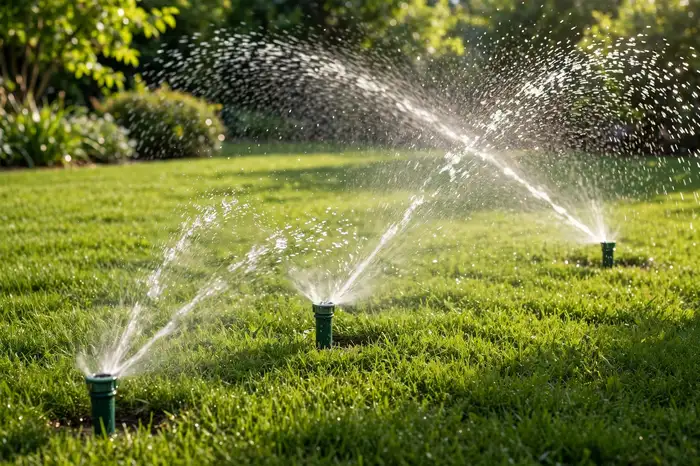
Beyond basic mowing and fertilization, several add-on services affect total lawn care cost. Sprinkler system maintenance and repairs run $75 to $250 per visit — and a well-functioning system is essential, making sprinkler system installation cost worth understanding if you do not have one. Pest control treatments for grubs and insects cost $50 to $150 per application.
Seasonal cleanups (spring and fall) cost $150 to $350 each. These include leaf removal, branch pickup, garden bed tidying, and preparing the lawn for the coming season. Dethatching, which removes the layer of dead grass between soil and live turf, costs $100 to $250.
How to Save on Lawn Care
Get multiple quotes — prices for identical services can vary 30 percent or more between companies in the same area. Ask about package discounts for bundling services or signing annual contracts. Many companies offer 10 to 15 percent off for prepaying the season.
Handle simple tasks yourself and outsource the rest. Mowing your own lawn while hiring out fertilization and weed control captures most of the savings with less effort. Alternatively, reduce your lawn area with garden beds, patios, or ground cover — less grass means lower lawn care cost permanently. A patio installation or backyard design project can shrink your turf area while adding usable outdoor living space.
Lawn Renovation vs. Ongoing Maintenance
It helps to distinguish between one-time lawn renovation costs and recurring maintenance when evaluating lawn care cost. If your yard is mostly weeds, bare patches, or dead grass, renovation comes first — and that is a separate investment. Full lawn renovation (killing old turf, amending soil, and starting fresh) costs $1,500 to $4,000 for an average lot depending on whether you choose sod or seed.
Once the lawn is established, annual maintenance is the ongoing expense. Think of renovation as the capital investment and maintenance as the operating cost. Homeowners who skip renovation and just pay for maintenance on a failing lawn waste money — no amount of fertilization fixes a lawn that is 60 percent weeds. Get the foundation right first, then budget for steady upkeep.
For properties with large turf areas, reducing lawn size is the single most effective way to cut long-term lawn care cost. Converting sections to planting beds, adding a patio, or installing drought-tolerant ground covers permanently lowers mowing, watering, and fertilization expenses while adding visual interest to your landscape.
Frequently Asked Questions
How much should I budget for lawn care per year?
Budget $1,200 to $3,600 per year for professional lawn care on an average American lot. DIY lawn care costs $200 to $400 annually after the initial equipment investment.
Is a lawn care contract worth it?
Annual contracts typically save 10 to 20 percent compared to pay-per-visit pricing and ensure consistent service. Read the cancellation terms carefully before signing.
When should I start lawn care service in spring?
Start when grass begins actively growing — usually March in the South and April to May in the North. Early spring cleanup and pre-emergent weed control set the foundation for the season.
Can I negotiate lawn care prices?
Yes. Ask about discounts for neighbors who sign up together, off-peak scheduling, or bundling multiple services. Many small companies are flexible on price for reliable, long-term customers.
How do I choose between lawn care companies?
Compare not just price but also what is included, application frequency, guarantees, and reviews. Knowing how to choose a landscaping company helps you evaluate providers on quality, not just lawn care cost.
Understanding lawn care cost in the USA empowers you to make smart decisions about your yard. Whether you choose full-service professional care, a hybrid DIY approach, or complete do-it-yourself maintenance, knowing the price landscape ensures you get good value. A healthy lawn is an investment in your home’s appearance and your family’s enjoyment — and with the right plan, it does not have to break the bank.