Understanding sprinkler system installation cost helps American homeowners decide whether automatic irrigation is worth the investment. A well-designed sprinkler system keeps your lawn green, saves water compared to manual watering, and adds convenience that busy families appreciate. But installation costs vary widely based on yard size, system complexity, and your region. This 2026 guide covers everything from average prices to cost factors, system types, and money-saving tips.
Average Sprinkler System Installation Cost in 2026
The national average sprinkler system installation cost for a typical quarter-acre residential lot ranges from $2,500 to $5,500. Most American homeowners pay around $3,500 for a professionally installed system with 6 to 8 zones. Per-square-foot pricing typically falls between $0.50 and $1.00 for standard installations.
These figures cover a complete system: controller, valves, piping, sprinkler heads, rain sensor, and labor. Basic systems for small yards can cost as little as $1,500, while large properties or complex designs with drip irrigation zones can exceed $10,000. If you are comparing options, review how to choose a qualified irrigation contractor before committing. Your specific lawn care cost decreases once irrigation is automated because consistent watering improves turf health and reduces the need for corrective treatments.
Cost Factors That Affect Your Price
Yard Size and Zones
Size is the primary cost driver. Each irrigation zone — a section controlled by one valve — covers a specific area with similar water needs. An average quarter-acre lot needs 6 to 8 zones; larger properties may need 12 or more. Each additional zone adds $300 to $600 in materials and labor. Oddly shaped yards or those with mixed sun and shade need more zones for efficient watering.
System Type
Traditional spray head systems are the most affordable. Rotor systems, which throw water farther and are better for large areas, cost slightly more. Drip irrigation — ideal for garden beds, shrubs, and trees — adds $200 to $500 per zone but uses water far more efficiently. Many modern installations combine spray/rotor zones for turf with drip zones for plantings.
Soil and Terrain
Rocky soil, heavy clay, or steep slopes increase installation difficulty and cost. Trenching through rock may require specialized equipment. Slopes need pressure-regulating heads to prevent runoff and misting. If your installer encounters unexpected obstacles like buried concrete or large roots, expect change orders that add to the base price.
Water Source and Pressure
Connecting to your existing water supply is standard, but low water pressure may require a booster pump ($300 to $800 installed). Homes on wells need careful system design to avoid overtaxing the pump. Some municipalities require backflow preventers ($150 to $350 installed) to protect the public water supply — check local codes before budgeting.
DIY vs. Professional Installation
DIY sprinkler installation can cut sprinkler system installation cost roughly in half. Materials for an average system run $1,000 to $2,000. However, DIY requires significant labor (expect 2 to 4 full weekends), trenching equipment rental, and design knowledge. Mistakes in hydraulic calculations lead to poor coverage, dry spots, and wasted water.
Professional installation includes system design, proper hydraulic engineering, warranty on workmanship, and often a first-season adjustment visit. For most homeowners, the professional premium is worth it — a poorly designed DIY system can waste more in water bills and plant replacements than the installation savings. When choosing a landscaping company for irrigation, look for IA (Irrigation Association) certified contractors with specific experience in lawn irrigation design.
Smart Controllers and Water Savings
Modern smart controllers adjust watering based on weather data, soil moisture, and evapotranspiration rates. These Wi-Fi-connected devices cost $150 to $350 (versus $80 to $150 for basic timers) but can reduce water usage by 20 to 50 percent. Many water utilities offer rebates of $100 to $300 for installing WaterSense-labeled smart controllers.
Rain sensors ($50 to $100 installed) prevent the system from running during or after rainfall — a simple device that pays for itself quickly. Soil moisture sensors ($100 to $200) provide even more precise control by measuring actual ground conditions. These upgrades reduce both water bills and the environmental impact of your landscape.
Ongoing Costs to Budget For
Water Bills
An automated system typically increases water usage compared to a neglected lawn but uses less than manual watering with hoses and oscillating sprinklers. Expect your summer water bill to increase $30 to $100 monthly depending on climate and lawn size. Smart controllers and proper scheduling minimize this impact.
Maintenance
Annual sprinkler maintenance costs $100 to $250 and includes spring startup (pressurizing the system, checking heads, adjusting coverage), mid-season inspection, and fall winterization (blowing out lines with compressed air to prevent freeze damage). In northern states, winterizing your yard must include sprinkler blowout — frozen pipes burst and cause expensive repairs. Homes with drought-tolerant plantings may need less frequent system adjustments since those zones run shorter cycles.
Repairs
Budget $75 to $250 per year for minor repairs: broken heads from mowers ($10 to $25 each), valve replacements ($150 to $300), and controller issues. Most components last 10 to 20 years, but heads in high-traffic areas need more frequent replacement. A well-maintained system lasts 20+ years before major overhaul.
Ways to Reduce Installation Cost
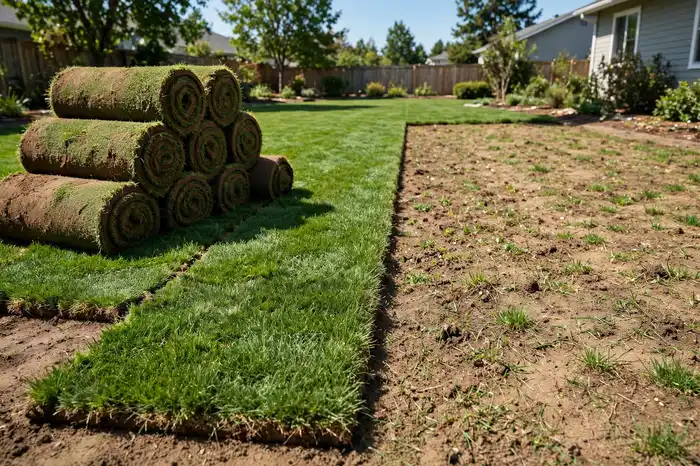
Install during the off-season (late fall or early spring) when contractors offer discounts to fill their schedules. Get at least three detailed bids — prices for identical systems can vary 25 percent or more. If your soil is challenging, improving it before installation (rather than paying the contractor to fight it) saves money — and establishing healthy turf first gives the irrigation system a better foundation to maintain. Ask about package deals if you are also doing other landscape work; bundling a backyard design project with irrigation installation often reduces the per-project cost.
Consider phasing the installation: put in the main lines and controller now, then add zones over time as budget allows. Choose a slightly simpler design — fewer zones with well-placed heads often perform as well as complex layouts. And always check for utility rebates: many water districts offer $500 to $2,000 in rebates for installing efficient irrigation.
Permits and Regulations
Many municipalities require permits for sprinkler installation, typically $50 to $200. Backflow prevention devices are commonly mandated and must be tested annually by a certified tester ($50 to $100). Some areas restrict watering days or hours — your contractor should program the controller to comply with local ordinances.
Before any digging, the contractor must call 811 to mark underground utilities. This free service prevents dangerous and costly strikes on gas, electric, and communication lines. Never let a contractor skip this step.
Designing Zones for Maximum Efficiency
Smart zone design is the secret to an efficient sprinkler system. Group plants with similar water needs together — turf in one set of zones, flower beds in another, shrubs in a third. This hydrozoning principle prevents overwatering drought-tolerant plants just because they share a zone with thirsty turf. A good designer walks your property, notes sun exposure patterns, and maps zones accordingly.
Consider microclimates within your yard. South-facing slopes dry faster than shaded northern areas. Spots near driveways and sidewalks suffer reflected heat. Each of these areas benefits from its own zone with customized run times. While this adds to the initial sprinkler system installation cost, the water savings and plant health improvements pay dividends for the system’s entire lifespan.
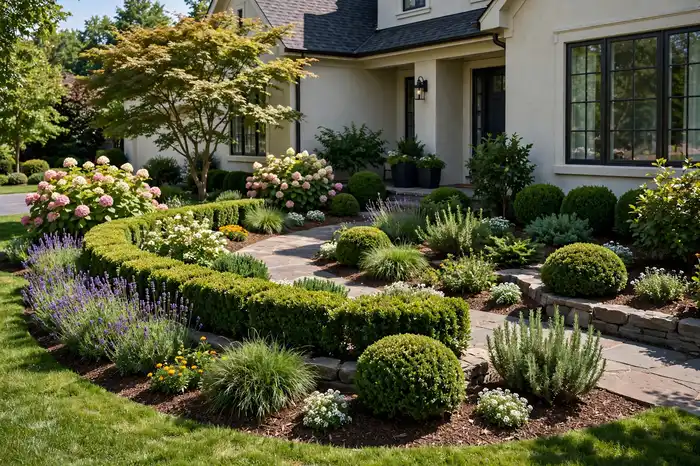
For garden beds and ornamental plantings, insist on drip irrigation zones rather than spray heads. Drip lines deliver water directly to root zones with minimal evaporation or overspray. If you are planning a broader backyard design project, coordinate the irrigation plan with the landscape design from the start — retrofitting irrigation around established plantings is always more expensive.
Frequently Asked Questions
How long does sprinkler installation take?
Most residential installations take 2 to 4 days for an average lot. Larger properties or complex designs may take a week. Weather and soil conditions can extend the timeline.
Will a sprinkler system increase my home value?
Yes, modestly. Automatic irrigation is an attractive feature for buyers, particularly in dry climates. While it rarely returns 100% of its cost at resale, it contributes to overall curb appeal and landscape health that buyers notice.
Can I install sprinklers if I have a small yard?
Absolutely. Even small yards benefit from automated watering. Compact systems with 3 to 4 zones cost $1,500 to $2,500 and eliminate the hassle of dragging hoses around.
How deep are sprinkler lines buried?
Residential lines are typically buried 8 to 12 inches deep — below aeration depth but shallow enough for repairs. Main lines may go deeper. In cold climates, lines must be below the frost line or winterized annually.
Should I get drip irrigation for garden beds?
Yes. Drip irrigation delivers water directly to plant roots with 90%+ efficiency (versus 60-75% for spray heads). It reduces weed growth, prevents foliar disease, and is ideal for shrubs, flowers, and vegetable gardens. The added zone cost pays back in water savings and plant health.
Understanding sprinkler system installation cost is the first step toward a healthier landscape and lower water bills. While the upfront investment is significant, automatic irrigation saves time, improves plant health, and uses water more efficiently than manual methods. For the full picture, factor in ongoing lawn care expenses alongside the installation quote. Get multiple bids from certified contractors, consider smart technology for long-term savings, and check for local rebates that can substantially reduce your net cost. Your lawn — and your weekends — will thank you.