Knowing how to choose a landscaping company is the difference between a yard you love and an expensive disappointment. The right landscaper transforms your outdoor space, boosts your property value, and saves you countless weekends of labor. The wrong one leaves you with dead plants, drainage problems, and a lighter wallet. With thousands of landscaping companies operating across the USA — from solo operators to large firms — this guide gives you a proven process for finding a reliable partner for your project.
Define Your Project First
Before contacting anyone, clarify what you want. Are you looking for ongoing lawn care and maintenance, or a one-time landscape design and installation? Do you need hardscaping (patios, walls, walkways), softscaping (plants, trees, mulch), or both? Having a clear vision — even a rough one — helps you find companies with the right expertise.
Set a realistic budget range. Basic landscape maintenance might cost $150 to $400 monthly, while a full backyard design and installation can run $5,000 to $25,000 or more. Knowing your budget prevents wasting time with companies that only handle projects far above or below your range. Be upfront about budget — good companies will tell you honestly what is achievable.
Where to Find Landscaping Companies
Referrals and Reviews
Ask neighbors, friends, and coworkers for recommendations. A company that did great work on a nearby property understands your area’s soil, climate, and plant varieties. Online reviews on Google, Yelp, and Angi provide broader perspective — look for companies with 20+ reviews averaging 4.5 stars or higher. Read the negative reviews carefully; how a company responds to complaints reveals its character.
Industry Associations
Members of the National Association of Landscape Professionals (NALP) or state landscape associations have committed to industry standards and ethics. Certification programs like landscape industry certified technician credentials indicate professional training. While not required, these affiliations suggest a company takes its craft seriously.
How to Choose a Landscaping Company: The Vetting Process
Check Licensing and Insurance
This is non-negotiable. Any legitimate landscaping company should carry general liability insurance and workers’ compensation coverage. Ask for certificates of insurance and verify they are current. If a worker is injured on your property and the company lacks coverage, you could be liable. Many states also require landscape contractor licenses — verify credentials with your state licensing board.
Evaluate Experience and Specialization
Ask how long the company has been in business and what types of projects they specialize in. A company that excels at weekly lawn maintenance may not be the best choice for a complex deck building project or patio installation. Review their portfolio of completed work — photos should show projects similar in scope and style to yours.
Get Multiple Detailed Bids
Obtain at least three written estimates. Each bid should itemize materials, plants (with sizes and quantities), labor, and timeline. Vague bids like “landscaping: $8,000” are red flags. Detailed bids let you compare fairly and reveal which companies have thought carefully about your project. Be wary of bids significantly lower than others — they often indicate cut corners or missing elements.
Questions to Ask Before Hiring
Knowing how to choose a landscaping company means knowing what to ask. Start with: How long have you been in business? Can you provide references from recent projects? Who will supervise the work on-site? What is the projected timeline? How do you handle changes or unexpected issues?
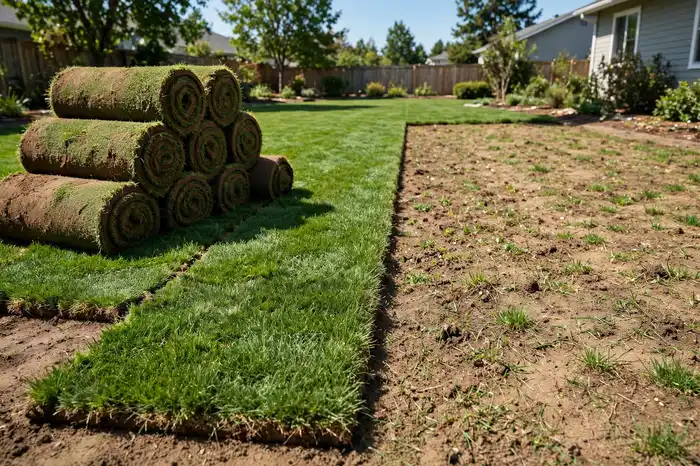
Ask about plant warranties — reputable companies guarantee their plantings for at least one year. Inquire about their approach to drought-tolerant landscaping if water conservation matters in your area. If your lawn itself needs attention, ask whether they handle lawn renovation or focus purely on ornamental plantings. Ask whether they handle permits for hardscaping work, and confirm who is responsible for calling 811 to mark underground utilities before digging.
Discuss maintenance after installation. New landscapes need proper watering, pruning, and care to establish. Some companies offer maintenance packages; others leave you with instructions. Either way, understand what your new landscape needs in its critical first year.
Red Flags to Watch For
Be cautious of companies that demand large upfront payments (more than 30 to 50 percent). Reputable landscapers use milestone payments tied to completed work. Avoid anyone who will not provide a written contract — verbal agreements lead to disputes over scope, timeline, and cost.
Watch for high-pressure sales tactics, reluctance to provide references, or unwillingness to show insurance documentation. A company that cannot explain its design choices or plant selections may lack the expertise your project needs. Trust your instincts — if communication is difficult during the bidding process, it will not improve during the project.
Understanding Contracts and Pricing
What a Good Contract Includes
Your contract should specify the complete scope of work, materials and plant varieties, start and completion dates, total price and payment schedule, warranty terms, and who handles permits and cleanup. It should also address what happens if underground obstacles (rock, old foundations, utility lines) are discovered during excavation.
Pricing Models
Landscapers typically price by project (fixed bid), by hour plus materials (time and materials), or by maintenance contract (monthly fee). Fixed bids work best for defined installation projects. Time and materials suits evolving designs. Monthly contracts cover ongoing maintenance. Understand which model applies and what triggers additional charges.
Maintenance vs. Design-Build Companies
Learning how to choose a landscaping company includes understanding the two main types. Maintenance companies handle recurring tasks: mowing, pruning, fertilization, seasonal cleanups. Design-build firms create new landscapes: design, hardscaping, planting, irrigation. Some companies do both, but many specialize.
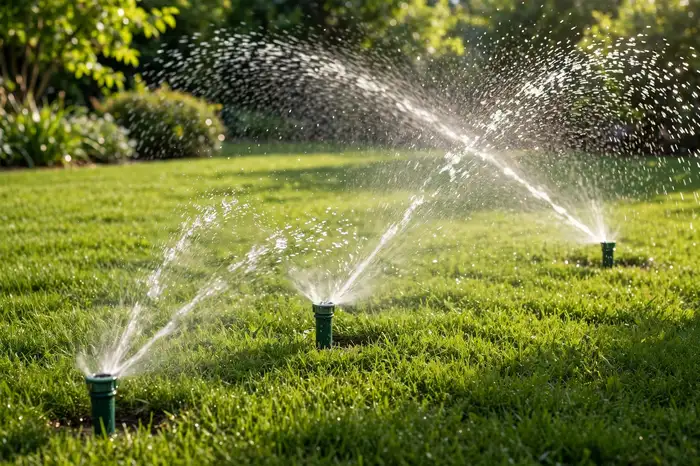
For ongoing yard care, a maintenance company with reliable scheduling and consistent crews is ideal. For a transformative project, choose a design-build firm with strong design skills and installation experience. If your project includes sprinkler system installation, confirm the company has irrigation expertise or partners with a specialist. For fence installation or other structural work, verify they carry the appropriate licenses.
After the Project: Protecting Your Investment
A new landscape is a living investment that needs care. Follow the watering schedule your landscaper provides — new plants typically need deep watering 2 to 3 times per week for the first growing season. Mulch beds annually to retain moisture and suppress weeds. Prune at the right time for each species.
Schedule a follow-up visit with your landscaper 30 to 60 days after installation to address any plants that are struggling. Most reputable companies will replace failed plantings under warranty during this period. Keep records of what was planted where — this helps with future maintenance and any warranty claims.
Consider seasonal services to protect your investment year-round. Fall cleanup prevents disease, and knowing how to winterize your yard protects tender plants from freeze damage. A good landscaping company can bundle these services into an annual maintenance plan.
Working With Your Landscaper Long-Term
The relationship does not end when the project is complete. The best landscaping partnerships evolve into ongoing maintenance arrangements. A company that designed and installed your landscape already knows every plant, irrigation zone, and drainage feature — making them the natural choice for continued care. Discuss annual maintenance pricing before the installation wraps up, when you have maximum negotiating leverage.
Schedule seasonal walk-throughs with your landscaper, especially in the first two years. Spring assessments catch winter damage early, while fall visits prepare plantings for dormancy. These check-ins cost little (often free for installation clients) but prevent small issues from becoming expensive problems. A proactive landscaper will also alert you to opportunities like dividing overgrown perennials or refreshing mulch before beds look tired.
Keep communication open about your changing needs. As families grow, priorities shift from play areas to entertaining spaces. A landscaper who knows your property can suggest phased improvements — perhaps adding a fire pit one year or expanding the deck the next. This long-term perspective is one of the hidden benefits of choosing well in the first place.
Frequently Asked Questions
How much does landscaping cost?
Ongoing maintenance runs $150 to $400 per month. New landscape installations range from $3,000 for simple plantings to $25,000+ for comprehensive designs with hardscaping. Always get detailed, itemized bids.
Should I choose the cheapest bid?
Rarely. The cheapest bid often means inferior plants, inadequate soil preparation, or skipped steps that cause problems within a year. Choose based on value — the best combination of quality, warranty, and fair price.
How long does a landscaping project take?
Simple plantings take a few days. Full designs with hardscaping typically take 2 to 6 weeks depending on scope, weather, and permit requirements. Your contract should specify a timeline.
Do landscapers guarantee their work?
Reputable companies warranty plantings for at least one growing season and hardscaping workmanship for 1 to 5 years. Get warranty terms in writing before work begins.
When is the best time to hire a landscaper?
Late winter and early spring are ideal for booking — schedules fill fast once growing season starts. However, fall planting is excellent in many regions because cooler temperatures reduce transplant stress.
Mastering how to choose a landscaping company takes some effort upfront, but it pays off in a beautiful, healthy landscape that enhances your home for years. Define your project, vet candidates thoroughly, get detailed bids, and trust companies that communicate clearly and stand behind their work. Your yard is too important — and too expensive to redo — to leave to chance.