You spot a trail of tiny black insects marching across the kitchen counter, and suddenly every crumb on the floor feels like an emergency. Learning how to get rid of ants in the house starts with one counterintuitive truth: the ants you see are only about 10 percent of the colony. Spraying the visible trail feels satisfying but rarely solves anything. This guide covers how to identify the species, find the nest, choose the right bait, and keep ants out of American homes for good.
First: Identify What Kind of Ants You Have
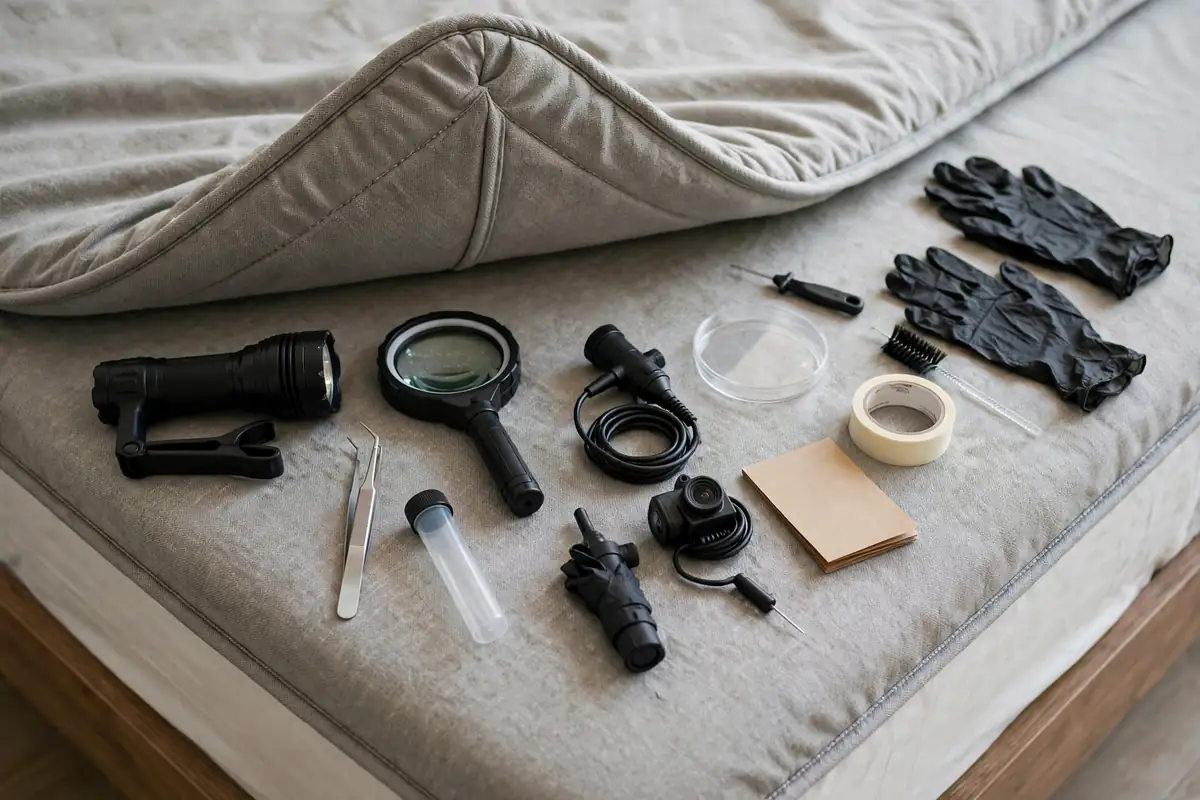
Different ants need different strategies, so grab a magnifying glass before you grab the spray. Odorous house ants (the most common indoor ant in the USA) are small, dark brown, and smell like rotten coconut when crushed. Carpenter ants are large and black — and they excavate wood, making them a structural threat like mini termites. Pavement ants nest under slabs and enter through foundation cracks. Pharaoh ants are tiny yellow ants that bud — split their colony when stressed — which means spraying them makes the problem multiply.
If you are unsure, snap a close-up photo and show it to a local extension office or pest pro. Misidentification is the number one reason DIY ant control fails. And if you see large black ants with sawdust-like frass near window frames, skip the DIY and call a professional — carpenter ant damage repair averages $2,000 to $6,000, so this is not the pest to learn on. The same inspection-first logic applies when you choose a pest control company for any serious infestation.
Why Spraying Ant Trails Does Not Work
Those worker ants on your counter are sterile foragers — they cannot reproduce and the colony does not miss them. Worse, repellent sprays (anything with “kills on contact” on the label) scatter foragers and can cause the colony to split into multiple satellite nests, especially with pharaoh and odorous house ants. This budding behavior turns one colony into five. The pros use a completely different approach: slow-acting baits that foragers carry home and share, poisoning the queen and the brood over days or weeks.
How to Get Rid of Ants in the House: The Bait Strategy
Step 1: Figure Out What They Are Eating
Set out two test baits: a dab of peanut butter (protein) and a dab of honey (sugar). Check after a few hours. Protein-loving ants in spring are often feeding larvae; sugar-loving ants in late summer are stocking carbohydrates. Match your bait to their preference — protein baits for protein feeders, sweet baits for sugar feeders. Many commercial bait stations come in both formulations.
Step 2: Place Baits on the Trail — Not on the Ants
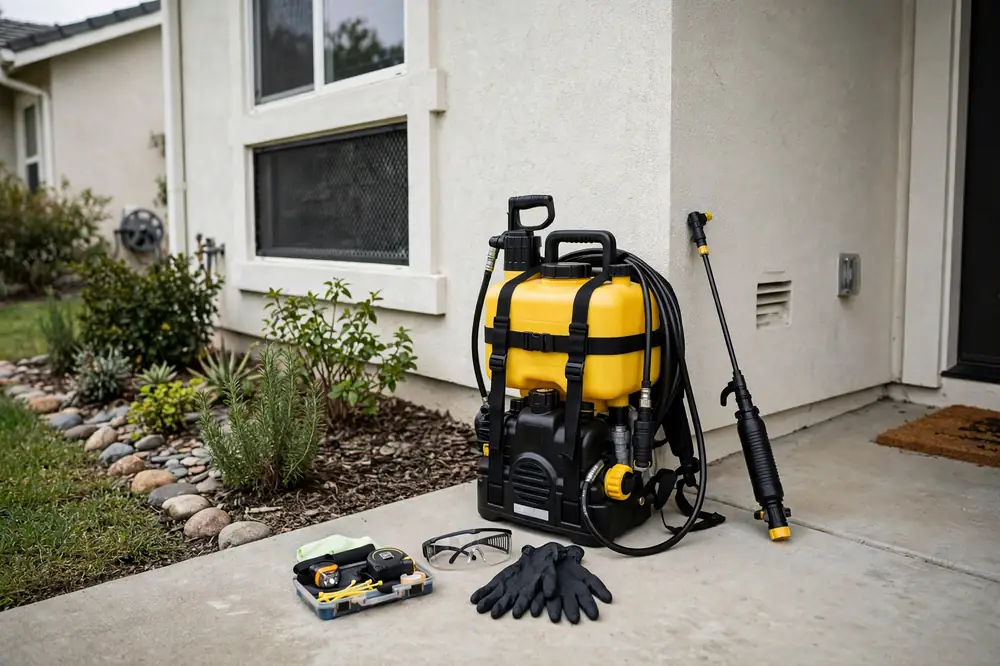
Put bait stations directly beside active foraging trails, not on top of the ants. Resist the urge to kill the foragers — you need them alive to carry bait home. Place stations near entry points: under sinks, behind appliances, along baseboards where trails enter. For persistent problems, place stations outdoors too, near foundation entry points, to intercept foragers before they come inside.
Step 3: Be Patient
Baiting takes 1 to 3 weeks. You may actually see more ants at first as foragers recruit nestmates to the new food source — that is a good sign. Do not spray, do not wipe the trails with cleaners (the pheromone trail helps nestmates find the bait), and do not move the stations. If activity has not dropped after three weeks, switch bait formulations or consider that you may be dealing with multiple colonies.
Seal Entry Points to Keep Ants Out
While baits work on the colony, exclusion prevents the next one. Ants enter through gaps you would never notice: where pipes penetrate walls, under doors, through window frames, and along foundation cracks. Seal pipe penetrations with copper mesh plus caulk, install door sweeps, and caulk window frames inside and out. Trim tree branches and shrubs touching the house — vegetation highways let ants bypass your ground-level defenses entirely. Homeowners tackling rodent control find the same sealing work pays double dividends, since mice use the same gaps.
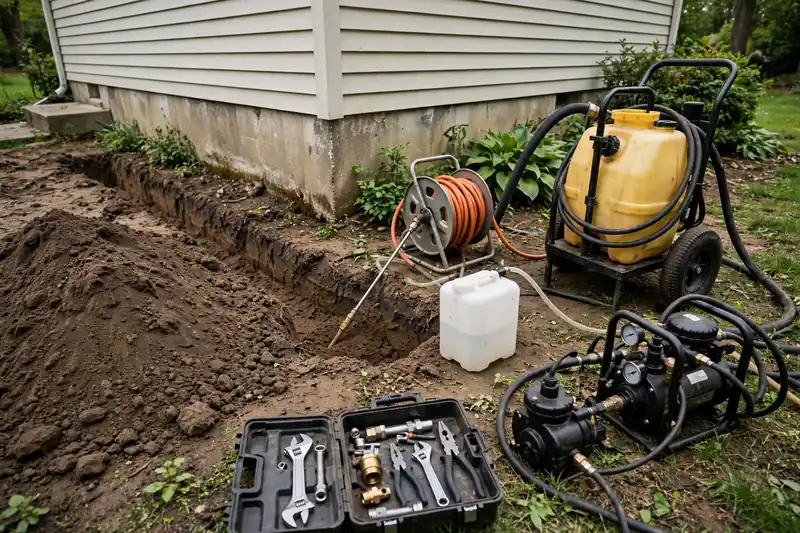
Check the exterior perimeter in spring. In the Southeast and Texas, where fire ants and crazy ants pressure homes year-round, a granular barrier treatment around the foundation each spring dramatically reduces indoor invasions. In northern states, focus exclusion work in April before the spring foraging surge.
Eliminate What Attracts Them
Ants come for three things: food, water, and shelter. Store pantry goods in sealed glass or hard plastic containers — ants chew through cardboard and thin plastic bags. Wipe counters nightly, sweep under appliances weekly, and take trash out daily during an active infestation. Fix leaky faucets and check under sinks for moisture; odorous house ants especially love damp areas. Pet food is a major attractant — feed pets on a schedule and pick up bowls between meals rather than leaving kibble out all day.
Outside, keep gutters clean and redirect downspouts away from the foundation, since the moisture that draws ants also draws termites. And store firewood away from the house — woodpiles shelter ant colonies (especially carpenter ants) within commuting distance of your walls.
Natural Remedies: What Actually Helps
Diatomaceous earth (food grade) works as a desiccant barrier in dry areas like wall voids and under appliances — it is genuinely effective where it stays dry, useless where it gets wet. A 50/50 vinegar-water spray erases pheromone trails on counters (use it for cleanup, not as a colony treatment). Borax-based homemade baits (1 part borax to 3 parts sugar in water) mimic commercial baits and work well for sugar-feeding species. What does not work: coffee grounds, cinnamon lines, and ultrasonic repellers — all thoroughly debunked. For a deeper dive into low-chemical approaches, see natural pest control methods that complement a baiting strategy.
When to Call a Professional
Call a pro if you have carpenter ants (structural risk), pharaoh ants (budding makes DIY risky), infestations persisting beyond a month of proper baiting, or ants appearing in multiple rooms (suggesting multiple colonies or a large one). Professional ant treatments run $150 to $400 for a targeted visit — cheap compared with the structural repair bill carpenter ants can generate. A good technician identifies the species, locates nests, and uses professional-grade non-repellent products like Termidor or Phantom that homeowners cannot buy. Many homeowners bundle ant treatment into quarterly pest control so new colonies get intercepted before they establish.
Seasonal Ant Prevention for American Homes
Ants follow a calendar, and smart homeowners stay one step ahead of it. Early spring (March–April): do your exterior exclusion work before colonies ramp up — seal gaps, trim vegetation touching the house, and put out exterior bait stations near foundation entry points as an early interception line. Late spring through summer: keep up the sanitation discipline, especially around outdoor eating areas, grills, and pet feeding spots. In the South, fire ant mounds in the yard deserve prompt treatment with broadcast bait before they send foragers indoors.
Fall: as temperatures drop, odorous house ants and pavement ants move indoors seeking warmth — this is when interior bait stations near entry points pay off. Seal gaps around windows before the migration starts. Winter: in most of the USA, ant activity drops, but heated homes in the South can see year-round pressure. Use the quiet months to fix moisture issues and deep-clean pantry areas. Homeowners who run quarterly pest control get this seasonal rhythm handled professionally, with technicians adjusting strategy each visit. And remember that the moisture control preventing ants also deters termites — while keeping firewood properly stored removes the harborage both pests exploit near foundations.
FAQs About Getting Rid of Ants in the House
What kills ants permanently?
Slow-acting baits that foragers carry back to the queen. Contact sprays kill only the ants you see — about 10 percent of the colony — and can cause budding in some species.
Why do I suddenly have ants in my kitchen?
Seasonal shifts (spring colony expansion, late-summer food scarcity, or rain driving outdoor colonies inside), a new food source, or moisture from a leak. Sudden appearances after rain are extremely common across the USA.
How long does it take to get rid of ants?
With proper baiting, 1 to 3 weeks for typical odorous house ant or pavement ant colonies. Carpenter ant and pharaoh ant jobs can take longer and often need professional help.
Are ants dangerous?
Most house ants are a nuisance, not a health threat — though they contaminate food. Carpenter ants damage wood structures. Fire ants sting painfully and can trigger allergic reactions; they are an outdoor hazard across the South.
Do ants come back every year?
They can, because colonies send out scouts each spring. Annual exterior barrier treatments plus good exclusion and sanitation break the cycle for most homes.
Final Thoughts
To get rid of ants in the house permanently, think like a colony, not like a hunter. Identify the species, bait instead of spray, seal the entry points, and remove the food and moisture that invited them. Most ant problems yield to patient baiting within a few weeks — and the exclusion work you do now protects against mosquitoes, rodents, and other invaders too. If the colony wins round one, there is no shame in calling a professional; a $250 treatment beats a $4,000 carpenter ant repair every time. Stay consistent, stay patient, and reclaim your kitchen.