Considering ditching the tub for a sleek walk-in shower? You are following one of the strongest bathroom trends in America. Understanding walk-in shower installation cost USA markets helps you budget this popular upgrade correctly. The average walk-in shower installation runs $4,000 to $10,000 in 2026, but prices range from $2,500 for a basic prefab conversion to $15,000+ for a luxury custom tile shower with all the extras.
Walk-in showers — curbless or low-threshold showers without doors, or with frameless glass panels — offer accessibility, modern aesthetics, and easier cleaning than traditional tub-shower combos. Whether you are aging in place, updating a dated bathroom, or simply prefer showering to bathing, knowing the real walk-in shower installation cost ensures no budget surprises. This guide covers every cost factor.
Average Walk-In Shower Installation Cost USA
The typical walk-in shower installation cost USA homeowners pay in 2026 is $6,500 for a midrange custom tile shower professionally installed. This includes demolition of the existing tub or shower, plumbing modifications, waterproofing, tile (walls and floor), shower valve and head, glass enclosure or panels, and labor. Prefab walk-in shower kits installed professionally run $2,500 to $5,000 — significantly less, with tradeoffs in customization and perceived quality.
Converting a tub to a walk-in shower (the most common scenario) adds demolition and plumbing reconfiguration costs. A straightforward tub-to-walk-in-shower conversion averages $4,000 to $8,000. Our dedicated bathtub to shower conversion cost USA guide covers that specific project in detail, including when conversion makes sense versus keeping the tub.
Walk-In Shower Installation Cost by Type
Prefab/Acrylic Walk-In Shower: $2,500–$5,000 Installed
One-piece or multi-piece acrylic and fiberglass units offer the lowest walk-in shower installation cost. Installation takes 1–2 days. Pros: affordable, waterproof by design, low maintenance. Cons: limited sizes and styles, can look less premium, may not fit awkward spaces. Best for rentals, quick flips, or tight budgets where function matters more than aesthetics.
Custom Tile Walk-In Shower: $5,000–$12,000 Installed
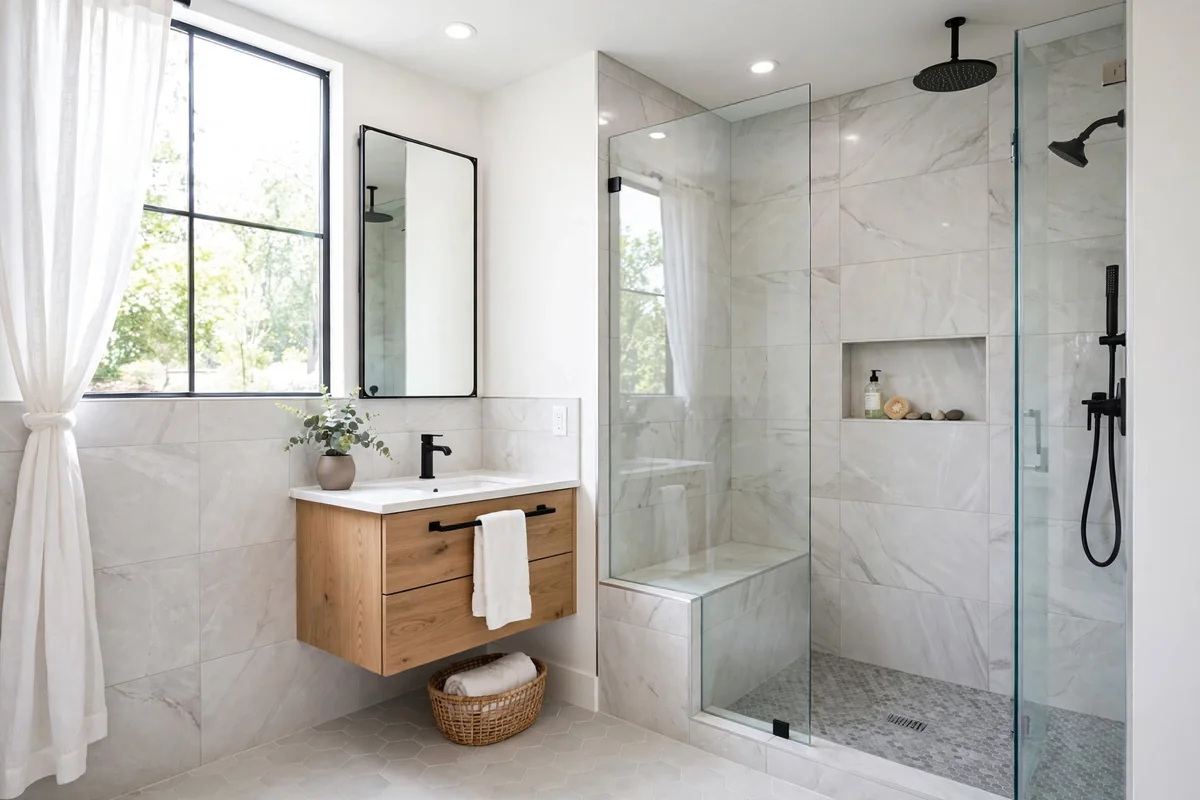
The most popular choice for USA homeowners renovating their own bathrooms. Fully customizable size, tile, fixtures, and features. Tile shower installation is labor-intensive — waterproofing alone (Schluter, RedGard, or similar systems) is a skilled multi-day process. This tier delivers the best balance of beauty, durability, and value, and it is the basis for most walk-in shower installation cost USA averages.
Luxury Walk-In Shower: $12,000–$20,000+ Installed
Large-format tile or natural stone, multiple shower heads and body sprays, steam generator ($2,000–$5,000 installed), built-in bench, frameless glass enclosure, linear drain, heated floor extension. These spa-like showers anchor luxury master bathroom renovations. Worth it for high-end homes and long-term enjoyment; overkill for modest properties from a pure ROI standpoint.
What Drives Walk-In Shower Installation Cost?
Size scales costs directly. A compact 36×36-inch shower costs far less in tile, glass, and labor than a spacious 48×72-inch walk-in. Minimum comfortable size is 36×36; 42×60 is the sweet spot for most USA bathrooms; larger is luxury.
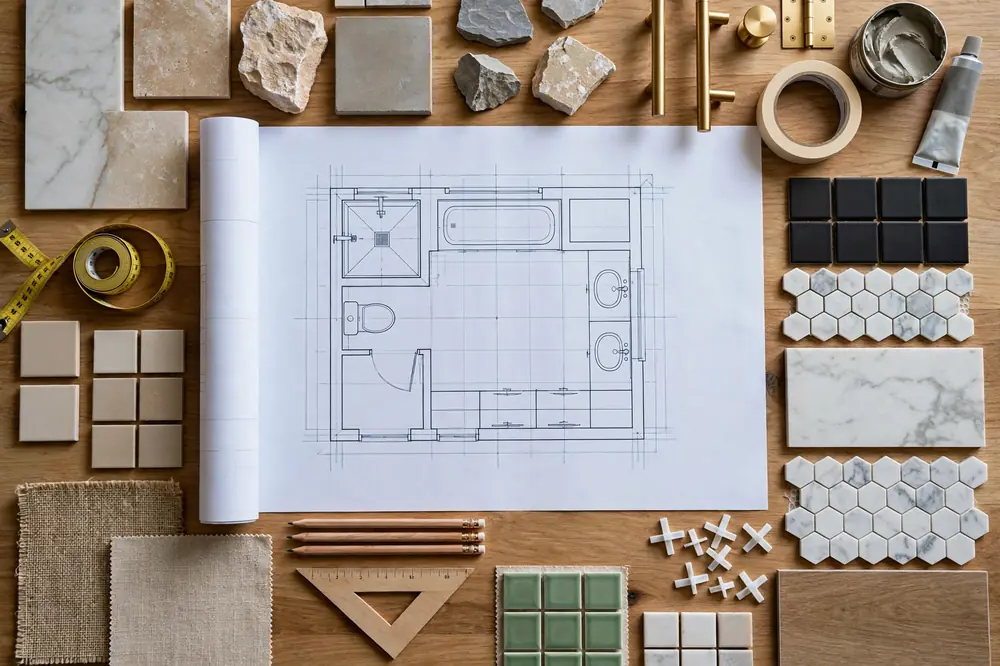
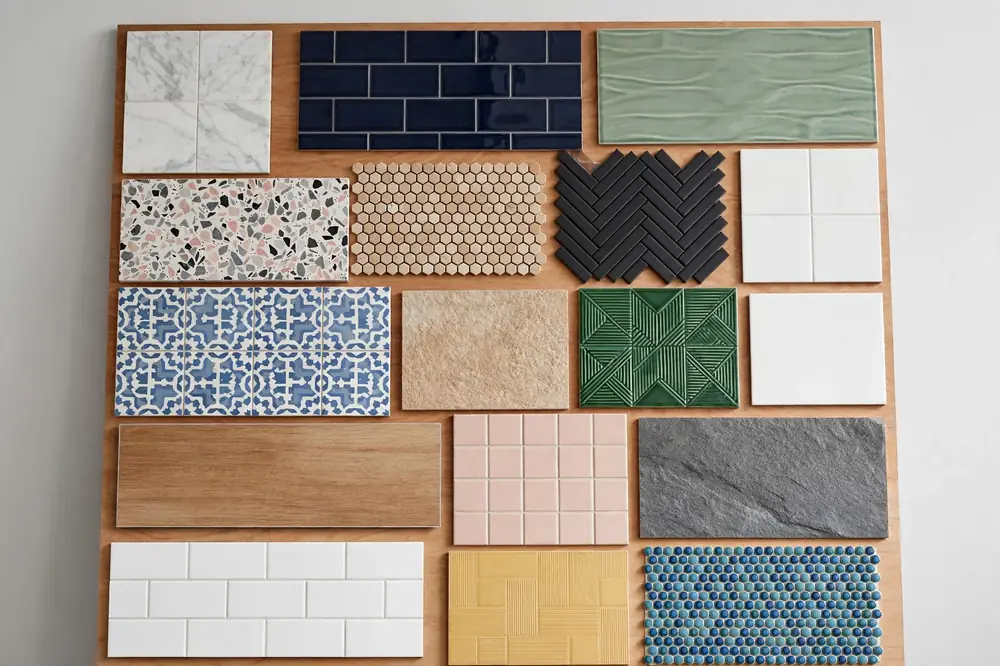
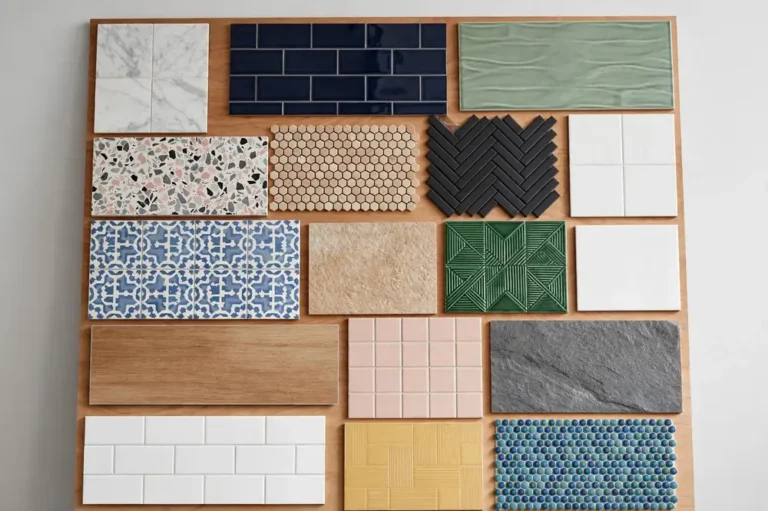
Tile selection creates enormous price variation. Basic ceramic ($5–$12/sq ft installed) versus handmade artisan tile ($25–$60/sq ft) can swing the project by $3,000+. Porcelain that mimics marble ($8–$18/sq ft) offers the best value look. Remember: shower tile labor often exceeds material cost, so intricate patterns and small mosaics multiply expenses. Compare materials in how to choose bathroom tile USA.
Plumbing changes add $500–$2,500. Moving the drain location, upgrading to a 3/4-inch supply line for multiple heads, or relocating the valve all require opening walls and floors. Keeping the drain and valve in place saves substantially — another reason layout preservation matters.
Waterproofing system ($500–$1,500 in materials and labor) is non-negotiable and invisible. Liquid membranes (RedGard), sheet membranes (Schluter Kerdi), and foam backer boards each have proponents; all work when installed correctly. Never let a contractor skip dedicated waterproofing — “waterproof” tile and grout alone are not enough, and failures cost $5,000–$15,000 to remediate.
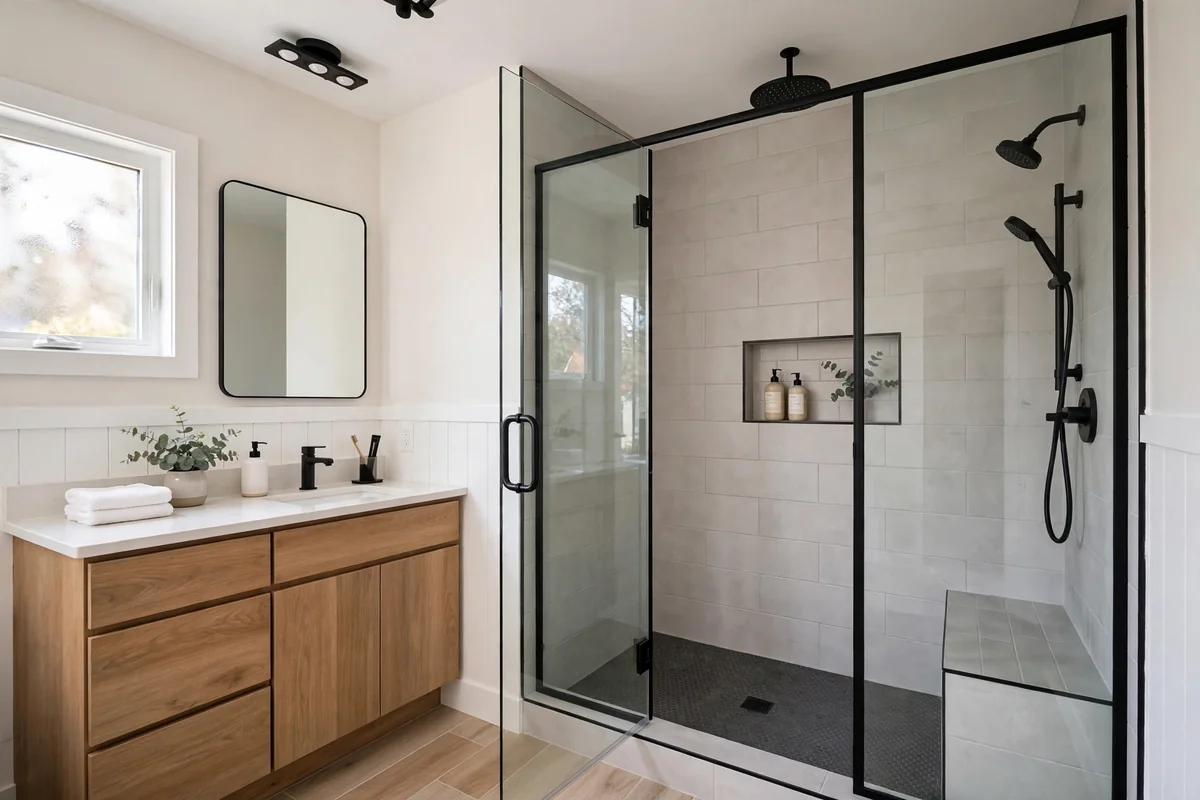
Glass enclosure ($800–$3,000) varies by style. A single fixed frameless panel ($800–$1,500) suits true walk-in designs. Full frameless enclosures ($1,500–$3,000) cost more but contain splashing better. Curbless walk-ins often skip doors entirely, relying on proper slope and drain placement.
Shower fixtures ($300–$2,000): a quality pressure-balance valve and head starts around $300 installed; thermostatic valves with multiple body sprays reach $1,500+. Fixture finish (matte black, brushed gold) affects price modestly; functionality affects it significantly.
Curbless vs. Low-Threshold: Cost and Considerations
Curbless (zero-entry) showers — where the bathroom floor flows seamlessly into the shower — are the premium accessible option. They require recessing the shower floor or raising the bathroom floor, adding $1,000–$3,000 to the walk-in shower installation cost versus a standard low curb. The payoff: wheelchair accessibility, sleek modern aesthetics, and easier cleaning. Essential for aging-in-place design; see accessible bathroom design USA guide.
Low-threshold showers (2–4 inch curb) cost less, contain water better, and suit most households. The small step is negligible for able-bodied users while saving meaningful money. Unless accessibility is a priority, low-threshold delivers 90% of the walk-in experience at lower cost.
Prefab vs. Custom: Making the Choice
Choose prefab when: budget is under $5,000, timeline is tight (1–2 days vs. 1–2 weeks), the bathroom is a rental or flip, or you prioritize low maintenance over aesthetics. Modern prefab units look far better than 1990s fiberglass — some convincingly mimic tile.
Choose custom tile when: this is your long-term home, the shower is a focal point, you want specific dimensions or features, or resale value matters (buyers perceive custom tile as significantly more premium). The higher walk-in shower installation cost USA custom projects carry is usually justified in owner-occupied midrange+ homes.
How to Save on Walk-In Shower Installation
Keep plumbing in place. The golden rule, worth repeating for every bathroom project.
Choose porcelain over natural stone. Modern porcelain convincingly mimics marble, travertine, and concrete at one-third the price — with better stain resistance and zero sealing maintenance.
Limit glass. A single fixed panel costs half of a full enclosure. In well-designed walk-ins with proper slope, one panel contains water adequately.
Standardize sizes. Designing to standard glass panel sizes avoids custom glass premiums ($300–$800 extra). Your contractor can advise on stock dimensions.
Do your own demolition. Removing the old tub/shower surround yourself saves $500–$1,000. It is dusty, physical work — but straightforward and safe with basic precautions.
Shower Niche and Storage Details
Every walk-in shower needs storage for bottles — and the humble shower niche is the detail that separates thoughtful design from afterthought. A tiled niche ($200–$500 installed) recessed into the wall keeps products accessible without cluttering the space. Plan niche placement during the layout phase: centered at comfortable height (48–60 inches from the shower floor), away from direct water spray to reduce soap scum.
Corner shelves ($50–$150 each) are a simpler alternative, though less sleek. Avoid over-the-showerhead caddies in a new custom shower — they undermine the clean aesthetic you are paying for. For the walk-in shower installation cost USA budget, niches represent minimal added expense with outsized daily impact. Coordinate niche tile with your accent selections from how to choose bathroom tile USA for a cohesive look.
Drainage and Slope: The Invisible Engineering
A walk-in shower lives or dies on drainage. The shower floor must slope 1/4 inch per foot toward the drain — enough for water to flow, subtle enough to stand comfortably. Linear drains ($300–$800 for the drain body plus installation) allow single-slope floors and large-format tile, creating the sleekest look. Center drains ($100–$300) require four-way slopes and smaller tile but cost less.
Proper slope prevents the number one walk-in shower complaint: water escaping onto the bathroom floor. Your tile setter’s skill matters enormously here — this is not the place for the lowest bidder. Verify your contractor flood-tests the shower pan before tiling (plug the drain, fill with 2 inches of water, check for leaks after 24 hours). This 10-minute test prevents catastrophic failures. Drainage planning connects to broader bathroom waterproofing covered in how to plan a bathroom remodel USA.
Maintenance for Long-Term Performance
Protect your walk-in shower installation cost investment with simple maintenance: squeegee glass after each use (30 seconds prevents 90% of water spots), spray daily shower cleaner weekly, reseal grout annually ($20 in sealer, one hour), and inspect caulk lines every six months — recaulk at the first sign of gaps. These habits keep a custom tile shower looking new for 15–20 years.
Watch for warning signs: musty odors (possible waterproofing breach), loose tiles (water intrusion behind), or discolored grout that will not clean (moisture trapped beneath). Address issues immediately — shower water damage spreads invisibly and repair costs escalate from hundreds to thousands if ignored. Annual inspections take minutes and save fortunes.
Related upgrades to consider alongside your shower project include bathroom vanity installation, regrouting bathroom tile, and kitchen sink upgrades if you are renovating multiple wet areas at once.
Frequently Asked Questions
How long does walk-in shower installation take?
Prefab: 1–3 days. Custom tile: 1–3 weeks depending on size, tile complexity, and contractor scheduling. Curbless installations add 2–4 days for floor restructuring.
Do walk-in showers add home value?
Yes — updated showers consistently rank among buyers’ most-wanted bathroom features. A well-executed walk-in shower can return 60–70% of its cost at resale while significantly improving daily quality of life. See bathroom remodel ROI USA 2026 for broader context.
Are walk-in showers hard to keep clean?
Less hard than tub-showers, actually. No tub ring, fewer crevices, and squeegeeing glass after use ($10 tool, 30 seconds) prevents most buildup. Tile showers need grout sealing annually; prefab units need only routine wiping.
The walk-in shower installation cost USA investment pays dividends in daily comfort, accessibility, and home value. Whether you choose an efficient prefab or a stunning custom tile creation, proper waterproofing and professional installation ensure your shower serves beautifully for decades.